

St. Gallen at a glance
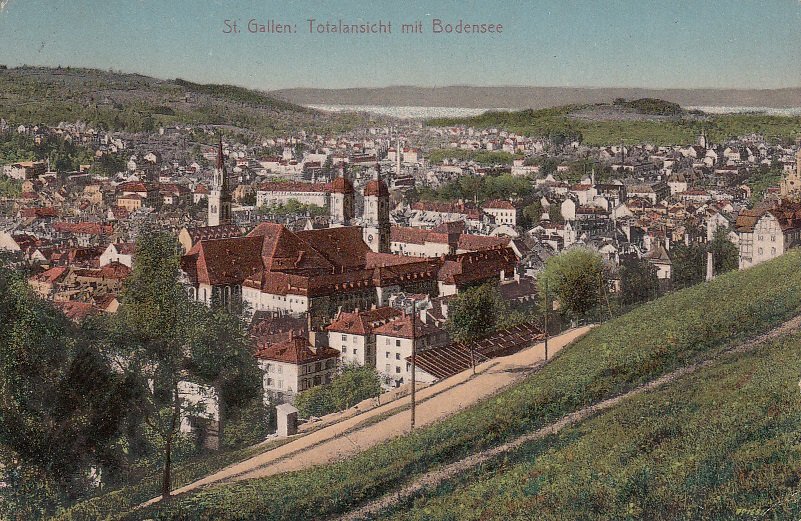
In northeastern Switzerland, St. Gallen is the economic and cultural capital of eastern Switzerland, with a population of around 80,000. Its compact centre brings together the UNESCO World Heritage-listed Abbey District, a medieval Old Town, a long textile heritage, and a lively cultural scene. The University of St. Gallen (HSG) continues the city’s tradition of academic excellence, while museums, festivals and theatres contribute to its modern identity (stadt.sg.ch; myglobalviewpoint.com).
The city’s best-known historical sites include the Abbey District, the Textile Museum and the Old Town. Visitors can also explore the Three Ponds, the Botanical Garden and other outdoor attractions (st.gallen-bodensee.ch; explorial.com).
History
Origins and monastic foundations
St. Gallen’s origins are dated to around 612 AD, also given as 612 CE and the early 7th century, when the Irish monk Gallus founded a hermitage in the Steinach Valley. The monastery was established in 719 AD. Under Abbot Othmar, the Benedictine Rule shaped the community’s spiritual and intellectual life (touristplaces.guide; leisuregrouptravel.com; UNESCO).
By the 9th century, the abbey was known for its scriptorium and library, which produced and preserved manuscripts of importance to European culture. The Plan of St. Gall, drawn between 819–826, is the oldest known architectural plan of a monastic complex. It is preserved in the Abbey District and influenced monastic design across Europe (st.gallen-bodensee.ch; leisuregrouptravel.com).
Medieval power and learning
The Abbey of St. Gall became a major centre of medieval learning and cultural development. Its library, founded in the 8th century, amassed over 170,000 volumes and 2,000 original medieval manuscripts. It is also described as holding over 170,000 documents, from the early Middle Ages to the present (st.gallen-bodensee.ch; touristplaces.guide).
Between the 9th and 13th centuries, the abbey functioned as an independent principality, exercising ecclesiastical and secular power and attracting scholars, artists and theologians from across Europe (leisuregrouptravel.com).
Baroque architecture and UNESCO recognition
The current cathedral is a Baroque masterpiece by Peter Thumb, with twin towers and interiors decorated with stucco, marble, gilded screens and frescoes. Its completion is given as both 1767 and 1768 (st.gallen-bodensee.ch; leisuregrouptravel.com; CN Traveller).
In 1983, UNESCO designated the Abbey District—including the cathedral and library—a World Cultural Heritage Site. The designation recognises its Baroque architectural ensemble and its role as a centre of learning and culture for more than a thousand years (st.gallen-bodensee.ch; stiftsbezirk.ch; UNESCO).
Textile-era transformation
From the 15th century, St. Gallen’s textile industry flourished, making the city a global centre for linen and embroidery. More than 100 oriel windows, dating from 1650–1720, adorn Old Town buildings and reflect the prosperity of the period. The Textile Museum, housed in a former factory, documents this history through exhibits on design, embroidery and innovation (myglobalviewpoint.com; leisuregrouptravel.com).
What to see
Abbey District
The Abbey District centres on the cathedral and Abbey Library. The cathedral’s Baroque interiors feature elaborate stucco and frescoes. Its crypt contains the graves of abbots and bishops, including Saint Othmar. The cathedral also hosts services, concerts and cultural events (touristplaces.guide).
The Abbey Library is known for its ornate Rococo interior and extensive collection of rare books and manuscripts. It holds illuminated manuscripts, including the original Plan of St. Gall, and its decorated hall has been called a “healing place for the soul” (touristplaces.guide; CN Traveller).
The Neue Pfalz, another part of the ensemble, is now the seat of cantonal authorities. The Abbey precinct also hosts concerts, exhibitions and special events throughout the year (St. Gallen-Bodensee Tourismus).
Old Town and Textile Museum
The Old Town’s cobbled streets, colourful façades, oriel windows, artisan shops, cafés and boutiques form a lively part of the city’s social fabric. During Advent, the annual “City of 700 Stars” illumination lights up the Old Town (leisuregrouptravel.com; Switzerlanding).
The Textile Museum traces the city’s history of textile design, embroidery and innovation. St. Gallen’s textile heritage is also reflected in its textile boutiques and local markets.
Museums, culture and outdoor attractions
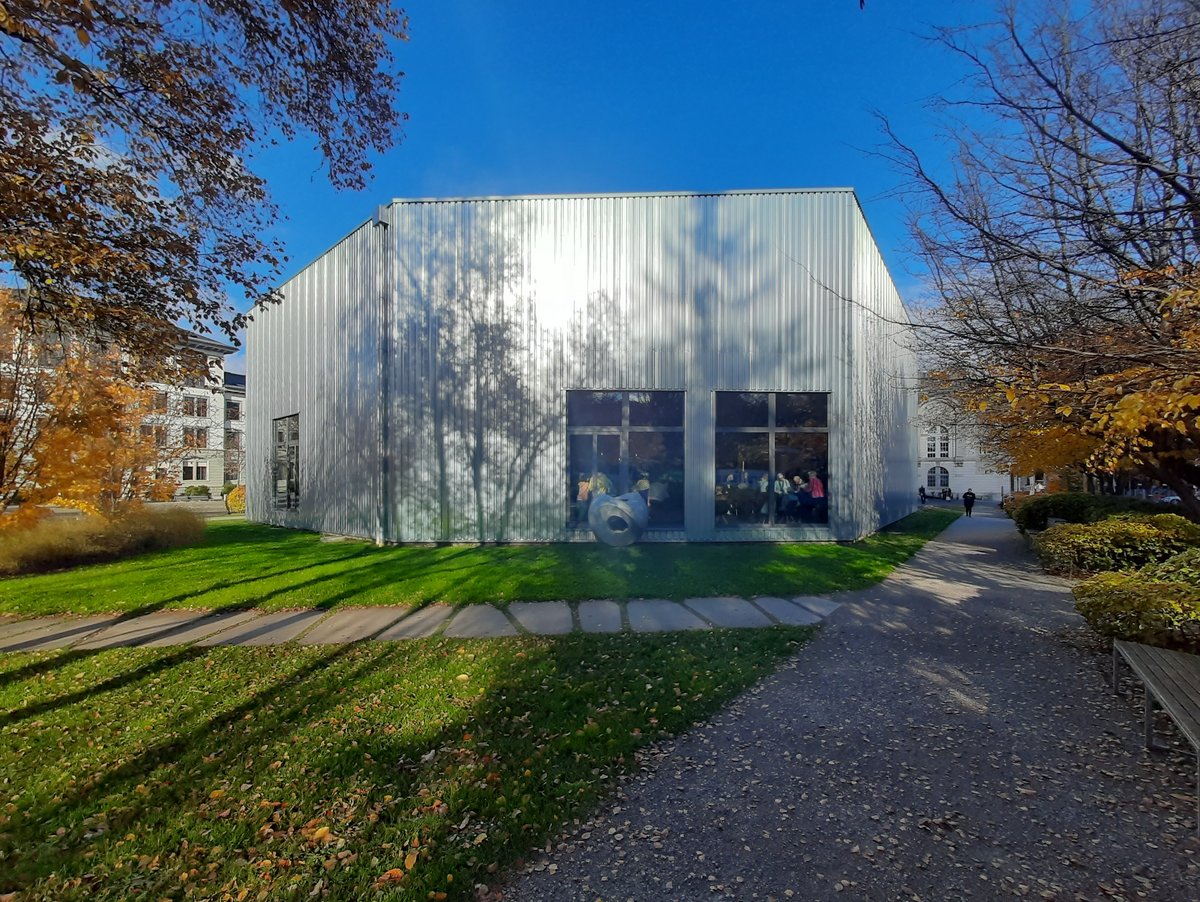
The Kunstmuseum is among the city’s other cultural attractions. The St. Gallen Museum Card offers access to 11 museums, with the Museum Card also described as providing multiple entries at a discount.
Outdoor options include Stadtpark, Drei Weieren (the Three Ponds), the Botanical Garden, hiking and lakeside relaxation. The city also has a modern urban art installation at City Lounge, or Red Square (myglobalviewpoint.com; thisismysaintgallen.com).
The city’s events include the OLMA Agricultural Fair in October, St. Gallen Festspiele in June–July, and Christmas markets in the Old Town in December (st.gallen-bodensee.ch).
Practical visiting information
Opening hours and admission
Published opening-hour details include the following:
- Cathedral Open daily, with one listing giving hours of 9:00 AM–5:00 PM. Another says it is open daily but closed on Sunday mornings and during services. Entry is free (st.gallen-bodensee.ch; explorial.com).
- Abbey Library Open daily, 10:00 AM–5:00 PM. Another listing gives Tuesday–Sunday, 10:00 AM–5:00 PM, with last entry at 4:30 PM. It closes on select holidays; check the official site.
- Textile Museum Open Tuesday–Sunday, 10:00 AM–5:00 PM; closed Mondays.
- Admission Entry to the Abbey precinct and cathedral is free. Abbey Library admission is CHF 12 for adults; discounts for students and seniors are listed, and children under 16 are free (thisismysaintgallen.com).
- Textile Museum admission Adult prices are listed as CHF 10 and CHF 12; reduced rates for children and seniors are also listed.
Tickets are available online or at entrances. Abbey Library tickets can be purchased at the entrance or online through the Abbey District website. The Museum Card offers access to 11 museums and is also described as offering multiple entries at a discount.
Tours, access and site rules
Guided tours provide historical and architectural context. Tours are listed as daily and available in multiple languages; 90-minute tours are offered in English and German. A guided tour costs CHF 20 per person and includes the cathedral and library. Tours can be booked online or at the Tourist Office (myswitzerland.com). Advance booking is recommended during peak seasons.
Audio guides are available for self-paced visits, including at the library. Photography is prohibited in the Abbey Library to protect its manuscripts.
The Abbey District and Textile Museum are described as wheelchair accessible, and most areas are accessible. Some cobblestones and steps are present in the precinct; assistance for visitors with mobility impairments is available on request. Public transport is also described as accessible.
The site is protected by federal and cantonal law, with strict regulations intended to safeguard the precinct and its collections (UNESCO).
Getting there and getting around
- By train Direct connections run from Zurich, a journey of 1 hour, and from other Swiss cities (Swiss Activities).
- By car St. Gallen is reached via the A1 motorway. Parking is available outside the pedestrianized Old Town (Travels Helper).
- By air The closest major airport is Zurich, with direct trains to St. Gallen (Swiss Activities).
- Around the city The bus and tram network is efficient. The Old Town is best explored on foot, and bike rentals are available (St. Gallen-Bodensee Tourismus).
Accommodation, language and money
Accommodation options range from luxury hotels, including Hotel Einstein, to hostels and guesthouses. Booking in advance is advised during festivals and major events.
Swiss German is the primary language, and English is widely spoken. The currency is the Swiss Franc (CHF), and cards are commonly accepted.
Tips
Spring and early autumn are described as mild and less crowded; late spring to early autumn brings mild weather and lively festivals (Wanderlust Storytellers). Winter is festive, with Christmas markets. Weekdays and early mornings are suggested for a quieter Abbey District visit.
The Tourist Information office is at Bankgasse 9 and is open daily (St. Gallen-Bodensee Tourismus). The city is described as having low crime, safe tap water and reliable emergency services. Service is included; rounding up is appreciated.
Local foods to try include Olma Bratwurst and Biberli (Swiss Activities).
Frequently asked questions
What are the best times to visit St. Gallen’s Abbey District?
Spring and early autumn offer mild weather and fewer crowds. Late spring to early autumn is also described as a period of mild weather and lively festivals. Weekdays and early mornings are suggested for a quieter visit.
What are the Abbey Library’s opening hours?
Listings give daily opening hours of 10:00 AM–5:00 PM, and also Tuesday–Sunday, 10:00 AM–5:00 PM, with last entry at 4:30 PM. The library closes on select holidays.
How can I buy tickets for the Abbey Library and museums?
Tickets are available online or at entrances. Abbey Library tickets can be purchased online or at the entrance; booking guided tours in advance is advised. The Museum Card offers access to 11 museums and is also described as providing multiple entries at a discount.
Are guided tours available?
Yes. Daily tours are listed in multiple languages, including 90-minute tours in English and German. Audio guides are also available.
Is the Abbey District accessible for visitors with mobility challenges?
The main sites are described as wheelchair accessible. Most areas are accessible, although the precinct has some cobblestones and steps; assistance is available on request.
Is St. Gallen family-friendly and accessible?
Yes. The city is described as having playgrounds, museums and accessible public transport.
What other attractions should I visit?
The Textile Museum, Kunstmuseum and Old Town are recommended, as are the Three Ponds, Botanical Garden, Stadtpark, hiking and lakeside relaxation.