
Early Foundations: Hermitage to Abbey
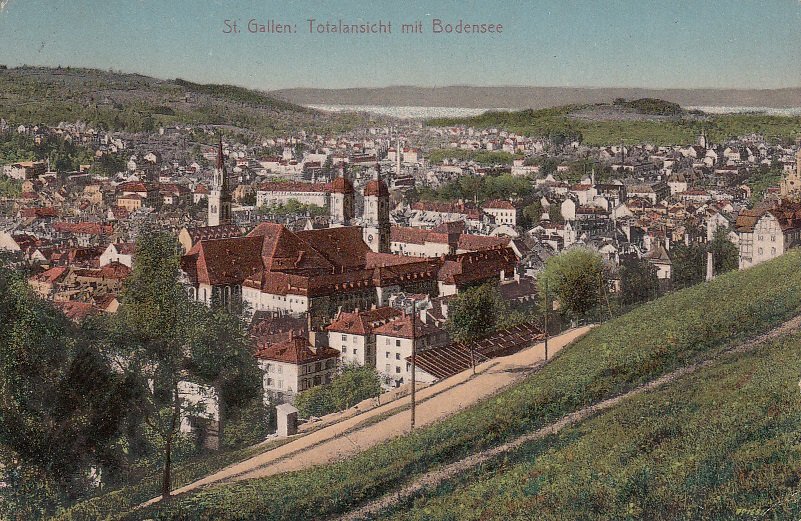
The Abbey of Saint Gall began as a hermitage founded by the Irish monk Gallus around 612 AD. His spiritual retreat in the Steinach Valley soon attracted followers, and after his death, a small monastic community formed. The official Benedictine abbey was established in 719 AD under Abbot Otmar, who expanded the monastery's spiritual and educational influence (travelshelper.com).
Intellectual and Artistic Zenith
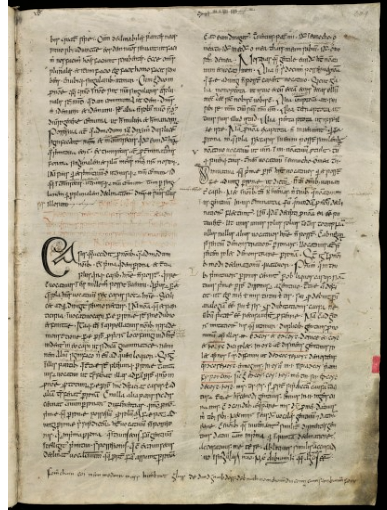
During the Carolingian era, the Abbey rose to prominence as a center for scholarship, manuscript production, and religious reform. Its scriptorium was responsible for producing many invaluable medieval manuscripts, including the renowned 9th-century Plan of St. Gall, the oldest known architectural drawing of a monastic complex (st.gallen-bodensee.ch). The Abbey Library, one of the oldest in the world, holds over 170,000 volumes and 2,000 original documents, preserving a legacy of European intellectual history.
Political Autonomy and Architectural Evolution
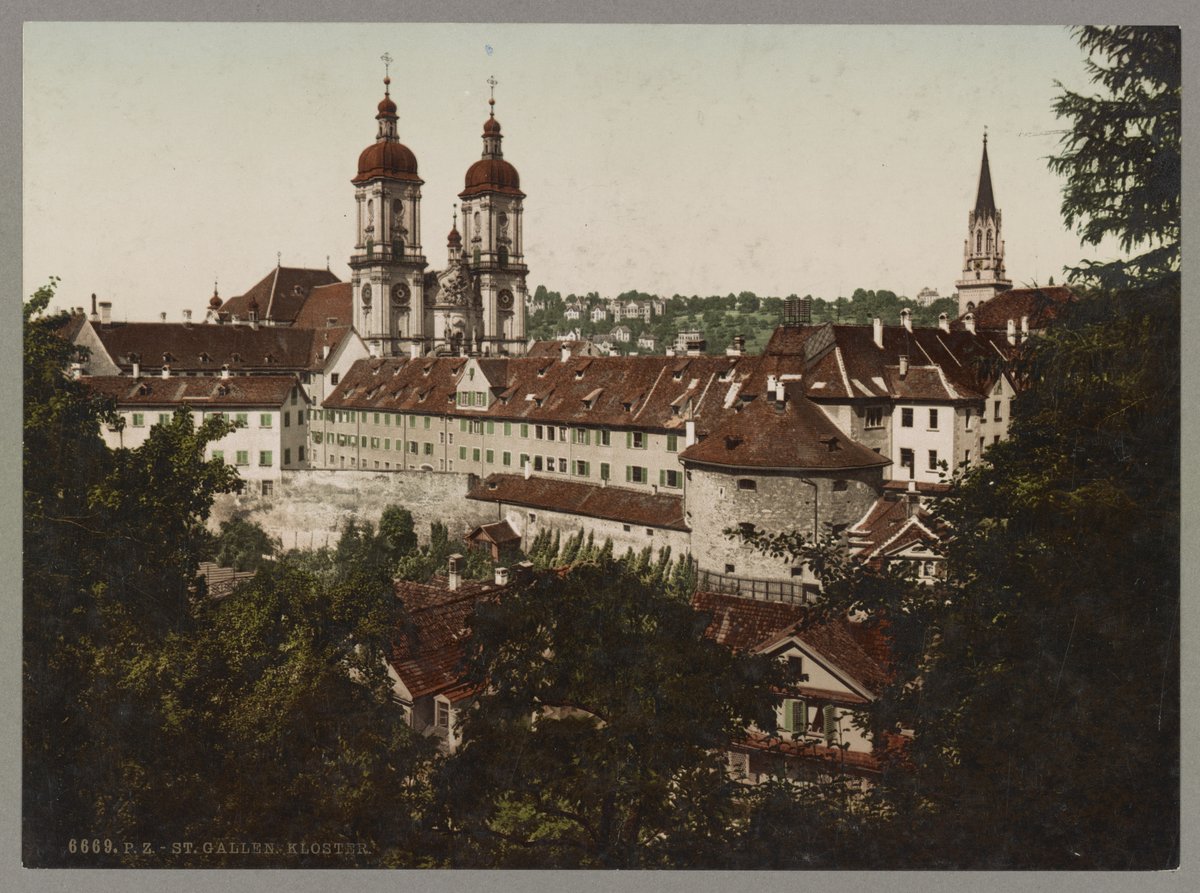
Throughout the Middle Ages, the Abbey not only influenced spiritual and cultural life but also wielded significant political power, enjoying imperial immediacy. It underwent several architectural transformations, most notably in the 18th century when the current Baroque cathedral and Rococo library hall were constructed, forming the core of today’s Abbey District (st.gallen-bodensee.ch).
Reformation, Secularization, and UNESCO Recognition
The Protestant Reformation in the 16th century created religious tensions between the Catholic Abbey and the increasingly Protestant city. Despite these challenges, the Abbey maintained its religious role until its secularization in 1805. In 1983, the Abbey District was designated a UNESCO World Heritage Site for its outstanding universal value and remarkable preservation (myswitzerland.com).
Visiting the Abbey of Saint Gall
Location and Access
The Abbey is centrally located in St. Gallen’s Old Town, within walking distance of the main train station. The city is well-connected by train, bus, and major roadways. Parking is available at nearby public garages such as Cityparking Burggraben, though the Old Town itself is pedestrian-friendly (myswitzerland.com).
Opening Hours
- Abbey Cathedral Open daily from 8:00 to 18:00. Entry is free; donations are appreciated.
- Abbey Library Open Tuesday to Sunday, 10:00–17:00; closed Mondays and certain holidays.
- Guided Tours Available in several languages and can be reserved online or at the tourist information center (Abbey Tickets).
Please consult the official Abbey District website for the latest updates on seasonal and holiday schedules.
Tickets and Admission
- Cathedral Free entry.
- Abbey Library CHF 12 for adults; discounts for students, seniors, and groups. Children under 16 enter free with an adult.
- Guided Tours Additional fees apply; advance booking recommended during peak seasons (Abbey Tickets).
Accessibility
The Abbey District is largely accessible for visitors with mobility limitations, with ramps and elevators available in the cathedral and library. Some historic areas may have uneven floors or steps; contact staff in advance for assistance (myswitzerland.com).
Visitor Facilities
- Restrooms and cloakrooms are available within the Abbey District.
- Gift shop offers books, reproductions, and souvenirs.
- Nearby cafés and restaurants serve Swiss and international cuisine.
What to See
Abbey Cathedral
A masterpiece of Swiss Baroque architecture, the cathedral boasts twin towers, intricate stucco work, and frescoes. The nave’s light-filled interior is adorned with biblical scenes and gold ornamentation. The cathedral remains an active place of worship and is open for Mass and religious festivals (winalist.com).
Abbey Library
Hailed as Switzerland’s most beautiful non-ecclesiastical Baroque hall, the library features opulent woodwork and ceiling frescoes. It holds over 170,000 volumes, including 2,100 manuscripts and the famous Plan of St. Gall. The 2,700-year-old Egyptian mummy Shepenese is also on display. Visitors must wear provided slippers to protect the historic floors; photography is not permitted inside (myswitzerland.com).
Cloister and Monastic Buildings
The cloister offers a peaceful setting with arcaded walkways and historic rooms now housing museums and archives. The former monastic structures now serve governmental and educational purposes.
The Plan of St. Gall
This 9th-century parchment, preserved in the library, is the earliest surviving architectural drawing of a monastic complex and provides remarkable insights into medieval life (st.gallen-bodensee.ch).
Guided Tours and Special Events
Guided tours, available in multiple languages, provide deeper perspectives on the Abbey’s spiritual, artistic, and historical contributions. Thematic tours, interactive experiences for families, and special events such as concerts and temporary exhibitions enrich the visitor experience (myswitzerland.com).
Practical Tips for Visitors
- Dress modestly when visiting religious sites; cover shoulders and knees.
- Wear comfortable footwear due to cobblestone paths and some uneven interior floors.
- Photography is allowed in the cathedral but prohibited inside the library.
- Visit on weekdays or early mornings for a quieter experience.
Exploring Beyond the Abbey
After visiting the Abbey, explore St. Gallen’s Old Town, known for its painted bay windows and historic houses. The Textile Museum and local cafés are nearby, and nature lovers can enjoy the Drei Weieren ponds or hike in the Appenzell Alps (touringswitzerland.com, winalist.com).
Frequently Asked Questions (FAQ)
Q: What are the Abbey of Saint Gall’s visiting hours?
A: Cathedral: daily 8:00–18:00; Library: Tuesday–Sunday 10:00–17:00, closed Mondays.
Q: How much do tickets cost?
A: Cathedral: free; Library: CHF 12 (discounts available); guided tours require an additional fee.
Q: Is the Abbey accessible for visitors with disabilities?
A: Yes, with ramps and elevators in most main areas; some historic sections may be less accessible.
Q: Are guided tours available?
A: Yes, in multiple languages—advance booking recommended.
Q: Can I take photographs?
A: Allowed in the cathedral for personal use; not permitted inside the library.
Booking and Contact Information
- Tourist Information Bankgasse 9, 9001 St. Gallen, Switzerland
Phone: +41 (0)71 227 37 37
Email: [email protected] - Abbey District Office Klosterhof 6d, 9000 St. Gallen
Phone: +41 (0)71 227 34 16
Website: stiftsbezirk.ch - Official Swiss Tourism myswitzerland.com
Enhance Your Visit
- Download the Audiala app for audio guides and real-time updates.
- Check the official events calendar for concerts, exhibitions, and special activities.
- Follow St. Gallen Bodensee and Myswitzerland for additional travel inspiration.