
Geological and Early Human History
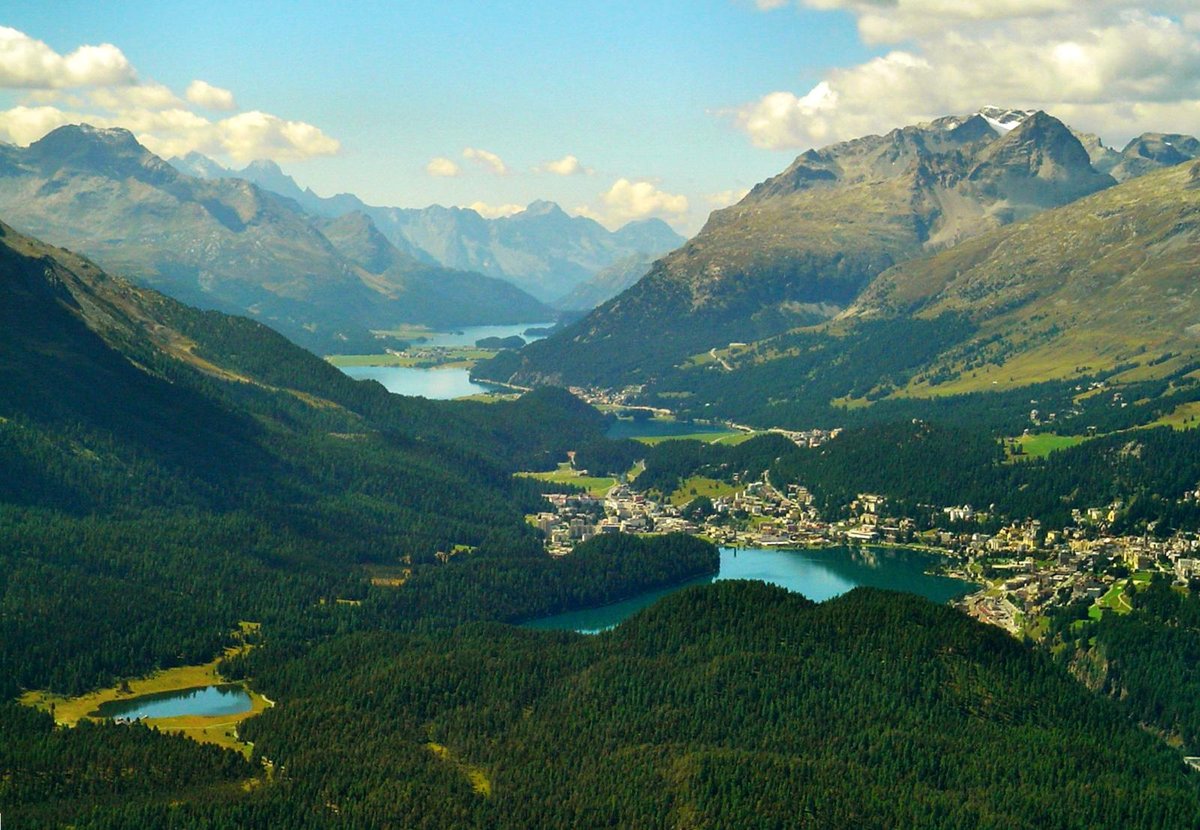
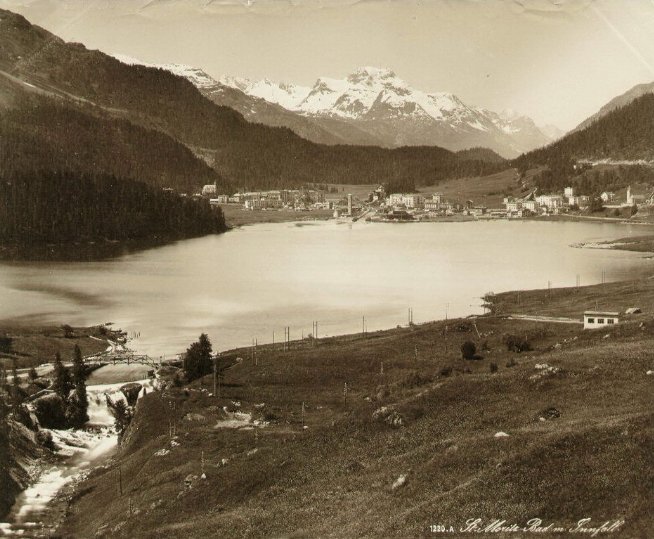
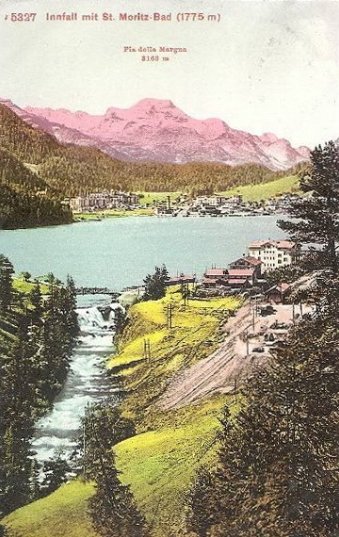
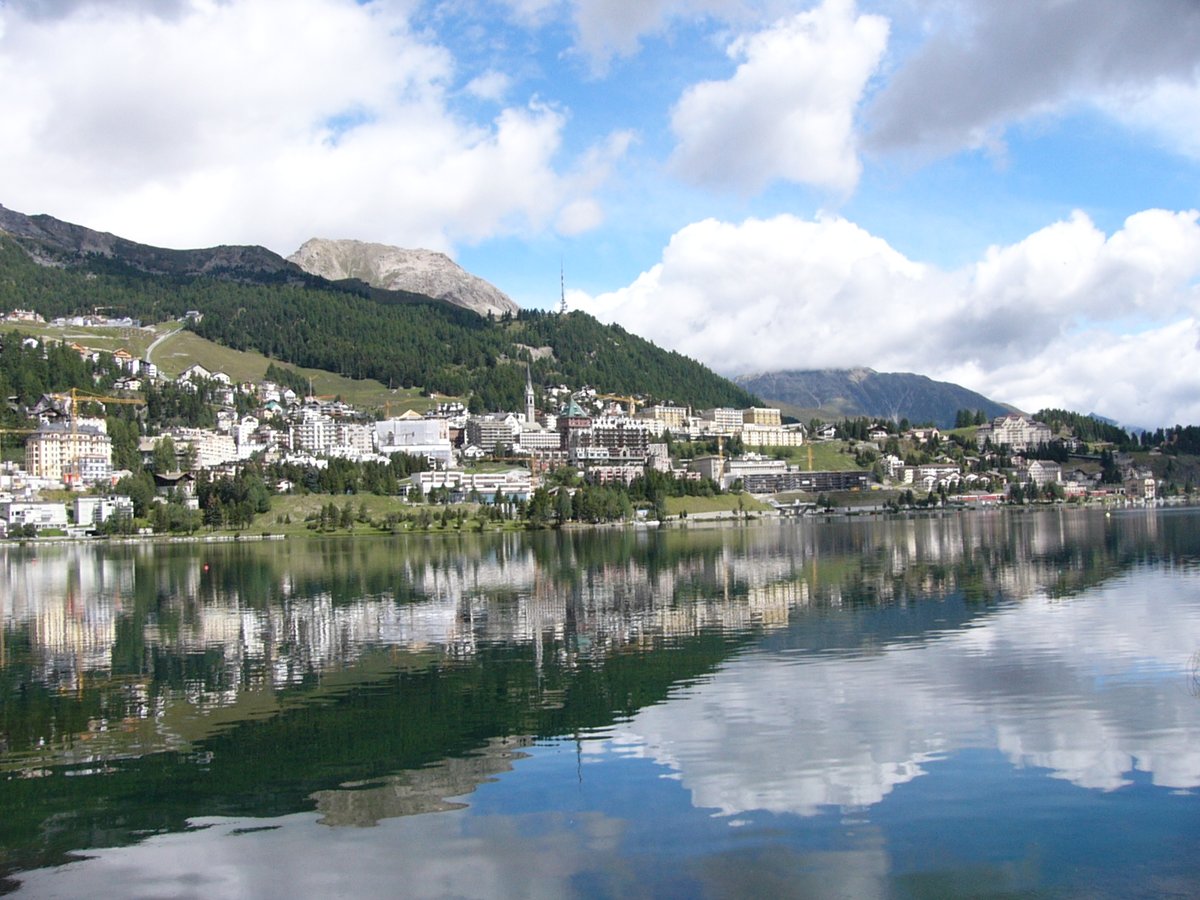
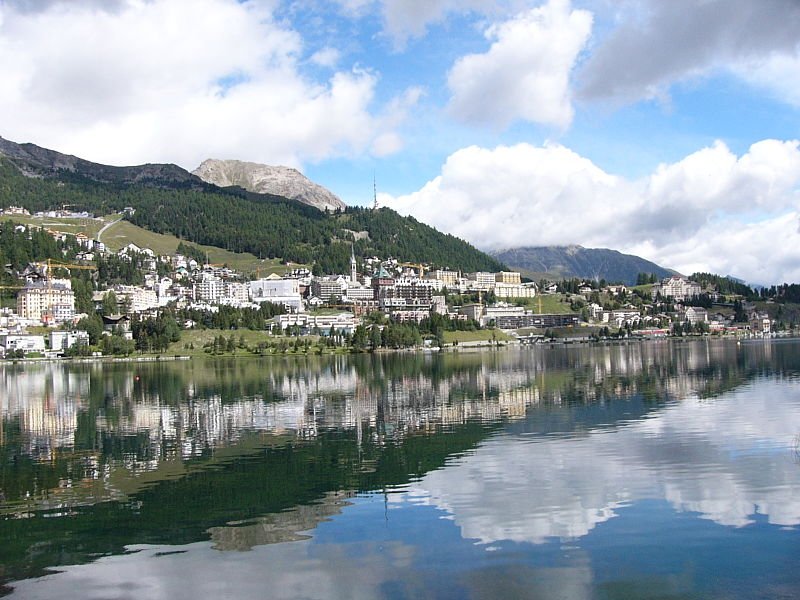
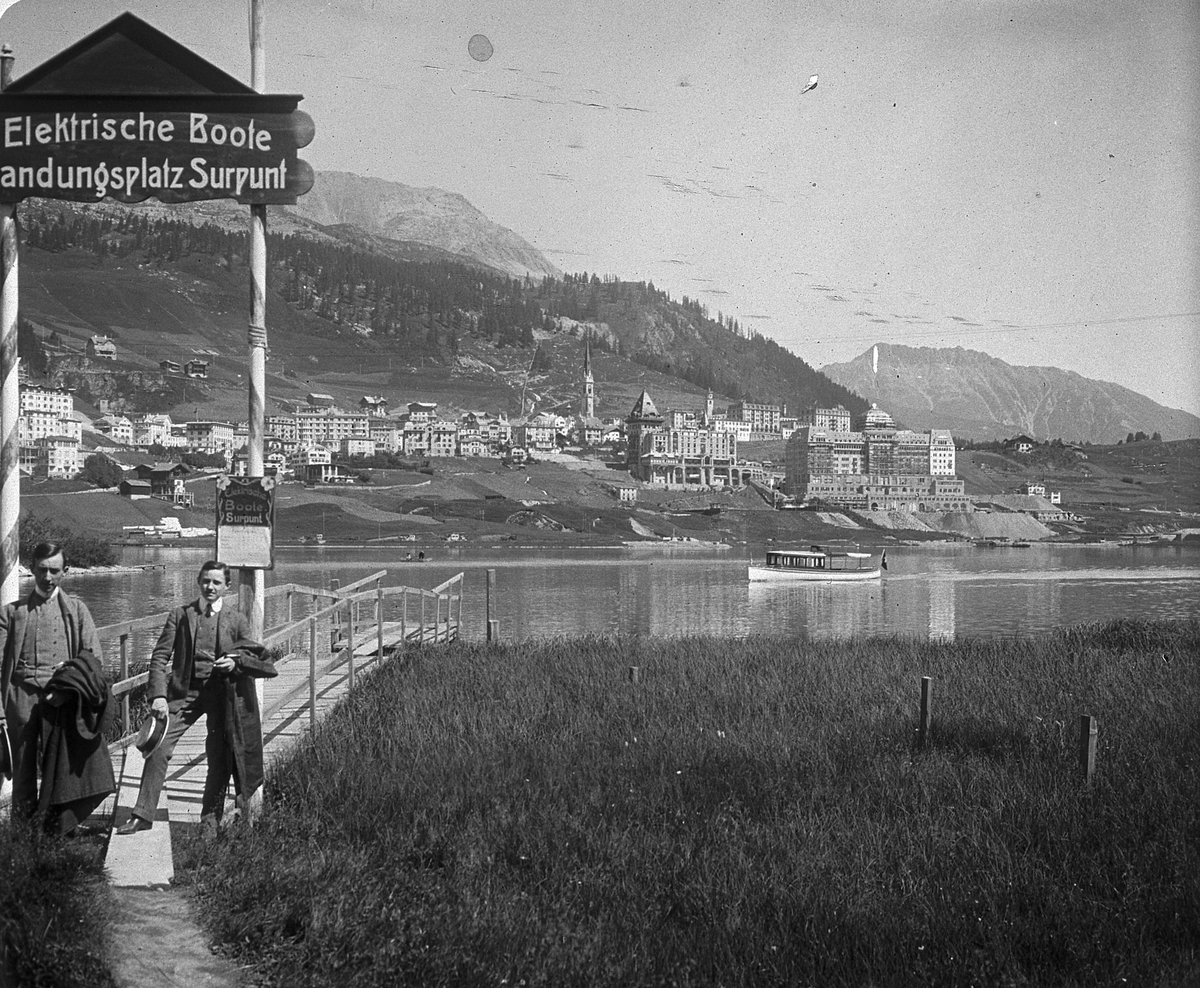
Formed during the last Ice Age, Lake St. Moritz sits at approximately 1,768 meters (5,801 ft) above sea level. The Engadine region shows evidence of human occupation dating to at least 3000 BCE, with archaeological finds indicating early settlement due to the area’s abundant resources and strategic location. The mineral springs, revered by Romans for their healing powers, laid the foundation for St. Moritz’s longstanding wellness tradition (therookandqueen.com).
During the medieval period, St. Moritz was part of the Bishopric of Chur and later the Three Leagues. The lake supported local agriculture and fishing, while the mineral springs continued to attract health-seekers. This multicultural region has long been a crossroads, with Romansh, German, and Italian influences shaping its identity (thrillophilia.com).
The Rise of Tourism
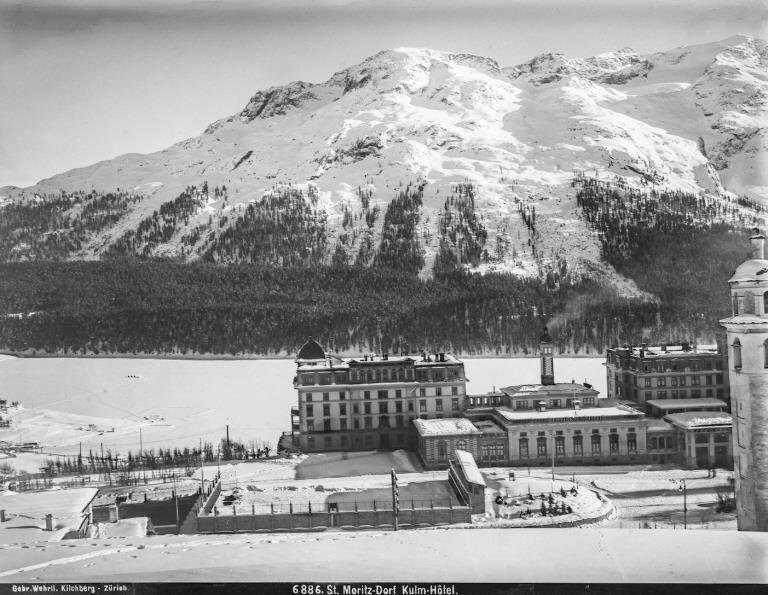
St. Moritz’s transformation into a world-class resort began in the 19th century. In 1864, hotelier Johannes Badrutt’s wager with British guests launched Alpine winter tourism, promising a vibrant winter season that exceeded expectations (wikipedia.org). The town quickly became a magnet for the European elite and the birthplace of many tourism innovations, including Switzerland’s first electric light at the Kulm Hotel in 1878.
Year-round tourism flourished, with summer visitors enjoying hiking and spa culture, and winter visitors drawn by snow sports and glittering social events (myglobalviewpoint.com).
Sporting Legacy and Major Events
Winter Sports and Olympic Heritage
Lake St. Moritz’s reliably frozen surface has made it a center for winter sports. The lake and nearby venues have hosted:
- Europe’s first curling tournament (1880)
- The European Ice-Skating Championships (1882)
- The legendary Cresta Run toboggan track
St. Moritz twice hosted the Winter Olympic Games (1928, 1948), cementing its place in sporting history. The Olympia Bob Run, the only natural ice bobsleigh track, is still in use today (myswitzerland.com).
Iconic Annual Events
- White Turf Horse Racing Established in 1907, this February event features horse racing and skijoring on the frozen lake, attracting thousands of spectators (wikipedia.org).
- Snow Polo World Cup Launched in 1985, this remains the world’s only high-goal polo tournament played on snow (finews.com).
- The I.C.E. St. Moritz The International Concours of Elegance combines classic car exhibitions and driving demonstrations on ice (octane-magazine.com).
- Cricket on Ice British teams compete each February in this unique tournament (giardinohotels.ch).
Summer and Year-Round Activities
In warmer months, Lake St. Moritz is popular for sailing, stand-up paddling, and rowing. The Engadine Valley offers extensive hiking, cycling, and mountain sports (dukesavenue.com).
Cultural Significance
St. Moritz’s rich cultural fabric is woven from its trilingual heritage (Romansh, German, Italian) and a vibrant events calendar. Notable highlights include:
- Segantini Museum Dedicated to mountain painter Giovanni Segantini (myswitzerland.com).
- Engadine Museum Exhibits on regional history and architecture (StMoritzTourism).
- Chalandamarz Festival Spring celebration featuring traditional music and costumes.
The town is also famous for luxury shopping, Michelin-starred dining, and its reputation as a meeting place for international high society.
Practical Visitor Information
Visiting Hours and Accessibility
- Lake Access Open year-round, 24/7 for walking, cycling, and sightseeing. No entry fee for general access.
- Event Areas Access and hours may be restricted during major events (January–March for winter; June–September for summer).
- Accessibility Many lakeside paths and public transport options are wheelchair-friendly. Contact the tourist office for details.
Tickets and Booking
- General Lake Access Free.
- Event Tickets Required for White Turf, Snow Polo, The I.C.E., and other special events. Purchase online or at local vendors; early booking is recommended for popular events.
Getting There
- By Train St. Moritz railway station is served by the Glacier Express and Bernina Express (travelshelper.com).
- By Bus Swiss PostBus and local buses connect the region.
- By Car Parking is limited and expensive; public transport is recommended.
Guided Tours
Guided walking and historical tours are available through the tourism office. Tours highlight the lake, town history, art, and local traditions.
Frequently Asked Questions
Q: Are there entrance fees for Lake St. Moritz?
A: No, general access is free. Special events require tickets.
Q: When are major events held?
A: White Turf and Snow Polo take place January–March; check official event pages for dates.
Q: Is the lake wheelchair accessible?
A: Many lakeside paths are accessible; consult the tourist office for detailed route information.
Q: Can I swim in Lake St. Moritz?
A: Swimming is possible in summer, but water is very cold.
Q: Are there guided tours in English?
A: Yes, most tours offer English-speaking guides; book in advance.
Travel and Accommodation
Arrival:
- Train Rhaetian Railway’s Bernina and Glacier Express lines connect St. Moritz with Zurich, Chur, and other major cities.
- Bus Swiss PostBus links St. Moritz to surrounding towns.
Getting Around:
- Local buses and funiculars cover the main attractions. Taxis are available but costly.
Accommodation:
- Luxury Kulm Hotel, Badrutt’s Palace, Suvretta House (stmoritzguide.com).
- Mid-Range/Budget Boutique hotels, guesthouses, and apartments; book in advance for best rates (strspecialist.com).
Dining and Seasonal Highlights
Dining:
- Fine dining at Michelin-starred restaurants, traditional Swiss cuisine, and casual mountain huts.
- Try local specialties like Bündnerfleisch, Capuns, and Engadiner Nusstorte.
Seasonal Events:
- Winter Skiing, Snow Polo, White Turf, Cresta Run.
- Summer Hiking, sailing, open-air concerts, art festivals.
Visitor Tips
- Language German, Italian, and Romansh are spoken; English is widely used.
- Currency Swiss Franc (CHF); credit cards accepted, but carry some cash.
- Weather Over 300 sunny days per year; pack for variable alpine conditions.
- Etiquette Be punctual, dress smartly, and respect local customs and nature.


