Place
Rolle
Switzerland Updated Mar 2026
Most Swiss lakeside towns make you choose between vineyard country and waterfront charm — Rolle, on the northern shore of Lake Geneva, refuses the distinction. Its 13th-century castle doesn't perch on a hill above town but steps directly into the water on a stone causeway, grey walls rising from the lake as if the feudal lords who raised it in 1264 wanted to shake hands with Lac Léman itself. Behind this scene, on days when the air is sharp enough, Mont Blanc floats 80 kilometres away above the French Alps like a rumour made solid.
 Photo: Roland Zumbuehl · CC BY-SA 4.0
- Attractions
- 6
- Audio
- 42 min
- Trip length
- 1–2 days
- Best season
- Summer (June–September) for swimming and lake boats; Autumn for wine harvest and clear Mont Blanc views
Why Rolle
Built from cited sources · see the method · How we make our guides →
Rolle is the quiet centre of the La Côte AOC, one of Vaud's five principal wine appellations and arguably its most versatile. Chasselas dominates — this is French-speaking Switzerland, after all — but the south-facing slopes above town also yield Pinot Noir and Gamay that rarely travel far beyond local cellars. The vineyards begin almost immediately behind the last row of houses, climbing toward the Jura ridge in orderly terraces. A ten-minute walk uphill from your café au lait and you're standing between rows of vines, the entire lake spread below you.
With roughly 6,500 residents and no convention centre in sight, Rolle runs at a human tempo that Lausanne, 25 kilometres to the northeast, long ago abandoned. The old town's narrow streets hold independent shops and restaurants rather than chain outlets; the waterfront promenade fills with swimmers and pedalo renters in summer but never feels overwhelmed. Frédéric-César de La Harpe, the Rolle-born political figure who helped engineer the canton of Vaud's independence from Bern in 1798, has a small island named after him just offshore — a bird sanctuary now, visible but unreachable, which feels like the right metaphor for how Rolle treats its history: present everywhere, imposed on no one.
The town's appeal is cumulative rather than spectacular. There is no single attraction that demands a pilgrimage. Instead, it is the particular combination — medieval stone, working vineyards, clean lake water warm enough for swimming by June, and a French-Swiss kitchen that takes both cheese and fish seriously — that rewards visitors willing to slow down to Rolle's pace. Geneva's airport is 35 minutes away by train, but it might as well be on another continent.
A Castle in the Lake
Château de Rolle doesn't sit beside Lake Geneva — it steps into it, built on a promontory that pushes directly into the water. Dating to 1264, its grey stone walls and square tower reflected in the lake with Mont Blanc behind make one of the most quietly perfect compositions on Lac Léman.Heart of La Côte Wine Country
Rolle is the unofficial capital of the La Côte AOC, Vaud's largest wine-growing region. Chasselas vines climb the slopes just behind town, and local vignerons pour crisp, mineral whites that rarely leave Switzerland — drink them here, where the terroir meets the terrace.Lakefront Without the Crowds
Where Montreux and Lausanne draw tour buses, Rolle's plane-tree-lined quays belong mostly to locals swimming, sailing, or watching the light shift across the Alps. On clear mornings, Mont Blanc appears 80 kilometres away with startling precision.Birthplace of Swiss Democracy
Frédéric-César de La Harpe, tutor to a Russian tsar and architect of Vaud's liberation from Bernese rule in 1798, was born here. The small island bearing his name sits just offshore — a bird sanctuary now, but a reminder that this quiet town shaped Swiss history.
Places to Visit
Not every monument, just the ones we'd walk you past ourselves.
-
Île De La Harpe A tiny artificial island in Lake Geneva commemorates the Vaudois revolutionary who tutored a Russian tsar, and was once confiscated over a 2-franc tax debt.

-
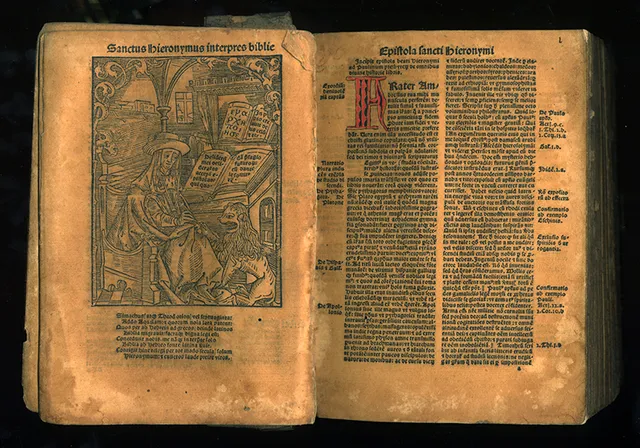
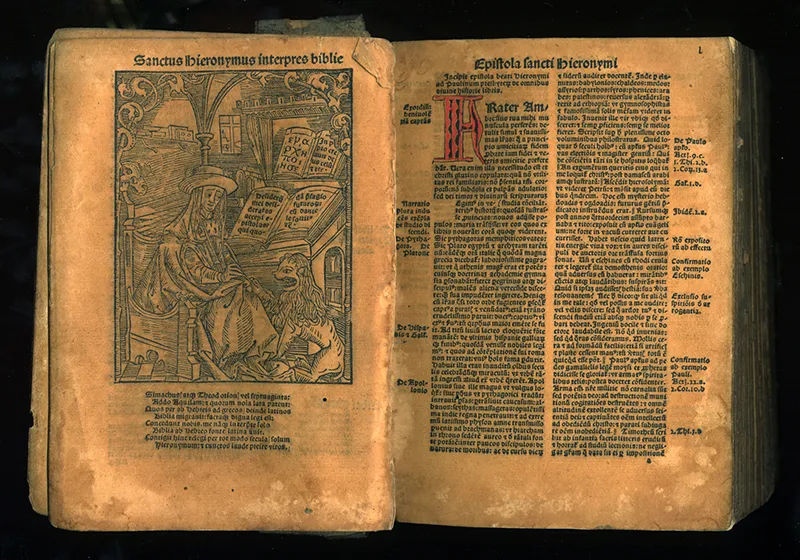
Historical Collection of the Municipal Library of Rolle Hidden inside Rolle Castle, a small-town collection holds 13,000 Enlightenment volumes, including books from Benjamin Franklin, survivors of a 1978 flood.
- Rolle Castle A Savoyard castle on Lake Geneva that doubles as a working town hall—weddings, council meetings and a skatepark share a fortress burned twice in the 1530s.
- Reformed Church Rolle's temple was stripped Catholic overnight by Bernese conquest in 1536; today its whitewashed calm hides a painted figure in the attic and 1920 stained glass.
- 2nd Maison De Ville This town hall began as a medieval hospital. Seized at the Reformation, it held revolutionary power — and still hides an 18th-century stone fireplace.
- Bellerive Built in 1827 on an artificial lakeside esplanade, Bellerive was the supposed model for Geneva's La Pastorale before 1836 and later home to painter Kunkler.
- Catholic Church of Saint Joseph Mass was illegal in Rolle for over 300 years after the Reformation—this 1843 neo-Gothic church marks the return of Catholic worship to the lakeside old town.
- Chalet Du Maupas Rolle's 13th-century castle was burned by Bernese troops, then served as a high school; today nearly half of its 6,000 residents are foreign nationals.
- Château Du Rosey Burned in 1530 for a secret society's plot to swallow Geneva, this lakeside château now anchors the world's most expensive boarding school.
Neighborhoods
Where to wander, by quarter — each with its own rhythm.
Vieille Ville
Rolle's compact old town climbs gently from the lakeshore in a grid of narrow streets that still follows the 13th-century plan laid out when Philip of Savoy granted the town its charter. Stone façades in local grey and cream hide independent boutiques, small galleries, and a handful of restaurants where the menu changes with what the lake and the surrounding farms provide. The atmosphere is residential rather than museum-piece — laundry dries above the cobbles, and you're as likely to hear a piano lesson drifting from an upper window as tourist chatter.Le Quai & the Waterfront
The lakeside promenade stretching from the marina past the castle and onward to the public beach is where Rolle's daily life gravitates in warmer months. Plane trees line the walkway, café terraces multiply between May and September, and the swimming area draws families and solo swimmers alike to water that turns a credible turquoise on sunny days. The marina shelters sailboats and small motorcraft, and CGN paddle steamers stop here on the Lausanne–Geneva route — arriving by lake boat remains the most elegant way to first see the castle.Château & Causeway
The castle promontory and its short causeway form Rolle's visual signature. The Château de Rolle now houses municipal offices rather than a museum, so you can't tour the interior, but the surrounding quays and the causeway itself are open at all hours. This is the spot for early-morning photography — the square tower reflected in still water with Alpine peaks behind it is one of the most quietly perfect compositions on Lake Geneva. The Île de la Harpe, the small bird-sanctuary island just offshore, adds foreground interest and occasional heron sightings.The Vineyard Slopes
Walk ten minutes uphill from the old town and paved streets give way to vineyard paths climbing the south-facing hillside toward the Jura foothills. This is La Côte AOC territory — Chasselas grapes predominate, trained low on wires in tight rows, with occasional plots of Pinot Noir. Several domaines offer tastings, and the walking trails between them provide the best elevated views of the lake and the full Alpine panorama. In autumn, the harvest brings tractors and the sharp sweetness of crushed grapes to lanes that are otherwise silent.
Plan your trip
Before you go
- Getting There
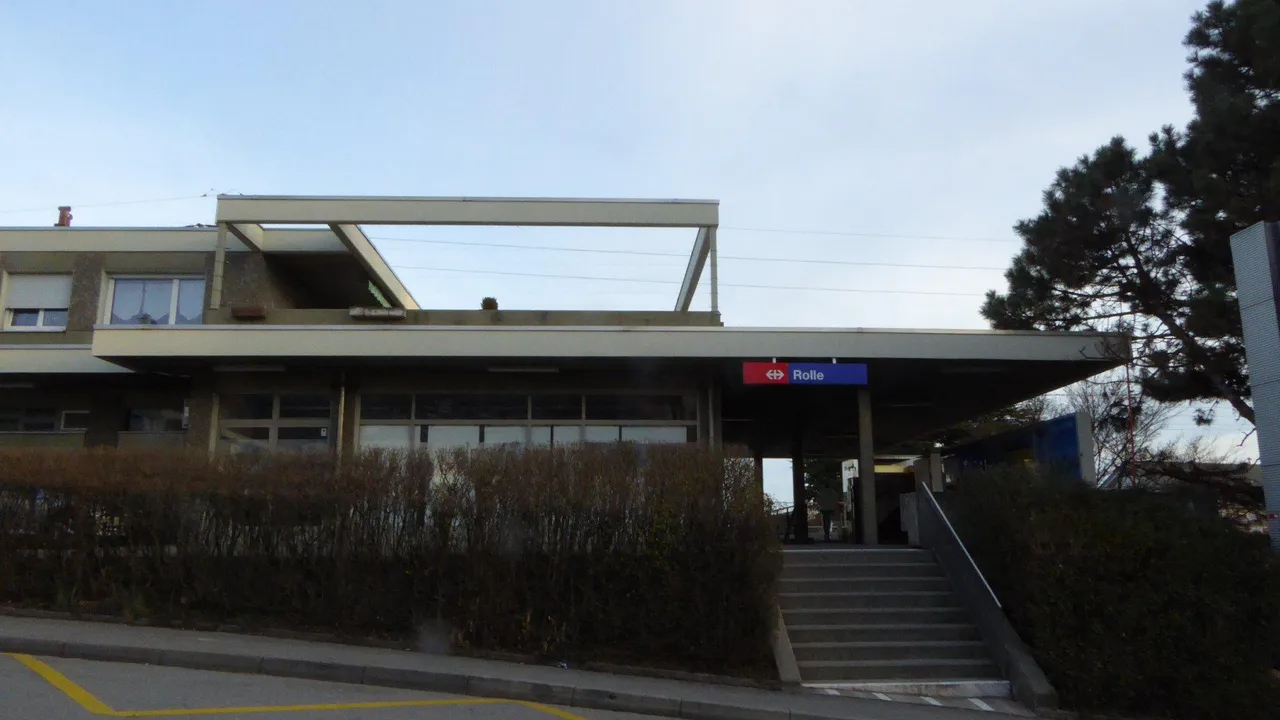
- Geneva Airport (GVA) is the closest hub, roughly 40 minutes by train via Nyon. Lausanne station sits 20 minutes east on the same SBB/CFF rail line. Rolle has its own station on the Geneva–Lausanne mainline, with multiple trains per hour in both directions. By car, the A1 motorway runs just above town — exit at Rolle.
- Getting Around
- Rolle is small enough to walk end to end in fifteen minutes. Regional MBC buses connect to surrounding villages and the vineyard slopes of La Côte. For lake excursions, CGN boats stop at Rolle's pier seasonally, linking to Nyon, Lausanne, Évian, and Yvoire on the French shore. A Swiss Travel Pass covers all three — train, bus, and boat.
- Climate & Best Time
- Summers (June–August) are warm, 20–27°C, ideal for lake swimming and long quayside evenings. Spring and autumn bring 10–18°C with misty mornings that burn off to reveal the Alps — fewer visitors, perfect vineyard walking. Winters hover around 0–5°C, grey but atmospheric. Visit late May through September for the best weather; September doubles as harvest season in the vineyards.
- Language & Currency
- Rolle is in French-speaking Vaud — French is the daily language, though English is widely understood in shops and restaurants. Currency is the Swiss Franc (CHF). Credit cards are accepted nearly everywhere, but Switzerland remains fond of cash for small purchases at markets and vignerons.
Who lived here
-
Statesman & Republican Revolutionary · 1754–1838
Frédéric-César de La Harpe
Born in Rolle
La Harpe was born in Rolle and later became tutor to the future Tsar Alexander I of Russia — a relationship that gave him rare leverage at the courts of Europe when Switzerland's fate hung in the balance. He used that influence to help secure the founding of the Helvetic Republic in 1798 and remained one of the most consequential Swiss political figures of his generation. The small island visible from Rolle's promenade — Île de la Harpe — bears his name: a low-key local acknowledgment that a man who helped invent modern Switzerland grew up watching this same lake.
Where to Eat
Where locals actually book dinner — not the tourist menus.
Insider tips
Small things that change how the city treats you.
Castle at Golden Hour
The Château de Rolle photographs best from the quays at dawn or dusk, when the grey stone catches pink light reflected in still water with the French Alps behind. Arrive 30 minutes before sunrise — no crowds, glassy lake.Arrive by Lake Boat
CGN ferry services connect Rolle to Geneva (1h10) and Lausanne (45 min) — the approach from the water, with the castle emerging from the lake, is impossible to replicate by train. Frequency drops sharply outside summer, so check timetables in advance.Buy Wine at Source
La Côte AOC domaines begin immediately above the town and many sell directly, at prices far below Geneva restaurants. Chasselas is the flagship grape — lighter and more mineral than you expect, and almost never exported.Beat the Beach Crowds
The plage municipale fills fast on hot weekends — arrive before 10am for a good spot on the lawn and calm water for swimming. The beach has changing facilities and is free to use.Skip the Car
Rolle sits on the Geneva–Lausanne main rail line with trains every 30 minutes; the station is a 5-minute walk from the waterfront. Parking near the quay is limited and unnecessary for a day visit.Lunch Over Dinner
Lakeside restaurants offer plat du jour menus at lunch for roughly CHF 20–28 — 30–40% less than dinner prices — and you keep the full Alps panorama in daylight. Most serve weekday lunch only.Time Your Mont Blanc View
Mont Blanc (80 km away) appears from the promenade on crisp days — most reliably in autumn and in the 24 hours after rainfall clears the haze. Midday summer light tends to wash it out.
Gallery
The city, as it actually looks.


Frequently asked
Is Rolle worth visiting?
Yes, particularly if you want the Lake Geneva experience without the crowds of Montreux or the city density of Lausanne. The medieval castle on its promontory, vine-terraced hills above town, and Mont Blanc views on clear days make it genuinely distinctive. It rewards visitors who slow down — a morning at the market, an afternoon in the vineyards, dinner with a local Chasselas.
How many days should I spend in Rolle?
One full day covers the waterfront, the château exterior, the old town, and a vineyard visit comfortably. Two days allows for a CGN boat excursion to Nyon or Lausanne and a longer wine domaine tour. Rolle works better as a peaceful base for La Côte exploration than as a destination with a packed itinerary.
How do I get from Geneva to Rolle?
By train: direct on the Geneva–Lausanne InterRegio line, roughly 35 minutes, trains every 30 minutes from Cornavin station. By CGN lake ferry: about 1h10, more scenic but far less frequent. By car: 35 km via the A1 autoroute, around 30 minutes outside peak hours.
How do I get from Lausanne to Rolle?
By train: direct on the Lausanne–Geneva line, approximately 25 minutes. By CGN boat: around 45 minutes, with continuous views of the Savoy Alps. The train is fastest; the boat is the one worth remembering.
Is Rolle expensive?
Mid-range by Swiss standards. The waterfront, promenade, and beach are free; the main costs are accommodation and restaurants, both noticeably cheaper than Geneva or central Lausanne. A lunch plat du jour runs CHF 20–28; domaine wine starts around CHF 12–15 per bottle. Budget for one good lakeside dinner and you won't regret it.
Can you swim in Lake Geneva at Rolle?
Yes — the plage municipale has a proper swimming area, changing facilities, and lawns, open roughly June to September. Lake water quality is closely monitored in Switzerland and consistently rated clean. Water temperatures are most comfortable July through August.
What wine is Rolle known for?
Rolle is the informal centre of the La Côte AOC, one of Vaud's five main appellations. Chasselas dominates — a dry, mineral-edged white almost never exported, which means the best examples exist only here. Several domaines directly above the town offer tastings and direct sales.
Is Rolle safe for tourists?
Very safe. Swiss crime rates are low nationally, and Rolle's small-town character keeps the streets calm even in peak summer. Standard awareness applies around the marina and beach on busy weekends, but there are no particular safety concerns.
All Places to Visit.
19 places to discover
Place
Reformed Church
Place
Île De La Harpe
Place
Historical Collection of the Municipal Library of Rolle
Place
2nd Maison De Ville
Place
Bellerive
Place
Catholic Church of Saint Joseph
Place
Chalet Du Maupas
Place
Château Du Rosey
Place
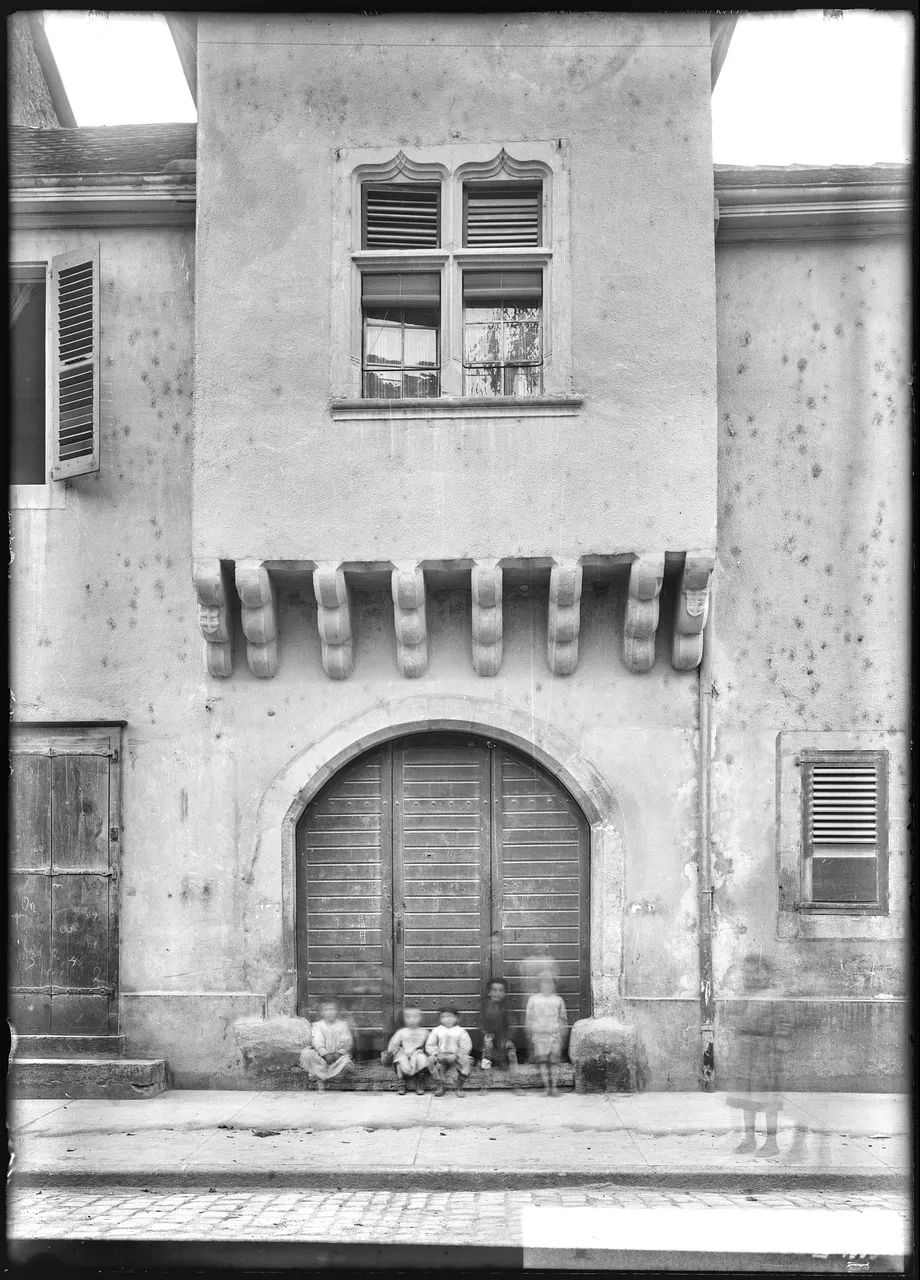
House of Allinges
Place
Inn of the Black Head

Place
Institut Le Rosey
Place
Les Uttins Estate
Place
Place De La Harpe and the Lakefront Quay
Place
Pré-De-Vers
Place
Rolle Railway Station
Place
The Crown Inn
Place
Théâtre De Rolle
Place
Tower Clock
Pick up where you left off
Saved and recently read places — kept on this device only.
Photo credits (11)
- Rolle-aerial-1 — Alexey M. — CC BY-SA 4.0 (https://creativecommons.org/licenses/by-sa/4.0/) — Source: https://commons.wikimedia.org/wiki/File:Rolle-aerial-1.jpg
- Grand Rue Rolle Schweiz — Herbert wie — CC BY-SA 4.0 (https://creativecommons.org/licenses/by-sa/4.0/) — Source: https://commons.wikimedia.org/wiki/File:Grand_Rue_Rolle_Schweiz.JPG
- Rolle, Switzerland - panoramio (1) — Ben Bender — CC BY-SA 3.0 (https://creativecommons.org/licenses/by-sa/3.0/) — Source: https://commons.wikimedia.org/wiki/File:Rolle,_Switzerland_-_panoramio_(1).jpg
- Front de Rolle face au Leman (270883242) — Stéphane Dewarrat from Morges, Switzerland — CC BY-SA 2.0 (https://creativecommons.org/licenses/by-sa/2.0/) — Source: https://commons.wikimedia.org/wiki/File:Front_de_Rolle_face_au_Leman_(270883242).jpg
- St-Prex - Gland (24.12.12) 151 (8306323375) — Alain Rouiller — CC BY-SA 2.0 (https://creativecommons.org/licenses/by-sa/2.0/) — Source: https://commons.wikimedia.org/wiki/File:St-Prex_-_Gland_(24.12.12)_151_(8306323375).jpg
- 2004-Rolle-Grande-Rue — Roland Zumbuehl — CC BY-SA 4.0 (https://creativecommons.org/licenses/by-sa/4.0/) — Source: https://commons.wikimedia.org/wiki/File:2004-Rolle-Grande-Rue.jpg
- Cisco Rolle (Switzerland) — Nicolas Nova — CC BY 2.0 (https://creativecommons.org/licenses/by/2.0/) — Source: https://commons.wikimedia.org/wiki/File:Cisco_Rolle_(Switzerland).jpg
- Promenade Rolle Schweiz — Herbert wie — CC BY-SA 4.0 (https://creativecommons.org/licenses/by-sa/4.0/) — Source: https://commons.wikimedia.org/wiki/File:Promenade_Rolle_Schweiz.JPG
- Rolle Switzerland, 2010 town — Drew Cuddy — CC BY-SA 2.0 (https://creativecommons.org/licenses/by-sa/2.0/) — Source: https://commons.wikimedia.org/wiki/File:Rolle_Switzerland,_2010_town.jpg
- Rolle (VD) — Jérémy Toma — CC BY-SA 4.0 (https://creativecommons.org/licenses/by-sa/4.0/) — Source: https://commons.wikimedia.org/wiki/File:Rolle_(VD).jpg
- Rolle Switzerland, 2010 — Drew Cuddy — CC BY-SA 2.0 (https://creativecommons.org/licenses/by-sa/2.0/) — Source: https://commons.wikimedia.org/wiki/File:Rolle_Switzerland,_2010.jpg
Photos may have been resized or cropped.