Type 2+ letters to search all countries, cities, and places
/Ctrl KEsc
travel_explore
Type 2+ letters to search all countries, cities, and places
Press Enter to open the top result
Musée Forel
Morges·Switzerland·46° N · 6° E·Updated Mar 2026
Built around 1569 as a mansion then turned into an artist couple’s home-museum, Musée Forel hides a 1670 courtyard and a room-sized 16th-century ceiling.
1-1.5 hours (about the length of one feature film)
Entry
CHF 10 adults / CHF 8 seniors / CHF 6 students; free up to 16 (adult price is about a coffee-and-pastry in town)
Access
Lift available, but the historic multi-level layout and toilets are not wheelchair accessible; strollers are discouraged
Best season
Late spring to early autumn; verify same-day opening status before going
Step into the courtyard and the sound in your ears changes first: street chatter fades, footsteps start to echo, and stone seems to hold its breath. Musée Forel in Morges, Switzerland, is worth visiting because it feels like entering a private mind rather than a neutral gallery, with art and objects still arranged in the spirit of an inhabited house. If you like museums that confess their past instead of polishing it away, this one stays with you.
The building itself is the first exhibit: a 16th-century mansion in Morges’s old town, rebuilt in phases and crowned by a 1670 courtyard gallery where column styles rise floor by floor like a vertical textbook in stone. From Morges Railway Station, the walk is about 400 meters, roughly the length of four football fields lined up end to end, and you arrive already inside the historic grain of the city.
Practical note for timing: published schedules still often show Wednesday to Sunday, 14:00-18:00, but on March 31, 2026, the museum homepage stated it was currently closed to visits during a special program period, so same-day rechecking is essential. Standard adult admission is listed at CHF 10, about the price of a simple lunch sandwich in town, with reduced and free categories depending on age and status.
Researched by the Audiala editorial team from historical records, architectural archives, and local expertise.
What to see
The Inner Courtyard Galleries
Start in the courtyard, where the light bounces off pale stone and every voice picks up a soft, theatrical echo. The galleries, associated with a 1670 phase, stage a conversation between Gothic inheritance and Renaissance order, with columns that change character as your gaze climbs. Even if exhibition rooms are inaccessible on a given day, this space alone can reset how you read old-town Morges, and it pairs naturally with a walk toward Hôtel De Ville, Morges.
The Renaissance Room
Inside, the Renaissance Room is the emotional anchor: a 16th-century coffered ceiling overhead, old stoves and fireplaces nearby, and a hush that feels residential rather than institutional. This is where the museum’s founding idea lands hardest, because objects are not only "displayed" but staged in a way that still suggests people might return to the room after dinner. You don’t just learn chronology here; you sense a household’s long argument with time.
Plan B, Done Well: Timing and Access
Before you commit your afternoon, verify same-day status directly: as of March 31, 2026, the official homepage stated the museum was currently closed to visits despite widely repeated standing hours. If it is closed, use the saved time well: walk to Château de Morges or the lakeside near Casino De Morges. The museum is about a 6-minute walk from Morges Railway Station, roughly the time it takes to drink a quick espresso standing at the bar.
Plan your visit
Getting There
From Morges Railway Station, it is about 400 meters on foot to Grand-Rue 54, roughly the length of five football pitches laid side by side, and usually around 6 minutes. By bus, get off at Casino De Morges on lines 701, 702, 704, or 706; the final walk is very short, about the time it takes to finish one song. If you drive, park near the edge of the pedestrian old town and walk in.
Opening Hours
As of 2026, published standard hours are Wednesday to Sunday, 14:00-18:00, a four-hour slot shorter than a winter afternoon. But on March 31, 2026, the official homepage states the museum is currently closed to visits for its February-March program. Treat hours as unstable and verify the same day by phone or email before you go.
Time Needed
Give yourself 20-30 minutes for a courtyard-focused stop, about the span of a long coffee break. Plan 60-90 minutes if you want the interior rooms and collections at a thoughtful pace, closer to the length of a feature film without ads. Allow extra buffer if you are pairing it with old-town sights.
Accessibility
There is a lift, but official guidance says the historic multi-level house is not suitable for wheelchairs or strollers, and toilets are flagged as not accessible. The courtyard is often described as freely accessible, so you can still get an architectural highlight even on a partial visit. Contact the museum in advance for specific mobility planning.
Cost & Tickets
As of 2026, admission is CHF 10 adults, CHF 8 seniors (AVS), CHF 6 students/apprentices, and free for children up to 16 plus AMS/ICOM members, about the price range from a sandwich to a casual lunch. Guided visits require at least 10 people and cost CHF 100 plus CHF 10 per person, which lands at CHF 200 for a 10-person group. If your party includes teens, the free-under-16 policy can change the budget fast.
Photo Gallery
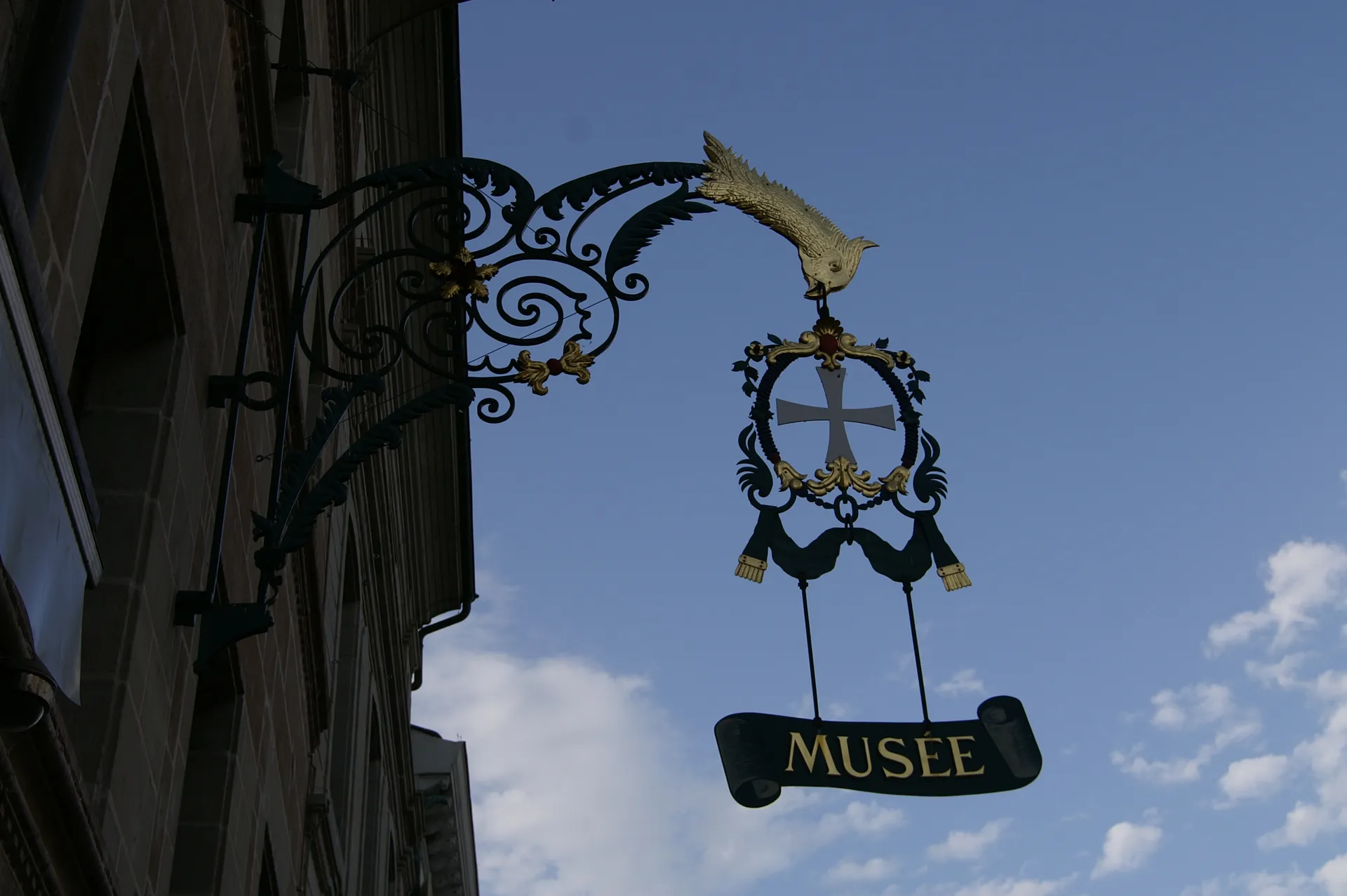
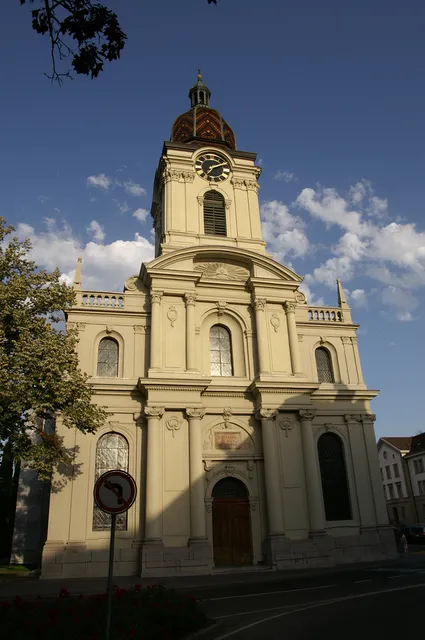
A decorative wrought-iron sign marks the entrance to the Musée Forel, a historic cultural landmark located in the charming town of Morges, Switzerland. · PymoussThe elegant stone arches and classical columns of the historic Musée Forel courtyard in Morges, Switzerland. · MuseeForelThe charming stone facade of the Musée Forel in Morges, Switzerland, stands out with its classic architectural details and vibrant exhibition signage. · MuseeForel
History
A House That Kept Its Pulse
Musée Forel is not a museum that began as a blank institution and then collected objects; it began as a house with a long civic memory, then became a vessel for local identity. Its masonry and courtyard belong to the late Gothic-to-Renaissance transition, and the place still reads like architecture thinking out loud.
In the early 20th century, local preservation energy and private artistic ambition met here. The heritage association formed in 1915, the Forel couple acquired the former dairy-linked property in 1918, and the project evolved from "Vieux-Morges" memory work into the museum that would later carry Alexis Forel’s name.
The turning point
Emmeline Forel and the Museum That Refused to Become Static
Alexis Forel and Emmeline Forel, artists shaped by Paris and travel in Brittany, imagined a museum that could live and breathe inside domestic rooms rather than behind institutional distance. When Alexis died in 1922, that vision could easily have collapsed into a memorial shell.
Emmeline did the opposite. She stayed, painted, catalogued, and kept the collections active for decades, turning grief into stewardship and making the house feel continuously inhabited by work, not nostalgia. The renaming to "Musée Alexis Forel" in 1943 honors Alexis, but the museum’s long survival has Emmeline’s fingerprints all over it.
From Laiterie Past to Cultural House
By the 1820s, the building was tied to Morges’s dairy society orbit, a reminder that civic life here was once managed through practical economies before it was framed as heritage. The 1918 purchase redirected those rooms from utility toward memory, but traces of that earlier life sharpen the museum’s atmosphere: you feel the shift from working house to collecting house, not a clean break.
The 1961 Echo: Morges and Global Conservation
Local sources connect this house to the signing context of the 1961 "Morges Manifesto," a foundational moment in the network that became WWF. Even when told cautiously, that link matters: it suggests these rooms were not only about preserving local objects but also about hosting ideas that traveled far beyond Morges, into global environmental history.
Tips for visitors
Verify Same Day
Do not rely on older listings alone: as of March 31, 2026, the homepage says currently closed while other pages still show regular hours. Call +41 21 801 26 47 or email [email protected] before walking over.
Courtyard Backup Plan
If galleries are shut, the courtyard can still reward the detour with its stacked classical orders and Renaissance-Gothic mix. Think of it as an open-air chapter of the museum, not just a waiting area.
If you are close to ten people, a guided visit can be worth organizing because the base fee spreads better as numbers rise. Families with younger children should factor in the free-under-16 rule before deciding between self-guided and guided formats.
Stroller Alternative
Because the house is explicitly not stroller-friendly, switch to a baby carrier if your group includes infants. It is the difference between constantly rerouting and actually enjoying the rooms.
Use Afternoon Light
When open, the 14:00-18:00 window means your best architectural light is often mid-to-late afternoon, when stone textures in the courtyard read clearly. Arrive earlier in that window if you want both interiors and a slower look at details.
Where to Eat
local_dining
Don't Leave Without Trying
Filets de perches (Lake Geneva perch)MalakoffsPapet vaudois with cabbage sausageFondue (including four-cheese styles)Vaudois saucisson with gratinRegional terrines, cheeses, and charcuterieSceau’tisesArtisanal chocolates and pastries
Pepper Jack
quick bite
Gourmet burgers (takeaway-friendly)€€star4.6(1116)directions_walkabout 4 min walk
Order: Order the burger du moment or the Burger Everest; the mini burgers are a smart pick if you want to sample more than one style.
This is the dependable quick stop near Musée Forel when you want a real burger fast. The kitchen emphasizes fresh local Vaud ingredients and keeps quality consistent.
Tea-room, pastry, and chocolate cafe€€star4.3(607)directions_walkabout 1 min walk
Order: Go straight for the Sceau’tises, then add artisanal chocolates or a seasonal pastry from the counter.
It is essentially next door to the museum, so it is the easiest high-quality sweet stop in town. A long-running Morges institution with strong local identity.
checkMorges market is right on pedestrian Grand-Rue by the museum: Wednesday 08:30-13:00 and Saturday 08:30-14:00.
checkIf you are in town on May 3, 2026, check the Tulip Craft Market for local produce and crafts.
checkIf you are in town on September 26, 2026, the Big Autumn Market in the old town is a strong regional-food stop.
checkFor classic Morges flavors, prioritize Lake Geneva perch, malakoffs, papet vaudois, fondue, and regional charcuterie.
checkPair dinner with local La Côte AOC wine, especially Chasselas.
checkPepper Jack had conflicting signals in recent web sources (active official menu vs older temporary-closure banner), so verify same day before committing.
Food districts:Grand-Rue pedestrian old town around Musée Alexis ForelLake Geneva promenade and Place du Casino
Restaurant data powered by Google
Frequently asked
Is Musée Forel worth visiting?
Yes, especially if you like museums that still feel lived in. The house is a 16th-century mansion with a 1670 courtyard, so you move through stone, wood, and light rather than neutral gallery walls. It is a quieter counterpoint to the military weight of Château de Morges, with more domestic intimacy.
How long do you need at Musée Forel?
Plan for 60 to 90 minutes. That is roughly one feature film plus trailers, enough time for the Renaissance Room, courtyard, and temporary displays without rushing. Pairing it with old-town stops can easily stretch your visit to a half-day.
Is Musée Forel open every day?
No, you should not assume daily opening. The standing schedule is Wednesday to Sunday, 14:00 to 18:00, a four-hour window about as long as two long cafe chats back-to-back. On March 31, 2026, the official homepage stated the museum was temporarily closed for a program, so verify the same day.
How much does Musée Forel cost?
Adult entry is CHF 10. Seniors (AVS) are CHF 8, students/apprentices CHF 6, and children up to 16 are free, with adult pricing around the cost of a Swiss coffee-and-pastry stop. Guided visits are listed for groups of at least 10 at CHF 100 plus CHF 10 per person.
Is Musée Forel wheelchair accessible?
No, not fully. A lift exists, but official information says the historic multi-level layout is not suitable for wheelchairs or strollers, and tourism listings also flag non-accessible toilets. Contact the museum in advance for the most realistic access plan.
How do you get to Musée Forel from Morges Railway Station?
Walk from Morges Railway Station in about 6 minutes. The distance is around 400 meters, roughly the length of four football pitches end to end. The nearest bus stop is Morges, Casino, useful if weather turns.
What is special about the courtyard at Musée Forel?
Its courtyard is the building’s best-kept architectural confession. Sources describe stacked classical orders rising from Tuscan through Doric and Ionic to a Corinthian-like top level, like watching a stone grammar lesson climb floor by floor. Dating to 1670, it is older than the modern Swiss federal state by nearly two centuries.
Sources & attribution14
Researched and written by the Audiala editorial team from historical records, architectural archives, and local expertise. Last updated March 2026.
S1 — Musée Alexis Forel official history page — Core institutional history: Forel couple, 1918 purchase, 1922 transition to Emmeline, 1943 renaming, building features including the Renaissance Room.
S2 — Musée Forel practical information page — Address, phone, email, standard opening hours, admission pricing, guided-visit conditions, transport notes, and accessibility caveats.
S3 — Musée Forel collections/association page — Collection scope and local heritage-association context, including references tied to icons donation notes.
S4 — Musée Forel homepage (official status notice) — Current-status warning used in this brief: temporary closure notice visible on March 31, 2026.
S5 — Musée Forel program/events page (2026) — Event calendar references for Feb-March readings, Sept heritage days, and Nov print event.
S6 — Official museum listing/profile source — Supporting confirmation for contact details, standing schedule, and institutional profile language.
S7 — Ville de Morges municipal heritage brief — Building chronology details (c.1569, 1670 galleries, restoration period) and contextual municipal history.
S9 — Vaud tourism listing — Additional visitor logistics and accessibility flags, including wheelchair/toilet limitations and courtyard mention.
S10 — Swiss museum network/profile source — Institutional context, admissions, and role as an active house-museum with contemporary programming.
S11 — Tourism/distribution source on icon display history — Secondary confirmation for Russian icon display timeline references used with caution.
S12 — WWF historical reference (Morges Manifesto context) — Primary date confirmation for the 1961 manifesto context linked locally to the museum house.
S13 — Additional multilingual tourism mirror source — Supplementary multilingual tourism copy consulted in language sweep; largely repetitive/legacy wording.
S14 — Mid-2000s restoration reference source — Support for restoration/expansion timing in 2005-2006/2003-2006 with noted phase differences across sources.
Strictly necessary cookies keep the site working. Analytics (PostHog, Google Analytics) measures how each visitor uses our pages. Marketing loads YouTube videos and walking-route maps without a tap and lets Google Analytics set advertising cookies. We never sell your data. You can change this any time from the footer.
Privacy
Cookie preferences
Pick what you're okay with. You can change this any time from the footer.
Strictly necessary
Always on
Sign-in, language, navigation. Always on.
Product analytics
PostHog (EU) and Google Analytics record which pages you view and how you use them, under a random identifier stored in your browser. Helps us see which pages work and which need fixing. Google's ad personalisation stays off. No selling.
Marketing
Loads YouTube videos and the walking-route maps (OpenFreeMap) without a tap; without it, they load only when you tap them. If analytics is also on, Google Analytics may set advertising cookies. Ad personalisation stays off.