

Place
Morges
Switzerland Updated Mar 2026
The World Wildlife Fund was born not in some vast wilderness but in a quiet lakeside town in Switzerland — Morges, population 16,000, where delegates signed the founding Morges Manifesto in 1961 at a table probably within earshot of clinking wineglasses. This is a place that collects unlikely distinctions the way other towns collect parking meters: Switzerland's first certified Slow Destination, Canton Vaud's top wine-producing municipality, and former home to both Igor Stravinsky and a Polish prime minister who happened to be one of the greatest pianists who ever lived.
 Photo: Theonly1 at de.wikipedia · CC BY-SA 3.0
- Attractions
- 8
- Audio
- 1 h 50 min
- Trip length
- 1–2 days
- Best season
- Spring (April–May)
Why Morges
Built from cited sources · see the method · How we make our guides →
Morges sits on the northern shore of Lake Geneva, fifteen kilometers west of Lausanne, where the light off the water on a clear morning can make the distant silhouette of Mont Blanc look like something you invented. Two parallel avenues — Grand-Rue and Rue Louis-de-Savoie — run the length of the medieval core, cross-cut by narrow lanes that drop toward the port. On Wednesday and Saturday mornings, the market takes over, and the smell of raclette and fresh bread wins a territorial argument with the lake breeze.
The cultural density here is almost absurd for a town this size. Stravinsky composed parts of L'Histoire du soldat and Pulcinella during his five years in Morges. Paderewski — concert pianist, composer, and briefly Prime Minister of Poland — lived here for over four decades, and an entire museum inside the 1286 castle is devoted to his scores and diplomatic papers. Audrey Hepburn spent her final quarter-century just next door in Tolochenaz. None of them chose Morges by accident; the town has a particular talent for offering calm without emptiness.
What holds it all together is the lake. The Parc de l'Indépendance runs along the water beside the castle, its eighteenth-century chestnut trees framing a spring tulip festival and a late-summer dahlia show that locals treat with genuine seriousness. The surrounding La Côte wine region produces whites — Chasselas above all — that rarely travel far from where they're grown, which is either a marketing failure or the best possible reason to drink them here.
Switzerland's First Slow Destination
Morges earned certification as Switzerland's first "Slow Destination" — not a marketing gimmick but a genuine philosophy woven into the town's pace. Wednesday and Saturday markets on Grand-Rue still set the weekly rhythm, and nobody here is in a hurry to change that.Where Composers Found Quiet
Stravinsky composed here from 1915 to 1920, Paderewski lived here for over four decades, and Audrey Hepburn settled just next door in Tolochenaz. Something about this stretch of Lake Geneva draws people who need beauty without distraction.A Town That Blooms Twice
The Tulip Festival carpets Parc de l'Indépendance in spring with over 100,000 bulbs, then dahlias take the relay from summer into autumn. Framed by 18th-century chestnuts and a clear sightline to Mont Blanc, the timing alone is worth planning a trip around.Heart of La Côte Wine Country
Morges is the leading wine-producing commune in Canton Vaud, surrounded by the terraced vineyards of the La Côte AOC. Chasselas whites dominate — dry, mineral, and best drunk within sight of the lake that shaped them.
Places to Visit
Not every monument, just the ones we'd walk you past ourselves.
-
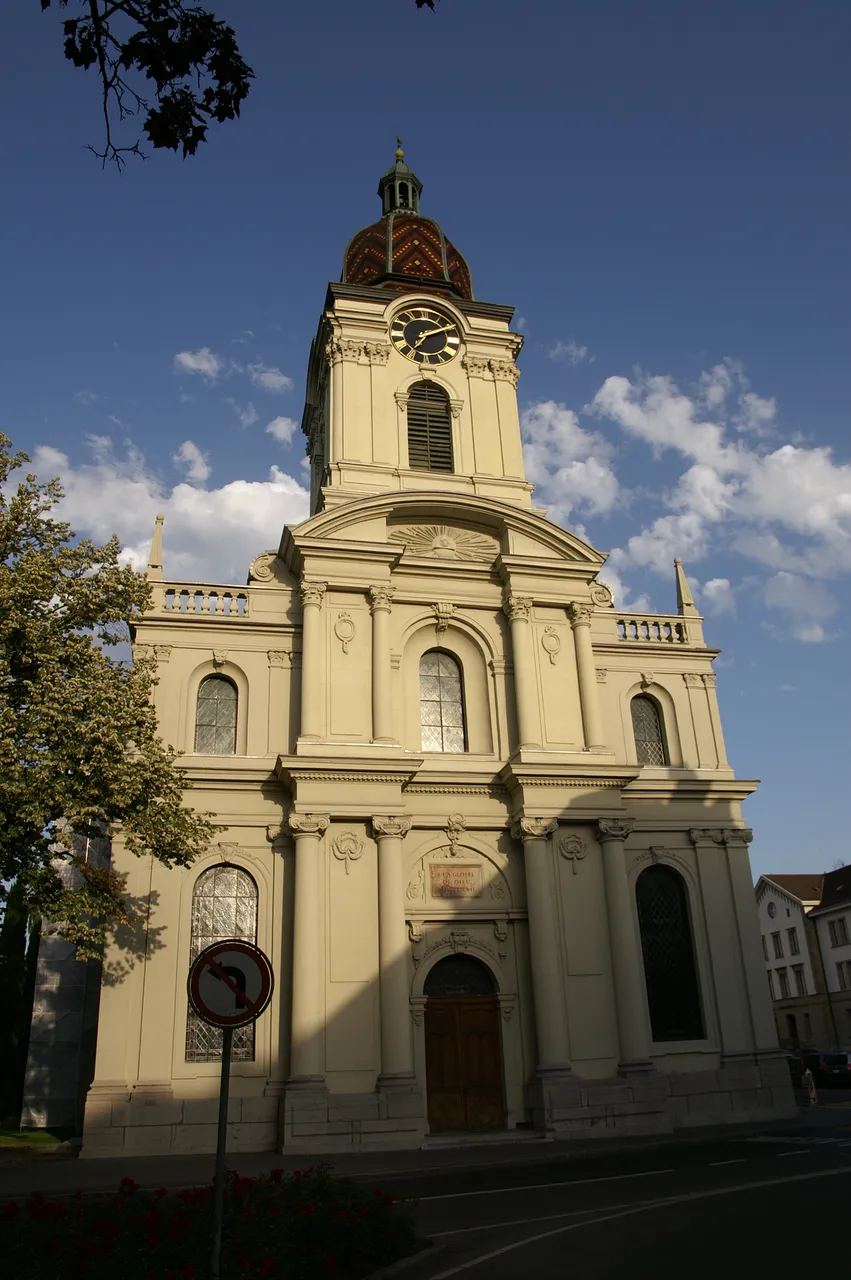
Temple De Morges Morges' most grandiose Reformed temple hides a local twist: the famous front facade is rarely the entry. Go for the baroque interior and 2022 Ahrend organ.
-
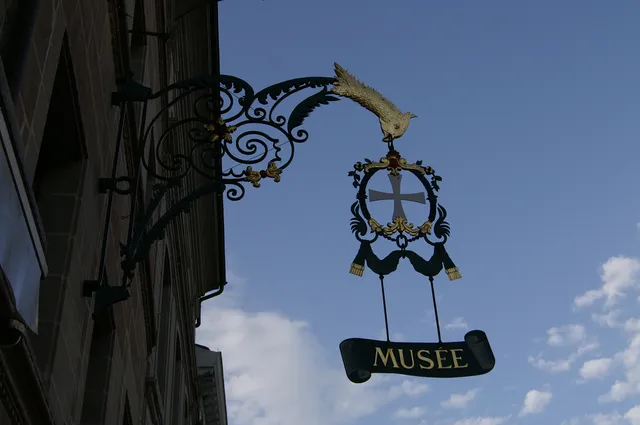
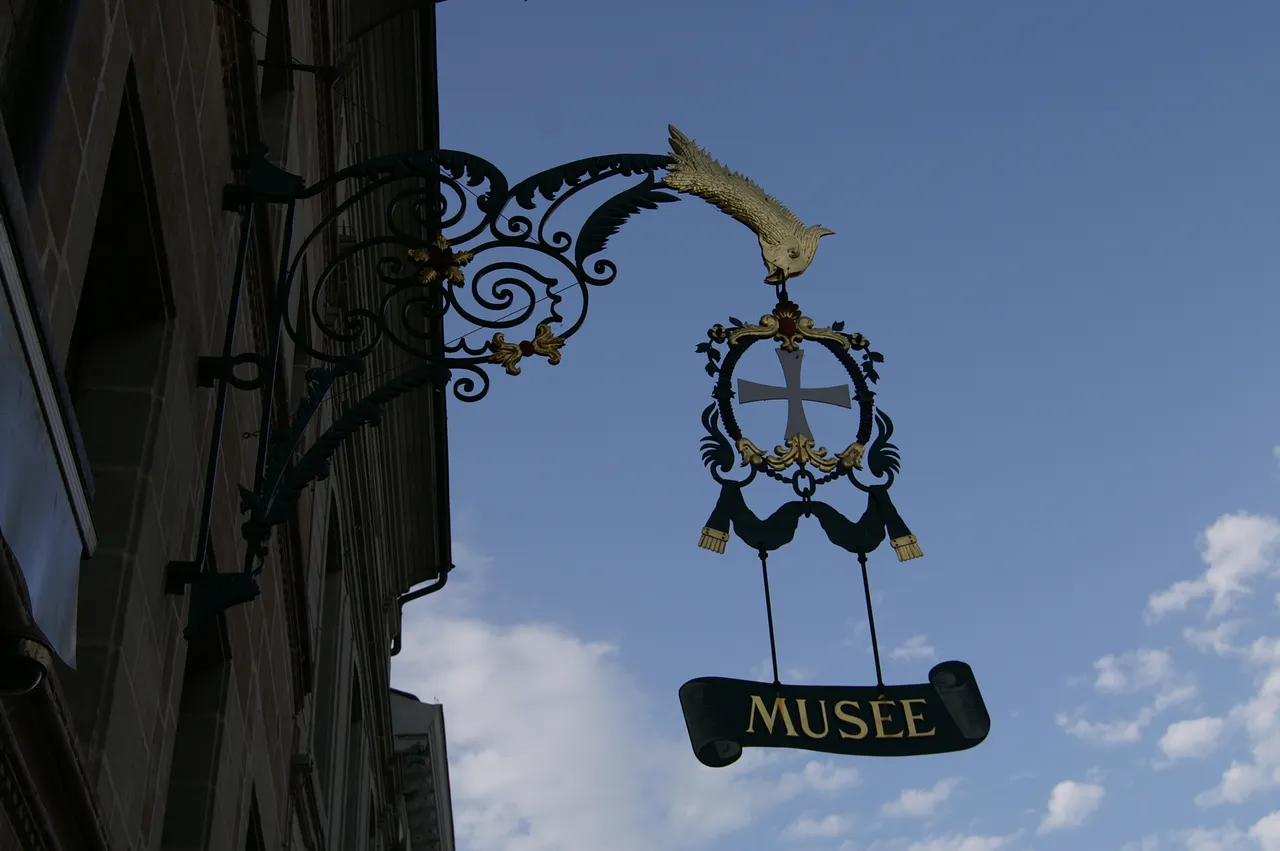
Musée Forel Built around 1569 as a mansion then turned into an artist couple’s home-museum, Musée Forel hides a 1670 courtyard and a room-sized 16th-century ceiling.
-
Théâtre De Beausobre (Morges, Switzerland) Built for a school aula, Beausobre now holds 850 seats, roughly a small-village crowd, in an arena-like room where orange rows crackle at showtime.

-
Maison Blanchenay In 1961 this Renaissance courtyard hosted the WWF founding manifesto. Today it's Musée Alexis Forel — intimate, event-rich, and full of old Morges character.
-
"La Grande Cité" A UNESCO Bronze Age settlement lies hidden beneath postcard quays; stroll the flower-lined promenade knowing the real landmark is underwater and unseen.

- Morges Castle Founded in 1285 to control Lake Geneva's trade routes, Morges Castle birthed an entire town — and still houses one of Switzerland's finest military museums.
- Musée Du Château De Morges A 13th-century Savoyard fortress housing one of Switzerland's largest toy soldier collections, a WWII general's museum, and 120,000 tulips in bloom next door each spring.
- Hôtel De Ville, Morges Built around 1682 under Bernese rule, Morges's town hall has served five political regimes and still hosts the weekly market. Free to visit, best in September.
- Ancienne Auberge De La Croix-Blanche, Morges A former White Cross inn whose walls absorbed 500 years of lake-road traffic — Bernese rule, French invasion, railway decline. Free exterior visit on Morges' Grand-Rue.
Neighborhoods
Where to wander, by quarter — each with its own rhythm.
Vieille Ville (Old Town)
The medieval heart of Morges, organized along the pedestrianized Grand-Rue with its 15th- to 17th-century facades, artisan bakeries, and the Musée Alexis Forel tucked inside a medieval townhouse. The Reformed Temple, completed in 1776, is a restrained masterpiece of French classicism — no gilt, no drama, just proportion doing all the work. Wednesday and Saturday markets transform the street into a bustling open-air grocery.Le Port & Lakefront
The harbor area where Morges meets Lake Geneva. Sailboats bob at their moorings, the CGN steamers connect to Évian and Lausanne, and a waterfront promenade leads east toward the Parc de l'Indépendance. This is where locals come to sit on a bench and do very little, which — in a certified Slow Destination — qualifies as a civic duty.Quartier du Château
The castle district anchored by the imposing 1286 fortress of Louis of Savoy, which now contains five museums under one roof — from military history to Paderewski's personal effects. The surrounding parkland along the lake hosts the tulip and dahlia festivals, and the chestnut-shaded paths offer the best unobstructed views of the Alps across the water.La Côte Vineyard Slopes
Step north from the town center and the terrain rises into the vineyard-covered hillsides of the La Côte AOC, Vaud's largest wine region. Chasselas grapes dominate — producing dry, mineral whites that taste like the limestone they grow in. Small domaines offer tastings, and the walking paths between vine rows give you Morges from above, framed by the lake below and the Jura ridge behind.
Plan your trip
Before you go
- Getting There
- Geneva Airport (GVA) is the nearest international hub, 40 minutes by direct train. Morges sits on the main SBB rail line between Geneva and Lausanne, with multiple trains per hour in both directions — the station is a 5-minute walk from the lake. By car, take the A1 motorway exit "Morges" from either direction.
- Getting Around
- The old town is compact and entirely walkable in 15 minutes end to end. MBC (Morges-Bière-Cossonay) buses connect to surrounding villages and vineyards. CGN lake boats run seasonal routes to Lausanne, Geneva, and Évian (France) — the boat landing is steps from the castle. A Swiss Travel Pass covers trains, buses, and boats.
- Climate & Best Time
- Lake Geneva moderates temperatures: summers average 18–26°C, winters hover around 0–5°C with occasional fog. The sweet spot is mid-April to mid-June, when tulips peak and vineyards green up, or September for dahlias and harvest season. July–August are warmest but busier; winter is quiet and grey but atmospheric for castle visits.
- Language & Currency
- French is the local language — Morges sits firmly in Suisse Romande, not the German-speaking part. English is widely understood in shops and restaurants. Currency is the Swiss franc (CHF); euros are sometimes accepted but change comes back in francs.
Who lived here
-
Composer · 1882–1971
Igor Stravinsky
Lived here 1915–1920
Stravinsky settled in Morges during World War I, composing 'L'Histoire du soldat' and 'Les Noces' in this lakeside town while Paris was out of reach. The quiet rhythms of a small Swiss town shaped some of his most inventive chamber works — a long way from the riot at the Rite of Spring premiere just two years earlier.
-
Pianist and statesman · 1860–1941
Ignacy Jan Paderewski
Lived here 1897–1940
Paderewski was the most famous pianist alive when he made Morges his home for over four decades. He also served as Prime Minister of Poland in 1919, conducting diplomacy from his Lake Geneva estate between concert tours. The castle's Musée Paderewski preserves his scores, personal effects, and the strange double life of an artist who helped redraw the map of Europe.
-
Actress and humanitarian · 1929–1993
Audrey Hepburn
Lived in nearby Tolochenaz 1963–1993
Hepburn chose the village of Tolochenaz, just 2 km from Morges, as her refuge from Hollywood for the last three decades of her life. She gardened, walked her dogs along the lake, and ran UNICEF missions from this quiet corner of Vaud. Her grave in the village cemetery remains one of the most visited spots in the region.
Where to Eat
Where locals actually book dinner — not the tourist menus.
Insider tips
Small things that change how the city treats you.
Market Morning Ritual
Wednesday and Saturday mornings bring Morges's beloved open-air market to life along Grand-Rue. Arrive before 10am for the best selection of local Vaud cheeses and La Côte wines.Skip the Car
Morges is 15 minutes from Lausanne by train with frequent S-Bahn connections. The station is a short walk from the old town and lakefront — parking is tight and unnecessary.Time Your Tulips
The Tulip Festival in Parc de l'Indépendance runs mid-March to mid-May, peaking in April. The Dahlia Festival follows from July through October — both are free.Taste La Côte Wines
Morges is the leading wine-producing municipality in Canton Vaud. Ask for Chasselas — the white grape that defines the La Côte AOC — at any local restaurant or cave.One Castle, Five Museums
A single ticket to Château de Morges covers all five museums inside, from military history to the Paderewski collection. Budget at least 90 minutes to do it justice.Embrace the Slow
Morges is Switzerland's first certified Slow Destination. The town is designed for walking and lingering — resist the urge to rush through on a day trip from Lausanne.
Gallery
The city, as it actually looks.


Watch
Frequently asked
Is Morges worth visiting?
Yes — especially if you want a Lake Geneva town without Montreux's crowds. Morges packs a 13th-century castle with five museums, a lakefront park famous for its tulip and dahlia festivals, and Switzerland's richest wine commune into a walkable old town. It's also where the WWF was founded in 1961, and where Stravinsky and Paderewski once lived.
How many days do you need in Morges?
One full day covers the castle museums, old town, and lakefront comfortably. Two days let you add a wine tasting in the La Côte vineyards and a leisurely market morning. If you're visiting during the Tulip Festival, a day trip from Lausanne works perfectly.
How to get from Lausanne to Morges?
Take the S-Bahn train from Lausanne station — it's a 12–15 minute ride with departures every 15–20 minutes. The Morges train station is a five-minute walk from the castle and lakefront. You can also take the CGN boat across Lake Geneva for a scenic but slower approach.
When is the Morges Tulip Festival?
The festival runs from mid-March to mid-May in the Parc de l'Indépendance, right next to the castle. Peak bloom is typically in April, though exact timing varies with the weather. Admission to the park is free year-round.
What is there to do in Morges with kids?
The Musée Alexis Forel has over 150 antique dolls, old games, and miniature fantasy worlds that captivate children. The castle museums appeal to kids who like soldiers and figurines, and the lakefront park is ideal for running around between stops. The town's flat, walkable layout makes it easy with a stroller.
Did Audrey Hepburn live in Morges?
Not quite in Morges itself — Hepburn lived in nearby Tolochenaz from 1963 until her death in 1993. It's about 2 km from Morges center. Her grave in Tolochenaz's village cemetery is a quiet pilgrimage site, and there's a small garden dedicated to her memory.
All Places to Visit.
13 places to discover
Place
Temple De Morges
Place
Musée Du Château De Morges
Place
Musée Forel

Place
Théâtre De Beausobre (Morges, Switzerland)
Place
Hôtel De Ville, Morges
Place
Maison Blanchenay

Place
"La Grande Cité"
Place
Ancienne Auberge De La Croix-Blanche, Morges

Place
Casino De Morges
Place
Maison Linder
Place
Morges Prehistoric Pile Dwellings
Place
Paderewski Museum
Pick up where you left off
Saved and recently read places — kept on this device only.
Photo credits (13)
- Morges Lakefront — Theonly1 at de.wikipedia — CC BY-SA 3.0 (https://creativecommons.org/licenses/by-sa/3.0/) — Source: https://commons.wikimedia.org/wiki/File:Morges_Lakefront.jpg
- Cyclamen album, Morges - img 23638 — Pmau — CC BY-SA 4.0 (https://creativecommons.org/licenses/by-sa/4.0/) — Source: https://commons.wikimedia.org/wiki/File:Cyclamen_album,_Morges_-_img_23638.jpg
- 2011-11-17 13-35-51 Switzerland Canton de Vaud Morges St-Jean — Hansueli Krapf This file was uploaded with Commonist. — CC BY-SA 3.0 (https://creativecommons.org/licenses/by-sa/3.0/) — Source: https://commons.wikimedia.org/wiki/File:2011-11-17_13-35-51_Switzerland_Canton_de_Vaud_Morges_St-Jean.jpg
- 1 morges aout 22 (1) — Blackberrijack — CC BY-SA 4.0 (https://creativecommons.org/licenses/by-sa/4.0/) — Source: https://commons.wikimedia.org/wiki/File:1_morges_aout_22_(1).jpg
- Morges, Switzerland - panoramio (80) — Foto Fitti — CC BY-SA 3.0 (https://creativecommons.org/licenses/by-sa/3.0/) — Source: https://commons.wikimedia.org/wiki/File:Morges,_Switzerland_-_panoramio_(80).jpg
- Bord du Lac Léman à Morges — Margot Steiner — CC BY-SA 4.0 (https://creativecommons.org/licenses/by-sa/4.0/) — Source: https://commons.wikimedia.org/wiki/File:Bord_du_Lac_Léman_à_Morges.jpg
- 1 morges aout 22 (2) — Blackberrijack — CC BY-SA 4.0 (https://creativecommons.org/licenses/by-sa/4.0/) — Source: https://commons.wikimedia.org/wiki/File:1_morges_aout_22_(2).jpg
- Cyclamen album, Morges - img 23637 — Pmau — CC BY-SA 4.0 (https://creativecommons.org/licenses/by-sa/4.0/) — Source: https://commons.wikimedia.org/wiki/File:Cyclamen_album,_Morges_-_img_23637.jpg
- Morges, Switzerland - panoramio (3) — Foto Fitti — CC BY-SA 3.0 (https://creativecommons.org/licenses/by-sa/3.0/) — Source: https://commons.wikimedia.org/wiki/File:Morges,_Switzerland_-_panoramio_(3).jpg
- Morges, Switzerland - panoramio (60) — Foto Fitti — CC BY-SA 3.0 (https://creativecommons.org/licenses/by-sa/3.0/) — Source: https://commons.wikimedia.org/wiki/File:Morges,_Switzerland_-_panoramio_(60).jpg
- Morges, Switzerland - panoramio (1) — Foto Fitti — CC BY-SA 3.0 (https://creativecommons.org/licenses/by-sa/3.0/) — Source: https://commons.wikimedia.org/wiki/File:Morges,_Switzerland_-_panoramio_(1).jpg
- Morges, Switzerland - panoramio (41) — Foto Fitti — CC BY-SA 3.0 (https://creativecommons.org/licenses/by-sa/3.0/) — Source: https://commons.wikimedia.org/wiki/File:Morges,_Switzerland_-_panoramio_(41).jpg
- Morges, Switzerland - panoramio (6) — Foto Fitti — CC BY-SA 3.0 (https://creativecommons.org/licenses/by-sa/3.0/) — Source: https://commons.wikimedia.org/wiki/File:Morges,_Switzerland_-_panoramio_(6).jpg
Photos may have been resized or cropped.