Early Origins and Strategic Importance
La Bâtiaz Castle’s origins trace back to the 11th century, with archaeological evidence revealing early fortifications beneath the main tower (batiaz.ch). Its commanding location atop a rocky spur was chosen for strategic dominance over the Rhône plain and control of the routes to the Val d’Entremont and the Grand-Saint-Bernard Pass. The first substantial fortress was constructed under Landrit de Mont, Bishop of Sion, to secure ecclesiastical holdings against the encroaching House of Savoy (swisscastles.ch).
The castle soon became a focal point of regional power struggles, notably between the Bishopric of Sion and the House of Savoy, who sought to control this vital Alpine passageway (Wikipedia).
Architectural Highlights and Unique Features
La Bâtiaz Castle is a prime example of medieval military architecture, adapted ingeniously to the rugged terrain. Key architectural elements include:
- Central Tower (Donjon) Erected between 1260 and 1268 under Count Pierre II of Savoy, this imposing structure remains the castle’s most prominent feature and offers panoramic views over Martigny and the Alps (batiaz.ch).
- Curtain Walls and Ditches Defensive walls and deep ditches provided robust protection, with access only via a steep, controlled approach.
- Garderobes (Medieval Toilets) The castle’s unique garderobes were crucial in identifying architectural links with castles in Wales, confirming the involvement of Savoyard architect James of Saint George (Wikipedia).
- Reconstructed Rooms Visitors can tour medieval rooms such as the Caldarium (hot room), Espace Saint Michel, and a Roman cellar (Martigny Tourism).
The castle’s preservation and partial restoration since 1980 have ensured its continued accessibility and educational value (Wikipedia).
Political History and Restoration
Throughout its existence, La Bâtiaz was frequently contested. After initial construction by the Bishops of Sion, it was besieged and captured by Pierre II of Savoy in 1259, leading to significant enhancements during his rule. The castle returned to the bishops after Pierre II’s death, who further fortified it and developed Martigny-Bourg to protect the populace.
The late 15th and early 16th centuries saw repeated destruction. The castle was burned during the Burgundian Wars and again in 1518 during local power struggles, after which it ceased to serve as a military fortress (swisscastles.ch). Restoration began in the 20th century, preserving the ruins and making them accessible to the public.
Visiting La Bâtiaz Castle: Hours, Tickets & Facilities
Opening Hours
- High Season (April–October) Open daily, 9:00 AM – 6:00 PM
- Low Season (November–March) Open weekends and public holidays, 10:00 AM – 4:00 PM
Check the latest updates and holiday schedules on the official website or Martigny Tourism.
Tickets
- Adults: CHF 8
- Seniors (65+): CHF 6
- Children (6–16): CHF 4
- Children under 6: Free
Tickets can be purchased on-site or online. Some special events and guided tours may require separate booking and fees.
Facilities
- Restrooms and a small gift shop are available.
- The medieval tavern, “À la Part des Anges,” serves food inspired by historical recipes, open Wednesday–Sunday (11:00–20:00, Sundays until 18:00) (Château de la Bâtiaz Official Site).
- Picnic areas are nearby; full restaurant services are located in Martigny’s center.
Events, Activities & Educational Experiences
La Bâtiaz Castle offers a rich calendar of cultural and educational events:
- Guided Tours Regularly scheduled, especially from June to September. Reservations recommended (Martigny Tourism).
- Medieval Festivals & Reenactments Themed days with live demonstrations, crafts, and historical combat.
- Medieval Siege Machines Six authentic replicas—such as trebuchets and mangonels—are on display, with demonstrations during special events (Wikipedia).
- Escape Game “La Quête du Graal” Launching in June 2025, offering interactive adventures for families and groups.
- Murder Mystery Evenings, Astronomy Nights, Board Game Days, and Art Exhibitions These seasonal activities enhance the visitor experience (Château de la Bâtiaz Events).
Educational programs and workshops are tailored for children and school groups, making the castle an engaging destination for families.
Accessibility and Travel Tips
Getting There
- By Train Martigny is well connected by Swiss Federal Railways (SBB). The castle is a 15–20 minute uphill walk from the main station. SBB timetable
- By Car Accessible via the A9 motorway. Public parking is available in Martigny’s center.
- On Foot or Shuttle During peak season, a free Baladeur shuttle operates. Taxis are also available.
Accessibility
Due to its hillside location and medieval structure, access can be challenging for visitors with reduced mobility. The main courtyard and tavern are relatively accessible, but the tower and upper levels require climbing stairs. Contact Martigny Tourism for specific assistance.
Visitor Guidelines
- Sturdy footwear is advised due to uneven terrain.
- Pets (except service animals) are not permitted.
- Photography is allowed; drones and professional equipment may be restricted.
Nearby Attractions and Suggested Itineraries
Martigny offers a wealth of historical and cultural sites within easy reach of La Bâtiaz Castle:
- Fondation Pierre Gianadda Art and automobile museum (Trek Zone)
- Roman Amphitheatre A well-preserved relic of Martigny’s Roman heritage (Lonely Planet)
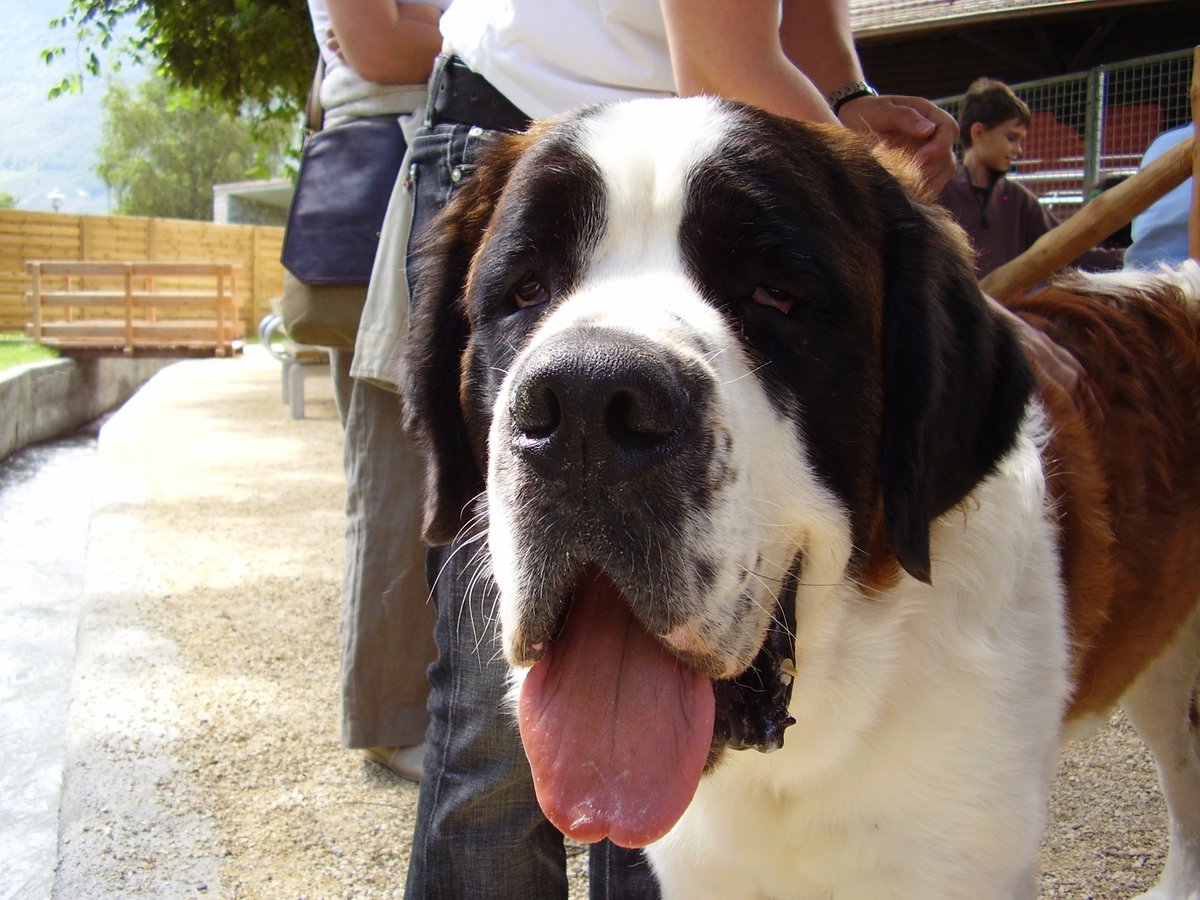
- Musée et Chiens du Saint-Bernard Dedicated to the famous St. Bernard dogs
- Historic Districts of La Bâtiaz and Vieux-Bourg Explore Martigny’s medieval and Roman roots (MySwitzerland)
Martigny also serves as a hub for excursions to Chamonix, Verbier, and the Great St. Bernard Pass (SwissActivities).
Practical Travel Recommendations
- Allocate 2–3 hours for your castle visit, including travel time.
- Book tickets and tours in advance, especially during peak periods.
- Dress appropriately for weather and bring water, especially in summer.
- Combine your visit with Martigny’s museums, Roman sites, and local dining for a full-day experience (Wanderlog).
Frequently Asked Questions (FAQ)
Q: What are the opening hours of La Bâtiaz Castle?
A: High season: daily 9:00–18:00; low season: weekends/public holidays 10:00–16:00. Check the official site for updates.
Q: Is there an entrance fee?
A: Yes, CHF 8 for adults, CHF 6 for seniors, CHF 4 for children (6–16), free for children under 6.
Q: Are guided tours available?
A: Yes, especially on Sundays from June to September. Advance reservation is recommended (Martigny Tourism).
Q: Is the castle accessible for wheelchair users?
A: The main courtyard is accessible, but the tower and upper areas are not. Contact the site for specific accommodations.
Q: Can I bring my dog?
A: Only service animals are permitted.
Q: Are tours available in English?
A: Standard tours are in French. English materials or private tours may be available by request.