

Early History and Geographic Context
Lago di Livigno sits in the remote Livigno Valley, historically isolated between the Swiss Engadin and Italy’s Valtellina. The valley's early inhabitants were shepherds, and its rugged terrain fostered a culture of self-reliance and, at times, smuggling. The region is noted for its "contrabandéir" (smugglers), who traded goods like sugar, coffee, and tobacco across the alpine passes (Wikipedia: Livigno; Livigno.eu: Historical Background).
The Creation of Lago di Livigno
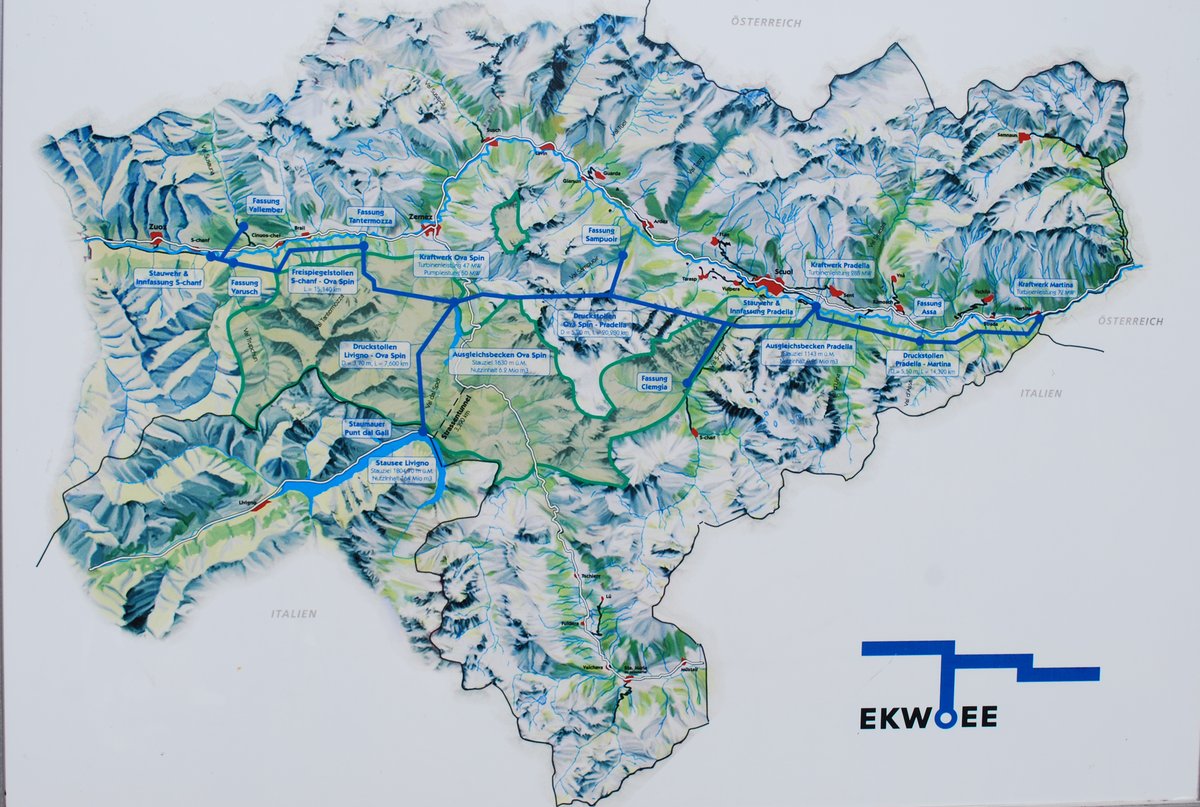
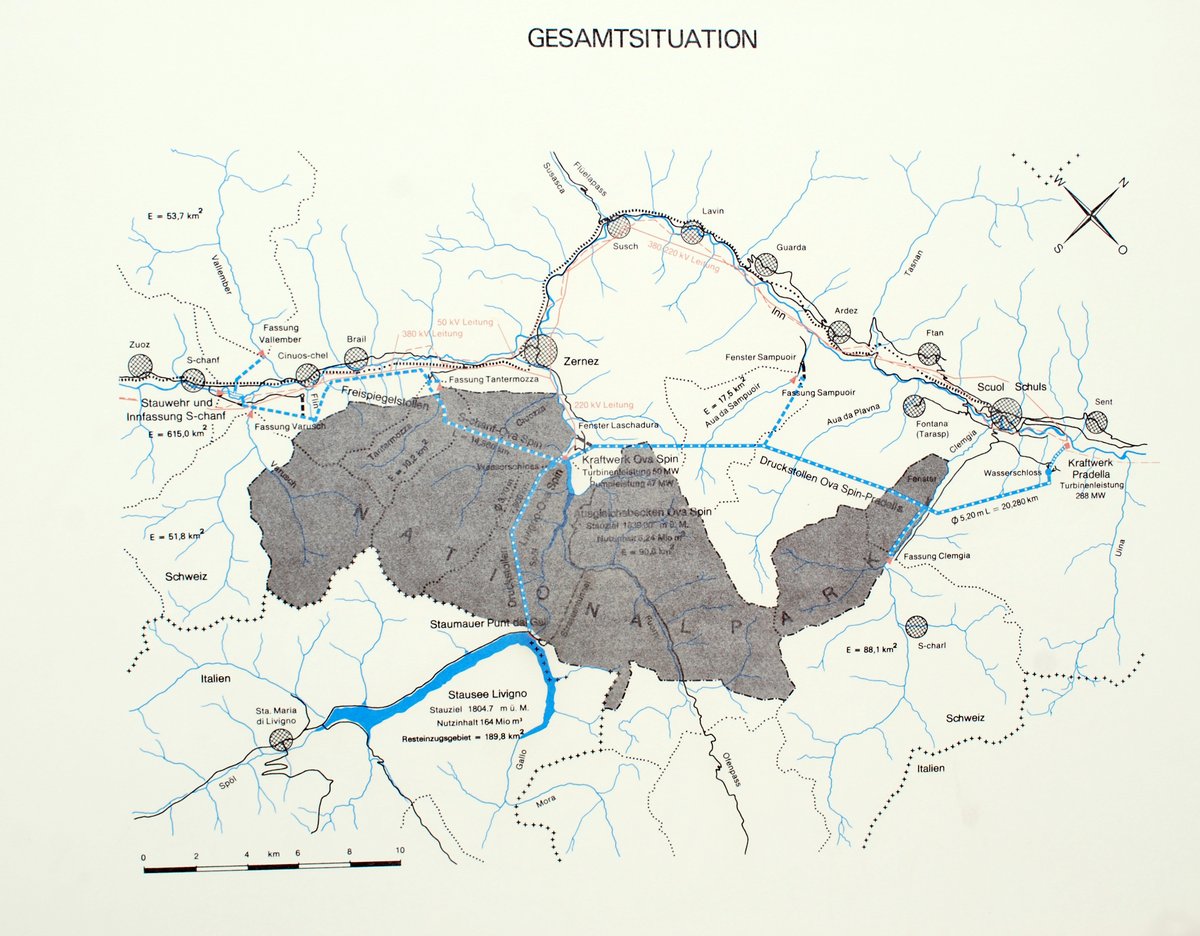
From 1965 to 1968, a Swiss-Italian collaboration led to the construction of the Punt dal Gall dam, flooding the valley floor to create the reservoir known as Lago di Livigno. This engineering feat submerged local buildings, including the “Chiesetta di Viera” church, but transformed the valley’s accessibility and economy, providing hydroelectric power and spurring infrastructure improvements (Wikipedia: Livigno; Travelblogger.ch; Swiss Dams).
Strategic and Economic Significance
Livigno’s location, once a barrier, became an asset with the construction of the Munt La Schera Tunnel, facilitating year-round access from Switzerland and stimulating tourism and commerce. The valley’s historic duty-free status, granted in the early 19th century, continues to make Livigno a magnet for shoppers and travelers (Wikipedia: Livigno; Livigno.eu: Historical Background).
Cultural and Social Impact
The creation of the lake required the relocation of families and the loss of heritage sites, but also brought economic growth and a rising population. Livigno’s culture remains distinct, blending Italian and Swiss traditions. The MUS! Museum of Livigno and Trepalle explores the valley’s past, from its traditions to its transformation post-dam (Livigno.eu: Historical Background).
Lago di Livigno and the Grisons
From the perspective of Switzerland’s Grisons canton, Lago di Livigno is one of several artificial lakes supporting hydroelectric power needs. Its cross-border status and size make it unique. The lake is fed by the Spöl river and is notable for draining into the Black Sea basin (Wikipedia: Grisons; Swiss Dams).
Modern Developments and Tourism
Since the 1970s, Lago di Livigno has become a major all-season tourist hub. Summer brings hiking, mountain biking, water sports, and festivals; winter offers skiing, snowboarding, and wellness experiences. The town’s duty-free status attracts shoppers seeking bargains on fuel, alcohol, and luxury goods. Livigno’s lively hospitality scene caters to international visitors (Livigno Tourism: Lake Livigno; Switzerland Tourism).
Visiting Lago di Livigno: Practical Information
Visiting Hours and Tickets
- Lago di Livigno Freely accessible year-round; no entrance fee.
- MUS! Museum of Livigno and Trepalle Open daily (except Mondays) from 10 AM–6 PM; tickets €5–€10, discounts for children/seniors.
- Aquagranda Wellness Center Open daily (typically 9:00 AM–9:00 PM); tickets required.
- Munt La Schera Tunnel Open 24/7, alternating traffic; toll fee applies (Munt la Schera Tunnel).
Accessibility
- The Munt La Schera Tunnel ensures year-round car access from Switzerland.
- Free local buses operate from 07:30–20:00, connecting town, lake, and major attractions.
- Some hiking trails are challenging; Livigno offers accessible hotels and facilities—confirm in advance for specific needs.
Travel Tips
- Best Time June–September for hiking and water sports; December–March for winter sports.
- Weather Prepare for rapidly changing alpine conditions.
- Customs As a duty-free zone, customs checks can occur—carry valid ID (Swiss Customs).
- Currency Euro (EUR) in Livigno, Swiss franc (CHF) in Grisons; both may be accepted, but bring cash for small vendors.
Activities
- Water Sports Kayaking, SUP, rowing, pedal boats (rentals available; swimming not recommended due to cold water).
- Hiking & Biking Trails for all levels, including lakeside walks and alpine treks.
- Fishing Permits required—different for Swiss and Italian sides (Petri-Heil Fishing Information).
- Cycling Granfondo Livigno Alé and extensive bike parks (Livigno.eu).
- Wellness Aquagranda Center with pools, saunas, and family-friendly areas.
Nearby Attractions
- Historic Livigno Town Center Alpine architecture and shopping.
- Swiss National Park Switzerland’s only national park, ideal for hiking.
- Trepalle Europe’s highest church and scenic views.
- Val Federia Outdoor activities and gourmet experiences.
Special Events
- Summer Festivals, cycling races, gourmet trails.
- Winter Ski events and snow festivals.
Guided Tours
- Guided hiking, cycling, and cultural tours are available—book in advance, especially during peak seasons.
Frequently Asked Questions (FAQ)
Q: Do I need a ticket to visit Lago di Livigno?
A: No entrance fee for the lake or hiking trails; tickets apply for attractions like the museum and wellness center.
Q: When is the lake accessible?
A: Year-round; best conditions June–September.
Q: Are there family-friendly activities?
A: Yes, including pedal boating, playgrounds, easy walks, and the Aquagranda Center.
Q: How do I get there by public transport?
A: Swiss trains to Zernez, then bus through the Munt La Schera Tunnel; Italian buses from Bormio/Tirano.
Q: Can I fish or do water sports?
A: Yes—permits required for fishing; water sports rentals available in summer.


