Introduction
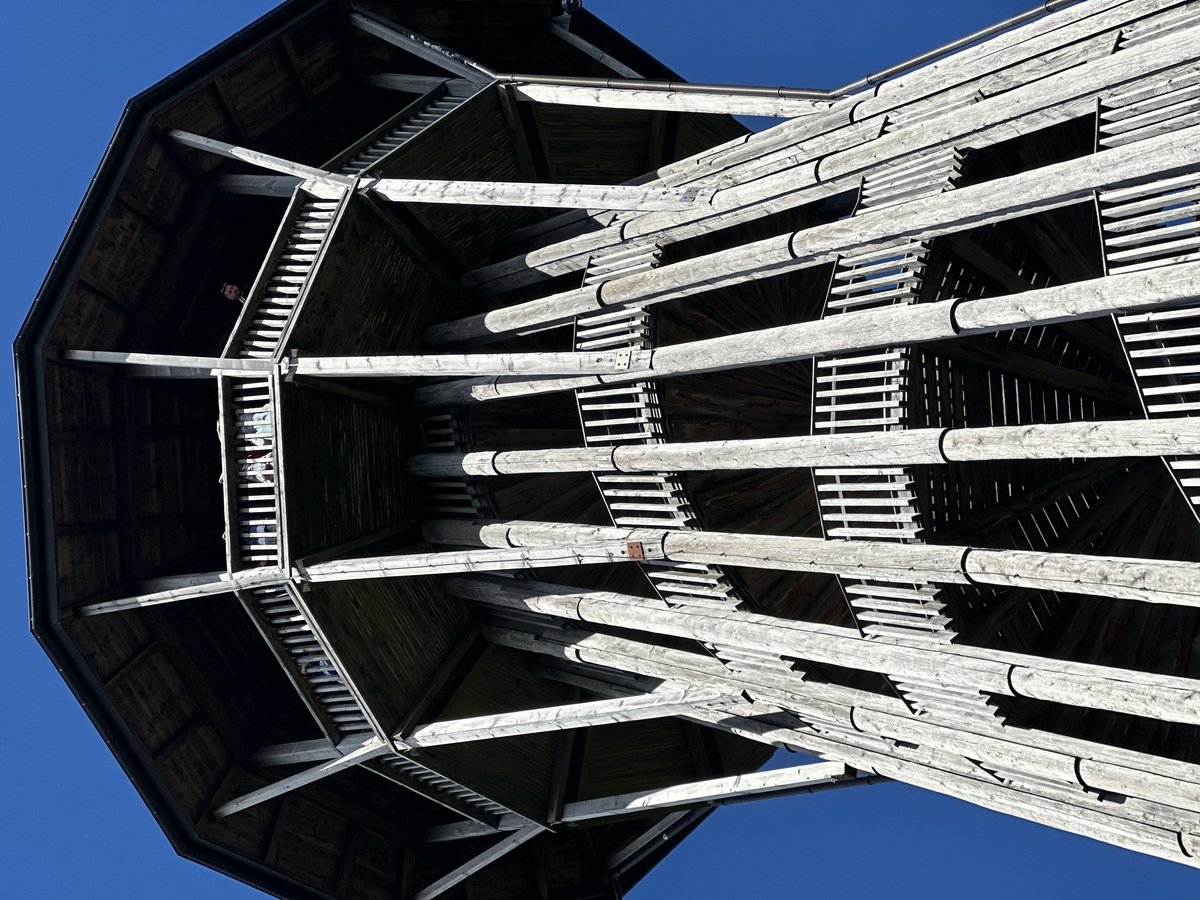
The Tour de Sauvabelin is an iconic wooden tower located in the heart of the Sauvabelin Forest in Lausanne, Switzerland. Known for its unique architectural design and breathtaking panoramic views, the tower has become a beloved landmark attracting both locals and tourists. Constructed in 2003 by the architectural firm Brauen & Wälchli, the Tour de Sauvabelin stands as a symbol of sustainable architecture, utilizing locally sourced Douglas fir wood (lausanne-tourisme.ch). The tower's spiral structure, which rises to a height of 35 meters, allows visitors to ascend 302 steps to reach an observation deck that offers stunning vistas of Lake Geneva, the city of Lausanne, and the distant Alps (archdaily.com).
Beyond its architectural allure, the Tour de Sauvabelin holds cultural and environmental significance. It is situated in a protected area that serves as a green lung for Lausanne, providing a habitat for diverse flora and fauna and a recreational space for the community. The tower's construction was a community effort, funded by public donations and supported by local organizations, reflecting the strong community spirit of Lausanne's residents (lausanne-tourisme.ch). This guide aims to provide a comprehensive overview of the Tour de Sauvabelin, covering its history, visitor information, and the enriching experiences it offers to those who explore this remarkable landmark.
Photo Gallery
Explore Tour De Sauvabelin in Pictures
History and Significance
Origins and Construction
The Tour de Sauvabelin, located in Lausanne, Switzerland, is a remarkable wooden tower that stands as a testament to innovative architecture and community spirit. Constructed in 2003, the tower was designed by the architectural firm Brauen & Wälchli. The primary material used in its construction is Douglas fir, sourced from local forests, emphasizing sustainability and local craftsmanship (lausanne-tourisme.ch).
Architectural Design
The tower's design is a spiral structure, standing 35 meters tall, with a 302-step staircase that winds its way to the top. This design not only provides structural integrity but also offers visitors a unique experience as they ascend. The open structure allows for panoramic views of the surrounding landscape, including Lake Geneva, the city of Lausanne, and the Alps. The use of wood in its construction is both an aesthetic and environmental choice, reflecting the region's commitment to sustainable practices (archdaily.com).
Cultural and Environmental Significance
The Tour de Sauvabelin is more than just an architectural marvel; it is a symbol of the region's dedication to preserving its natural heritage. The tower is situated in the Sauvabelin Forest, a protected area that serves as a green lung for the city of Lausanne. The forest itself is a popular recreational area, offering walking trails, a small lake, and a variety of flora and fauna. The tower enhances this natural setting by providing a vantage point from which visitors can appreciate the beauty and biodiversity of the area (lausanne-tourisme.ch).
Community Involvement
The construction of the Tour de Sauvabelin was a community effort, funded by public donations and supported by local organizations. This collective endeavor reflects the strong community spirit of Lausanne's residents, who value their natural and cultural heritage. The tower has since become a beloved landmark, frequented by both locals and tourists. It serves as a gathering place for community events and educational programs, fostering a sense of unity and shared responsibility for the environment (lausanne-tourisme.ch).
Visitor Information
Visiting Hours and Tickets
Visitors to the Tour de Sauvabelin can explore this stunning landmark daily. The tower is accessible year-round, with visiting hours typically from sunrise to sunset. There is no entrance fee, making it an affordable and enjoyable attraction for families and individuals alike.
Best Times to Visit
The best times to visit the Tour de Sauvabelin are during the spring and summer months when the weather is mild, and the forest is in full bloom. However, the tower offers a unique experience in every season, with autumn's colorful foliage and winter's serene snow-covered landscape.
Travel Tips and Nearby Attractions
When planning your visit, consider bringing comfortable walking shoes as you'll be exploring both the tower and the surrounding forest. Nearby attractions include the Sauvabelin Lake, where you can enjoy boating, and several walking trails that showcase the area's natural beauty. Don't forget to bring your camera to capture the stunning panoramic views.
Accessibility Information
The Tour de Sauvabelin is designed to be accessible to a wide range of visitors. While the tower itself requires climbing stairs, the surrounding forest park offers accessible paths and facilities to ensure a pleasant visit for everyone.
Educational Value
The Tour de Sauvabelin also serves an educational purpose, offering visitors insights into sustainable architecture and environmental conservation. Informational panels located at the base of the tower provide details about its construction, the types of wood used, and the importance of sustainable practices. Additionally, the tower is often included in educational programs and guided tours that focus on the region's natural and cultural heritage (lausanne-tourisme.ch).
Future Prospects
Looking ahead, the Tour de Sauvabelin is poised to continue its role as a cultural and environmental landmark. Plans are in place to enhance the visitor experience through the addition of new informational panels, interactive exhibits, and improved accessibility features. These efforts aim to ensure that the tower remains a relevant and engaging attraction for future generations.
Frequently Asked Questions (FAQ)
Q: What are the visiting hours for Tour de Sauvabelin? A: The tower is open daily from sunrise to sunset.
Q: Is there an entrance fee? A: No, there is no entrance fee to visit the Tour de Sauvabelin.
Q: What is the best time to visit? A: The best times to visit are during the spring and summer months, although the tower is accessible year-round.
Q: Are there any guided tours available? A: Yes, guided tours are available and often included in educational programs focusing on the region's natural and cultural heritage.
Discover More
For more information on visiting the Tour de Sauvabelin and other attractions in Lausanne, download our mobile app Audiala, check out our related posts, or follow us on social media for more updates.
Listen to the full story in the app
Your Personal Curator, in Your Pocket.
Audio guides for 1,100+ cities across 96 countries. History, stories, and local insight — offline ready.
Audiala App
Available on iOS & Android
Join 50k+ Curators
Sources
-
verified
Lausanne Tourisme
Tour de Sauvabelin
-
verified
ArchDaily
Tour de Sauvabelin
- verified
Last reviewed: