Plan and listen to Palais De Justice De Montbenon with Audiala.
Audio guide in your pocket, itinerary in your browser. Built for the way you actually visit.
Introduction
The Palais de Justice de Montbenon is one of Lausanne’s most iconic landmarks, blending judicial history, architectural splendor, and civic pride. Originally built as the seat of the Swiss Federal Tribunal, it stands today as a testament to the city’s evolving role in Switzerland’s legal and cultural landscape. Set within the lush Esplanade de Montbenon, with sweeping views of Lake Geneva and the Alps, this neoclassical edifice continues to captivate visitors with its monumental architecture and profound historical significance. This comprehensive guide details everything you need to know about visiting, including hours, ticketing, accessibility, and the best ways to experience this Lausanne treasure. (memoiredelausanne.ch, lausanne.ch, holidify.com)

Historical Background and Evolution
Origins and Construction
The Palais de Justice de Montbenon was conceived in the late 19th century, following Lausanne’s selection as the permanent seat of the Swiss Federal Tribunal in 1874. An architectural competition led to the commission being awarded to Benjamin Recordon, a prominent architect and protégé of Gottfried Semper. Recordon’s design, completed between 1881 and 1886, epitomizes the Neo-Renaissance and Beaux-Arts styles, intended to symbolize the authority and dignity of Swiss federal justice (memoiredelausanne.ch).
Evolution of Function
Initially, the Palais served as the seat of the Swiss Federal Tribunal, the country’s highest court, making Lausanne a focal point for national legal affairs. In 1927, the tribunal relocated to Mon Repos, and the building transitioned to house cantonal courts, including the Tribunal d’arrondissement de Lausanne, a function it retains today (lausanne.ch).
Architectural Features & Urban Setting
Neoclassical Grandeur
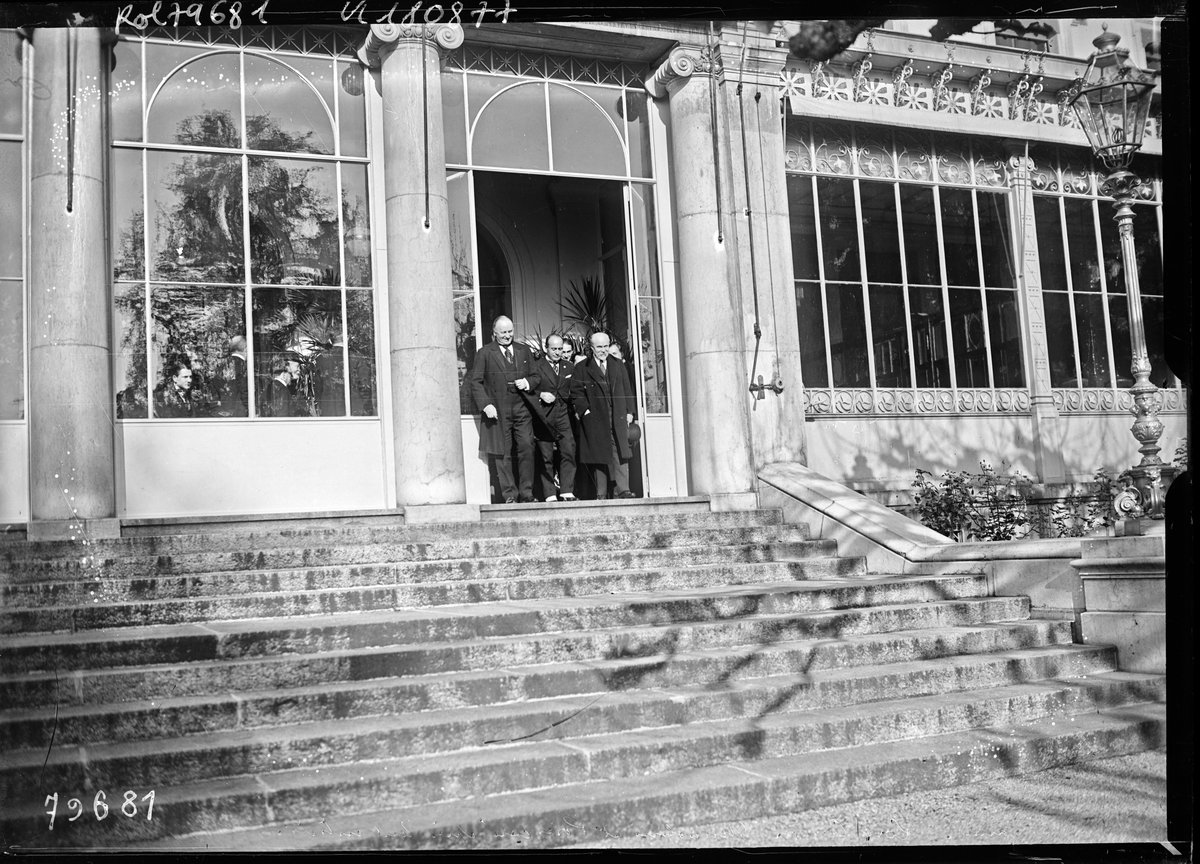
The building’s symmetrical façade, grand columns, and decorative elements reflect the Neo-Renaissance influence. The monumental entrance is flanked by two reclining lion statues in Carrara marble by Charles Iguel, symbolizing vigilance and justice (vd.ch). Ornate interior features include a grand staircase with painted decorations, high ceilings, and allegorical artwork celebrating civic virtue.
Integration with the Esplanade de Montbenon
Strategically located on the Promenade de Montbenon, the Palais is set within manicured gardens and tree-lined pathways offering panoramic vistas of Lake Geneva and the Alps. This seamless integration of monumental architecture with public green space enhances both its civic role and visitor experience (worldcitytrail.com, explorial.com).
Cultural and Civic Significance
Beyond its judicial function, the Palais de Justice de Montbenon is a cultural icon and symbol of Lausanne’s integration into the Swiss federal structure. Its central location and architectural prominence have made it a subject of artistic representation and local pride. The building and surrounding esplanade host cultural events, festivals, and public gatherings, reinforcing its role at the heart of Lausanne’s civic life (memoiredelausanne.ch, lausanne.ch).
The nearby Casino de Montbenon, a neoclassical building from 1908, houses the Swiss Film Archive and is a hub for concerts, film festivals, and exhibitions, adding to the cultural vibrancy of the area (myswitzerland.com).
Visiting Hours, Tickets, and Accessibility
Palais de Justice de Montbenon
- Visiting Hours: Open to the public Monday to Friday, typically from 8:00 or 9:00 AM to 5:00 or 6:00 PM. Courtrooms are generally not accessible outside guided tours due to ongoing judicial activities.
- Tickets: Free entry for exterior viewing and the park. Guided tours (e.g., via Association Mémoire de Lausanne or during European Heritage Days) may require advance booking and a nominal fee.
- Accessibility: The building and surrounding park are wheelchair accessible, with ramps and elevators available.
- Location: Avenue de Rhodanie 2, 1001 Lausanne, Switzerland. Easily reached by foot from the main train station, or via bus lines 1, 2, 3, 21, and Metro Line M2 (Bessières station).
Esplanade de Montbenon
- Opening Hours: Open 24/7, year-round, with well-maintained paths and lighting.
- Tickets: No entry fee required for the park.
- Facilities: Restrooms near the Casino, benches, picnic spots, and drinking fountains. Dog-friendly (on leash).
(holidify.com, lausanne-tourisme.ch, tourtravelworld.com)
Visitor Experiences and Nearby Attractions
- Guided Tours: Explore the building’s history and architecture in depth with tours offered by the Association Mémoire de Lausanne, especially during heritage events (memoiredelausanne.ch).
- Photography: The grand façade, lion statues, and esplanade views make for excellent photography, particularly at sunrise or sunset.
- Dining: Enjoy Swiss cuisine and local wines at the Brasserie de Montbenon, featuring a terrace with views over the park and lake (wikipedia).
- Cultural Events: The esplanade and Casino regularly host open-air concerts, film screenings, and festivals.
- Nearby Historic Sites: Olympic Museum, Lausanne Cathedral, Château Saint-Maire, and Parc de Mon Repos are all within walking distance.
Frequently Asked Questions (FAQ)
Q: What are the Palais de Justice de Montbenon visiting hours?
A: Monday to Friday, typically 8:00 or 9:00 AM to 5:00 or 6:00 PM. Closed on weekends and public holidays. Courtrooms are accessible only during guided tours or special events.
Q: Is there an entry fee?
A: No, exterior and park access are free. Guided tours may require a fee.
Q: Are guided tours available?
A: Yes, especially during European Heritage Days and by arrangement with the Association Mémoire de Lausanne. Advance booking is recommended.
Q: Is the site accessible for people with disabilities?
A: Yes, the building and park have ramps and elevators.
Q: How do I get there?
A: Short walk from Lausanne’s main train station, or by bus and metro.
Q: Are pets allowed?
A: Dogs are welcome in the park if kept on a leash.
Summary and Travel Tips
The Palais de Justice de Montbenon is a cornerstone of Lausanne’s historical and architectural heritage. Whether you are drawn by its grand Neo-Renaissance façade, interested in Swiss legal history, or simply seeking a tranquil green space with breathtaking views, your visit promises a blend of culture, beauty, and civic pride. Special events and guided tours offer rare glimpses inside, while the Esplanade de Montbenon and nearby Casino provide leisure and cultural enrichment. To maximize your experience:
- Check the Association Mémoire de Lausanne and official tourism sites for tour dates and event calendars.
- Use public transport for convenience.
- Combine your visit with other nearby Lausanne attractions for a full cultural itinerary.
(memoiredelausanne.ch, lausanne-tourisme.ch, worldcitytrail.com)
Listen to the full story in the app
The whole Palais De Justice De Montbenon,
told well.
Audio guides for 1,100+ cities across 96 countries. History, stories, and local insight — offline ready.
Verified, and shown.
Researched and written by the Audiala editorial team from historical records, architectural archives, and local expertise.
Researched from Wikidata, Wikipedia & official sources · fact-checked · How we make our guides →