Interlaken

Switzerland

Interlaken

Interlaken was renamed in 1891 to sell a dream between two lakes. Come for Jungfrau views, Belle Epoque hotels, and mountain access that starts at the station.

location_on 12 attractions
calendar_month Late May to early October
schedule 2-4 days

Introduction

Paragliders drop into Interlaken, Switzerland, all evening long, their canopies skimming over a 14-hectare meadow while the Jungfrau hangs in the distance like painted scenery someone forgot to take down. Then you hear the landing thud, the train doors at Interlaken Ost, the Aare pushing cold turquoise water between two lakes. That contrast is the whole town: part Alpine stage set, part transport machine, and far more interesting than either label suggests.

Interlaken sits on the Bödeli, the flat strip between Lake Thun and Lake Brienz, and few places use geography so theatrically. Grand Belle Époque hotels line the Höheweg with mansard roofs, towers, and glass verandas angled toward the mountains, while just beyond them stands the Höhematte, a protected open field bought in 1860 by 37 local hoteliers and citizens so nobody would block the Jungfrau view. Smart move.

What gives the town its texture is the gap between its polished facade and its older bones. The name Interlaken comes from the Augustinian monastery founded around 1130, and the late-Gothic Schlosskirche still keeps part of that story in stone arches and cool shadow, though plenty of visitors hurry past on their way to the next cable car. Walk five minutes farther into Unterseen and the mood changes completely: timber-framed houses, quieter squares, and dinner tables where rösti makes more sense than souvenir fondue.

Interlaken is a gateway, yes, but reducing it to that misses the point. Resort glamour arrived early, the town was renamed from Aarmühle to Interlaken in 1891 according to Swiss National Museum research, and the place has been selling mountain dreams ever since; yet under the hotel strip you still find river paths, old civic buildings, folklore festivals, and bars where guides, hikers, and locals all end up by 9 pm. Stay long enough and the town stops feeling like a launchpad. It starts reading as a very Swiss experiment in turning scenery into civic identity.

Places to Visit

The Most Interesting Places in Interlaken

landscape

Interlaken

Discover the Blumenuhr, the floral clock in Interlaken, Switzerland, where horticulture meets Swiss precision.

landscape

Harderkulm

Nestled between the shimmering waters of Lake Thun and Lake Brienz, Zwei-Seen-Steg in Interlaken, Switzerland, stands as a testament to the region's natural…

landscape

Unterseen

Nestled in the picturesque region of Interlaken, Switzerland, the Golfclub Interlaken-Unterseen is a renowned destination that offers visitors an exceptional…

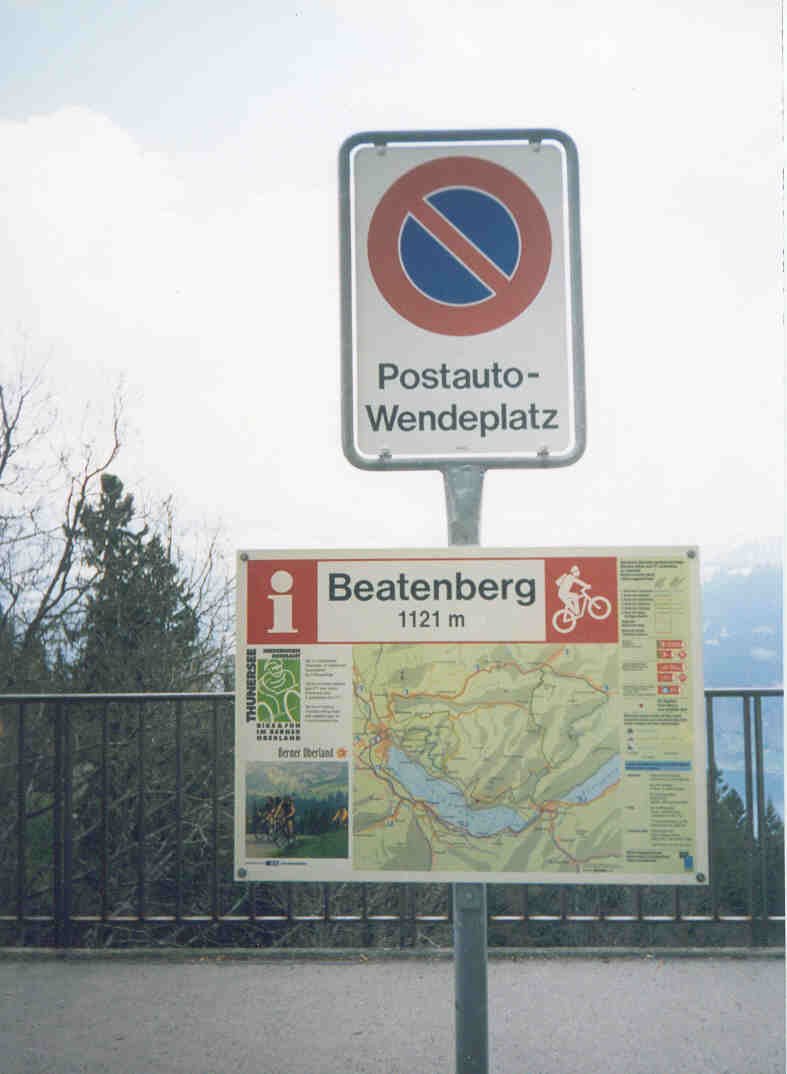
Beatenberg

Beatenberg

Nestled in the heart of the Swiss Alps, Skilift Hohwald Beatenberg AG in Interlaken is more than just a ski lift; it is a gateway to breathtaking alpine…

Schynige Platte Alpine Garden

Schynige Platte Alpine Garden

Nestled in the breathtaking Bernese Oberland region of Switzerland, the Schynige Platte Alpine Botanical Garden, more commonly known as Alpengarten, offers an…

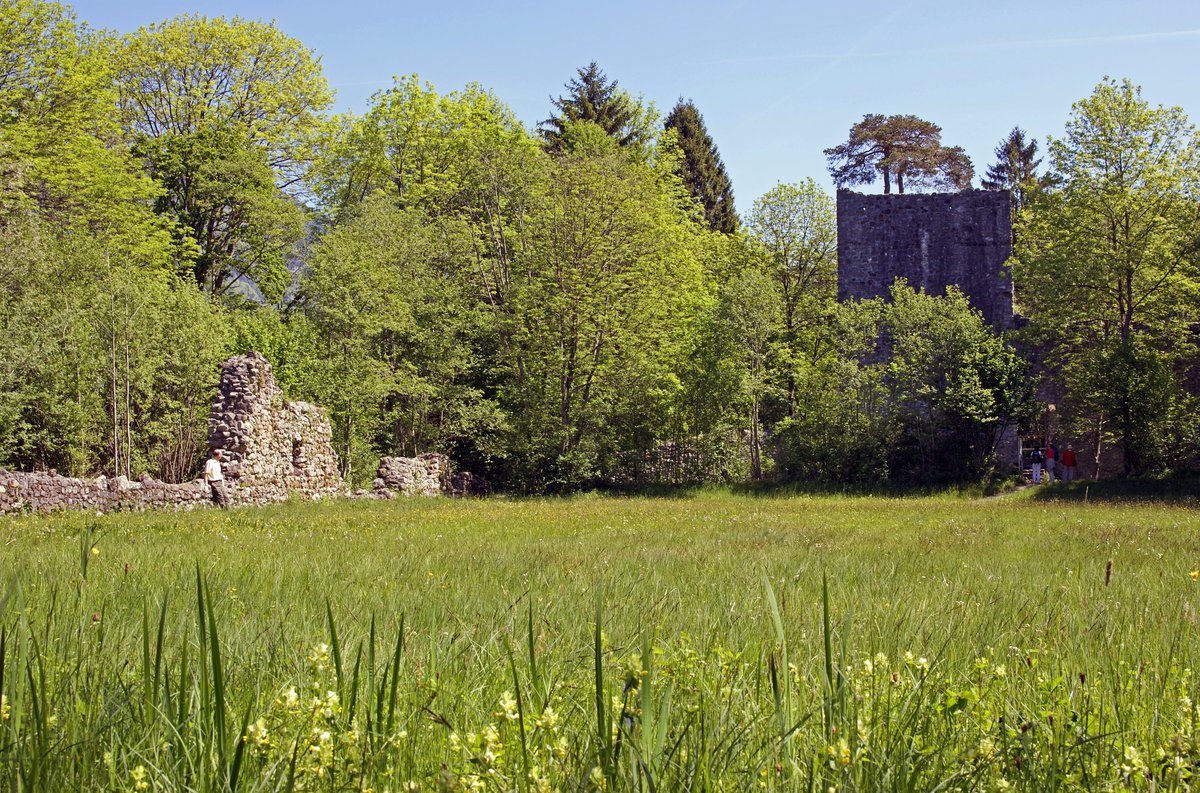
Weissenau Castle

Weissenau Castle

Nestled in the municipality of Unterseen, within the picturesque region of Interlaken, Switzerland, Ruine Weissenau stands as a testament to medieval history…

landscape

Interlaken Ost Railway Station

Interlaken Ost Railway Station stands as a pivotal gateway to the breathtaking Bernese Oberland and the iconic Jungfrau region in Switzerland.

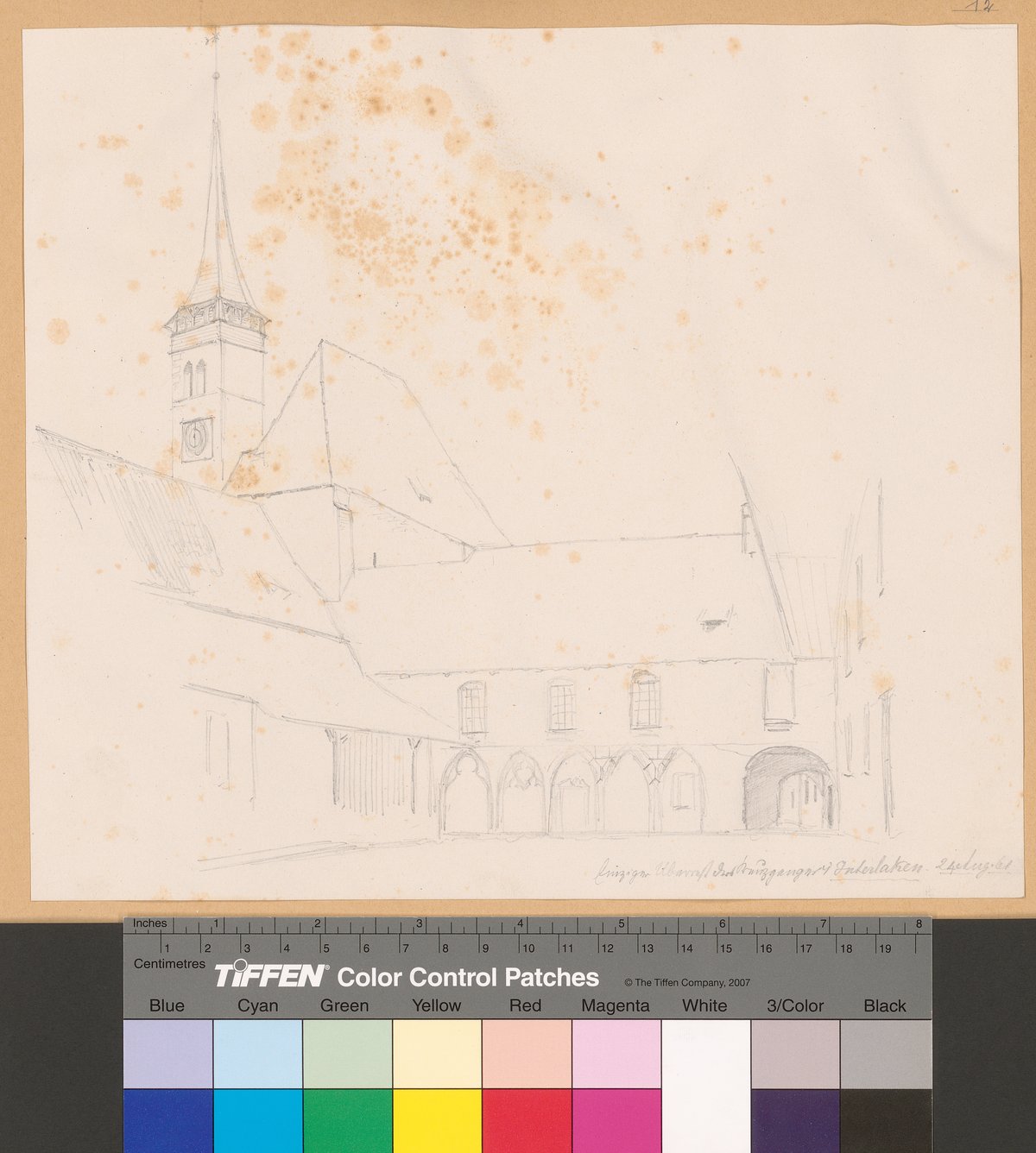
Former Monastery Buildings

Former Monastery Buildings

Nestled between the pristine waters of Lake Thun and Lake Brienz, the former monastery buildings of Interlaken, Switzerland, offer travelers an extraordinary…

Schloss Interlaken

Schloss Interlaken

Nestled between the serene lakes of Thun and Brienz, Interlaken Castle, also known as Schlosskirche, is a captivating landmark that offers a deep dive into…

What Makes This City Special

A Meadow Kept Empty on Purpose

Höhematte sits in the middle of town like a refusal to build. In 1860, 37 local hoteliers and residents bought the 14-hectare meadow to protect the Jungfrau view, and now paragliders drift down onto grass that might easily have become another row of hotels.

Belle Epoque With Alpine Nerves

Interlaken's grand hotels along Höheweg were built to frame the mountains like theater scenery. The Victoria-Jungfrau and the Kursaal still carry that late-19th-century confidence: towers, verandas, flower beds, and a faint sense that wealthy Europeans once came here to stare at weather as if it were opera.

Gateway, Not Museum Piece

Interlaken matters because it moves. Interlaken Ost feeds straight into the Jungfrau region rail web, so within an hour or two you can be on a lake steamer, a cogwheel train, or standing at 3,454 meters on the Jungfraujoch wondering why your coffee went cold so fast.

Two Lakes, One Town

Few places feel this physically arranged by water. Lake Thun lies to the west, Lake Brienz to the east, and the Aare threads through the middle in that cold turquoise color the Alps do so well.

Historical Timeline

A Meadow Between Two Lakes Becomes a World Stage

From Augustinian priory to Alpine gateway

church
c. 1130

A Priory Rises on Marshland

Most scholars date Interlaken's beginning to around 1130, when Otto Seliger von Oberhofen founded a wooden prayer house on the wet meadow between Lake Thun and Lake Brienz. The setting was hardly polished: flood channels, reeds, and the restless water of the Bödeli plain. That religious outpost gave the place its first durable center.

gavel
1133

Interlacus Enters the Record

Emperor Lothar III placed the priory under imperial protection in 1133, and the name Interlacus appears in writing for the first time. 'Between the lakes' sounds elegant now; at the time it was blunt geography. The charter turned a local foundation into a recognized power with legal weight.

gavel
1220

Imperial Rights Grow

Emperor Frederick II granted the monastery the right to choose its own lay protector, a quiet constitutional move with sharp edges. Control of a protector meant control over courts, rents, and armed backing when disputes turned ugly. On the Bödeli, paperwork could shape a valley as surely as a shovel.

castle
1257

Aarmühle Gets Its Name

A court dispute over Lütschine drainage rights in 1257 mentions the monastery mill at Ara mülli dorf, the place that became Aarmühle. Water mattered more than scenery then. Whoever controlled the channels controlled grain, pasture, and whether this flat plain stayed usable instead of sliding back into marsh.

church
1310

The Priory at Full Reach

By 1310 the monastery had become the largest ecclesiastical landlord in the Bernese Oberland, with rights stretching across churches, vineyards, fisheries, alpine pastures, and mountain routes. Records show dozens of priests and lay brothers, along with a women's house that had swelled to extraordinary size. Interlaken was still no town in the modern sense, but power already radiated from this patch of meadow.

gavel
1318

Habsburg Hands Arrive

Duke Leopold of Austria became lay protector of the monastery in 1318 after the founder's heirs were swept aside by larger dynastic violence. That tied Interlaken to Habsburg politics at exactly the moment Alpine lordship was getting harder, sharper, and more militarized. The mountains looked eternal; the patronage system did not.

castle
1323

The Monastery Inn Opens

The monastery inn is first documented in 1323, a reminder that Interlaken was hosting travelers long before luxury tourism learned to sell mountain air. Pilgrims, traders, officials, and wanderers all needed a bed and a meal. Hospitality here began with practical shelter, not postcards.

gavel
1415

Bern Tightens Its Grip

With backing from Emperor Sigismund, Bern effectively took protective control of the monastery in 1415. This was the long middle act of Interlaken's history: local autonomy narrowing, Bernese oversight thickening, and the Oberland being drawn more firmly into the orbit of the city on the Aare. Power shifted uphill, then west.

church
1472

Visitors Find Decay

Ecclesiastical inspectors arrived in 1472 during a bitter dispute between the men's and women's houses and found serious disorder. Numbers had fallen, discipline had frayed, and the old prestige no longer matched daily reality. The smell in such places is rarely romantic: damp timber, stale stores, and authority going soft.

local_fire_department
1484

The Women's House Is Dissolved

A papal bull dissolved the women's convent in 1484 after years of scandal, decline, and a destructive fire. Its assets were transferred to Bern, which is how spiritual failure became political opportunity. Interlaken's medieval church power was beginning to come apart from within.

swords
1528

Bern Ends the Monastery

The Reformation reached Interlaken with a hard administrative hand in 1528: the monastery was dissolved, its lands seized, and its buildings turned to secular use. Subjects who thought old dues would vanish rose in revolt when Bern kept the rents and tithes coming. Soldiers settled the argument. Quickly.

person
1528

Niklaus Manuel Crushes the Revolt

Niklaus Manuel, Bernese commander and one of the Reformation's sharpest cultural figures, led the force that broke resistance in the Oberland. His connection to Interlaken is not decorative; he helped decide who would rule this place after the old church order collapsed. Behind every clean constitutional change, someone usually had boots in the mud.

castle
1746

A New Castle for Bern

Between 1746 and 1750 Bern demolished part of the old monastic west wing and built the Neues Schloss, the administrative castle that still anchors the site. Stone replaced cloister routine with bureaucratic permanence. You can read the message in the architecture: prayer had given way to files, seals, and courtrooms.

person
1790

Goethe Passes Through

Johann Wolfgang von Goethe visited Interlaken in 1790, part of the long Romantic discovery of the Alps as a place to feel as much as to measure. His presence matters because the town was becoming legible to European imagination, not just to local administration. Writers came first. Investors followed.

music_note
1805

Unspunnen Invents a Tradition

The first Unspunnenfest took place in 1805 near Interlaken, mixing wrestling, stone throwing, alphorns, and carefully staged rural identity. It was part folklore, part political repair after the upheavals of the French invasion. Switzerland has a talent for making ceremony look ancient even when the paint is still drying.

person
1816

Byron Finds Alpine Drama

Lord Byron came in 1816, the bleak summer after the Tambora eruption dimmed skies across Europe. The weather was wrong, the light strange, and the mountains all the more theatrical for it. Interlaken entered the Romantic script as a place where weather, rock, and mood could gang up on a writer.

gavel
1837

Aarmühle Becomes a Commune

Modern Interlaken began politically in 1837 when Aarmühle split from Matten and became an independent commune. The old mill name still held. What existed on paper was still a small administrative settlement, not yet the polished resort later visitors would assume had always been here.

palette
1859

The Kursaal Changes the Mood

The founding of the Kursaal in 1859 gave Interlaken a new social heart, one tuned to spa culture, gaming, concerts, and the rituals of wealthy travel. This is when the town stopped merely receiving visitors and began staging itself for them. Grandeur arrived with schedules, chandeliers, and evening dress.

factory
1872

Railway Threads the Bödeli

The Bödelibahn opened in 1872, linking the shores of Lake Thun and Lake Brienz through Interlaken. Steel tracks changed distance into timetable. The old meadow between two lakes was becoming a hinge in a regional transport machine.

factory
1890

Tracks Reach the Valleys

The Berner Oberland Bahn opened in 1890, tying Interlaken directly to Lauterbrunnen and Grindelwald. After that, the town was no longer just a destination in itself; it became the front door to higher drama. You slept here, then went chasing glaciers.

gavel
1891

Aarmühle Renames Itself

On 5 December 1891 the commune officially dropped Aarmühle and took the name Interlaken. The choice was a branding masterstroke, drawing on the old Latin Interlacus while sounding polished to foreign ears arriving by rail. Few places rename themselves so neatly for the age of tourism.

church
1909

Churches Rise on Monastic Ground

A new Protestant Schlosskirche was built in 1909 on the foundations of the former monastery nave, with the Catholic church set beside it. The site kept changing its costume while keeping the same sacred address. Stones remember longer than institutions do.

science
1912

The Jungfraubahn Reaches the Saddle

On 1 August 1912 the Jungfraubahn opened to Jungfraujoch at 3,454 meters after 16 years of drilling through the Eiger and Mönch. That railway turned Interlaken into the launching platform for one of the Alps' grand mechanical performances. Soot, dynamite, ice, and engineering nerve made the high mountains purchasable by ticket.

gavel
1945

The Ibex Becomes Official

In April 1945 the commune formally adopted its coat of arms: a black half-ibex on silver. The decision came at the end of a war that had shaken tourism across Europe and left Alpine towns rethinking their future. Interlaken answered with an old mountain emblem, half heraldry and half survival instinct.

local_fire_department
1999

Saxetbach Turns Deadly

A flash flood in the Saxetbach gorge killed 21 canyoning tourists on 27 July 1999, the deadliest commercial adventure accident in Swiss history. The shock cut through Interlaken's image as an effortless playground. Cold water does not care about branding, and the regulations that followed were written in grief.

public
2001

UNESCO Names the Alpine Hinterland

In 2001 the Jungfrau-Aletsch area behind Interlaken entered the UNESCO World Heritage list, giving international recognition to the glaciated massif that had drawn travelers here for two centuries. The protected area covered 53,900 hectares at first, then expanded in 2007. The mountains did not change. The world's paperwork finally caught up.

flight
2020

The Eiger Express Speeds the Ascent

The Eiger Express gondola opened in December 2020 and cut the trip from Interlaken toward Jungfraujoch by roughly 47 minutes. That is modern Interlaken in one statistic: less a single destination than a finely tuned transfer point between hotel breakfast and high alpine snow. Efficiency, here, is part of the spectacle.

schedule
Present Day

Notable Figures

Johann Wolfgang von Goethe

1749–1832 · Writer
Visited in 1790

Goethe reached Interlaken before it was a polished resort, when the place still leaned more on monastery memory than hotel glamour. He came hunting mountain sublimity; today's souvenir arcades would probably amuse him, but the light on the Jungfrau would still stop him mid-sentence.

Lord Byron

1788–1824 · Poet
Visited in 1816

Byron arrived in the cold, ash-dimmed summer after Tambora, when Europe felt slightly out of joint. That mood fed the Alpine drama of "Manfred"; you can still imagine him preferring the storm line over the postcard view.

Felix Mendelssohn Bartholdy

1809–1847 · Composer
Visited in 1822 and 1847

Mendelssohn came twice, hearing the Alps the way other travelers saw them. Interlaken gave him a threshold rather than a destination: valley calm first, then the sudden lift into higher country, the sort of contrast a composer knows what to do with.

Adolf Guyer-Zeller

1839–1899 · Industrialist and railway promoter
Planned the Jungfraubahn from the Interlaken gateway

Guyer-Zeller turned Alpine awe into engineering, backing the railway that finally reached Jungfraujoch in 1912. He would recognize the modern queues at Interlaken Ost as proof that his audacious idea worked, though he might wince at how casually people now board a train into what once counted as the sublime.

Niklaus Manuel

1484–1530 · Statesman, soldier, and artist
Led Bernese troops here in 1528

Niklaus Manuel entered Interlaken in a far less romantic mood than the poets who followed him, commanding the Bernese force that crushed the Gotteshausleute uprising after the Reformation. The town's polished resort surface hides that harder history, but the old monastery site still carries the aftertaste of power seized and renamed.

Practical Information

flight

Getting There

Interlaken has no airport. Most visitors come via Zurich Airport (ZRH), about 1 hour 55 minutes to 2 hours 10 minutes by SBB train; Geneva Airport (GVA) takes about 2 hours 45 minutes to 3 hours, Basel EuroAirport (BSL/EAP) about 2 hours 15 minutes, and Bern Airport (BRN) is closest but has very limited service. The main rail stations are Interlaken Ost and Interlaken West, linked by frequent trains and a 20-minute walk along Höheweg, and drivers usually arrive via the A8 motorway with connections toward Bern, Lucerne, and the Jungfrau region.

directions_transit

Getting Around

Interlaken has no metro and no tram; the town runs on trains, buses, boats, and your own feet. Local buses and trains operate in Libero Zone 700, with PostAuto and regional services linking Interlaken, Unterseen, Matten, Wilderswil, and nearby villages, while BLS boats run on Lakes Thun and Brienz. In 2026, the free Guest Card Interlaken still covers local Zone 700 travel for overnight visitors, and the Swiss Travel Pass or Half Fare Card makes a real difference once you start adding mountain railways.

thermostat

Climate & Best Time

Spring usually brings 10-19C days and snowmelt-fed waterfalls; summer sits around 22-24C by day with frequent afternoon thunderstorms; autumn cools to roughly 8-19C; winter often ranges from -3C to 5C in town, though the peaks are far colder. Rain falls year-round, with about 1,200 mm annually, and July to August are the busiest months. The sweet spot is late May to June or late September to early October, when trails are open, hotel prices ease a little, and the crowds thin out.

translate

Language & Currency

Swiss German is what you'll hear first, with standard German used in writing; English is widely spoken in hotels, restaurants, stations, and mountain transport offices. Switzerland uses the Swiss franc (CHF), and in 2026 cards and contactless payments are accepted almost everywhere, though small huts, some public toilets, and rural stops still reward anyone carrying a few banknotes.

shield

Safety

Interlaken is very safe in the usual urban sense, with petty theft around stations and Höheweg the main nuisance rather than a pattern of violent crime. The real risks are mountain weather, cold fast water, and altitude at Jungfraujoch, so check MeteoSwiss before hiking and remember the emergency numbers: 112 for general emergencies, 117 police, 118 fire, 144 ambulance, and 1414 for Rega mountain rescue.

Where to Eat

local_dining

Don't Leave Without Trying

Fondue Raclette Rösti Älplermagronen Käseschnitte Bündnerfleisch Zopf Birchermüesli Nut tarts Local beer such as Rugenbräu

WYVA

fine dining
Wine bar with small plates and modern comfort cooking €€ star 5.0 (37)

Order: Order the steak tartare and risotto, then let the fresh bread and a good bottle of wine do the rest.

This feels like a real cellar bar, not a room dressed up for tourists. Reviews keep coming back to the same things: sharp wine choices, warm hosts, and the kind of local crowd that tells you people return on purpose.

schedule

Opening Hours

WYVA

Monday 4:00 – 10:30 PM
Tuesday Closed
Wednesday Closed
map Maps language Web

Per Bacco - Restaurant, Café und Vinothek

fine dining
Italian restaurant and vinothek €€ star 4.9 (103)

Order: Get the homemade gnocchi if it is on, or the tagliatelle con gamberoni for something richer.

Per Bacco sounds like the sort of place people book for birthdays and honeymoons, then talk about for weeks afterward. The draw is not just polished service; it is a kitchen that treats simple Italian dishes seriously.

schedule

Opening Hours

Per Bacco - Restaurant, Café und Vinothek

Monday 11:00 AM – 2:00 PM, 5:00 – 10:00 PM
Tuesday 11:00 AM – 2:00 PM, 5:00 – 10:00 PM
Wednesday 11:00 AM – 2:00 PM, 5:00 – 10:00 PM
map Maps language Web

Hopplá Bistro

local favorite
Family-run bistro with home-style European cooking €€ star 4.8 (673)

Order: Order the beef goulash, and save room for the carrot cake.

A lot of Interlaken meals blur together. This one does not. People rave about homemade bread, careful cooking, and the sort of small family-run room where lunch turns into a second visit at dinner.

schedule

Opening Hours

Hopplá Bistro

Monday 12:00 – 9:00 PM
Tuesday Closed
Wednesday 6:00 – 9:00 PM
map Maps

Barrel Brewing Co. at Hüsi Bierhaus

local favorite
Local brewery with Swiss beer-hall food €€ star 4.9 (71)

Order: Go for the bratwurst and potatoes with a couple of local beers.

Interlaken has a real beer angle, and this is where it becomes concrete rather than theoretical. Reviews suggest hearty food, kind staff, and the simple pleasure of drinking local beer where it belongs.

schedule

Opening Hours

Barrel Brewing Co. at Hüsi Bierhaus

Monday 3:00 – 11:30 PM
Tuesday Closed
Wednesday 3:00 – 11:30 PM
map Maps language Web

Afghan Central Restaurant Interlaken | افغان سنترال رستورانت

local favorite
Afghan restaurant €€ star 4.8 (112)

Order: Order the goat and rice, and do not brush off the tea if they offer it at the end.

This is the kind of place hikers dream about after a cold day out: fragrant rice, deeply seasoned meat, generous hosts. The reviews have that slightly dazed tone people use when dinner was better than expected.

schedule

Opening Hours

Afghan Central Restaurant Interlaken | افغان سنترال رستورانت

Monday 11:30 AM – 10:45 PM
Tuesday 11:30 AM – 10:45 PM
Wednesday 11:30 AM – 10:45 PM
map Maps

Nav Bharatam Restaurant Interlaken family of madraskitchen

local favorite
South Indian restaurant €€ star 4.9 (339)

Order: Get the podi dosa if you can, or the non veg thali for a broader sweep of the kitchen.

Interlaken has plenty of places aimed squarely at passing visitors. This one stands out because people who know South Indian food say it tastes like the real thing. That matters.

schedule

Opening Hours

Nav Bharatam Restaurant Interlaken family of madraskitchen

Monday 11:30 AM – 11:30 PM
Tuesday 9:00 AM – 11:30 PM
Wednesday Closed
map Maps language Web

Bäckerei-Konditorei Christen

quick bite
Local bakery and konditorei €€ star 4.8 (59)

Order: Pick up a praliné noisette croissant or the sausage croissant roll, then add a sandwich for later.

This is breakfast with local gravity. Reviews talk about returning four mornings in a row, which is usually the best endorsement a bakery can get.

schedule

Opening Hours

Bäckerei-Konditorei Christen

Monday 6:00 AM – 12:15 PM, 2:00 – 6:00 PM
Tuesday 6:00 AM – 12:15 PM, 2:00 – 6:00 PM
Wednesday Closed
map Maps language Web

Gut Markt

market
Specialty food market and grocery €€ star 4.9 (32)

Order: Come for Swiss pantry goods, regional treats, and the sort of edible souvenirs people actually finish.

Not every good food stop needs a tablecloth. Gut Markt is useful when you want to taste your way through local products, stock up for a picnic, or dodge another generic souvenir shop.

schedule

Opening Hours

Gut Markt

Monday Closed
Tuesday 10:00 AM – 7:00 PM
Wednesday 10:00 AM – 7:00 PM
map Maps language Web
info

Dining Tips

  • check Interlaken is more about Bernese Oberland alpine food than one signature city dish: think cheese, cured meats, game, pastries, chocolate, and mountain herbs.
  • check Lunch commonly runs about 11:30-14:00, and dinner about 18:00-20:00.
  • check Many kitchens close by around 21:00, so late full-service dinners are not the default.
  • check Do not assume midweek opening. Tuesday and Wednesday closures are especially common, though patterns vary by restaurant.
  • check Tipping is not obligatory in Switzerland because service is included, but rounding up or leaving about 10% is customary.
  • check The Interlaken Marktplatz market runs Tuesday and Saturday from 08:00-12:15.
  • check Some market vendors may prefer cash or may not have card terminals.
  • check A seasonal fair market with strong food stalls takes place on the Höhematte/Höheweg promenade four times a year.
Food districts: Höheweg and the Höhematte promenade: the main stretch for food-focused strolling, and the site of the seasonal fair market. Marktplatz: the key weekly market area, especially on Tuesday and Saturday mornings. Central Interlaken near Interlaken West station: a practical food zone, with a reported small Saturday organic farmers market in a square about five minutes from the station.

Restaurant data powered by Google

Tips for Visitors

train
Pick the right station

Use Interlaken Ost for Jungfraujoch, Grindelwald, Lauterbrunnen, and Lake Brienz boats. Interlaken West is handier for Höheweg, many grand hotels, and Lake Thun connections.

confirmation_number
Claim the guest card

If you stay overnight, ask for the Gästekarte Interlaken at check-in. It gives free travel in Zone 700 and discounts on routes like Interlaken Ost to Lauterbrunnen or Grindelwald.

wb_sunny
Start early uphill

Summer afternoons often bring thunderstorms, especially from July to August. Take the first mountain trains you can, then come down before the clouds start building over the peaks.

air
Respect the altitude

Jungfraujoch sits at 3,454 meters, high enough to give plenty of healthy people a headache. Drink water, go easy on alcohol, and don't plan a big hike the moment you step off the train.

savings
Pass math matters

A Half Fare Card often beats buying full-price tickets if you're staying four or five days and doing mountain trips. If your plan includes several big lifts and trains, compare it against the Swiss Travel Pass or Berner Oberland Pass before you arrive.

restaurant
Eat outside Höheweg

Souvenir-shop central is convenient, but dinner prices on the main strip often climb with the Jungfrau view. Walk into Unterseen for a calmer old-town setting and menus that feel less engineered for passing tour groups.

paragliding
Book certified operators

Adventure sports are part of Interlaken's identity, but this is where caution belongs. Choose companies certified by the Swiss Outdoor Association, especially for canyoning, rafting, and paragliding.

Explore the city with a personal guide in your pocket

Your Personal Curator, in Your Pocket.

Audio guides for 1,100+ cities across 96 countries. History, stories, and local insight — offline ready.

smartphone

Audiala App

Available on iOS & Android

download Download Now

Join 50k+ Curators

Frequently Asked

Is Interlaken worth visiting? add

Yes, if you want quick access to big Alpine scenery without sleeping in an isolated resort village. Interlaken itself is small, but the two lakes, Belle Epoque hotel line on Höheweg, and fast links to Jungfraujoch, Grindelwald, and Lauterbrunnen make it a strong base.

How many days in Interlaken? add

Plan 2 to 4 days. Two days covers the town, Harder Kulm, and one major mountain trip; four days gives you room for boats, valley villages, and a weather backup day, which matters more here than most first-time visitors expect.

Is Interlaken expensive? add

Yes, especially once cable cars and mountain railways enter the picture. The town gets easier on the wallet if you use the free guest card, compare passes before buying, and save restaurant meals for streets away from Höheweg.

Is Interlaken safe for tourists? add

Yes, Interlaken is very safe in the usual urban sense, with only occasional petty theft around stations in peak season. The real risks are weather, altitude at Jungfraujoch, cold water, and choosing careless adventure-sport operators.

Can you get around Interlaken without a car? add

Absolutely. The center is flat and walkable, buses cover the local towns in Zone 700, trains link West and Ost stations, and boats connect the lake villages, so a car often becomes an expensive piece of luggage.

Which is better, Interlaken West or Interlaken Ost? add

Neither is better for everything; they serve different jobs. Stay near Ost if you're making early Jungfrau Region trips, and near West if you care more about central hotels, Höheweg, and Lake Thun access.

What is the best time to visit Interlaken? add

Late May to early October is the sweet spot for hikers and lake travelers because most lifts, boats, and trails are running. May and late September usually give you better prices and fewer crowds than July and August, with less queueing and cleaner light.

Sources

Last reviewed:

All Places to Visit

9 places to discover

photo_camera

Interlaken

photo_camera

Harderkulm

photo_camera

Unterseen

Beatenberg

Beatenberg

Schynige Platte Alpine Garden

Schynige Platte Alpine Garden

Weissenau Castle

Weissenau Castle

photo_camera

Interlaken Ost Railway Station

Former Monastery Buildings

Former Monastery Buildings

Schloss Interlaken

Schloss Interlaken