Introduction: Geneva’s Space Landmark
Geneva, a global center for diplomacy, science, and innovation, is home to the Conquest of Space Monument—a powerful tribute to humanity’s aspiration to explore the cosmos. Situated in Ariana Park on the United Nations Office at Geneva (UNOG) grounds, this titanium-clad sculpture not only commemorates historic milestones like Sputnik 1 and Yuri Gagarin’s spaceflight but also embodies the spirit of international cooperation and peace. Donated by the USSR in 1971, the monument echoes the design of Moscow’s monumental tribute to the space age, serving as a beacon of scientific progress and unity amidst Geneva’s storied landscape (UN Geneva; Wikipedia).
This comprehensive guide details everything you need to plan your visit: opening hours, ticketing, accessibility, nearby attractions, and practical tips for making the most of your time at this remarkable site of art, history, and diplomacy.
Physical Description and Artistic Inspiration
The Conquest of Space Monument stands approximately 26 meters (85 feet) high and is crafted from titanium, a material chosen for its futuristic luster and durability. Designed by architect Alexander Koltchin and sculptor Yuri Neroda, the monument features a soaring, curved shaft reminiscent of a rocket’s exhaust plume, with a stylized astronaut reaching skyward. The work draws direct inspiration from Moscow’s 110-meter Monument to the Conquerors of Space, reflecting the optimism and ambition of the 1960s and 1970s space age (Wikipedia).
Symbolism and Cultural Significance
More than a commemoration of Soviet achievements, the Geneva monument celebrates humanity’s collective drive to explore and understand the universe. Its placement in the UN’s park highlights the importance of peaceful, cooperative space exploration. The upward curve of the titanium shaft symbolizes rocket launches, while the astronaut figure represents the courage and vision required to venture into the unknown. The monument is charged with messages of peace, scientific advancement, and global unity—core values for Geneva as an international city (UN Geneva).
Historical Context and Legacy
Unveiled on July 20, 1971, at the height of public fascination with space exploration, the monument stands as a testament to a period of optimism, competition, and collaboration in the race for the stars. As a sister piece to Moscow’s larger monument, it brings the narrative of space exploration and its diplomatic dimensions to an international audience, reinforcing Geneva’s pivotal role in shaping space policy and governance (UN Geneva; Wikipedia).
Ariana Park and the United Nations Setting
Nestled in Ariana Park, a historic green space offering panoramic views of Lake Geneva and the Alps, the monument is surrounded by other significant landmarks such as the Alley of Flags and the Broken Chair sculpture. The serene park setting encourages reflection on the monument’s themes of peace and progress. The park is accessible only as part of guided tours due to its location within the secure UNOG complex (UN Geneva).
Visiting Information: Hours, Tickets, and Accessibility
Visiting Hours
- Access: The monument is accessible exclusively via official guided tours of the UN Office at Geneva.
- Tour Times: Tours generally run Monday to Friday, with scheduled slots in the morning and afternoon.
- Recommendation: Check the UN Geneva visitor page for the latest schedules and availability.
Tickets and Booking
- Admission: Entry to Ariana Park and the monument is free, but only as part of a pre-booked guided tour.
- Booking: Advance online reservation is mandatory. Book your spot via the UN Geneva visitor portal.
- Security: Arrive at least 45 minutes prior to your tour for mandatory security screening. Bring a valid photo ID.
Accessibility
- The park and the monument area are accessible to visitors with limited mobility. Notify the tour organizers in advance to ensure appropriate arrangements.
Guided Tours and Special Events
- Guided tours offer historical context, highlight the monument’s artistic and diplomatic relevance, and provide access to other UN landmarks. Special commemorative events may occasionally be held on-site.
Nearby Attractions and Travel Tips
- International Museum of the Red Cross and Red Crescent: Explore Geneva’s humanitarian heritage.
- Museum of Art and History: Delve into diverse collections spanning archaeology, fine arts, and applied arts.
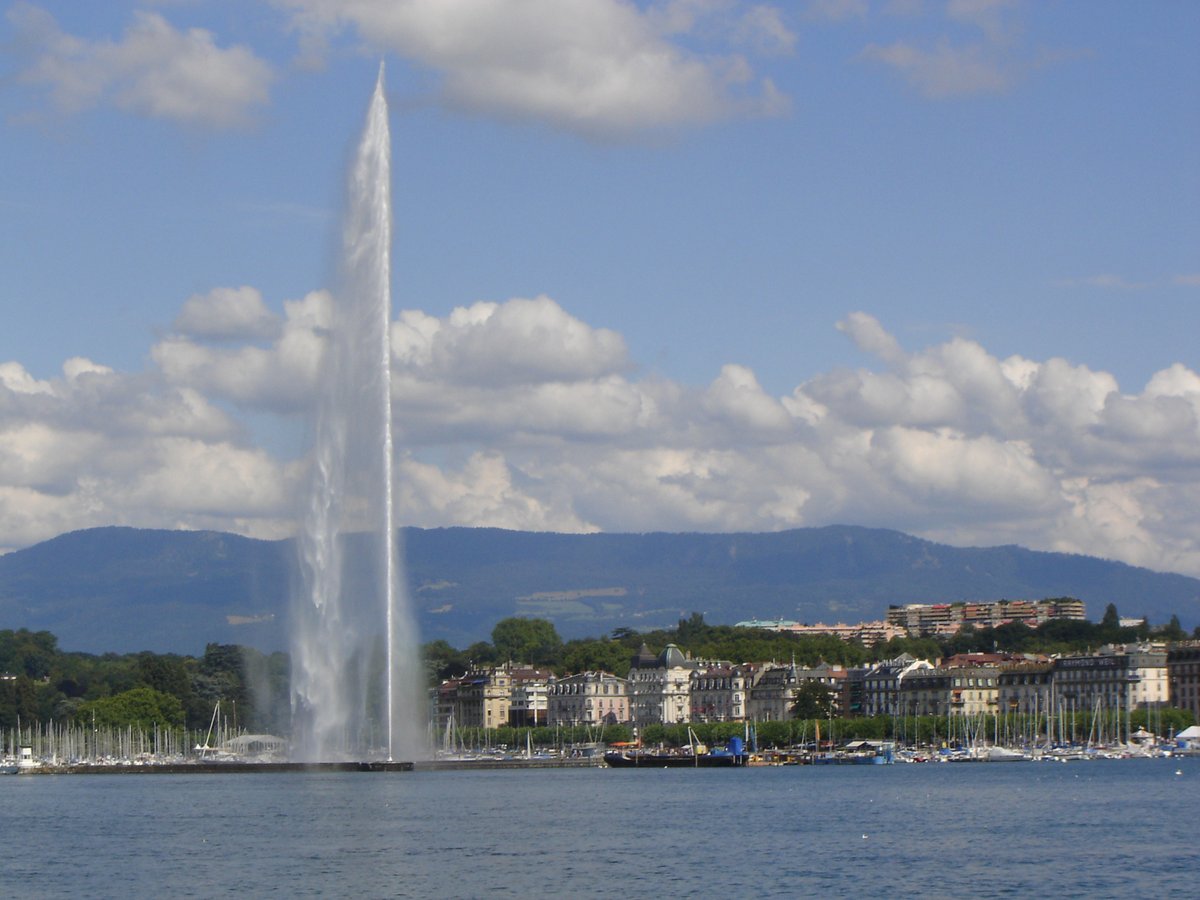
- Jet d’Eau Fountain & English Garden: Iconic lakeside spots perfect for relaxation and photography.
- Transportation: Geneva’s efficient public transport network (trams and buses) provides easy access to Ariana Park. Comfortable walking shoes are recommended.
Visitor Experience and Photographic Opportunities
The monument’s gleaming titanium surface is best photographed in early morning or late afternoon light. The surrounding parkland and backdrop of the Alps and Lake Geneva make for spectacular images. Visitors are encouraged to take time to reflect on the intersection of art, science, and global cooperation that the monument represents.
Interpretive Themes and Educational Value
Educational tours emphasize the monument’s connection to technological achievement, space diplomacy, and the shared ambitions of humanity. The site is especially meaningful for students, families, and science enthusiasts, offering a thought-provoking perspective on the past, present, and future of space exploration.
Frequently Asked Questions (FAQ)
Q: What are the visiting hours for the Conquest of Space Monument in Geneva?
A: The monument is accessible only during official guided tours of the UNOG, typically Monday to Friday. Refer to the UN Geneva visitor page for current times.
Q: Is there an entrance fee?
A: No, access is free, but you must book a guided tour in advance.
Q: How do I book a tour?
A: Reserve your spot through the UN Geneva visitor portal.
Q: Is the monument accessible for visitors with disabilities?
A: Yes. Please notify tour organizers in advance for accommodations.
Q: What other attractions are nearby?
A: The International Museum of the Red Cross and Red Crescent and the Museum of Art and History are within easy reach.
Listen to the full story in the app
Your Personal Curator, in Your Pocket.
Audio guides for 1,100+ cities across 96 countries. History, stories, and local insight — offline ready.
Audiala App
Available on iOS & Android
Join 50k+ Curators
Last reviewed: