Plan and listen to Palais Wilson with Audiala.
Audio guide in your pocket, itinerary in your browser. Built for the way you actually visit.
Introduction
Welcome to our comprehensive guide on visiting Palais Wilson, an iconic landmark situated along the picturesque shores of Lake Geneva in Geneva, Switzerland. Originally built as the Hôtel National in the late 19th century, Palais Wilson has evolved into a symbol of international diplomacy and human rights. This architectural marvel, designed by Swiss architect Jacques-Élysée Goss, has a rich history that includes serving as the headquarters for the League of Nations and now housing the Office of the United Nations High Commissioner for Human Rights (OHCHR). This guide will delve into the building's historical background, architectural significance, visitor information, and tips to make the most of your visit. Whether you're a history enthusiast, architecture aficionado, or simply planning a trip to Geneva, this guide provides valuable insights into one of the city's most important landmarks (Explorial, SwissInfo).
Origins and Early Years
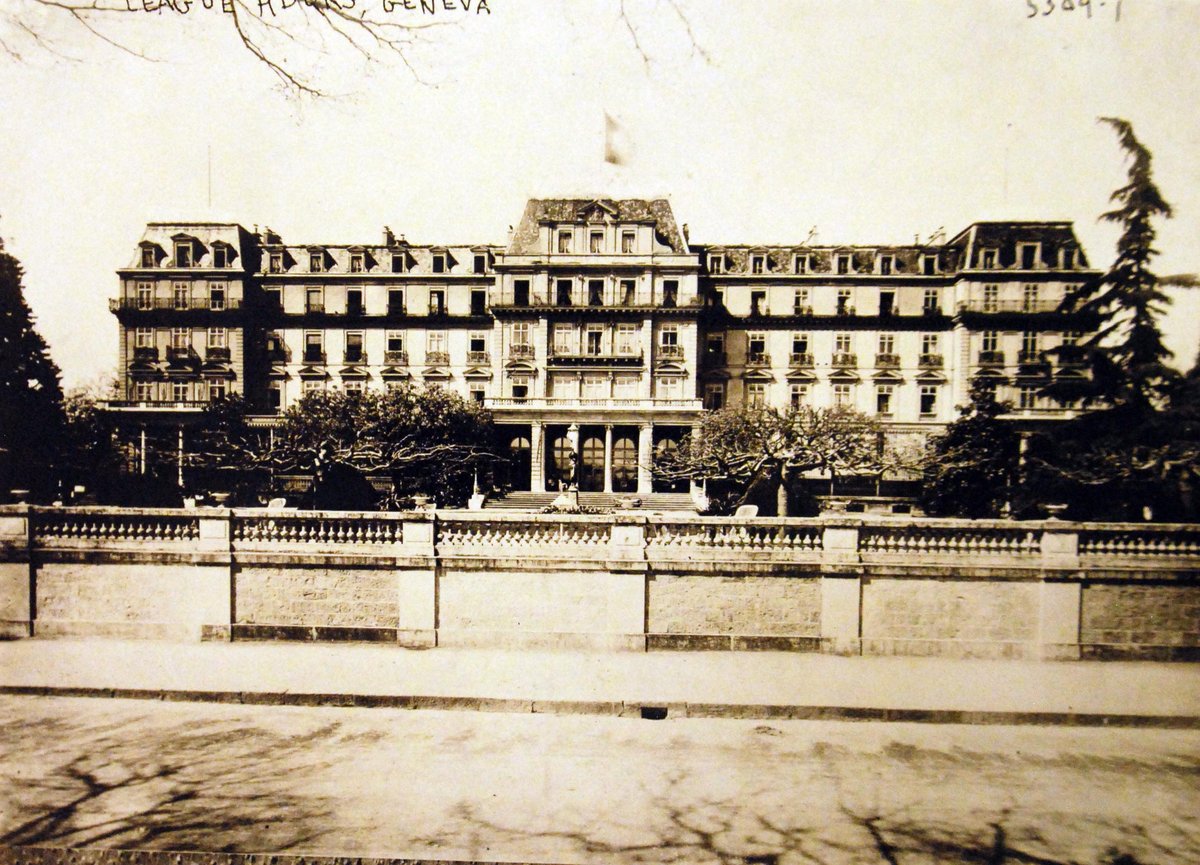
Palais Wilson, originally known as Hôtel National, was constructed between 1873 and 1875 by Swiss architect Jacques-Élysée Goss on behalf of Gustave Revilliod, a wealthy art collector and philanthropist. The building was designed as a luxury hotel to cater to affluent European tourists. However, financial difficulties plagued Revilliod’s heirs after his death in 1890, leading to the sale of the hotel (Explorial).
Transition to the League of Nations
The building's transformation began after World War I. In 1920, the League of Nations, the precursor to the United Nations, purchased the hotel for CHF 5.5 million. The League needed a headquarters, and the Hôtel National, with its grandeur and strategic location by Lake Geneva, was an ideal choice. The building was renamed Palais Wilson in 1924, in honor of U.S. President Woodrow Wilson, who was instrumental in the League's formation (SwissInfo).
Role in International Diplomacy
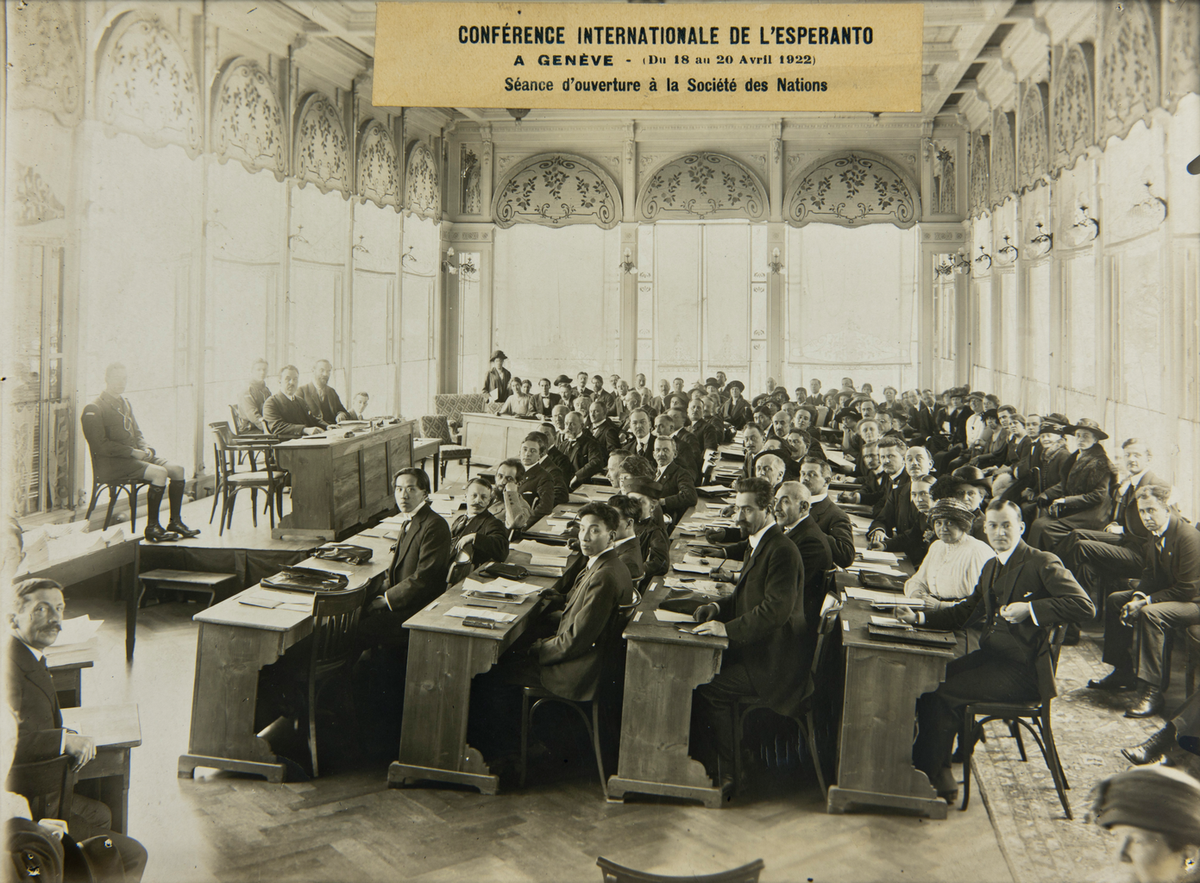
From 1920 to 1936, Palais Wilson served as the headquarters of the League of Nations. During this period, it was the site of significant international treaties and discussions, including those related to labor laws and disarmament. The building's role in fostering international diplomacy and peace was pivotal during the interwar period (Explorial).
Architectural Significance
Palais Wilson is an architectural marvel with neo-classical aesthetics, featuring Corinthian columns at its entrance. It has three floors above ground level and two underground levels, primarily used for archives storage today. The building's grandeur and design reflect its historical significance and the importance of the events that took place within its walls (Explorial).
Post-League of Nations Era
After the League of Nations moved to the newly constructed Palais des Nations in 1936, Palais Wilson's future was uncertain. The Swiss government and Geneva authorities eventually purchased the building, and it housed various federal and cantonal government offices. However, by the late 1980s, the building had fallen into disrepair. Fires in 1985 and 1987 severely damaged parts of the structure, leading to extensive restoration efforts (SwissInfo).
Restoration and Modern Use
In 1998, Palais Wilson was meticulously restored and became the headquarters of the Office of the United Nations High Commissioner for Human Rights (OHCHR). This restoration marked a new chapter in the building's history, continuing its legacy as a symbol of international diplomacy and human rights. The building is not open to the public, but its historical and architectural significance make it a notable landmark in Geneva (Fodor's).
Key Historical Events
Several key historical events took place at Palais Wilson, including the drafting of crucial international treaties. During World War II, when Geneva remained neutral despite being surrounded by fascist powers, Palais Wilson served as a safe meeting place for diplomats. The building's role in international diplomacy during this tumultuous period underscores its importance in global history (Explorial).
Challenges and Resilience
Palais Wilson's history is marked by challenges and resilience. From its early financial difficulties and transformation into the League of Nations headquarters to its near destruction by fire and subsequent restoration, the building has withstood numerous trials. Its continued use as the OHCHR headquarters highlights its enduring significance in promoting peace and human rights (SwissInfo).
Visitor Information
Visiting Hours
Palais Wilson is not generally open to the public, but guided tours can sometimes be arranged through specific diplomatic or educational programs. It is advisable to check with local tour operators or the OHCHR for any special visiting opportunities.
Tickets
As the building is not typically open for public tours, there are no standard ticket prices. For any special events or guided tours, ticket prices may vary, and it's best to inquire directly with the OHCHR or authorized tour operators.
Nearby Attractions
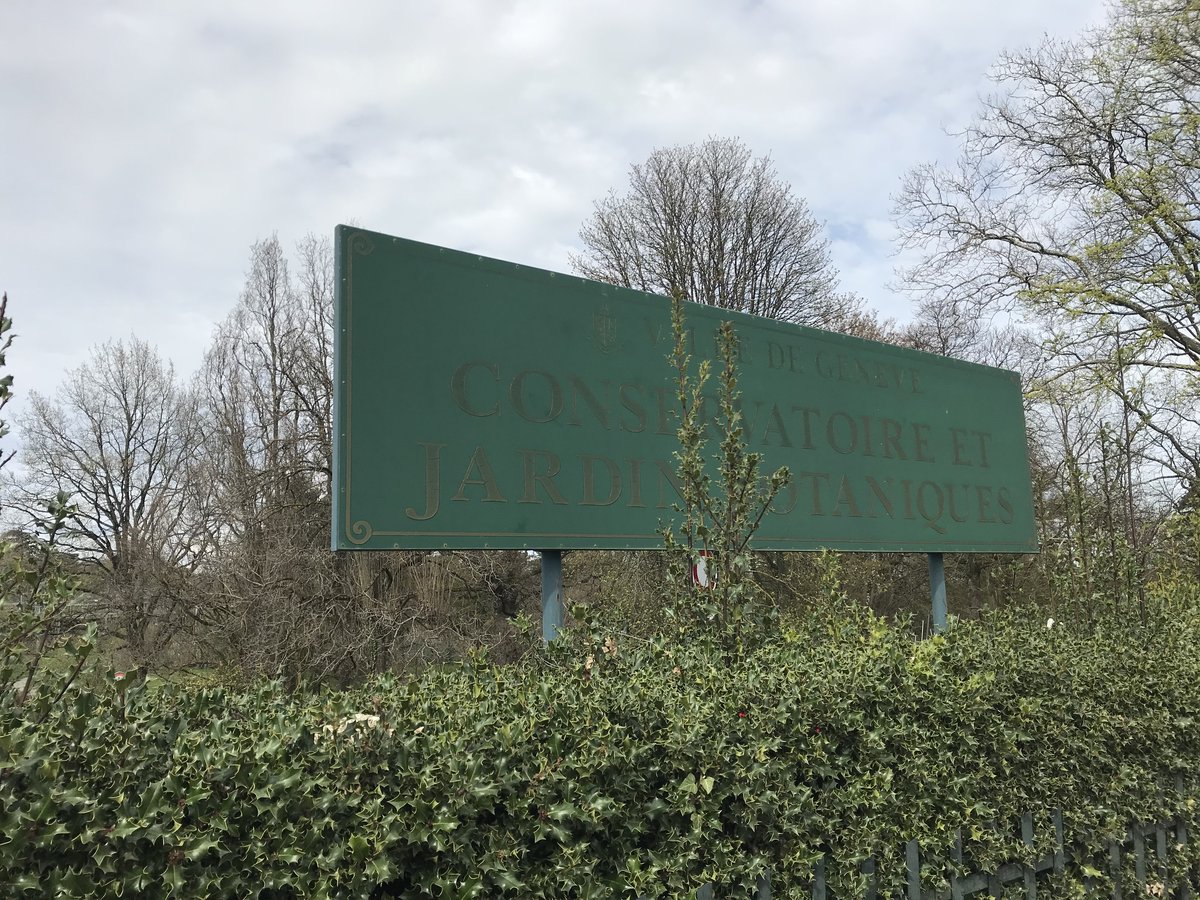
Visitors to Palais Wilson can also explore nearby attractions such as the Jet d'Eau, the Flower Clock, and the Botanical Gardens. The strategic location by Lake Geneva offers a scenic route for walking tours, making it a delightful experience for history and architecture enthusiasts.
Accessibility
Palais Wilson is equipped with facilities to accommodate visitors with disabilities. However, given its limited public access, it is important to confirm accessibility options during any special tours or events.
Travel Tips
- Best Time to Visit - Geneva is beautiful year-round, but spring and autumn offer pleasant weather for exploring the city's historical sites.
- Transportation - The city has an excellent public transportation system, including trams and buses, which make it easy to reach Palais Wilson and other attractions.
- Local Cuisine - Don’t miss out on trying local Swiss dishes at nearby restaurants, such as fondue and raclette.
FAQ
Q: Can the public visit Palais Wilson?
A: Palais Wilson is not typically open to the public, but special tours can sometimes be arranged. Check with local tour operators or the OHCHR for opportunities.
Q: Is there an entry fee for Palais Wilson?
A: There is no standard entry fee as the building is not generally open for public tours. For any special events or guided tours, inquire directly with the OHCHR or authorized tour operators.
Q: What are some nearby attractions?
A: Nearby attractions include the Jet d'Eau, the Flower Clock, and the Botanical Gardens, all within a short distance from Palais Wilson.
Listen to the full story in the app
The whole Palais Wilson,
told well.
Audio guides for 1,100+ cities across 96 countries. History, stories, and local insight — offline ready.

Verified, and shown.
Researched and written by the Audiala editorial team from historical records, architectural archives, and local expertise.
Researched from Wikidata, Wikipedia & official sources · fact-checked · How we make our guides →