Introduction
The Musée International de la Réforme (International Museum of the Reformation) in Geneva is a must-visit for anyone interested in the profound impact of the Protestant Reformation. Housed in the historic Maison Mallet, which stands on the site where the Reformation was voted in 1536, the museum offers a deep dive into the theological, cultural, and social shifts initiated by this pivotal 16th-century movement. The Reformation, sparked by influential figures such as Martin Luther and John Calvin, sought to correct perceived corruptions within the Roman Catholic Church and fundamentally altered the landscape of Christianity (HistoryHit). Geneva, often dubbed the 'Protestant Rome,' became a significant hub for Reformation activity under Calvin's rigorous reforms (MySwitzerland). Established in 2005, the museum not only commemorates these historical events but also educates the public through a vast collection of artifacts, interactive displays, and educational programs (IART). This comprehensive guide will navigate you through the museum's rich history, key exhibits, visitor information, and practical tips to enhance your visit.
Photo Gallery
Explore International Museum of the Reformation in Pictures
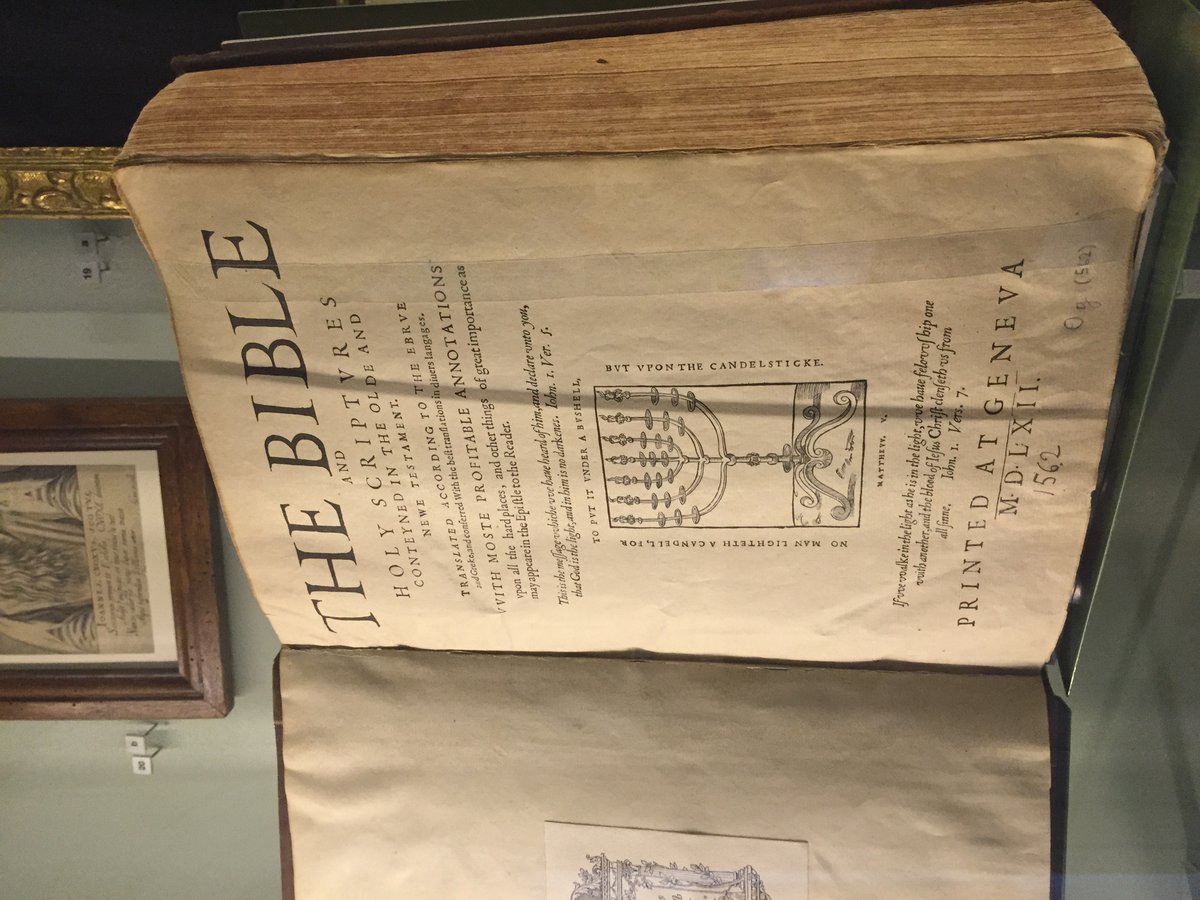
Image of the Geneva Bible, an English Bible associated with John Calvin, displayed in August 2015 at the International Museum of the Reformation
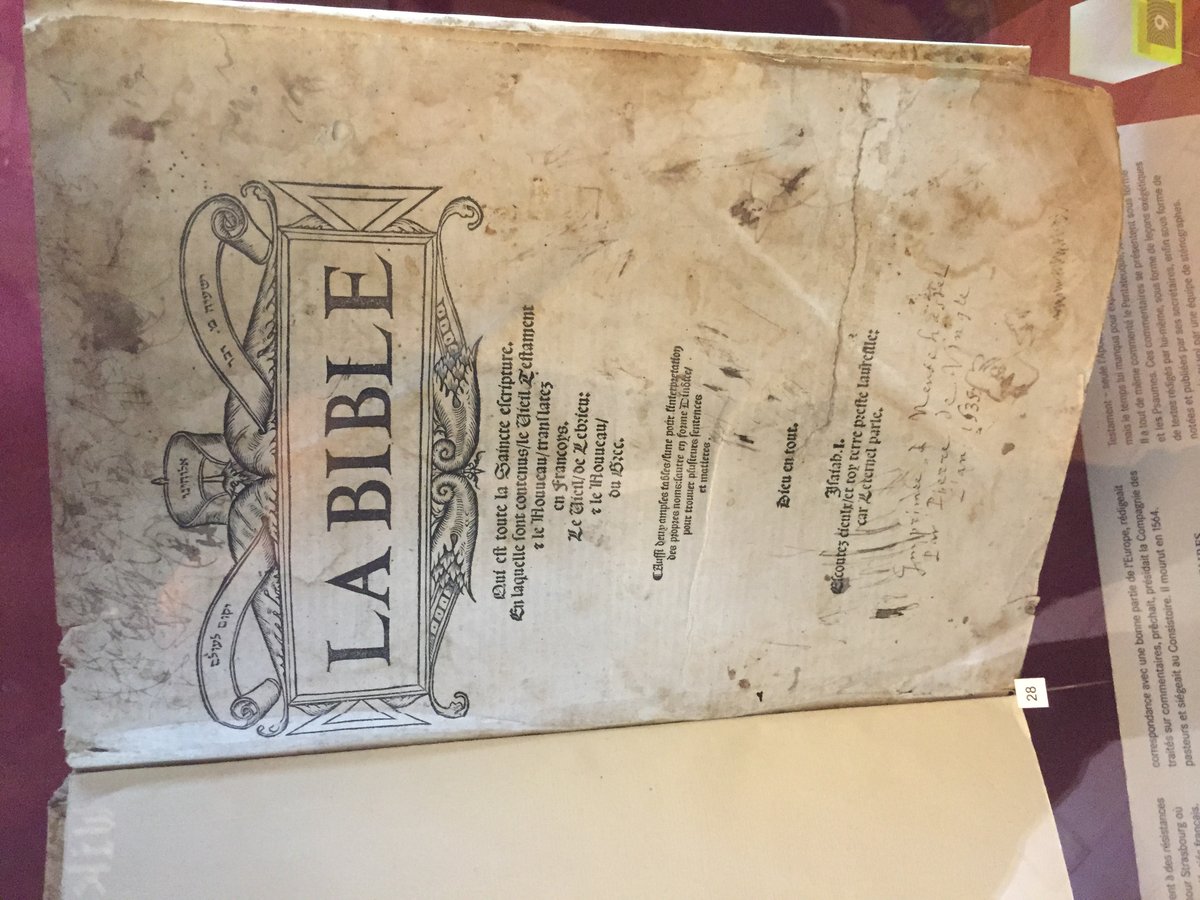
French Bible translated by Olivétan exhibited in August 2015 at the International Museum of the Reformation showcasing historical religious texts.
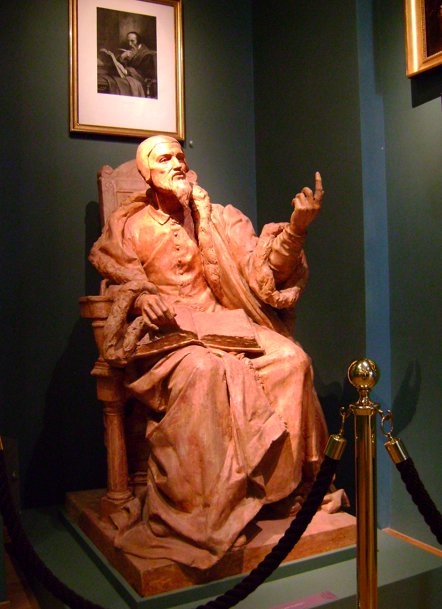
Image of the Jean Calvin statue created by Maurice Raymond (1862-1910), displayed at the International Museum of the Reformation in Geneva, Switzerland.
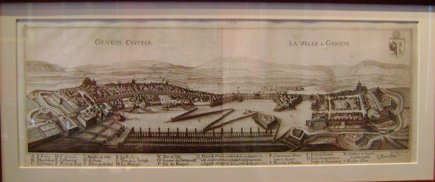
Historical 17th century map of Geneva created by Pierre Chouet, printer and council member, displayed at the International Museum of the Reformation in Geneva, Switzerland.
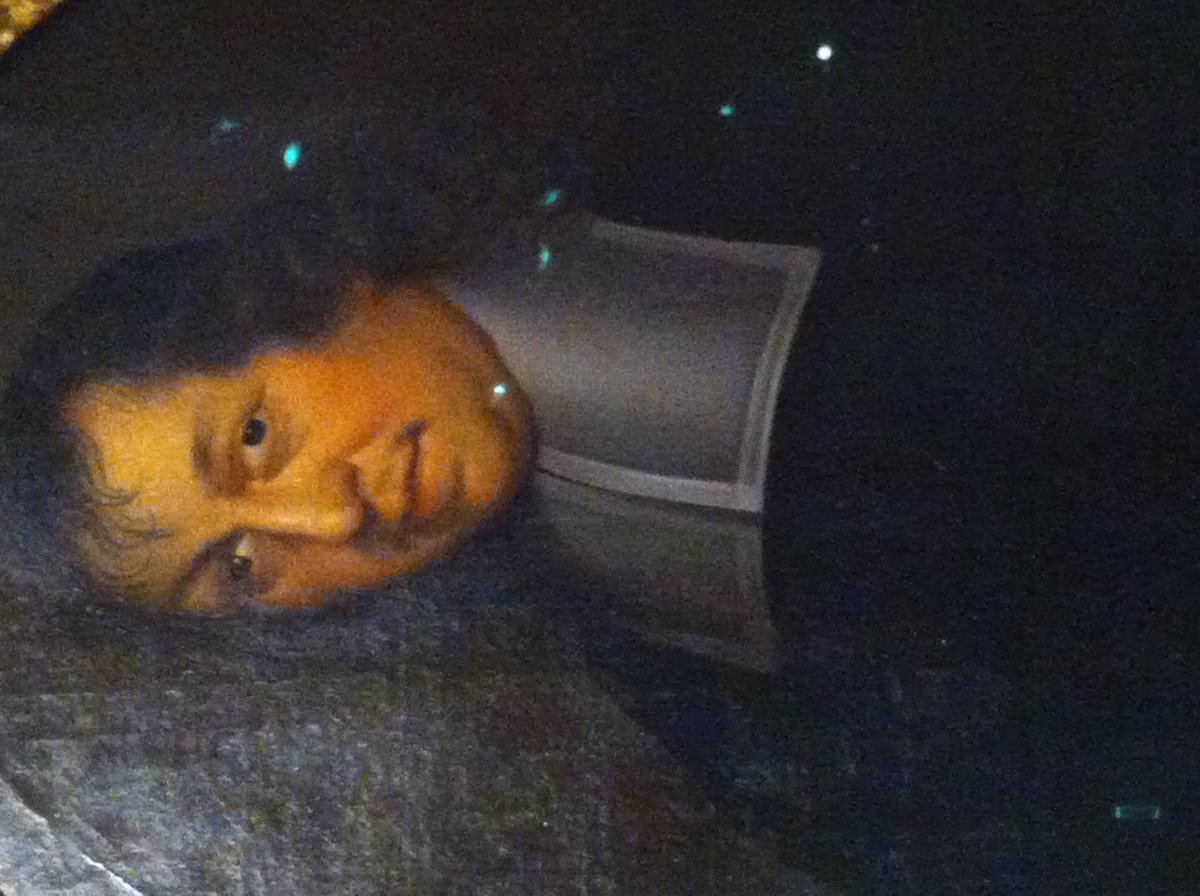
Portrait of Jean Claude (1619-1687), a prominent French Protestant pastor and leader known for his influential role in the 17th century.
Historical Background
Origins of the Reformation
The Reformation was a monumental movement in the 16th century that fundamentally altered the landscape of Christianity. Initiated by figures such as Martin Luther and John Calvin, the Reformation sought to address and rectify perceived corruptions and doctrinal errors within the Roman Catholic Church. Martin Luther's 95 Theses, nailed to the door of the Wittenberg Castle Church in 1517, is often cited as the spark that ignited the Reformation (HistoryHit).
Geneva's Role in the Reformation
Geneva played a pivotal role in the Reformation, largely due to the influence of John Calvin. Calvin arrived in Geneva in 1536, the same year the city officially adopted the Reformation. His rigorous theological and social reforms transformed Geneva into a hub of Protestant thought and practice. The city became known as the "Protestant Rome," attracting reformers from across Europe (MySwitzerland).
Establishment of the International Museum of the Reformation
The International Museum of the Reformation (Musée International de la Réforme) was established in 2005 to commemorate and educate the public about the Reformation's history and impact. The museum is housed in the Maison Mallet, an 18th-century building constructed on the site of the former St. Pierre's Cloister, where the Reformation was voted in 1536 (HistoryHit).
Architectural Significance
The Maison Mallet itself is of historical significance. Built in the 18th century, it stands on the foundations of St. Pierre's Cathedral's cloisters. This location is symbolic, as it was here that the Reformation was officially adopted in Geneva. The building was also the home of Gedeon Mallet, a notable Huguenot, adding another layer of historical relevance (IART).
Key Exhibits and Artifacts
The museum's collection spans five centuries and includes a variety of artifacts that illustrate the Reformation's history and its global impact. Key exhibits include:
- Original Manuscripts: One of the museum's prized possessions is an original manuscript by Martin Luther, titled "D.M.LUTHER TO A GOOD FRIEND," dating back to the 16th century. This manuscript, donated by a private collector in 2012, offers a glimpse into Luther's thoughts and personality (Musée Protestant).
- 16th-Century Bibles: The museum boasts an impressive collection of 16th-century Bibles in various languages, highlighting the Reformers' efforts to make the scriptures accessible to the general populace (Lake Geneva Switzerland).
- Propaganda Pamphlets and Posters: These artifacts illustrate the intense polemics between Protestants and Roman Catholics, showcasing how both sides used similar methods to attack and discredit each other (Lake Geneva Switzerland).
Thematic and Chronological Arrangement
The museum's exhibits are arranged both thematically and chronologically, providing a comprehensive overview of the Reformation's development and its enduring legacy. The rooms cover various aspects of the Reformation, including:
- The Bible Room: This room emphasizes the central role of the Bible in the Reformation. It features a special showcase for Martin Luther and his contributions, including translations of the Bible into vernacular languages (Musée Protestant).
- The Music Room: This room explores the role of music in the Reformation, featuring moving lights and kinetic installations that create a sensory experience (IART).
- The Barbier-Muller Room: This room focuses on the Reformation in France and the Wars of Religion, providing insights into the broader European context of the movement (Musée Protestant).
Modern Media and Interactive Installations
The museum employs modern media and interactive installations to engage visitors and enhance their understanding of the Reformation. These include:
- Animated Wall Projections: An interactive map illustrates the geographical spread of Reformed Christians over the centuries, highlighting significant events and the current distribution of Protestant denominations (IART).
- Audio-Visual Presentations: These presentations provide an overview of the Reformation's development and feature debates among religious leaders on theological issues such as predestination (Lake Geneva Switzerland).
Cultural Activities and Educational Programs
The museum also offers a range of cultural activities and educational programs designed to cater to diverse audiences. These include:
- Lectures and Workshops: The museum hosts lectures and workshops aimed at deepening visitors' understanding of the Reformation and its key figures (Musée Protestant).
- Interactive Trails and Discovery Visits: These activities are designed to engage young people and families, making the museum experience more interactive and enjoyable (Musée Protestant).
- School Programs: Specially designed visits and informative leaflets are available for teachers and students, providing an educational experience tailored to their needs (Musée Protestant).
Accessibility and Visitor Information
The museum is located in the heart of Geneva's old town, next to St. Pierre's Cathedral. It is easily accessible by public transport, with several bus lines stopping nearby. The museum is open from Tuesday to Sunday, 10 a.m. to 5 p.m., and offers a combined admission ticket that includes access to the museum, the cathedral, its towers, and the archaeological site (MySwitzerland).
Ticket Prices
- Adults: CHF 13
- Seniors (over 65): CHF 10
- Students (under 25): CHF 8
- Children (under 6): Free
- Family (2 adults + 2 children): CHF 25
Travel Tips and Nearby Attractions
- Nearby Attractions: St. Pierre's Cathedral, the Reformation Wall, and the Parc des Bastions are all within walking distance from the museum.
- Accessibility: The museum is wheelchair accessible and offers services for visitors with disabilities.
- Guided Tours: Check the museum's official website for information on guided tours and special events.
FAQs
- What are the opening hours of the International Museum of the Reformation? The museum is open from Tuesday to Sunday, 10 a.m. to 5 p.m.
- How much does it cost to visit the International Museum of the Reformation? Ticket prices vary, with adults at CHF 13, seniors at CHF 10, students at CHF 8, and family tickets at CHF 25.
- Is the museum accessible for visitors with disabilities? Yes, the museum is wheelchair accessible and offers services for visitors with disabilities.
Listen to the full story in the app
Your Personal Curator, in Your Pocket.
Audio guides for 1,100+ cities across 96 countries. History, stories, and local insight — offline ready.
Audiala App
Available on iOS & Android
Join 50k+ Curators
Sources
- verified
- verified
- verified
- verified
- verified
Last reviewed: