Introduction
The Georges Kastrioti Dit Skanderbeg Monument in Geneva, Switzerland, stands as a profound tribute to Gjergj Kastrioti Skanderbeg (1405–1468)—Albania’s revered national hero. Famed for his extraordinary resistance against Ottoman expansion in the 15th century, Skanderbeg symbolizes unity, resilience, and the defense of European heritage. The monument is not only a site of remembrance for the Albanian diaspora in Geneva but also a focal point for visitors interested in European history and cross-cultural dialogue. Set in scenic public parks such as Parc Mon Repos and Parc des Bastions, the monument is easily accessible and open year-round, offering a unique opportunity to engage with Albania’s historical narrative in the heart of Geneva (meer.com, Raymond Ibrahim, 2023, Wikipedia).
Early Life and Background of Skanderbeg
Gjergj Kastrioti, known as Skanderbeg, was born into the influential Kastrioti family in northern Albania. His father, Gjon Kastrioti, was a local prince, and his mother, Voisava, came from a noble lineage possibly connected to the Serbian Branković or Albanian Muzaka families (World History Edu). As a child, Skanderbeg was taken hostage by the Ottoman Empire, educated at the Enderun School in Edirne, and converted to Islam. He earned the name "Iskander Bey" (Skanderbeg) after Alexander the Great and rose to a prominent role within the Ottoman military (Britannica).
Skanderbeg’s Rise and Military Achievements
After rising through the Ottoman ranks, Skanderbeg became the sanjakbey of Dibra. In 1443, following the Battle of Nish, he defected from the Ottomans, reclaimed his ancestral lands, and returned to Christianity. He united Albanian nobles by founding the League of Lezhë in 1444, leading a prolonged resistance that prevented Ottoman conquest of Albania and protected parts of Europe for over two decades. Skanderbeg’s victories, particularly at the Battle of Albulena in 1457, earned him recognition as "Athleta Christi" by the Papacy (Raymond Ibrahim, 2023). His legacy endures in literature, art, and as a catalyst for national movements (Wikipedia).
The Monument’s Artistic and Cultural Significance
Geneva’s Skanderbeg Monument serves as both an artistic tribute and a symbol of Albanian heritage. Unlike the larger equestrian statues found in Tirana and Skopje, the Geneva monument features a bronze bust capturing Skanderbeg’s determined expression, complete with his iconic goat’s head helmet—an emblem of strength and resilience. Erected in 1997 through the efforts of the Albanian community and local authorities, the monument is strategically placed near international institutions like the World Trade Organization, reinforcing Skanderbeg’s broader significance as a defender of European values (meer.com; fsspx.ch).
Visiting the Skanderbeg Monument: Hours, Tickets, and Access
Location
- Primary Locations: Parc Mon Repos (lakeside, near WTO/Centre William Rappard) and Parc des Bastions (central Geneva, Rue de la Croix-Rouge, 1204 Geneva) (mapcarta.com).
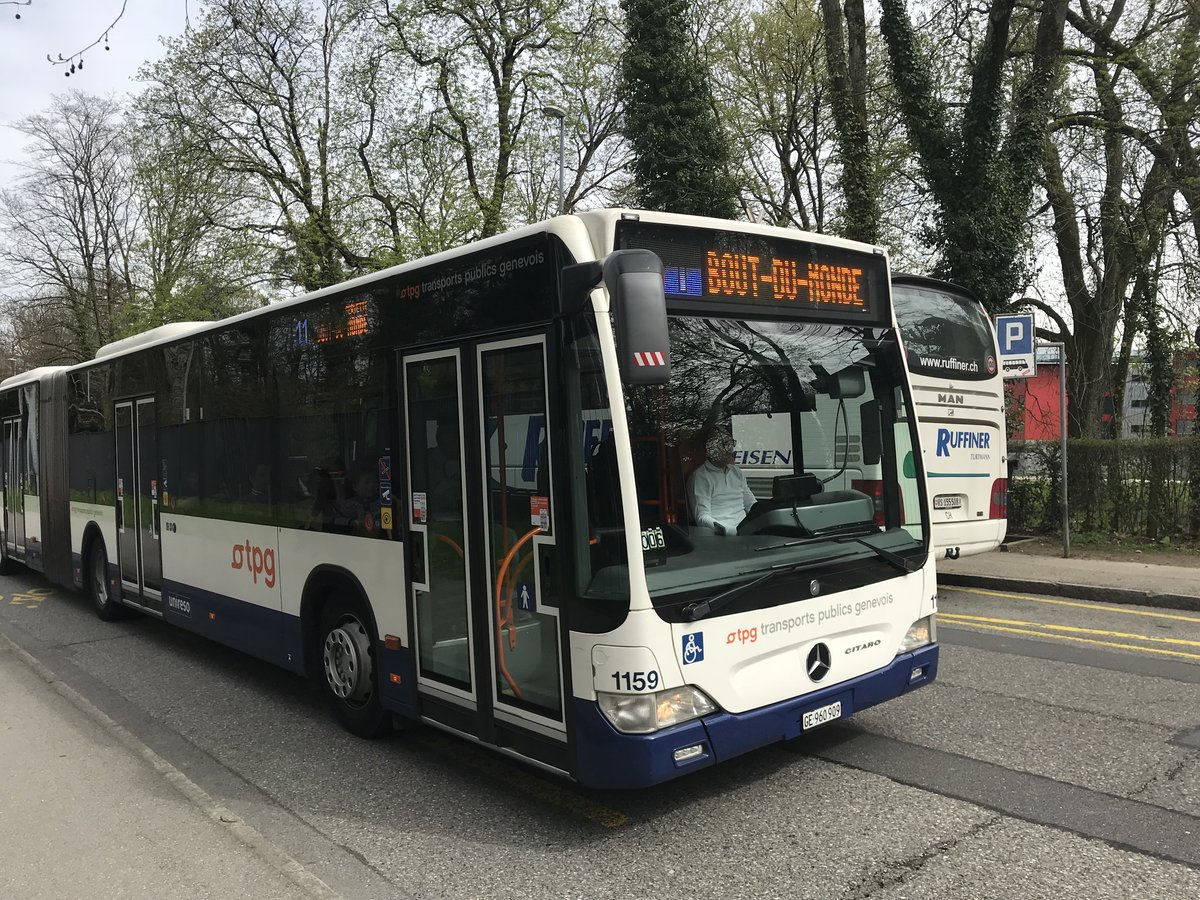
- Public Transport: Easily reached by tram or bus from Gare Cornavin (main station); stops at Sécheron and Les Pâquis are within walking distance.
Visiting Hours and Entry
- Parc Mon Repos: Open daily from 6:00 AM to 10:00 PM.
- Parc des Bastions: Also open 6:00 AM to 10:00 PM.
- Ticketing: Admission is free; no tickets or reservations required.
Accessibility
- The parks and monument sites are wheelchair and stroller accessible, with paved paths and ramps.
- Benches, flowerbeds, and multilingual informational plaques enhance the visitor experience.
Practical Travel Tips and Nearby Attractions
- Best Time to Visit: May to September offers pleasant weather. Early morning or late afternoon light is ideal for photos.
- Safety: Geneva is safe, but visitors should respect the monument, especially during community events (ocnal.com).
- Photography: Allowed at all times; golden hour provides the best light.
- Nearby Attractions:
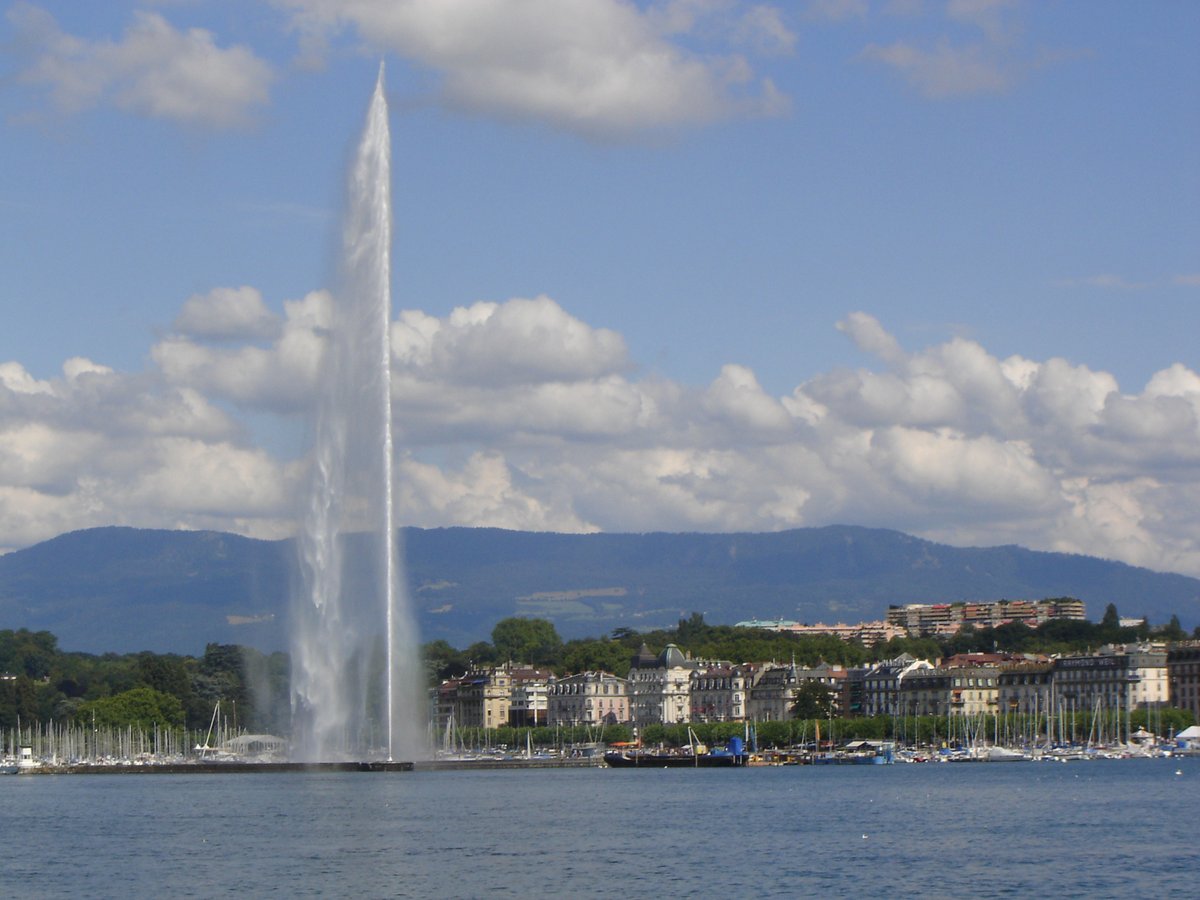
- Jet d’Eau: Iconic lakeside fountain (The Crazy Tourist).
- Old Town: Historic streets, shops, and cafes (Geneva.info).
- Palace of Nations: UN’s European headquarters.
- Centre William Rappard: WTO headquarters, tours available.
- Parc Mon Repos & Parc des Bastions: Both parks are ideal for picnics and relaxation.
Cultural Importance for the Albanian Diaspora
The monument serves as a cultural hub for Geneva’s Albanian community, hosting commemorations on Albanian national holidays such as Independence Day (November 28) and Skanderbeg Day (January 17). It fosters intercultural dialogue and highlights Geneva’s cosmopolitan spirit. Events at the site include speeches, musical performances, and traditional dances, reinforcing Skanderbeg’s enduring legacy and the community’s connection to their heritage (meer.com).
Frequently Asked Questions (FAQs)
Q: What are the monument’s visiting hours?
A: Both Parc Mon Repos and Parc des Bastions are open from 6:00 AM to 10:00 PM daily.
Q: Is there an entry fee?
A: No, the monument is in a public park and is free to visit.
Q: Is the monument accessible to people with disabilities?
A: Yes, the site is wheelchair and stroller friendly.
Q: Are guided tours available?
A: While no dedicated tours focus solely on the monument, it is included in some city walking tours and self-guided mobile apps (GPSmyCity).
Q: What is the best way to get there?
A: Use Geneva’s efficient tram or bus system; parking is limited.
Q: When are the best times to visit?
A: Spring and summer, and during Albanian national celebrations for a richer cultural experience.
Listen to the full story in the app
Your Personal Curator, in Your Pocket.
Audio guides for 1,100+ cities across 96 countries. History, stories, and local insight — offline ready.
Audiala App
Available on iOS & Android
Join 50k+ Curators
Sources
- verified
- verified
- verified
- verified
- verified
- verified
- verified
- verified
- verified
- verified
- verified
- verified
Last reviewed: