Introduction: Emmanuel Episcopal Church and Its Significance in Geneva
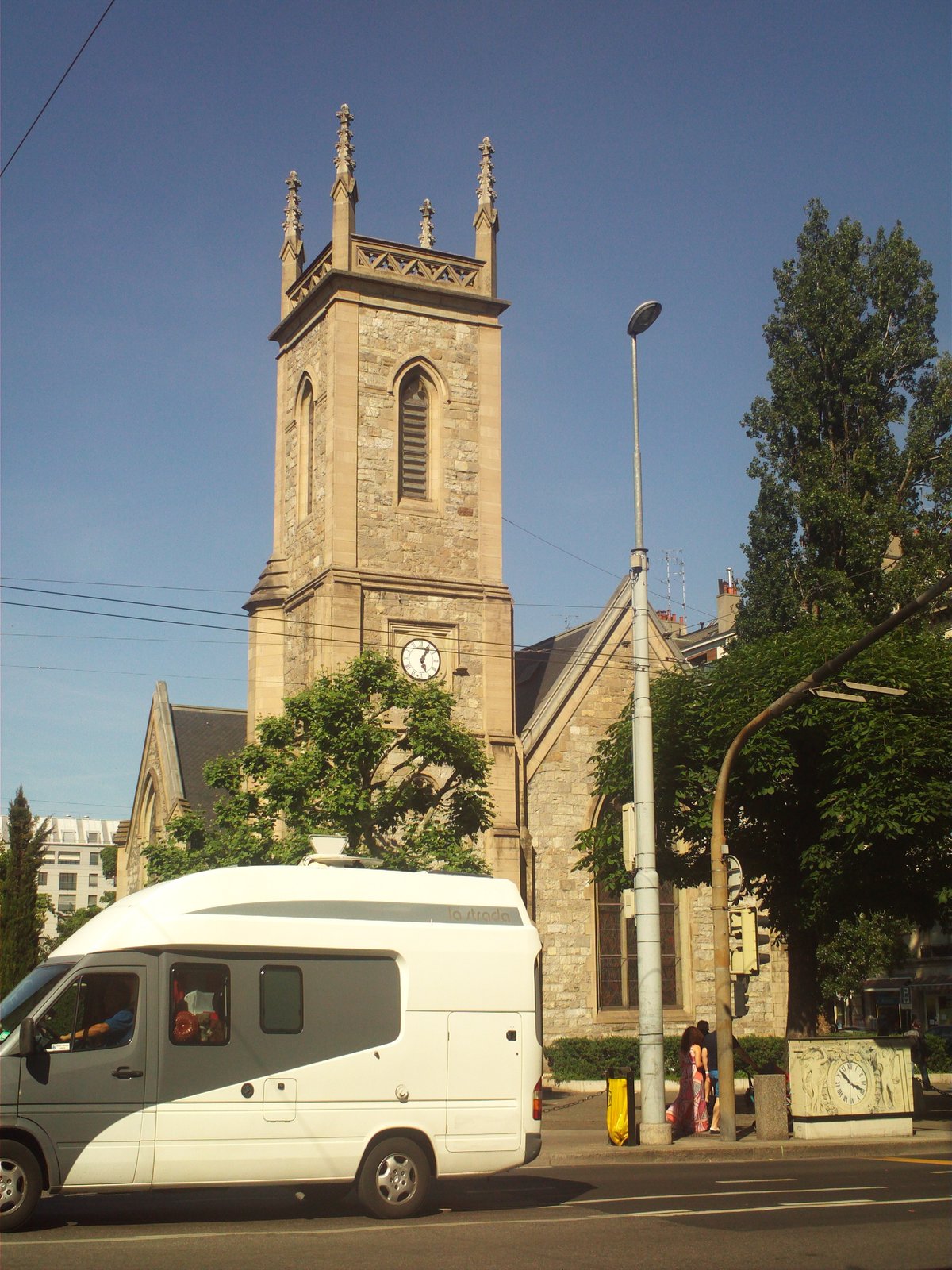
Emmanuel Episcopal Church, gracefully positioned near the shores of Lake Geneva, is one of the city’s most distinguished historical and cultural landmarks. Established in 1873 by American expatriates, the church embodies a unique fusion of American Episcopal tradition with Swiss influences, both in its architecture and community life. Its history is marked by the laying of the cornerstone by former U.S. President Ulysses S. Grant and a legacy of international dialogue, making it a significant destination for anyone interested in Geneva’s religious, architectural, or multicultural heritage.
The church’s Gothic Revival architecture—characterized by pointed arches, beautiful stained glass, and intricate woodwork—is a draw for art and architecture enthusiasts. Its welcoming congregation, English-language resources, and ongoing community events make Emmanuel Episcopal Church not just a historical monument but also a vibrant hub for spiritual and cultural exchange. Visitors can experience a combination of serene worship, rich history, and engaging community life, all within easy reach of other Geneva landmarks such as Parc des Bastions and the Reformation Wall.
For the latest information on visiting hours, tours, and events, consult the official Emmanuel Episcopal Church website.
Welcome to Emmanuel Episcopal Church: A Historic and Cultural Gem
Emmanuel Episcopal Church is a captivating destination for visitors seeking to explore Geneva’s historical sites or find a peaceful spiritual space. From its 19th-century American roots to its current status as a multicultural worship center, the church invites guests to appreciate its architectural splendor, participate in community events, or simply enjoy its tranquil garden setting. This guide provides all essential information for planning your visit and understanding the church’s rich legacy.
Early Foundations and American Origins
The church was founded in 1873 after American expatriates in Geneva sought to establish an Episcopal congregation. Following an initial period of independent worship, the community was formally organized under Reverend William Chauncy Langdon, with the first official service taking place on July 28, 1873. By August of that year, the parish adopted the name “Emmanuel,” laying the groundwork for a lasting institution that would serve Americans and an increasingly diverse population.
Construction and Presidential Involvement
In 1876, the Emmanuel Chapel Company secured land on rue des Voirons (now 3 Rue de Monthoux) for a permanent church. This site, reclaimed from Lake Geneva, provided a fitting location for the new landmark. The cornerstone was laid by former U.S. President Ulysses S. Grant in 1877, symbolizing the strong American connection. The church was consecrated the following year and quickly became an anchor for the local and expatriate communities.
Postwar Growth and International Congregation
After World War II, Geneva’s growing international community, including many Americans, found a spiritual home at Emmanuel. Over the decades, the congregation diversified, reflecting Geneva’s cosmopolitan character. Today, Emmanuel Episcopal Church welcomes people of many backgrounds, with services and programs offered in both English and French.
The adjacent Library in English (formerly the American Library), founded shortly after the addition of the Parish Hall in 1930, continues to serve as one of Geneva’s largest English-language libraries and a center for cultural exchange.
Architectural Highlights and Artistic Features
Exterior Design and Setting
The church’s Gothic Revival style is evident in its pointed arches, lancet windows, and stone buttresses. Its modest bell tower marks the building as a neighborhood landmark, while the surrounding garden offers a peaceful retreat from city life. The church’s orientation and compact scale reflect both Anglican tradition and the constraints of its urban setting (Geneva Churches Guide).
Interior Layout, Stained Glass, and Furnishings
Inside, the nave is lined with wooden pews and illuminated by a series of stained glass windows depicting biblical scenes and Christian symbols. The chancel features a carved altar and pulpit, with artistic woodwork in oak and walnut. The east window, above the altar, is especially notable for its vibrant colors and intricate iconography (Stained Glass in Anglican Churches).
A historic pipe organ, installed in the early 20th century, serves as the centerpiece for the church’s rich musical life and regular concerts (Geneva Music Venues).
Symbolism and Iconography
The church interior is adorned with memorial plaques and inscriptions in English and French, reflecting its international heritage. Liturgical colors and textiles change with the church calendar, and visual motifs—crosses, lilies, vines—emphasize the depth of Anglican tradition (Liturgical Colors Explained).
Visitor Information and Practical Tips
Visiting Hours and Admission
-
Main Visiting Hours:
Monday–Saturday: 9:00 AM – 5:00 PM
Sunday: 8:00 AM – 12:30 PM
(Hours may vary during holidays and special events; check official website for updates.) -
Admission:
Free. Donations are welcome to support maintenance and outreach.
Accessibility
- Wheelchair access is available via the Sanctuary entrance at 4 Rue Dr Alfred-Vincent.
- Accessible restrooms and seating are provided.
- Assistance can be arranged by contacting the church office in advance.
Location and Transportation
- Address: 3 Rue de Monthoux, 1201 Geneva, Switzerland
- Sanctuary Entrance: 4 Rue Dr Alfred-Vincent
- A short walk from Gare Cornavin (main train station)
- Served by Geneva’s tram and bus network (nearest stops: Bel-Air for trams 12 and 18)
- Limited nearby parking; public transport recommended
Guided Tours and Special Events
- Guided tours are available by appointment and provide insights into the church’s history and architecture.
- The church hosts regular concerts, workshops, and community events.
- For current schedules and booking, visit the Emmanuel Episcopal Church Events page.
Photography and Visitor Etiquette
- Photography is allowed except during services or private events.
- Visitors are asked to maintain a respectful and quiet atmosphere, especially during worship.
- Dress is smart-casual; please silence mobile devices.
Community Life, Worship, and Activities
- Sunday Services:
8:30 AM (Holy Eucharist, often outdoors)
10:30 AM (Holy Eucharist or Morning Prayer with music, streamed online) - Midweek Prayers:
Wednesday at 12:30 PM (Zoom) - Monthly French Service:
Saturday at 5:00 PM - Special Ceremonies:
Weddings, baptisms, confirmations, and funerals available to all. - Community and Outreach:
Bible studies, youth programs, service projects, and social events foster a welcoming, multicultural environment.
Nearby Attractions
Combine your visit to Emmanuel Episcopal Church with a tour of Geneva’s key historical sites:
- St. Pierre Cathedral
- The Reformation Wall Monument
- Parc des Bastions
- Museum of the Reformation
- Lake Geneva and the Jet d’Eau fountain
The church’s central location in the Pâquis district also offers access to diverse dining and cultural experiences.
Frequently Asked Questions (FAQ)
Q: What are the church’s visiting hours?
A: Monday–Saturday: 9:00 AM–5:00 PM; Sunday: 8:00 AM–12:30 PM. Check the website for holiday updates.
Q: Is there an entrance fee?
A: No, admission is free. Donations are appreciated.
Q: Are guided tours offered?
A: Yes, by appointment. Contact the church office or visit the Events page for details.
Q: Is the church accessible for people with disabilities?
A: Yes, with step-free access and accessible facilities.
Q: Can non-members attend services or events?
A: Absolutely. All are welcome.
Q: Can I take photos inside?
A: Yes, outside of service times.
Q: What languages are services held in?
A: Primarily English, with monthly French-language services.
Listen to the full story in the app
Your Personal Curator, in Your Pocket.
Audio guides for 1,100+ cities across 96 countries. History, stories, and local insight — offline ready.
Audiala App
Available on iOS & Android
Join 50k+ Curators
Sources
- verified
- verified
- verified
- verified
- verified
Last reviewed: