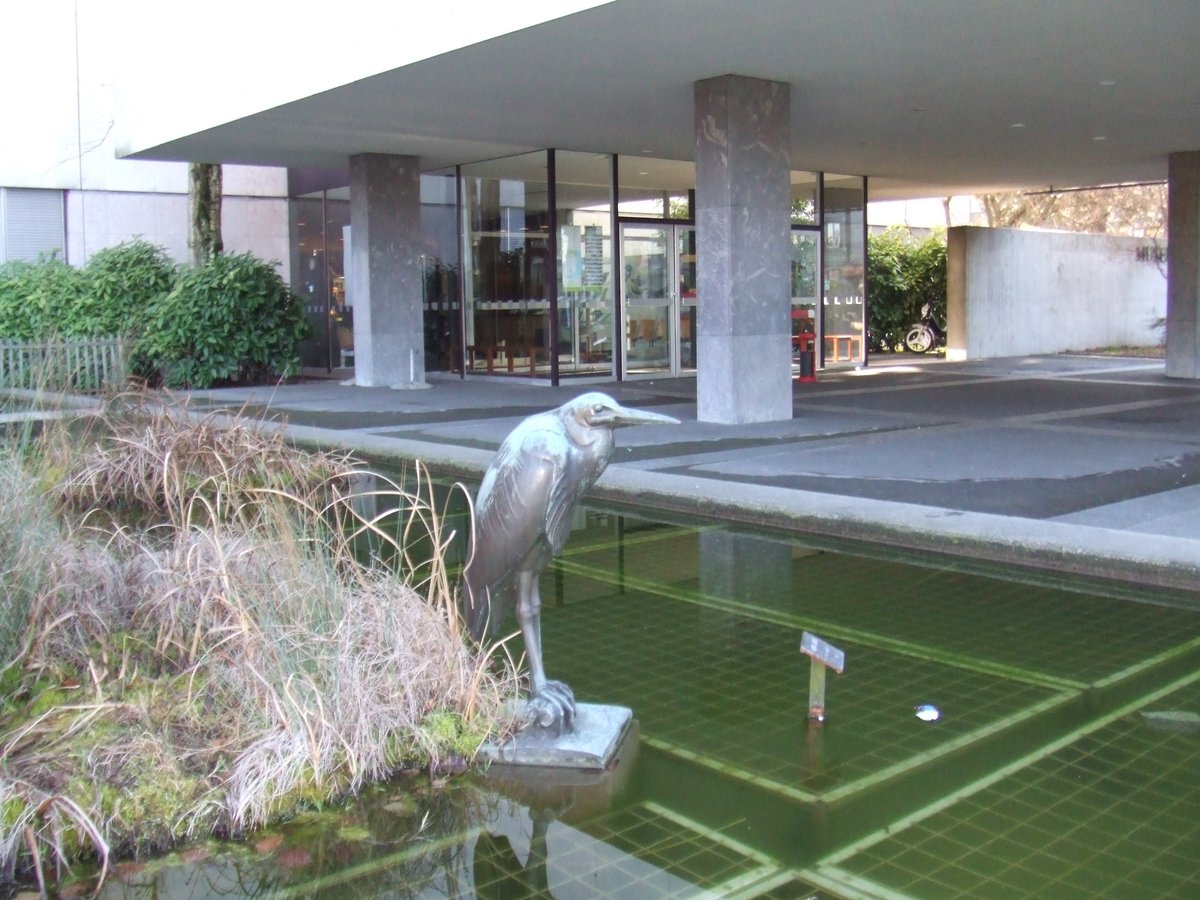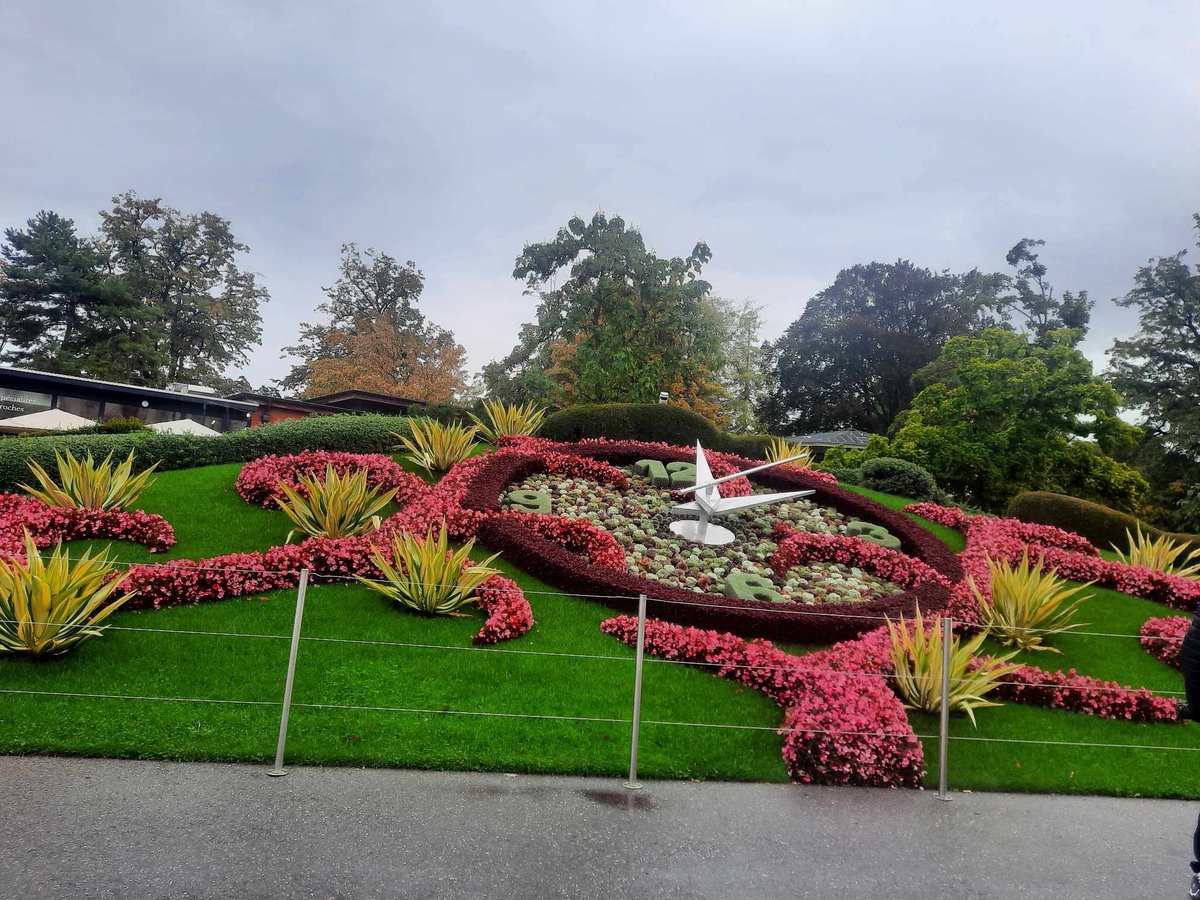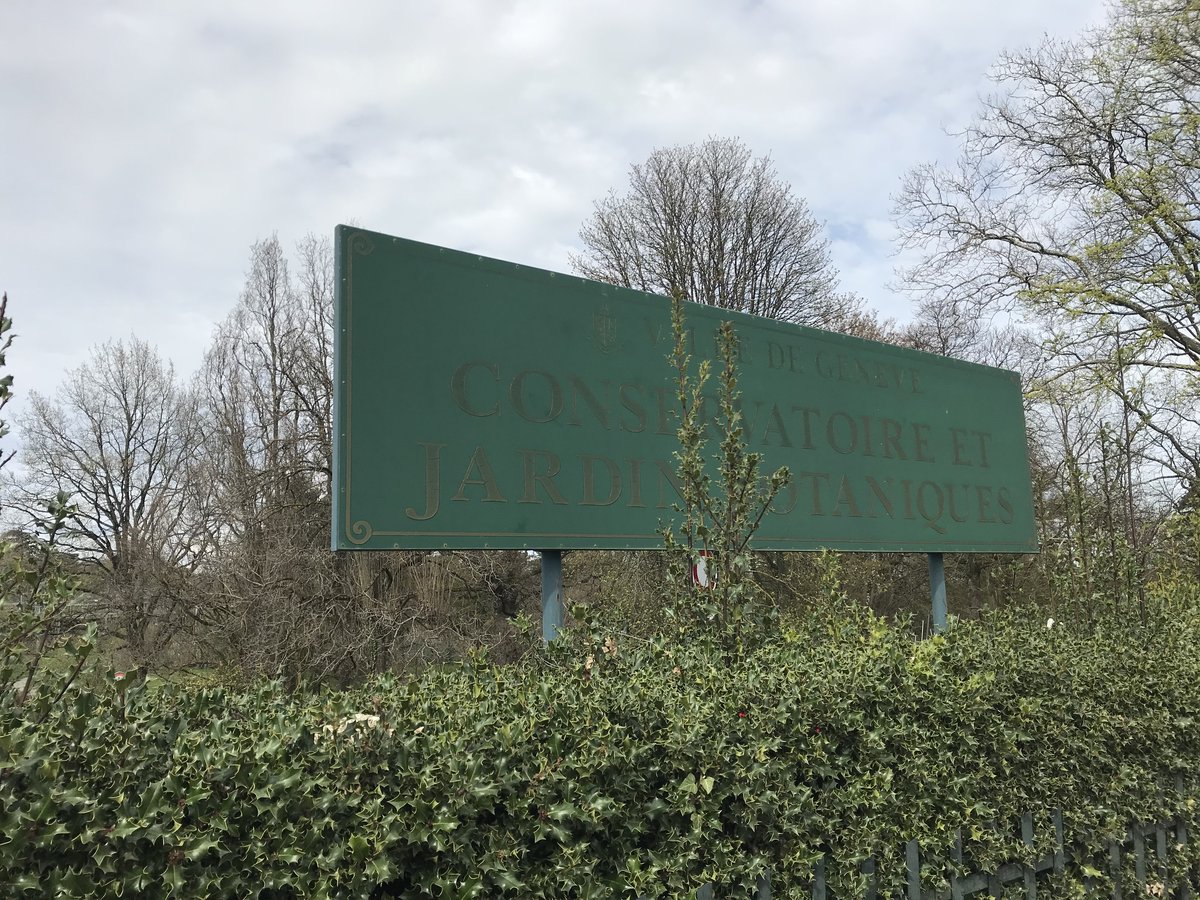
Plan and listen to Conservatory And Botanical Garden Of The City Of Geneva with Audiala.
Audio guide in your pocket, itinerary in your browser. Built for the way you actually visit.
Introduction
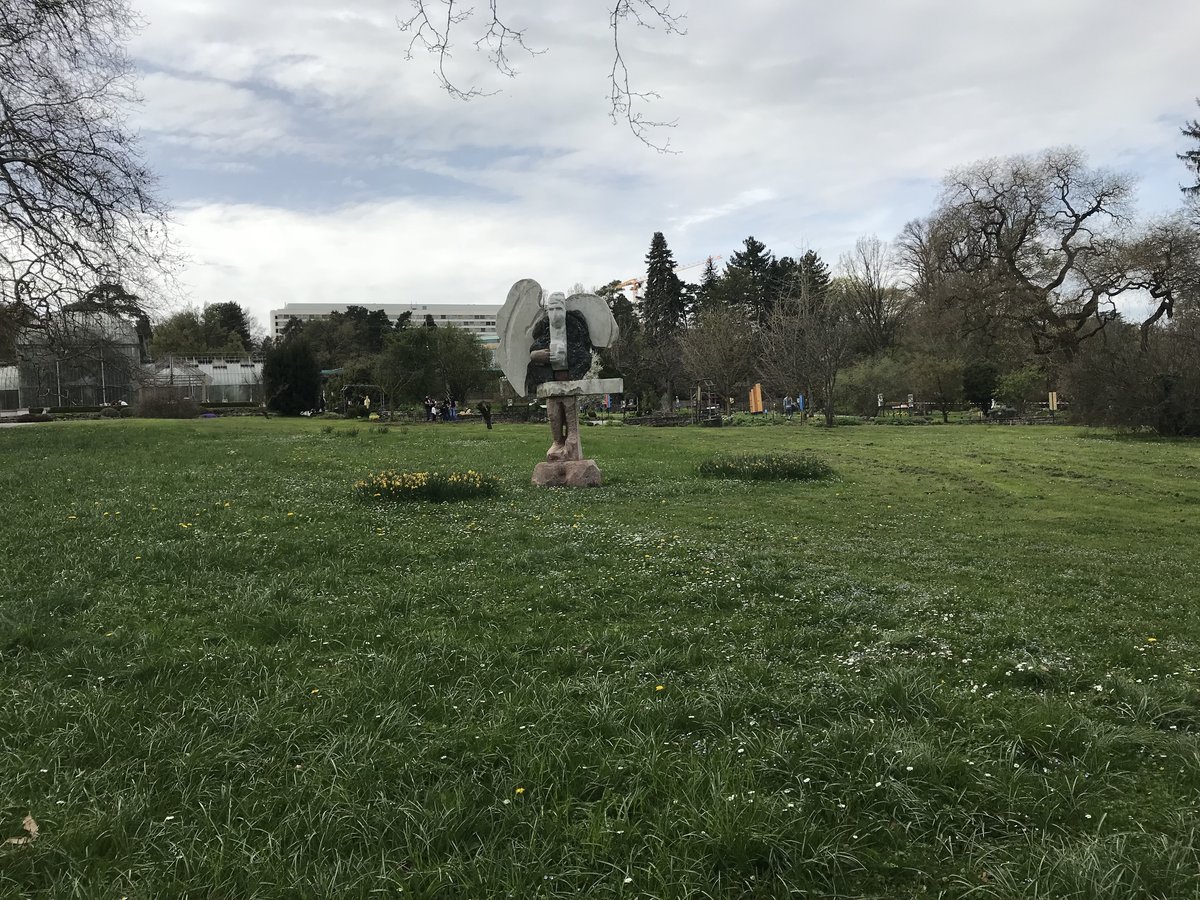
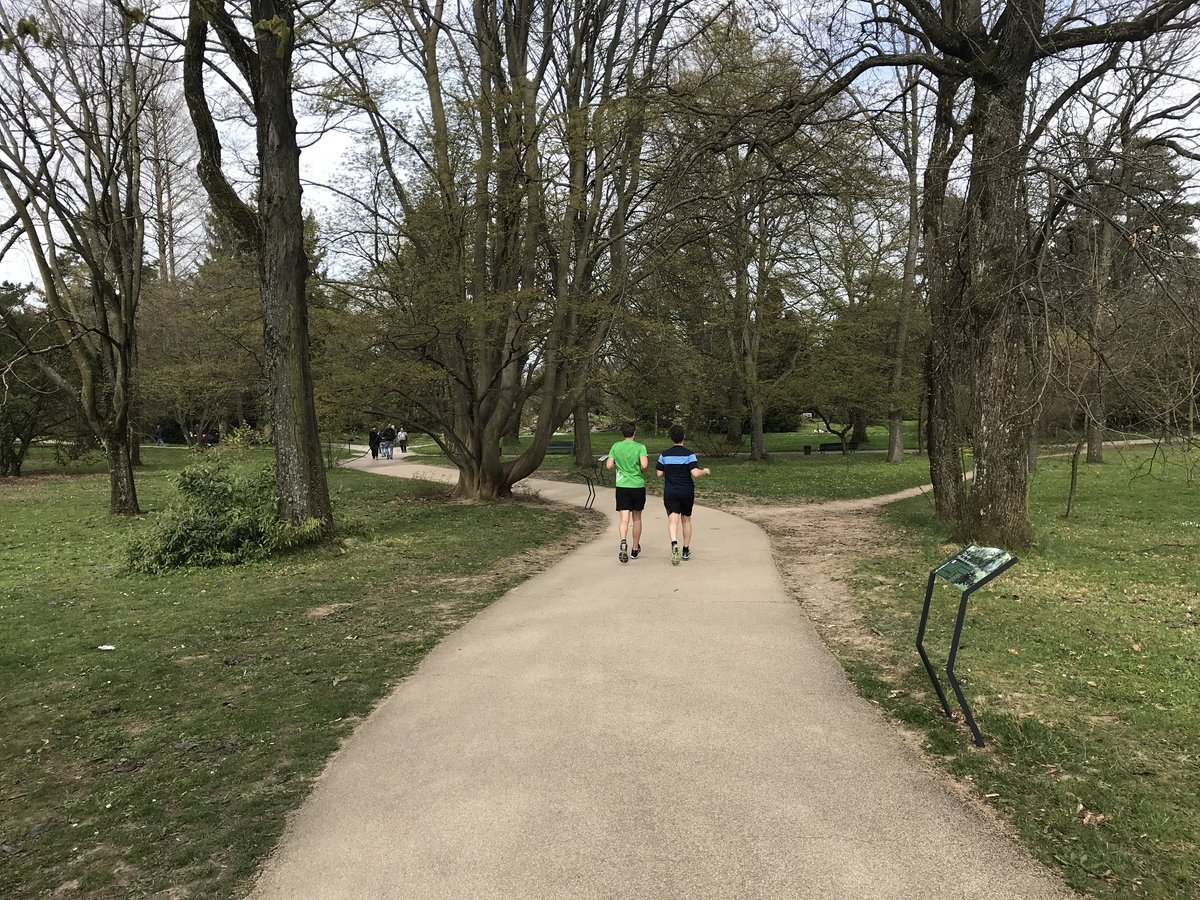
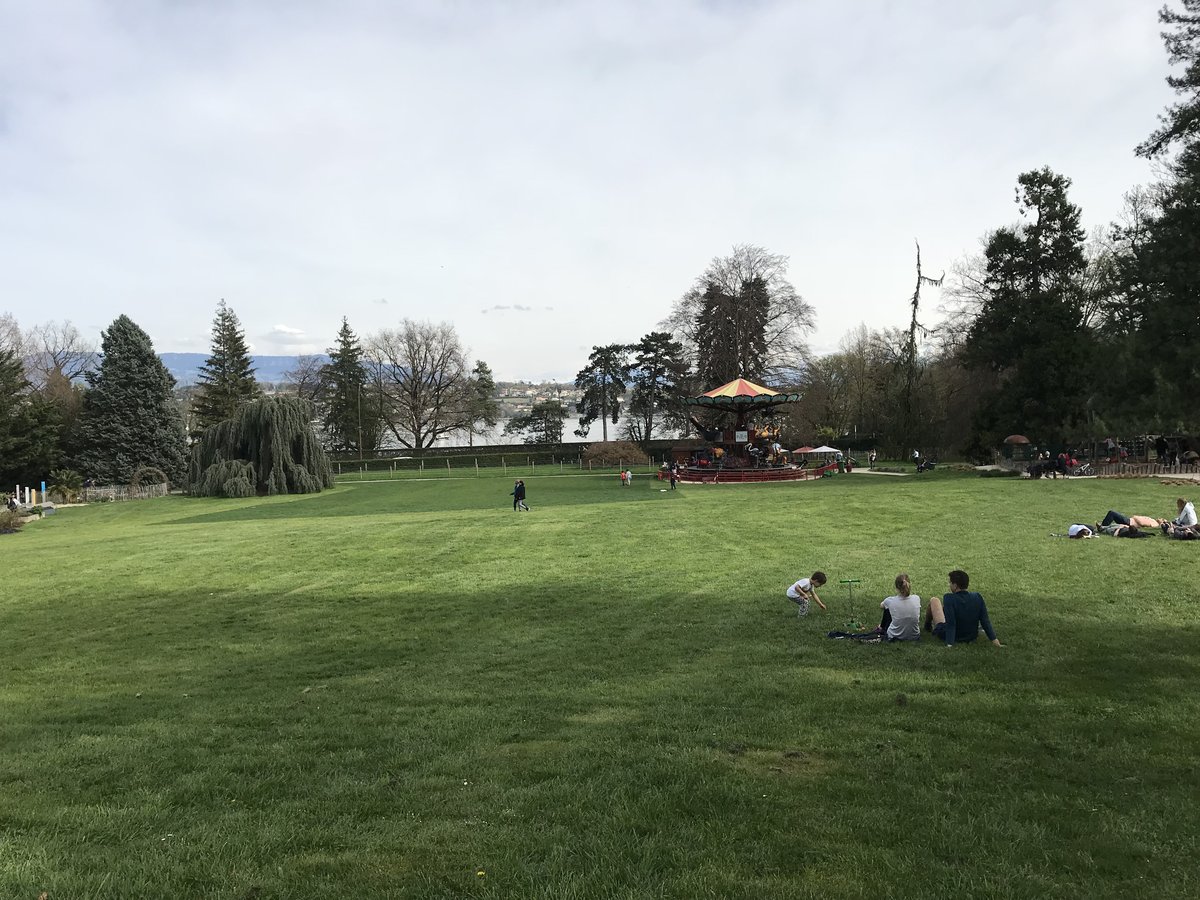
The Conservatory and Botanical Garden of the City of Geneva (CJBG) stands as a testament to over two centuries of botanical research, conservation, and public engagement. Located on the edge of Geneva’s city center, near Lake Geneva and the Palais des Nations, this 28-hectare oasis boasts over 16,000 plant species, thematic gardens, historic greenhouses, a world-renowned herbarium, and a family-friendly zoo. With a legacy of scientific discovery and community involvement, CJBG offers an immersive experience that bridges nature, culture, and research (myswitzerland.com; cjbg.ch).
CJBG is recognized as a hub for botanical science, actively participating in international collaborations, contributing to the IUCN Red List, and pioneering sustainability in urban green spaces. Its accessibility, guided tours, workshops, and inclusive amenities make it a cherished landmark for locals and visitors alike (bgci.org; bbg.ge; cjbg.ch; myswitzerland.com). This guide provides everything you need to plan an enriching visit, including historical background, practical tips, and highlights.

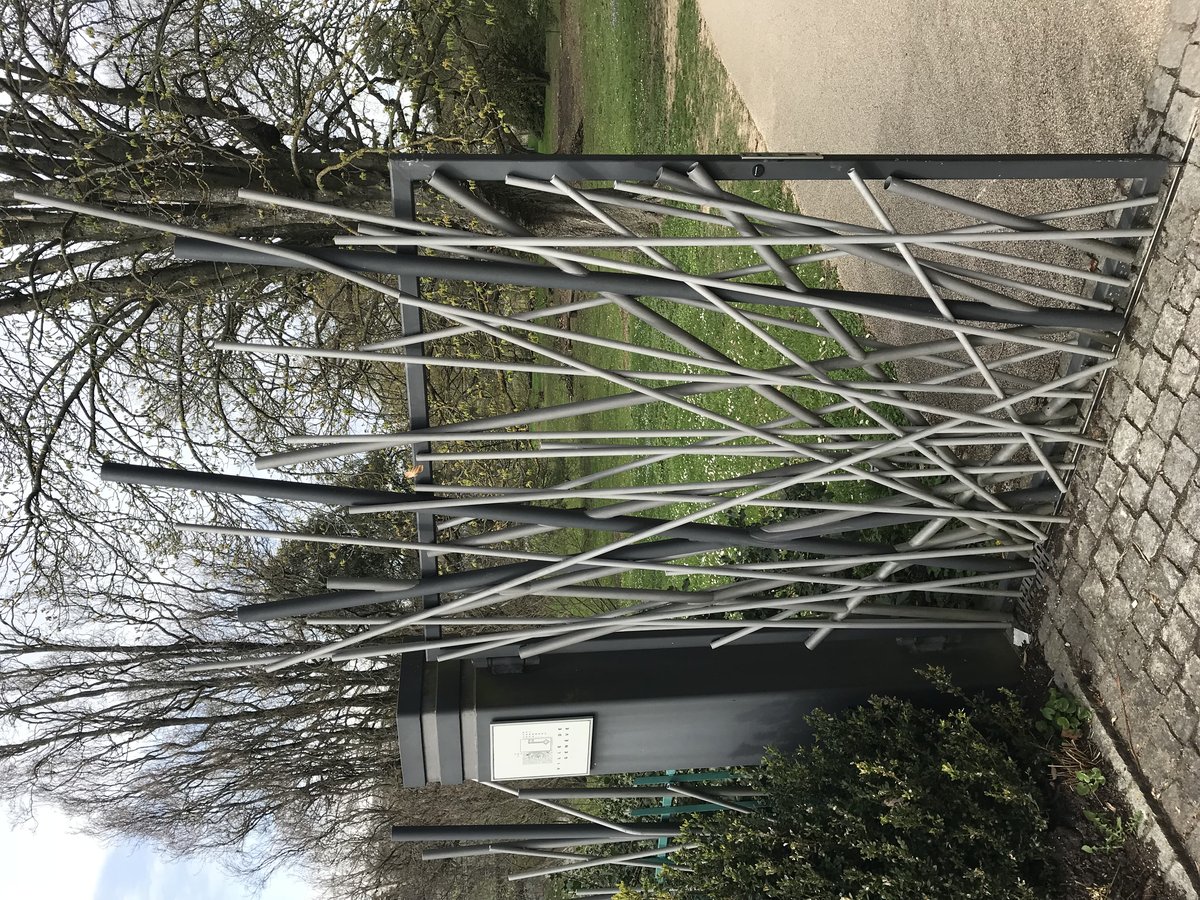
Historical Evolution
Early Foundations and Relocation
The CJBG was founded in 1817, originally located near Bastions Park to serve Geneva’s scientific and educational ambitions. By 1904, the garden moved to its present location, adjacent to Lake Geneva and the Palais des Nations, enabling substantial expansion and the cultivation of a vast diversity of plant species (myswitzerland.com).
Architectural Developments and Landscape Design
Thematic Organization and Greenhouses
The garden’s 28 hectares are organized into systematic, ethnobotanical, alpine, and arboretum sections. Notable features include:
- Systematic Gardens: Educational layouts by botanical family.
- Ethnobotanical Collections: Plants of economic and medicinal value.
- Alpine and Arboretum Areas: Celebrating Swiss mountain flora and global tree diversity.
CJBG’s greenhouses, built and updated since the early 20th century, simulate tropical, Mediterranean, and arid climates. These structures are vital for both conservation and public education, containing lush displays of orchids, palms, cacti, and more (myswitzerland.com).
The Conservatory and Research Center
CJBG’s Conservatory is a global leader in botanical research, housing a herbarium of over six million specimens, laboratories, and a botanical library. Its scientific infrastructure enables research in systematics, conservation biology, and genetics, facilitating collaborations with institutions worldwide (cjbg.ch).
Expansion of Collections and Education
CJBG has continually expanded its living collections and seed banks, now representing over 16,000 plant species. Its mission extends to preserving rare and endangered species, supporting global biodiversity through seed exchanges and documentation. The garden emphasizes education, offering guided tours, workshops, and a small zoo that underscores the interdependence of plants and animals (myswitzerland.com).
Significance in Geneva’s Urban and Cultural Landscape
CJBG is an accessible green refuge in the city, close to major landmarks such as Palais des Nations and Bastions Park. It hosts cultural events, exhibitions, and festivals that reinforce Geneva’s commitment to science, culture, and sustainability (geneve.com).
Scientific Research and Visitor Guide
Scientific Research, Collections, and Global Partnerships
CJBG’s herbarium, among the world’s largest, and its living collections make it a vital resource for taxonomists, ecologists, and conservationists (CJBG History). The garden:
- Participates in international seed exchanges for ex situ conservation (CJBG Living Collections).
- Hosts global congresses, such as the 6th Global Botanical Gardens Congress, and forges partnerships with tropical countries to support research and education (BBG Congress; BGCI Geneva Partners).
- Contributes to the IUCN Red List, supporting global plant conservation (BBG Red List).
Visitor Information: Hours, Tickets, Accessibility, Getting There
- Visiting Hours:
- April–October: 9:00 AM–6:00 PM
- November–March: 9:00 AM–5:00 PM
- Some greenhouses may have shorter hours.
- Admission:
- Outdoor gardens: Free
- Greenhouses and special exhibitions: Modest fees may apply
- Accessibility:
- Wheelchair accessible with paved paths and accessible restrooms
- Getting There:
- Main entrance at Chemin de l’Impératrice
- Accessible by tram, bus, or a 15-20 minute walk from the city center
- Limited parking; public transport recommended
Special Events, Tours, and Attractions
Regular guided tours (bookable via Geneva Tourism), educational workshops, and family activities are held throughout the year. The garden’s small zoo, playground, and themed gardens make it especially appealing for families (myswitzerland.com).
Plant Collections, Gardens, and Facilities
- Greenhouses: Five open to visitors; feature tropical, Mediterranean, and arid plants.
- Arboretum: Diverse collection of native and exotic trees, with beautiful autumn displays.
- Alpine and Themed Gardens: Showcase Swiss mountain flora, Japanese landscape, historic roses, and sensory gardens.
- Herbarium: Six million specimens, supporting global scientific research (CJBG History).
- Zoo: Aviaries, water biotopes, mammals, and peacocks.
- Amenities:
- Wheelchair-accessible paths
- Family playground
- Cafeteria with terrace
- Botanical shop
- Free Wi-Fi in select areas
Sustainability Practices and Initiatives
CJBG is Switzerland’s first public garden to achieve Bio Suisse organic certification. Its sustainability measures include:
- Organic Management: No synthetic chemicals or pesticides (CJBG Sustainable Development).
- Renewable Energy: 100% renewable sources, optimized heat management, and solar panels.
- Biodiversity Conservation: Habitat restoration, seed banks, and a zoo supporting endangered species (The Crazy Tourist Geneva).
- Waste and Resource Efficiency: Composting, water conservation, and responsible waste management.
- Education and Outreach: Thematic workshops, school programs, and public events promote sustainability (CAGI Activities for All).
Practical Information, FAQs, and Travel Tips
Opening Hours
- April–October: 8:00 AM–7:30 PM (outdoor gardens)
- November–March: 8:00 AM–5:00 PM (outdoor gardens)
- Greenhouse and exhibition hours may differ.
Admission and Tickets
- General admission is free. Greenhouses and exhibitions may require a small fee.
Accessibility
- Most paths and amenities are wheelchair accessible; accessible restrooms available.
Getting There
- By public transport (tram or bus), by foot or bicycle from city center, or limited parking nearby.
Family and Visitor Facilities
- Playgrounds, picnic tables, cafeteria, and botanical shop.
Rules
- No dogs or bicycles permitted inside the garden.
Travel Tips
- Visit in late spring or summer for peak bloom.
- Use public transport to minimize environmental impact.
- Check current schedules and events on the official website.
Frequently Asked Questions (FAQs)
Q: What are the visiting hours?
A: April–October: 8:00 AM–7:30 PM; November–March: 8:00 AM–5:00 PM. Greenhouse hours may vary.
Q: Is there an admission fee?
A: Outdoor gardens are free; some greenhouses or exhibitions may require tickets.
Q: Is the garden accessible?
A: Yes, with paved paths, ramps, and accessible restrooms.
Q: Are guided tours available?
A: Yes, regularly, and for groups by advance booking.
Q: Are pets allowed?
A: No, to protect the environment.
Q: What are the best times to visit?
A: Spring and summer for floral displays; greenhouses are attractive year-round.
Discover More
The Conservatory and Botanical Garden of the City of Geneva is a remarkable blend of botanical diversity, scientific innovation, sustainability, and family-friendly amenities. With free public access, pioneering organic management, and a legacy of research and education, it is a must-see for anyone visiting Geneva.
Plan your visit by checking the latest information and events on the official CJBG website. Enhance your experience with the Audiala app, which provides audio guides and up-to-date visitor tips. Follow the garden’s social media channels for seasonal highlights and upcoming events.
Embrace the harmony of nature, science, and sustainability—your urban oasis in Geneva awaits!
Listen to the full story in the app
The whole Conservatory And Botanical Garden Of The City Of Geneva,
told well.
Audio guides for 1,100+ cities across 96 countries. History, stories, and local insight — offline ready.
Verified, and shown.
Researched and written by the Audiala editorial team from historical records, architectural archives, and local expertise.
Researched from Wikidata, Wikipedia & official sources · fact-checked · How we make our guides →