Introduction
Located in Geneva’s international district, the Circuit des Nations offers a unique window into the city’s motorsport past and present-day diplomatic identity. Established in the 1930s, this historic street circuit wove through major avenues between Lake Geneva and the Palais des Nations, witnessing legendary racing moments until 1950. While racing is now a memory, the circuit’s route remains part of Geneva’s urban landscape, seamlessly blending sporting heritage with the city’s global role. This comprehensive guide presents detailed insights into the history, visiting hours, ticketing, accessibility, and practical tips for exploring the Circuit des Nations and its renowned surroundings.
For official visitor information, refer to the Geneva Tourism Official Website and the UN Office at Geneva.
Historical Background
Origins and Early Development
The Circuit des Nations, or “Circuit of the Nations,” emerged in the 1930s as a temporary street circuit in Geneva. It succeeded the Circuit de Meyrin, which hosted the inaugural Grand Prix de Genève in 1931, famously won by Marcel Lehoux in a Bugatti (Wikiwand). The Geneva circuit’s triangular layout connected Avenue de France, Avenue de la Paix, and Rue de Lausanne—a configuration still visible on city maps today (motorsport.ch).
Post-War Revival and Notable Races
After WWII, the circuit became a beacon of motorsport’s resurgence in Europe. The Grand Prix des Nations debut in July 1946 attracted legendary drivers like Jean-Pierre Wimille, Giuseppe Farina, and Carlo Felice Trossi. The event featured heats and a final, drawing large crowds and international attention (motorsport.ch).
By 1950, the circuit was extended to 6.325 km (3.930 mi), introducing longer straights and bypassing the Avenue de France hairpin. The course saw victories by motorsport icons such as Juan Manuel Fangio and Giuseppe Farina (F1 Fandom).
Circuit Evolution and End of Racing
The paddock area was once shaded by trees near Avenue de France and Avenue de la Paix, with Villa Rigot serving as the operational hub. The course’s mix of straights, tight hairpins, and a tramway chicane created a challenging spectacle (motorsport.ch).
Tragically, the 1950 race ended in disaster when an oil spill caused an accident that killed three spectators and injured many others. This incident, followed by increased safety concerns, marked the end of racing at the Circuit des Nations and contributed to Switzerland’s later ban on circuit racing (Wikiwand).
Exploring the Circuit des Nations Today
Visiting Hours
The former circuit now forms part of Geneva’s city streets and public spaces, making it accessible year-round. There are no official visiting hours—explore freely at any time, though daylight hours are best for safety and visibility.
Tickets & Guided Tours
- General Access: No tickets are needed to walk or cycle the circuit’s public routes.
- Guided Tours: Several local operators and the Geneva tourism office offer walking and cycling tours that highlight the circuit’s history. Some tours can be combined with visits to diplomatic landmarks—check Geneva Tourism for current options.
- Palais des Nations Tours: Guided tours of the UN headquarters typically run Monday–Friday, 10:00–12:00 and 14:00–16:00. Advanced booking is required, and visitors must bring valid ID (ungeneva.org).
Accessibility & Transportation
- Accessibility: The area is largely flat, paved, and wheelchair accessible. The Palais des Nations is accessible, but tours involve around 2 km of walking; notify staff in advance if you have mobility needs (ungeneva.org).
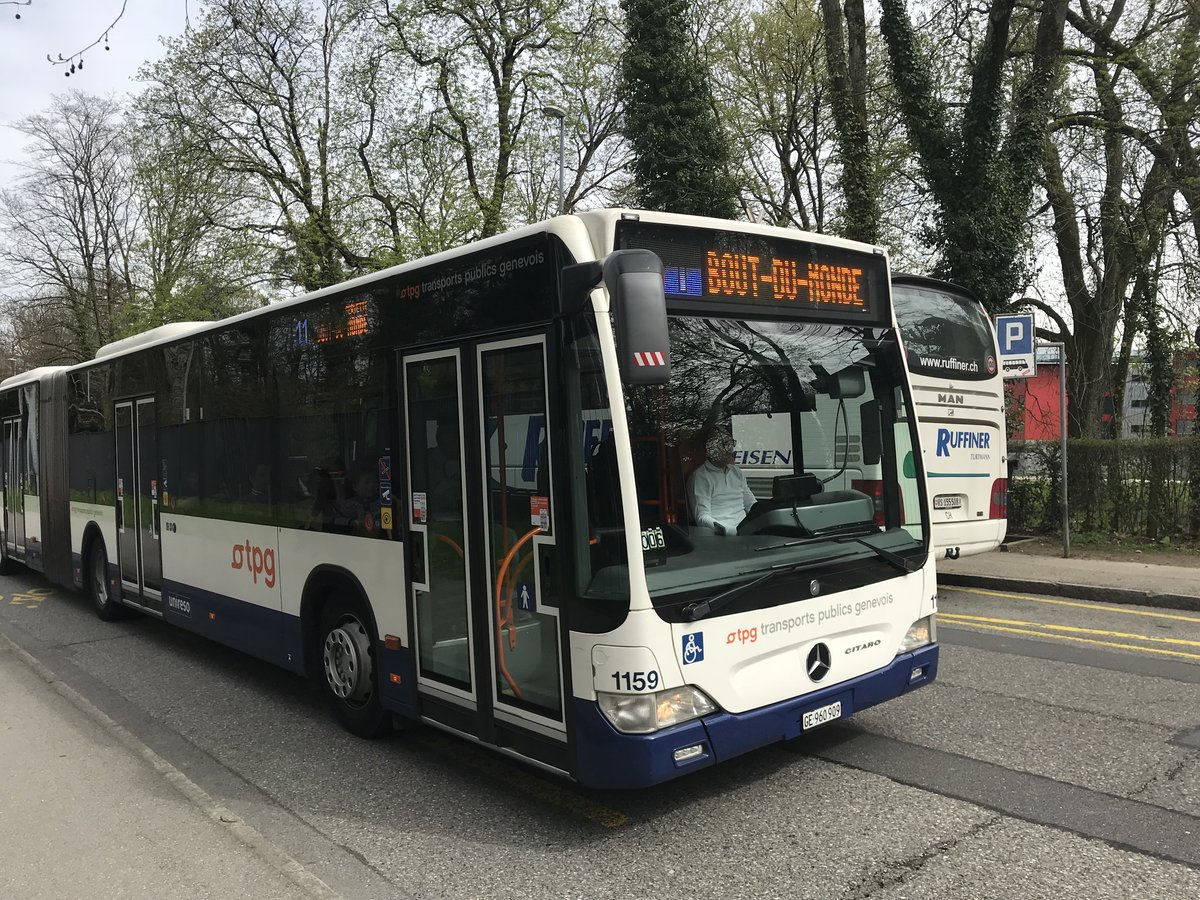
- Public Transport: Trams 13 and 15, and buses 8, 11, 18, 22, F, V, and Z serve the “Nations” and “Appia” stops. Most hotels provide a free Geneva Transport Card for unlimited public transit (Geneve.com).
- Parking: Limited and costly near the circuit; use the underground car park at Place des Nations if necessary.
Key Landmarks and Photo Spots
- Place des Nations: The symbolic heart of Geneva’s international district, featuring the 12-meter “Broken Chair” sculpture (MySwitzerland).
- Avenue de la Paix & Parc Mon Repos: Once a circuit straight, now lined with embassies and green spaces.
- Villa Rigot: Historic headquarters during races, still visible along the route.
- Palais des Nations: Tour the UN’s European HQ (pre-booking required).
- Court of Honour & Lakeside Promenades: Scenic spots for relaxation and city views.
Nearby Attractions & Travel Tips
- Ariana Museum: Renowned for ceramics and glass art.
- International Red Cross and Red Crescent Museum: Highlights Geneva’s humanitarian legacy.
- Lake Geneva Promenade: Enjoy walking or cycling along the lakeside (touropia.com).
- Events: Place des Nations often hosts public events and demonstrations—check Geneva’s event calendar.
Visitor Tips:
- Visit in spring or autumn for pleasant weather and fewer crowds (Destination Abroad).
- Wear comfortable shoes and bring a camera.
- Most outdoor sites are free; guided tours and museum entries may incur a fee.
- Geneva is very safe, but observe local traffic and keep belongings secure.
- Dining is costly—consider casual cafés or picnics (Destination Abroad).
- French is the official language, but English is widely spoken (Intentional Travelers).
Frequently Asked Questions (FAQ)
Q: What are the visiting hours for the Circuit des Nations?
A: The circuit route is open 24/7 as it forms part of Geneva’s public streets and parks.
Q: Are tickets required to visit?
A: No tickets are required for public areas. Palais des Nations tours require advance booking and a ticket.
Q: Are guided tours available and accessible?
A: Yes, multiple operators offer themed walking and cycling tours. The area and UN tours are generally accessible—notify in advance for special needs.
Q: How do I get there?
A: Use Geneva’s efficient public transit system. Trams and buses serve the “Nations” stop, and most hotels offer free public transport cards.
Q: Can I see any original racing features?
A: While there are no plaques or memorials, the street layout of Avenue de la Paix, Place des Nations, and Parc Mon Repos preserve the course’s footprint.
Q: What else should I see nearby?
A: The Ariana Museum, International Red Cross Museum, and Lake Geneva promenade are all within walking distance.
Summary & Recommendations
The Circuit des Nations is a compelling blend of motorsport legacy and cosmopolitan Geneva. Though racing has faded, the route’s imprint remains in the city’s streets and landmarks. With free and open access, guided tour options, and surrounding attractions such as the Palais des Nations and the Broken Chair, a visit here is both enriching and flexible. Whether you’re passionate about history, culture, or international affairs, the Circuit des Nations offers a unique perspective on Geneva’s evolution.
For the best experience:
- Leverage the Audiala app for curated self-guided tours and real-time event info.
- Use Geneva’s free public transit card for easy access.
- Combine your visit with other historical and cultural sites to deepen your appreciation of Geneva’s dynamic heritage.
Listen to the full story in the app
Your Personal Curator, in Your Pocket.
Audio guides for 1,100+ cities across 96 countries. History, stories, and local insight — offline ready.
Audiala App
Available on iOS & Android
Join 50k+ Curators
Sources
- verified
- verified
- verified
- verified
- verified
- verified
- verified
- verified
- verified
Last reviewed: