Introduction
The Basilica Notre-Dame of Geneva, located in the vibrant heart of Geneva, Switzerland, is an enduring symbol of Catholic faith, resilience, and artistic achievement. Erected between 1852 and 1857 in the Neo-Gothic style, it stands as Geneva’s principal Catholic church amid a city historically defined by Protestantism. The basilica’s striking architecture, luminous stained glass, and spiritual importance make it an essential destination for pilgrims, history enthusiasts, and visitors eager to explore Geneva’s religious and cultural tapestry. Its proximity to the Cornavin train station places it at a crossroads of faith and travel, especially as a significant stop on the pilgrimage route to Santiago de Compostela (geneve.com; spottinghistory.com; basilique.ch).
Historical Background and Construction
The construction of the Basilica Notre-Dame of Geneva was a pivotal moment for the Catholic community in a city shaped by the Protestant Reformation. Built from local molasse stone, the basilica was conceived as both a place of worship and a statement of Catholic identity. Its location on the site of a former fortification bastion was symbolic, reclaiming sacred ground in a city where Protestantism, under figures like John Calvin, had dominated for centuries (geneve.com).
Despite periods of turbulence—most notably its closure and occupation by anti-clerical forces in 1875—the basilica survived and was reclaimed by the Catholic Church in 1911. Its endurance through adversity underscores its importance as a spiritual and cultural anchor for Geneva’s Catholics.
Architectural Features and Artistic Treasures
Exterior and Structure
Designed by Alexandre Grigny, the basilica draws inspiration from French Gothic cathedrals such as Beauvais and Bonsecours. Its façade features pointed arches, flying buttresses, a central rose window, and twin towers—hallmarks of the Neo-Gothic revival. The spire rises prominently above the cityscape, making the basilica a recognizable landmark near Cornavin station (spottinghistory.com).
Interior and Stained Glass
Inside, a spacious nave with slender columns and soaring vaults leads to a semi-circular apse encircled by an ambulatory. The basilica’s stained glass windows, created by renowned artists from the 19th and 20th centuries, narrate biblical stories, Marian devotion, and the evolution of ecclesiastical art. These windows, ranging from Sulpician to modernist styles, fill the sanctuary with vibrant color and light (Wikipedia; basilique.ch).
Artistic Highlights
The main altar is crowned by a Carrara marble statue of the Immaculate Conception, donated by Pope Pius IX in 1859. Other notable artworks include intricately carved choir stalls and a historic wooden panel of the Virgin Mary, bearing marks from the Reformation era. The basilica’s pipe organ, celebrated for its acoustics, supports both liturgical music and public concerts.
Restoration and Preservation
Classified as a Swiss cultural property of national importance, the basilica has benefited from ongoing restoration efforts aimed at maintaining its structural and artistic integrity. These projects are supported by the local Catholic community and heritage organizations (basilique.ch).
Role in Pilgrimage and Religious Life
The basilica is a key stop on the Camino de Santiago via Geneva (Via Gebennensis), providing blessings and credentials for pilgrims continuing westward (caminoways.com). Daily Masses in French and English, as well as special liturgical celebrations and concerts, make the basilica a vibrant center of worship and community engagement.
Devotional practices such as the Rosary are observed daily, and the church regularly hosts musical events, lectures, and outreach programs, reflecting Geneva’s cosmopolitan spirit and the basilica’s commitment to hospitality.
Visiting Information: Hours, Tickets, and Accessibility
Opening Hours:
- Monday to Saturday: 6:30 – 19:30
- Sunday: 7:00 – 21:30
Admission:
- Free for all visitors. Donations are welcome to support maintenance and restoration.
Mass Times:
- Weekdays: 8:00, 12:15, and 18:30
- Saturday: 8:00 and 18:30 (Vigil)
- Sunday: 8:00, 10:00, 12:00, 18:30 (English Mass at 19:00 is especially popular among international visitors)
Guided Tours:
- Available in French, with English, German, or Italian upon request. Book in advance via the official website.
Accessibility:
- Wheelchair-accessible entrance and nave
- Ramps and a magnetic loop for the hearing impaired
- Accessible restrooms nearby at Cornavin station
Dress Code and Etiquette:
- Modest attire required (shoulders and knees covered)
- Silence and respect during services
- Photography allowed outside of services, but flash and tripods are discouraged
(geneve.com; notredame-geneve.ch)
How to Get There
- Address: Rue Argand 3, 1201 Geneva, Switzerland
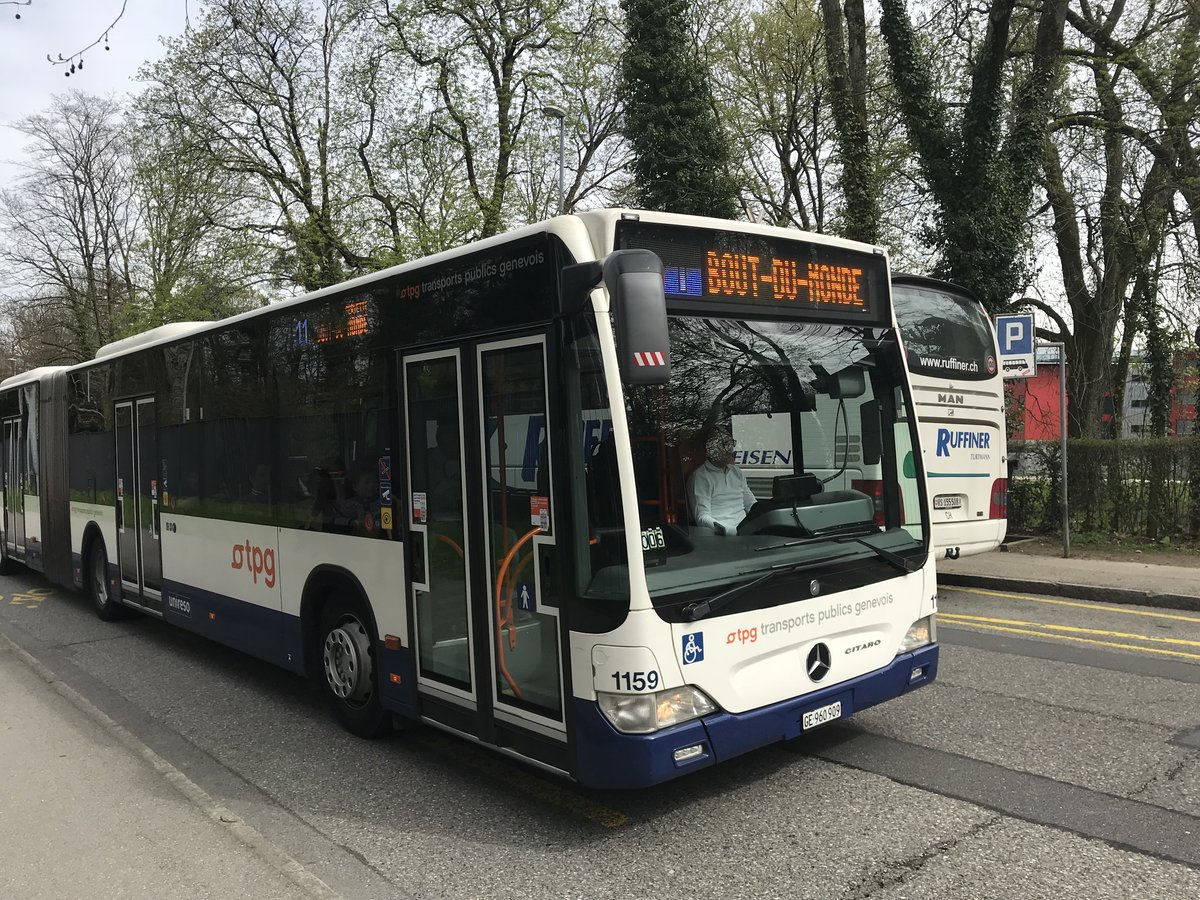
- By Public Transport: Adjacent to Gare Cornavin, with multiple tram and bus lines (14, 15, 18) stopping nearby (Geneva Public Transport)
- By Car: Parking available at Cornavin station
- Walking: A short walk from Geneva’s Old Town, Lake Geneva, and other major attractions
Practical Tips for Visitors
- Visit during Mass or Rosary for a spiritual experience.
- Pick up multilingual guides at the entrance for detailed information.
- Arrive early for concerts or special events.
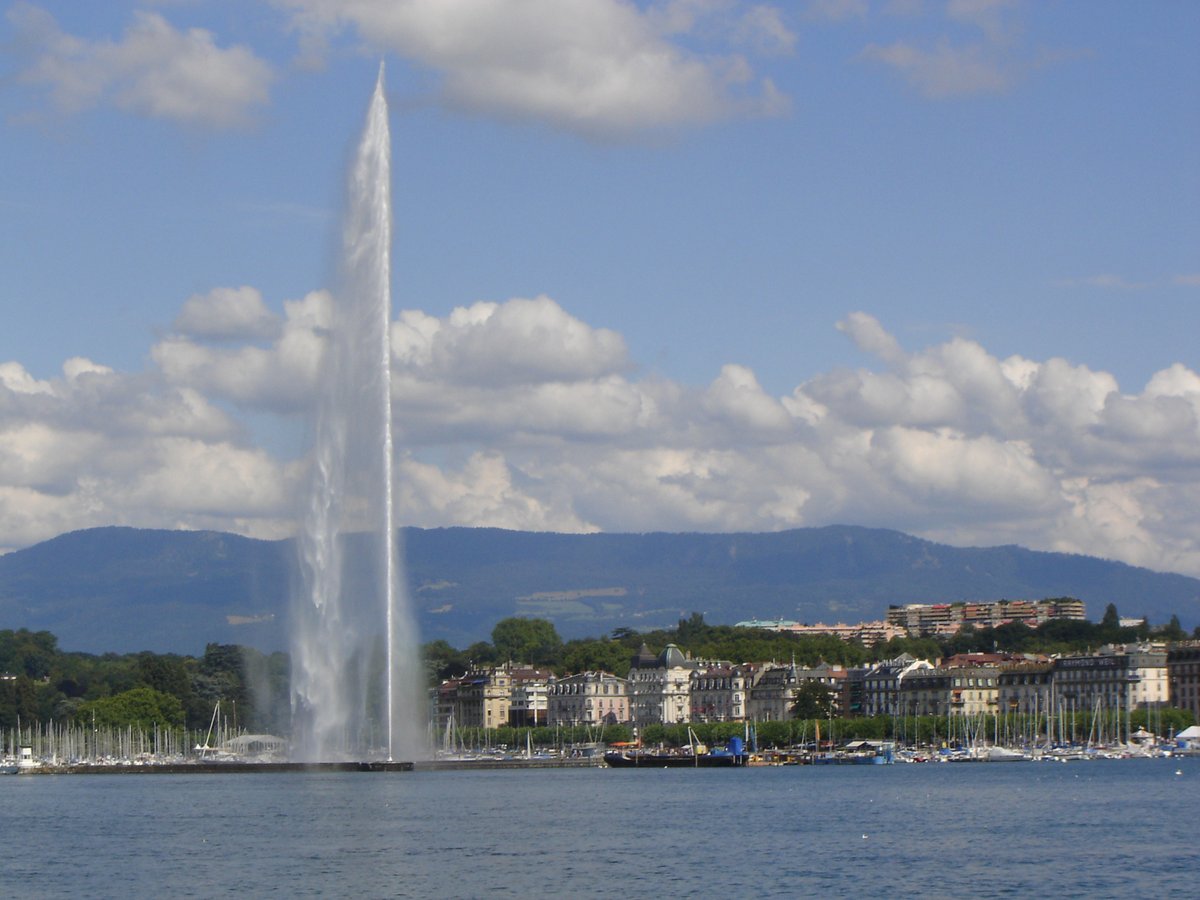
- Combine your visit with nearby sites like St. Peter’s Cathedral or the Jet d’Eau.
- Check the latest schedules on the official website before your visit.
Frequently Asked Questions (FAQs)
Q: What are the Basilica Notre-Dame of Geneva’s visiting hours?
A: Monday–Saturday 6:30–19:30, Sunday 7:00–21:30. Check the website for holiday changes.
Q: Is there an entrance fee or ticket required?
A: No, admission is free; donations are appreciated.
Q: Are guided tours available?
A: Yes, in several languages. Book in advance.
Q: Is the basilica accessible for visitors with disabilities?
A: Yes, the main areas are accessible.
Q: Can I attend Mass as a visitor?
A: Absolutely. Masses are open to all.
Q: What nearby attractions are recommended?
A: Old Town, Lake Geneva, and the Brunswick Monument are close by.
Listen to the full story in the app
Your Personal Curator, in Your Pocket.
Audio guides for 1,100+ cities across 96 countries. History, stories, and local insight — offline ready.
Audiala App
Available on iOS & Android
Join 50k+ Curators
Sources
- verified
- verified
- verified
- verified
- verified
Last reviewed: