Medieval Beginnings
The origins of the AEG are closely linked to Geneva’s political evolution. In the 14th century, as the city asserted autonomy from ecclesiastical rule, the need to preserve legal documents—such as charters and privileges—emerged. These records laid the foundation for the city’s archival tradition and ensured continuity in civic governance (EHRI Project).
Reformation and Expansion (16th–18th Centuries)
The 16th century brought the Protestant Reformation and the assertion of Geneva’s sovereignty, reflected in the growing volume and diversity of archival materials. Notably, the archives chronicled the city’s transformation into a republic, its economic prosperity, and responses to events like the 1602 Savoyard attack (L’Escalade) (Swisstours; National Museum Blog).
Modern Era and Internationalism
Geneva’s archives document the city’s journey through revolution, Napoleonic annexation, and its integration into the Swiss Confederation. In the 19th and 20th centuries, Geneva’s international prominence—symbolized by the Red Cross and the League of Nations—further enriched the archival holdings (Swisstours).
The New Hôtel des Archives
A major modernization effort is underway to consolidate the AEG’s holdings—previously dispersed across several sites—into the Hôtel des Archives. This purpose-built complex will feature:
- Two underground levels for secure archival storage.
- Renovated public spaces in a 19th-century building.
- A central green courtyard for community engagement.
- Sustainable architecture and energy-efficient systems (AEG Official Site).
The transition involves extensive preparation and conservation work, with a scientific committee guiding the project to ensure the archives meet 21st-century standards in both preservation and public access.
Visitor Information
Location & Access
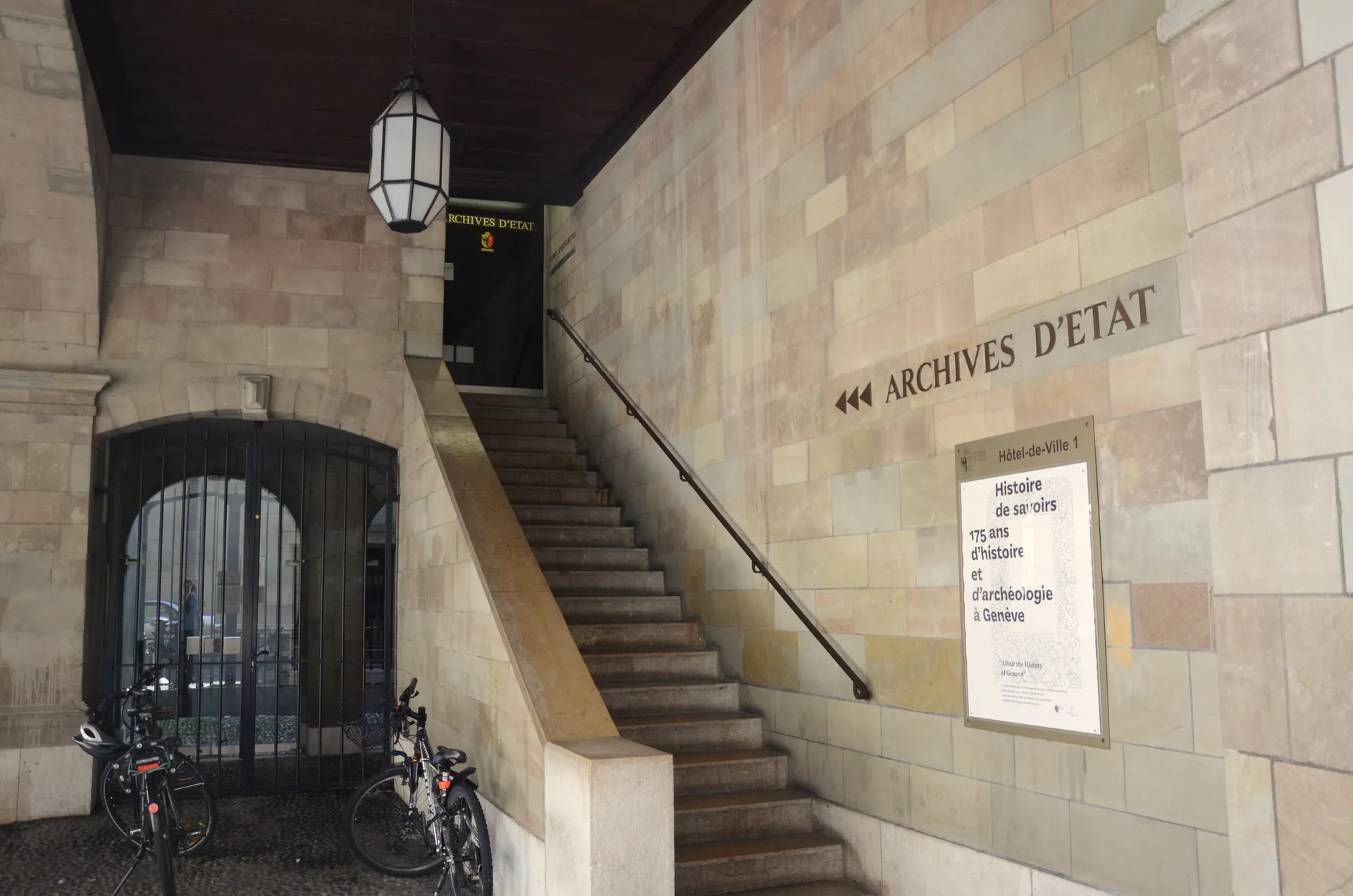
- Current Address Ancien Arsenal, Rue de l'Hôtel-de-Ville 1, 1204 Genève, Switzerland (archives.geneve.ch).
- Future Site Hôtel des Archives, Arsenal on rue de l’École-de-Médecine. Check for updates regarding the move (AEG Official Site).
The archives are easily accessible via public transport, and hotel guests can use the free Geneva Transport Card for unlimited local travel (geneva.info).
Opening Hours
- General Reading Rooms Monday to Friday, 9:00 AM–5:00 PM.
- Centre d’iconographie Monday to Friday, 9:00 AM–12:00 PM (by appointment).
Always check the official website for the latest updates, especially during renovations or holidays.
Admission & Tickets
- Entry Free for all visitors. No tickets are required for general admission.
- Guided Tours/Workshops May require advance registration. Group visits and special events should be booked ahead.
Accessibility
- Wheelchair-accessible entrances, elevators, and adapted toilets.
- Facilities and program accessibility for visitors with reduced mobility.
- Staff available to assist; advance notice recommended for specific needs.
Guided Tours & Educational Programs
- Guided Tours Available for groups and schools upon request, providing insight into Geneva’s heritage and document preservation.
- Workshops & Exhibitions Regularly scheduled, focusing on themes like international diplomacy, civil rights, and archival conservation.
Research Support
- On-site Assistance Staff available to help with catalog navigation, document handling, and research inquiries.
- Adhémar Database Online tool for searching inventories and some digitized materials (Adhémar Database).
- Language Most resources are in French. English and German support is often available; translation tools recommended for non-French speakers.
Planning Your Visit
Nearby Attractions
Enhance your archival experience by visiting other nearby Geneva landmarks:
- St. Pierre Cathedral Medieval cathedral and archaeological site.
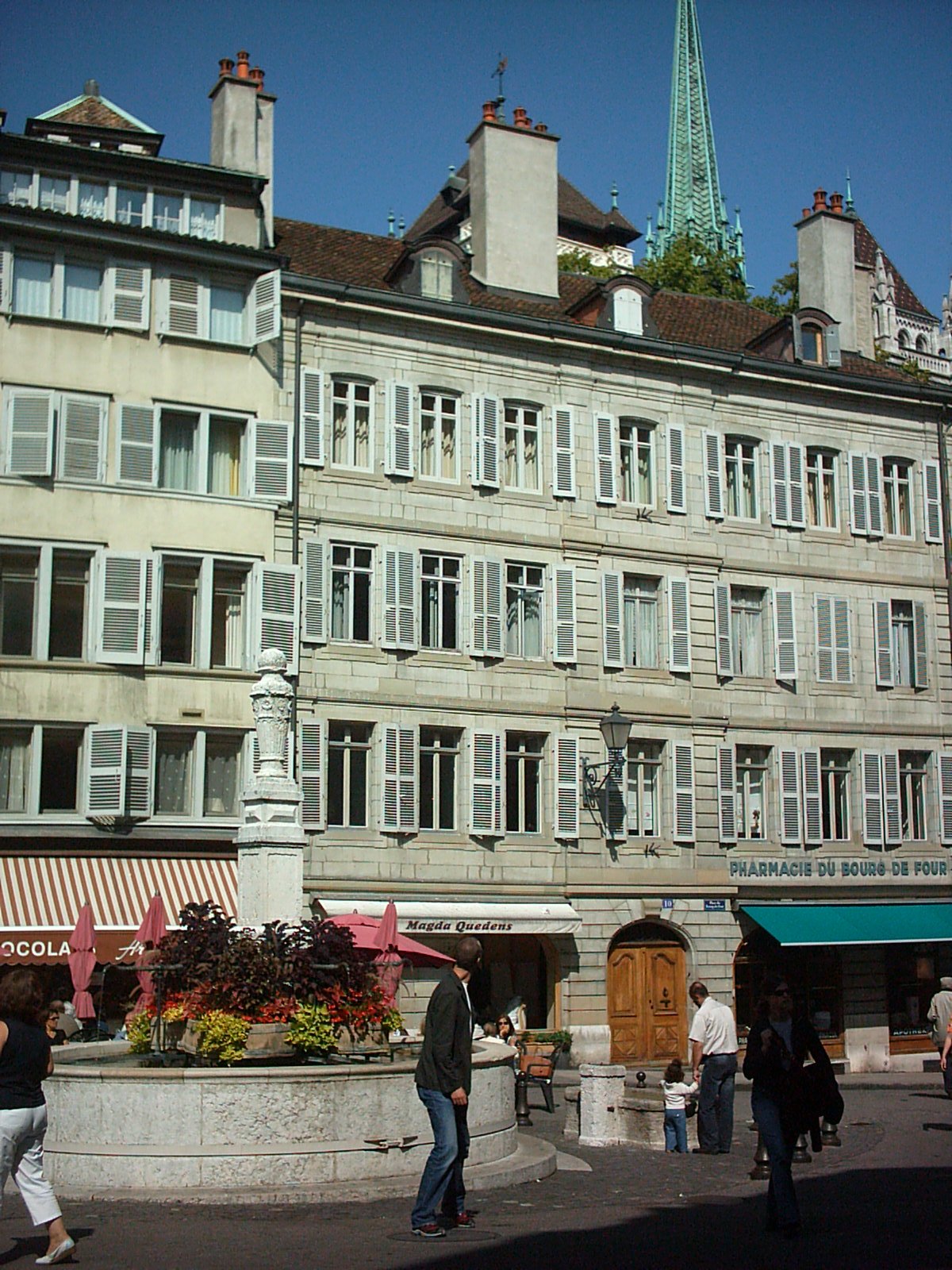
- Place du Bourg-de-Four Geneva’s oldest square, lined with cafés.
- Museum of the Reformation Insight into Geneva’s role in Protestant history.
- Maison Tavel Oldest private residence in Geneva, now a museum.
- International Red Cross and Red Crescent Museum Humanitarian history (geneve.com).
Visitor Tips
- Combine Visits Plan your day to include other Old Town highlights.
- Prepare for Research Consult the online catalog before arrival and bring identification for access to specific records.
- Public Transport Utilize Geneva’s efficient tram and bus network.
- Accessibility Needs Contact the AEG in advance to ensure accommodations.
FAQ
Q: What are the Archives d'État de Genève’s opening hours?
A: Monday to Friday, 9:00 AM–5:00 PM for reading rooms; check the website for updates.
Q: Is there an admission fee?
A: No, entry is free for all visitors.
Q: Are guided tours available?
A: Yes, for groups and educational visits by appointment.
Q: Is the archive wheelchair accessible?
A: Yes, with accessible entrances, elevators, and restrooms.
Q: Can I take photos?
A: Photography of documents requires prior permission; exterior photography is generally allowed.
Q: Are documents available online?
A: Some inventories and digitized records can be accessed via the Adhémar database. Many require onsite consultation.
Visual Gallery


Images courtesy of Archives d'État de Genève.
Discover More
The Archives d'État de Genève are a gateway to understanding the city’s remarkable journey through time. With free access, accessible facilities, expert staff, and proximity to other historic sites, the AEG is an essential stop for anyone wishing to delve into Geneva’s past. For the latest updates, visit the official website and consider downloading the Audiala app for curated audio tours and digital resources. Plan ahead, combine visits, and immerse yourself in one of Switzerland’s most fascinating cultural institutions.