Place
Switzerland Updated Aug 2026
The first thing you notice in Féchy, Switzerland, isn't the postcard panorama of Lake Geneva. It's the smell of sun-warmed vine leaves and flinty soil drifting through a village that grows Chasselas as if time were a wager. Come for the wine, because nearly every road out of the village ends in a vineyard.
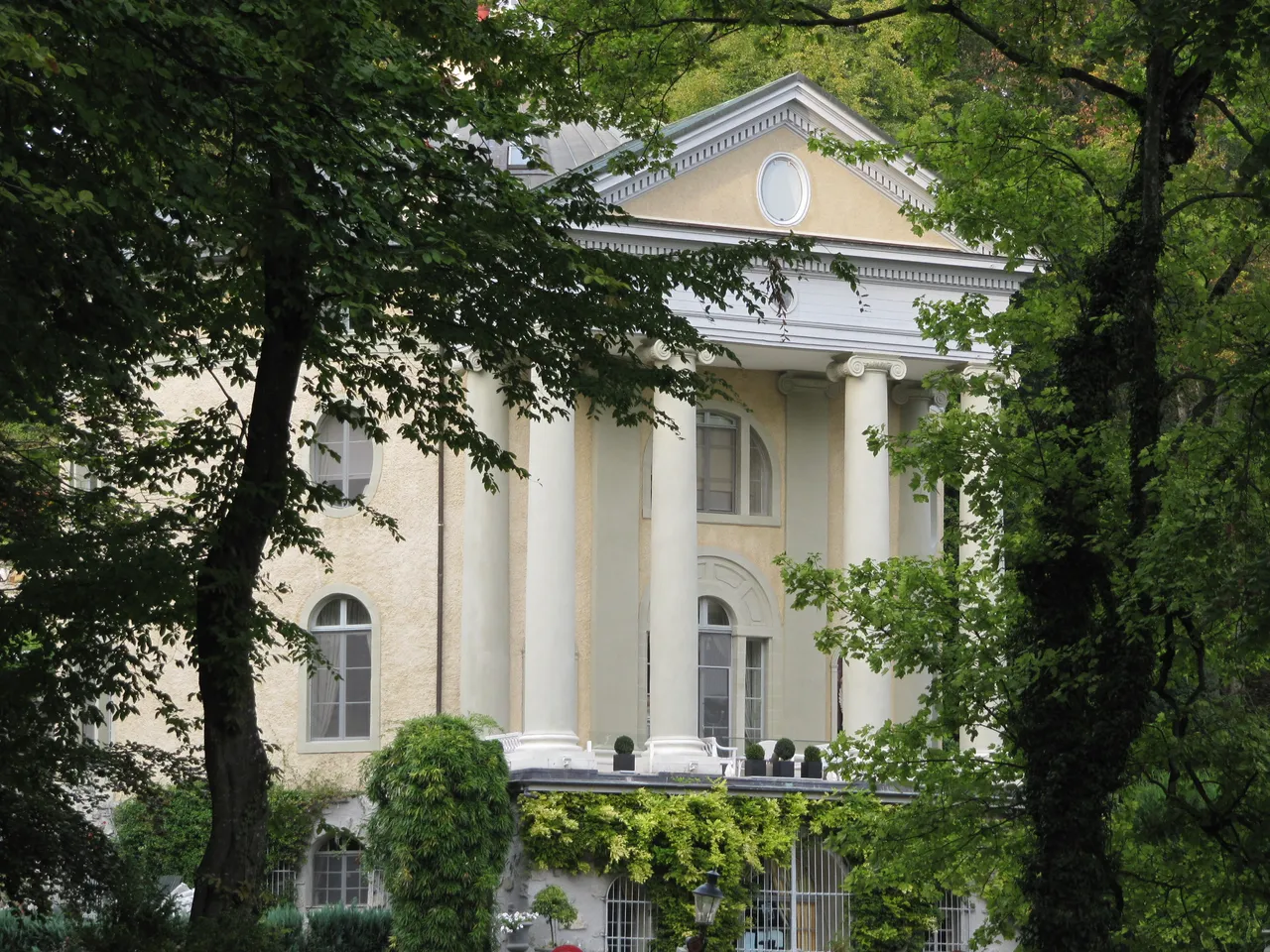
 Photo: Nicolas Ray · CC BY-SA 3.0
Built from cited sources · see the method · How we make our guides →
Féchy sits in La Côte, the wine-growing stretch west of Lausanne, surrounded by 177 hectares of vines. Around 20 vignerons pour their work in small caves and at kitchen tables. The local Chasselas—a grape often dismissed as simple—can age for years, developing honeyed, mineral edges that surprise drinkers who think Swiss white wine is only for fondue nights.
The Balade des Capites opened in 2023 and changed how visitors move through the vines. It loops for nearly 5 km between Féchy and Bougy-Villars, with educational panels and a twist: two refrigerators hold local bottles and products, opened by a code you receive after reserving online. Swiss efficiency, yes, but with better rewards.
At the foot of the church—cited as a place of worship since the 11th century—La Vigne du Monde grows a different grape variety from a new country every year, a tradition running since 1996. The collection reads like a living atlas of vine genetics. It's the kind of quiet, odd project that gives Féchy's wine route more depth than a tasting room can.
Not every monument, just the ones we'd walk you past ourselves.
Where to wander, by quarter — each with its own rhythm.
Before you go
Where locals actually book dinner — not the tourist menus.
The local white is the house pour; look for domaines that have aged it. Unlike most Swiss Chasselas consumed young, Féchy examples can develop petrol and hazelnut notes over several years.
Perch fillets from Lake Geneva, usually pan-fried in butter and served with lemon and frites. The classic post-wine-tasting lunch along La Côte.
Leek and potato stew simmered with white wine, served with the local saucisson vaudois. This is the canton's autumn dish, often eaten at harvest.
A specialty of the wider La Côte, these molten-cheese fritters were supposedly named after a Crimean War battle. One or two is enough before a tasting; they are richer than they look.
Soft, bloomy-rind cow's-milk cheese from the Vaud countryside, aged at least two months. Good on bread before a morning walk through the vines.
The village inn keeps a traditional carnotzet — a wood-paneled cellar dining room — for fondue and local wine. Book it for a private evening or simply ask for the daily menu.
Small things that change how the city treats you.
The city, as it actually looks.


Yes, if you're interested in Swiss wine. Féchy is a small La Côte wine village surrounded by 177 hectares of Chasselas vines and now offers a 5 km self-guided Balade des Capites with two wine fridges. It works best as a half-day or day trip from Lausanne or Morges.
Half a day is enough for the village and one or two cave tastings. Give it a full day if you plan to do the Balade des Capites slowly, stop at the Auberge Communale, and visit La Vigne du Monde.
It's known for Chasselas white wines from one of Switzerland's most prestigious production sites. Around 20 winegrowers in the village welcome visitors for tastings year-round.
Féchy sits about 25 km west of Lausanne, above Lake Geneva. The easiest public transport route is a train to Morges, then a local bus or taxi for the last stretch up into the vineyards. By car, take the A1 and allow roughly 30 minutes.
Booking is not always required at the roughly 20 growers' cellars, but the Balade des Capites must be reserved online to get the fridge code. For weekend tastings, call ahead; many operations are small family estates.
Yes. Vinum reports the loop includes family quizzes, and the gentle 5 km route between Féchy and Bougy-Villars is walkable for children.
Saved and recently read places — kept on this device only.
Photos may have been resized or cropped.