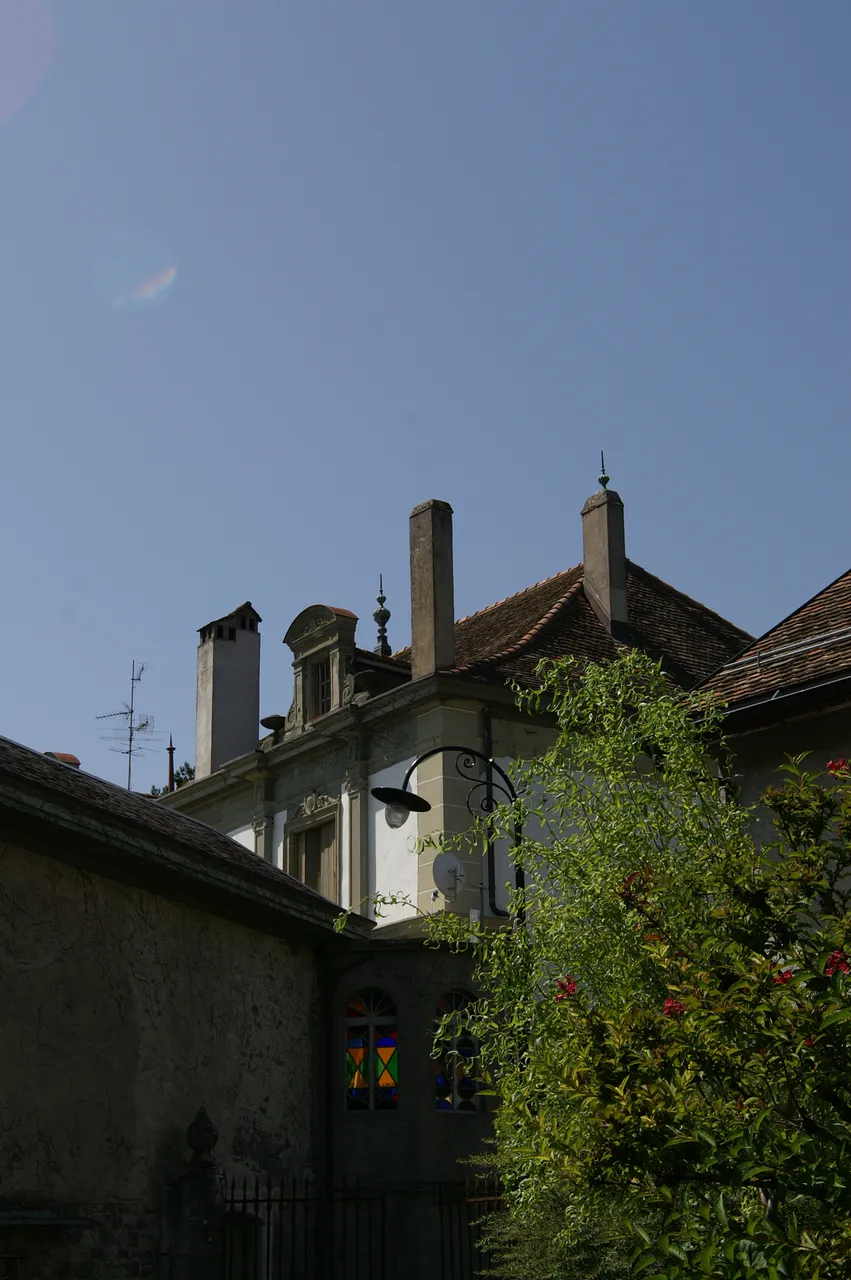
Place
Switzerland Updated Aug 2026
The first thing you notice in Dully is the light—late afternoon sun flattening across Lake Geneva and the terraced Chasselas vines that run down to the water. Dully, a small village in Switzerland's Vaud canton, doesn't need to be big to be memorable. It just needs to be on the ViaJacobi.
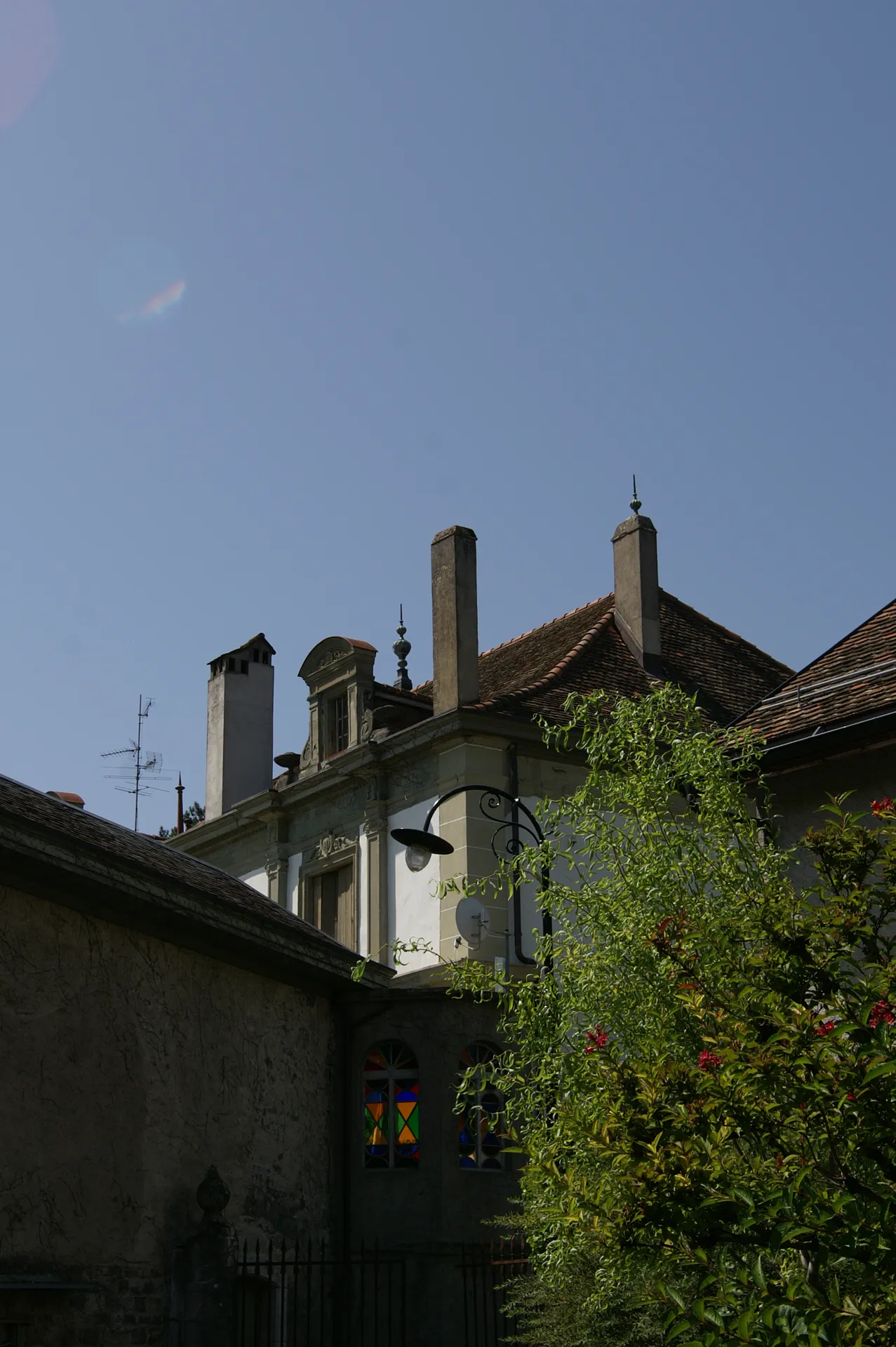 Photo: Pymouss · CC BY-SA 3.0
Built from cited sources · see the method · How we make our guides →
Dully sits between Geneva, 40 km southwest, and Lausanne, 30 km east, but neither city dictates the village's rhythm. The ViaJacobi does. This Swiss stretch of the Camino de Santiago runs from Lake Constance to Geneva, passing directly along Dully's lakefront and through its vineyards, and the hikers are unmistakable—dusty boots, walking poles, the patient gait of people with 300 km behind them.
The vineyards of La Côte shape everything else. Chasselas grapes grow on terraces above the lake, their thin skins picking up the reflected light, and the resulting white wine tastes of stone and cold water. Tastings here tend to be informal—a cellar door open on a Saturday, a vigneron who stops pruning long enough to pour.
Most travelers treat Dully as a waypoint between larger towns. Nyon, 10 km west, has Roman stones and a castle; Rolle, 5 km east, has its own château and a slower old town. But the path underfoot still points toward Santiago, and the lakefront at dusk—the Alps turning violet across the water—makes a better argument than any timetable.
Not every monument, just the ones we'd walk you past ourselves.
Before you go
Where locals actually book dinner — not the tourist menus.
The local grape makes a dry, flinty white that smells of green apple and wet stone. Order a glass at any cellar in Dully or Bursinel during autumn open-cellar weekends, when vignerons pull bottles straight from the tank.
Lake Geneva perch fillets, dredged in flour and sautéed in butter until golden, served with lemon and maybe a few frites. On the lakefront between Gland and Rolle, this is the standard lunch; prices are steep but portions are generous.
A slow-cooked tangle of leeks and potatoes, stained pale green and served with a fat Saucisse aux choux. It’s winter food from this canton, usually found from October onward in village bistros.
Half Gruyère, half Vacherin Fribourgeois, melted with wine and a clove of garlic. Locals drag bread through it in cold-weather months; if you ask for fondue in July, expect a raised eyebrow.
Cloud-light meringue shells with a thick cap of Gruyère double cream so dense it holds a spoon upright. Tea rooms around Rolle serve this as an afternoon ritual.
A smoked pork and cabbage sausage from Vaud, coarser and less sweet than you might expect. It often arrives with stoemp or papet, and it’s worth trying at a market stand if you’re cooking at an apartment.
Small things that change how the city treats you.
Yes, if you want a quiet Lake Geneva stop with vineyard walks and pilgrimage-route history. It's not a standalone destination — pair it with Nyon or Rolle, both within 10 km.
One full day is enough for the village, lakefront, and a vineyard walk. Use it as a 1–2 day base for exploring La Côte if you prefer quiet evenings.
Take a regional train toward Lausanne and get off at Rolle or Nyon, then a short bus or taxi to Dully. Some trains stop at Dully station, but service is limited.
Yes, Dully is a very safe, low-crime village. Normal precautions apply — keep an eye on belongings at lakefront picnic spots.
Dully is known for its La Côte vineyards, Lake Geneva shoreline, and its position on the ViaJacobi pilgrimage route to Santiago de Compostela.
Yes, at designated lakeside access points, but the water stays cold — around 18–22°C in summer. Check local signs for safe entry; many stretches are rocky.
French is the local language, as Dully lies in the French-speaking canton of Vaud. English is understood in tourist-facing spots, but a 'bonjour' goes a long way.
Saved and recently read places — kept on this device only.
Photos may have been resized or cropped.