Canton Vaud
Suisse Updated Apr 2026
The first thing you notice about Canton Vaud is the light—the way it bounces off Lake Geneva’s surface, then climbs the terraced vineyards of Lavaux before dissolving into the high Alpine snow. This isn’t a single city, but a compact Swiss canton where you can breakfast on croissants in a Belle Époque lakeside café, lunch in a 12th-century castle dungeon, and be above the clouds on a mountain peak by sunset. Vaud stitches together French-speaking Switzerland’s most compelling contrasts: Roman ruins and modernist art districts, thermal springs and glacial lakes, quiet watchmaking valleys and the hum of an Olympic capital.
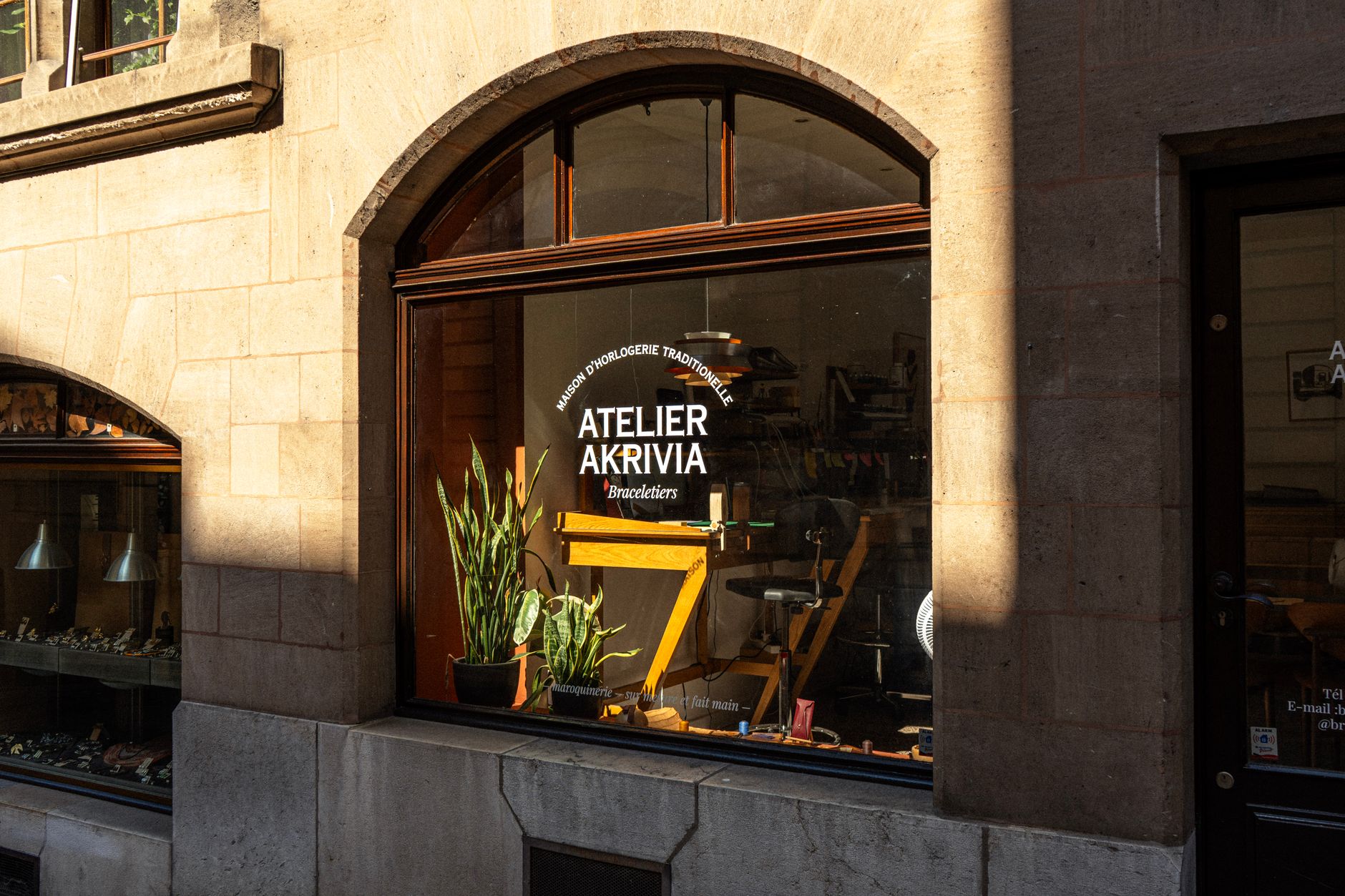
Photo: Antoine Pittet / Pexels
- Attractions
- 15
- Audio
- 2 h 24 min
- Trip length
- 3-5 days
- Best season
- Late spring to early autumn (May-October)
Why Canton Vaud
Built from cited sources · see the method · How we make our guides →
Lausanne, the capital, sets the tone. It’s a city built on three steep hills, where the echo of footsteps on cobbled Escaliers du Marché leads to the Gothic silence of the cathedral. The south transept is scaffolded for restoration until 2027, hiding the rose window, but the vaulted nave still smells of cold stone and centuries. Down at Ouchy, the lakefront promenade is all dappled light and the low thrum of CGN steamer boats, with the Olympic Museum’s sleek curves reflecting in the water.
Move along the shore and the character shifts. Between Lausanne and Vevey, the Lavaux vineyards—a UNESCO site—form a thousand hectares of precise, sun-trapping stone terraces built by 11th-century monks. The wine they produce is crisp and mineral, a direct taste of the lake’s microclimate. In Montreux, the mood turns theatrical. Chillon Castle, Switzerland’s most visited historic monument, rises straight from the water, its dungeons immortalized by Byron. Just behind it, cut into the rock, is Fort de Chillon, a secret Cold War bunker now open to the public.
This layering of history is Vaud’s signature. In Nyon, you stand in a Roman museum built over the forum of Noviodunum. In Vevey, you visit Charlie Chaplin’s final home, preserved with poignant intimacy. In Vallorbe, you descend into caves where underground rivers have sculpted limestone for millennia. The canton doesn’t just offer scenery; it offers conversations between epochs, all within an hour’s train ride of each other.
A Lake, Mountains, and Vineyards
The canton’s identity is a single, dramatic slope. From the deep blue of Lake Geneva, your eye climbs through UNESCO-listed terraced vineyards, then up to the sharp peaks of the Vaud Alps. This geography dictates everything from the wine in your glass to the train you take.Layers of History
Roman columns sit under Gothic vaults, which overlook Belle Époque promenades. You can tour the cells of Chillon Castle, then cross the road to explore its 20th-century secret military counterpart, Fort de Chillon. The past here isn’t preserved; it’s actively inhabited.Art Off the Beaten Path
Beyond the blockbuster Olympic Museum, Vaud specializes in the singular and the personal. The Collection de l’Art Brut champions outsider art in a Lausanne manor. Charlie Chaplin’s final home in Corsier-sur-Vevey is now a museum that feels more like a visit than an exhibition.
Places to Visit
Not every monument, just the ones we'd walk you past ourselves.
Neighborhoods
Where to wander, by quarter — each with its own rhythm.
Lausanne Old Town (Cité)
Centered on the cathedral, this is the medieval core. Narrow, sloping streets like Rue du Bourg are lined with 16th-century guildhouses. The Palud square’s animated clock performs at the hour. It feels removed from the modern city below, a maze of stone stairs and hidden courtyards.Ouchy
Lausanne’s lakefront district is a deliberate contrast to the old town—broad, flat, and open. The promenade is lined with 19th-century grand hotels and gardens. This is where you catch a boat, visit the Olympic Museum, or simply watch the sails on the lake against the French Alps.Plateforme 10
A new arts district built on former railway land next to the main station. Three major museums—MCBA for fine arts, Photo Elysée for photography, and mudac for design—share a stark, modern campus. It’s a statement of contemporary Vaud, all concrete, light, and ambitious curation.Montreux Lakeside
The essence of the Belle Époque, with a palm-lined promenade, ornate hotels, and views of the Dents du Midi. The Freddie Mercury statue is a pilgrimage site. It’s genteel, slightly nostalgic, and the departure point for the cog railway up to Rochers-de-Naye.Vevey Old Town & Lakefront
More market-town than resort. The covered market hall anchors a compact grid of streets with small shops and cafés. The lakefront here is quieter than Montreux’s, famous for a giant fork sculpture planted in the water and the Alimentarium food museum.La Côte (Nyon to Morges)
This isn’t a single neighborhood but a string of wine villages and small towns along the lake west of Lausanne. The pace slows. You come for the terraces at Domaine de la Côte, the Roman history in Nyon, and the Château de Prangins. It’s Vaud’s pastoral, cultivated side.Yverdon-les-Bains Centre
Built around thermal springs first used by the Romans. The centre feels like a proper, lived-in town, not a tourist stage. The 15th-century castle houses a museum, and the thermal spa complex is a central, social hub for locals and visitors alike.Vallée de Joux
A high, remote valley in the Jura mountains. The air is sharper, the forests dense. This is the quiet heart of Swiss watchmaking, home to workshops like Audemars Piguet. In winter, it’s for cross-country skiing; in summer, for hiking around the Lac de Joux’s still, dark waters.
Plan your trip
Before you go
- Getting There
- Fly into Geneva Airport (GVA), 45 minutes by train to Lausanne, or Zurich Airport (ZRH), about 2.5 hours away. The canton is linked by the A1 and A9 motorways. Major rail hubs are Lausanne, Montreux, Nyon, and Yverdon-les-Bains, all on the dense Swiss Federal Railways network.
- Getting Around
- The Lausanne Métro (m2 line) connects the lakefront to the train station. A comprehensive network of buses, trolleybuses, and regional trains covers the canton. The Vaud Regional Pass (from CHF 65 for 3 days in 2026) grants unlimited travel on most transport and discounts on mountain railways and boats.
- Climate & Best Time
- Spring (10-18°C) is quiet with blooming vineyards. Summer (20-28°C) is peak season, perfect for lake swimming and hiking. Autumn (8-16°C) brings the grape harvest and golden light. Winter (0-5°C) sees snow in the Alps. Visit May-June or September-October for fewer crowds and pleasant weather.
- Language & Currency
- French is the spoken language, though English is widely understood in tourism and hospitality. The Swiss Franc (CHF) is the currency. Cards are accepted almost everywhere, but having some cash for smaller markets or rural cafes is still a good idea.
Who lived here
-
Film Icon · 1889–1977
Charlie Chaplin
Lived his final 25 years in Corsier-sur-Vevey
Exiled from America, he found peace in Manoir de Ban overlooking Lake Geneva. The quiet Vevey life suited him. His spirit is palpable at Chaplin's World, where his bowler hat rests near the window with that same view.
-
Poet · 1788–1824
Lord Byron
Visited Chillon Castle in 1816
He rowed across Lake Geneva from the Villa Diodati, where he was staying with Mary Shelley. The prisoner's story in Chillon's dungeon moved him to write 'The Prisoner of Chillon.' His graffiti—his name—is still there, carved into a column.
-
Writer & Naturalist · 1830–1886
Eugène Rambert
Born in Montreux, championed the Vaud Alps
He was the region's first great publicist, but of the literary kind. His writings on the Vaud Alps, particularly the Diablerets, transformed them from remote pastures into destinations for the soul. He argued for their beauty with a poet's precision.
-
Fashion Designer · 1883–1971
Coco Chanel
Lived in Lausanne for nearly 30 years
She moved to the Hôtel de la Paix in Lausanne in the 1940s and stayed. The city offered discretion and calm after the war. She would walk by the lake, a figure of legendary simplicity against the grand Belle Epoque backdrop.
-
Founder of the Modern Olympics · 1863–1937
Pierre de Coubertin
Established the International Olympic Committee in Lausanne
He chose Lausanne as the IOC's home in 1915, seeking neutrality during war. The Olympic Museum now sits on the Ouchy lakeshore, a temple to his idealistic vision. He'd likely approve of the city's enduring, slightly formal, dedication to the movement.
-
Composer & Pianist · 1805–1847
Fanny Hensel
Travelled through Vaud in 1822
The talented elder sister of Felix Mendelssohn, she kept a detailed diary of her Swiss journey. She described the 'indescribable beauty' of Lake Geneva from Vevey and the 'melancholy' of Chillon. Her observations are some of the most vivid from the Romantic era.
-
Sculptor · 1925–1991
Jean Tinguely
Born in Fribourg, created key works in Vaud
His chaotic, kinetic sculptures are the antithesis of Swiss order. The 'Éloge de l'Ombre' in Lausanne's Parc de la Vallée de la Jeunesse is pure Tinguely: rusted metal parts that clank and whir, a delightful mechanical ghost in the park.
-
Writer · 1802–1885
Victor Hugo
Travelled through the region in 1839
He was drawn to Chillon, of course, but also to the sheer drama of the landscape. He wrote of the 'dazzling mirror' of Lake Geneva and the Rhône valley 'rolling out like a green cloth.' He saw the canton as a stage for nature's grand theatre.
Where to Eat
Where locals actually book dinner — not the tourist menus.
Insider tips
Small things that change how the city treats you.
Base Yourself Wisely
Pick your hub based on your trip style. Lausanne unlocks the whole canton with its transport hub. Montreux or Vevey are for lake lovers. Nyon is for quieter wine country.Check Cathedral Access
Lausanne Cathedral's south transept is scaffolded for vault restoration until spring 2027. The rose window area is closed, but the rest of the Gothic structure remains open.Visit Fort de Chillon
After the castle, walk five minutes to the Fort de Chillon. It's a 20th-century secret military bunker built into the cliff, offering a raw, contrasting layer of history.Use the Regional Pass
The Vaud Regional Pass gives unlimited travel on trains, buses, and boats, plus discounts on mountain railways and museums. It pays for itself in two days of exploring.Walk Through Vineyards
Don't just look at the Lavaux terraces from a train. Get off at Chexbres-Village or Epesses and walk the signposted paths. The stone walls hold the sun's heat long into the evening.Mark Your Calendar for 2026
Grandson Castle, a major medieval fortress on Lake Neuchâtel, reopens after a 15-year renovation. If your trip is for next year, it should be high on your list.
Gallery
The city, as it actually looks.
Watch
Frequently asked
Is Canton Vaud worth visiting?
Yes, if you want a single region that contains the essence of Switzerland. It stitches together Lake Geneva cities, UNESCO vineyard terraces, Alpine peaks, and Roman heritage. You can breakfast in a medieval old town, lunch in a vineyard, and take a cogwheel train to 2,000 meters for sunset.
How many days do I need in Canton Vaud?
Spend at least three to five days. One day for Lausanne and Ouchy, another for the Lavaux vineyards and Montreux, and a third for a mountain trip to Rochers-de-Naye or a spa visit in Yverdon. A week lets you absorb the quieter corners like the Vallée de Joux.
What is the best way to get around Canton Vaud?
The train network is superb. Base yourself in Lausanne, Montreux, or Nyon for frequent connections. For flexibility, combine trains with local buses, the yellow PostAuto coaches, and CGN boats on the lake. A regional travel pass is the most cost-effective option.
Is Canton Vaud expensive?
It's Switzerland, so costs are high. You can manage them by using a travel pass, picnicking with market produce, and staying in smaller towns like Nyon or Morges instead of Montreux. Many natural attractions, like hiking in Lavaux or along the lake, are free.
Is Canton Vaud good for families?
Excellent. The Olympic Museum in Lausanne is interactive. Rochers-de-Naye has a marmot park and easy winter skiing. Chillon Castle captivates all ages, and the lakefront promenades in Vevey and Ouchy are perfect for leisurely strolls with ice cream.
What's a good hidden attraction in Vaud?
Seek out the Collection de l'Art Brut in Lausanne. Housed in a 19th-century manor, it's a museum of outsider art—raw, emotional works by self-taught creators. It feels miles away from the polished fine art of the city's other museums.
All Places to Visit.
1 place to discover
Pick up where you left off
Saved and recently read places — kept on this device only.
Photo credits (5)
- Antoine Pittet — Pexels License (https://www.pexels.com/license/) — Source: https://www.pexels.com/photo/33658629/
- WASSIM AHMED — Pexels License (https://www.pexels.com/license/) — Source: https://www.pexels.com/photo/34391293/
- Jean-Paul Wettstein — Pexels License (https://www.pexels.com/license/) — Source: https://www.pexels.com/photo/36731744/
- Jean-Paul Wettstein — Pexels License (https://www.pexels.com/license/) — Source: https://www.pexels.com/photo/36731750/
- Jean-Paul Wettstein — Pexels License (https://www.pexels.com/license/) — Source: https://www.pexels.com/photo/33959093/
Photos may have been resized or cropped.