Place
Switzerland Updated Aug 2026
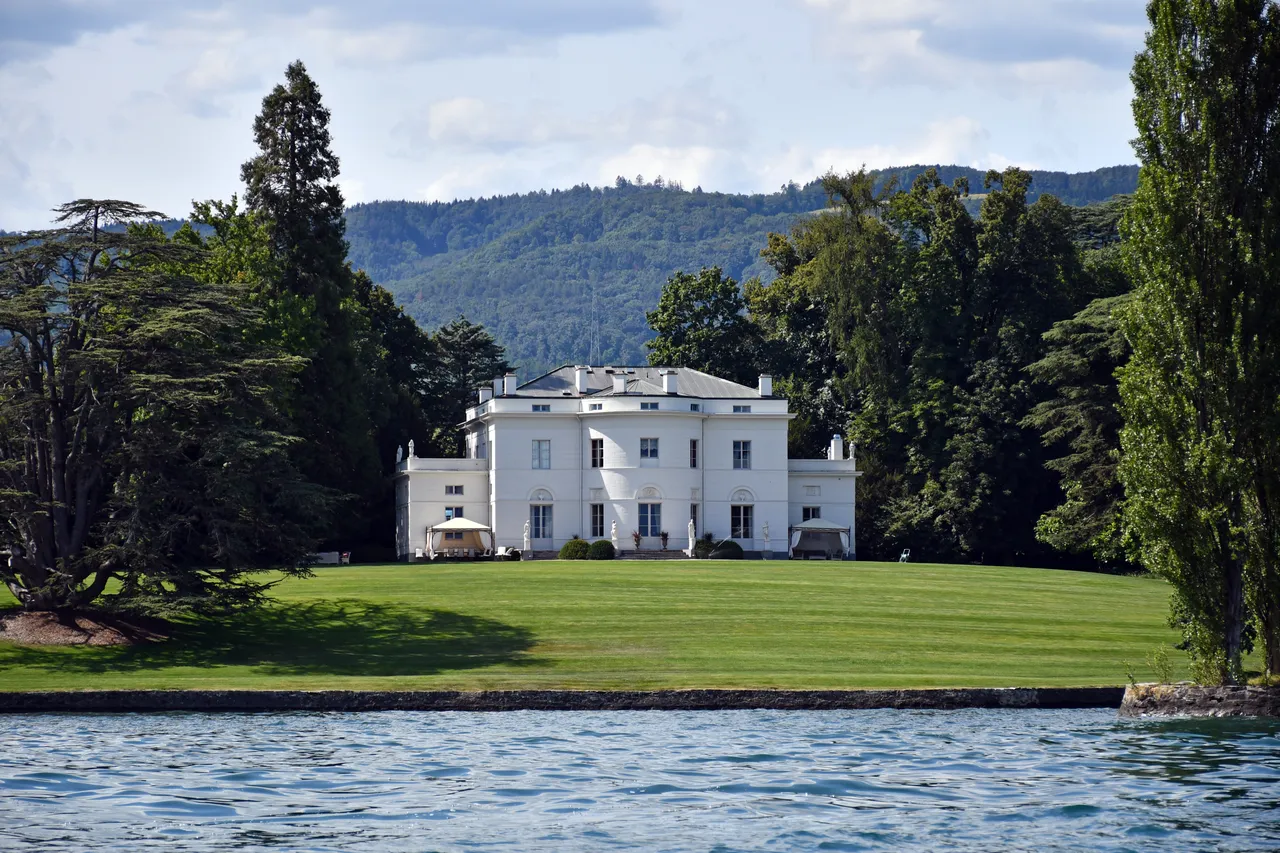
The first thing you notice in Bursinel is the light. Lake Geneva flattens the afternoon sun into a sheet of silver, and the vineyards above the village hold that glow long after the water has gone dark. This is Switzerland without the postcard clichés—a small commune in Canton Vaud where the loudest sound is often the wind moving through Chasselas leaves.
 Photo: Jérémy Toma · CC BY-SA 4.0
Built from cited sources · see the method · How we make our guides →
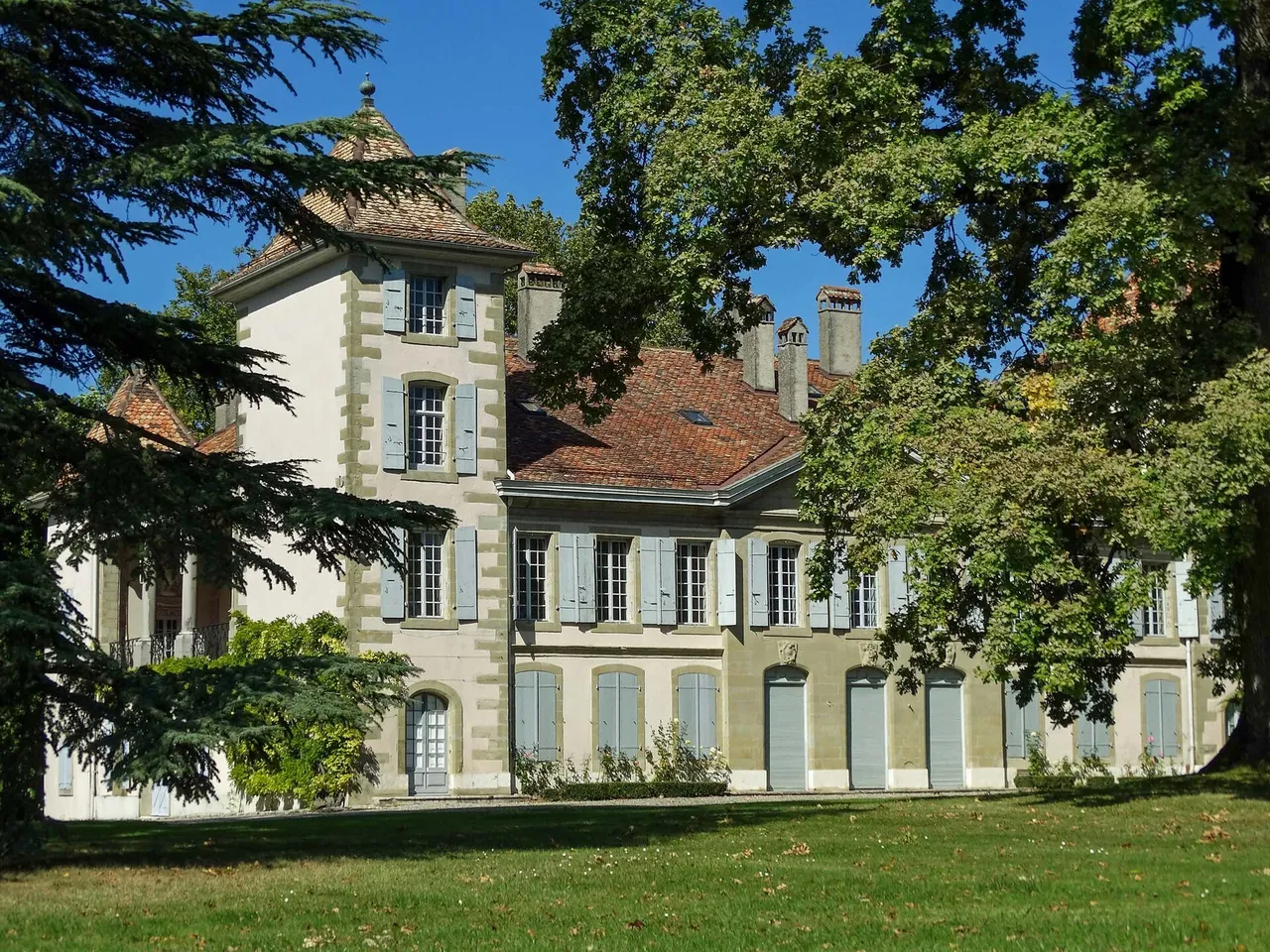
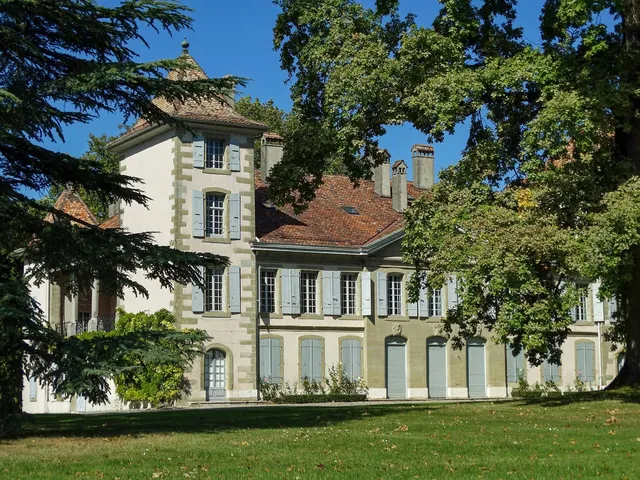
Bursinel sits on the lake shore between Rolle and Gland, part of the La Côte wine region that stretches from Nyon toward Lausanne. The Château de Bursinel anchors the village, its stone walls a quiet reminder that this slope has been cultivated for centuries. Most visitors pass through on the train without stopping. That's their loss.
The wine here is the reason to linger. Chasselas, the local white grape, produces a wine that is light, mineral, and almost transparent—best drunk young, ideally with perch pulled from the lake that morning. On May 1st, children still go house to house singing to announce spring, a custom that has survived since the 19th century. It's a small ritual, but it tells you what kind of place this is.
Bursinel doesn't try to be a destination. That's the point. You come here to walk the vineyard paths, to sit by the water with a glass of something local, and to remember that Switzerland has corners where time still moves at the speed of a sailboat crossing the lake.
Not every monument, just the ones we'd walk you past ourselves.
Before you go
Where locals actually book dinner — not the tourist menus.
The local white grape produces light, mineral wines that pair with lake fish and alpine cheeses. Tasting rooms in Rolle and surrounding villages pour it by the glass for a few francs — this is where you learn why the Swiss rarely export it: they drink it all themselves.
Fresh perch from the lake, lightly floured and fried in butter, served with lemon. A Vaud classic that every lakeside restaurant claims to do best. The honest ones serve it with nothing more than frites and a glass of Chasselas.
The Vaud version is typically half Gruyère, half Vacherin Fribourgeois. Eaten with bread and, in the local style, sometimes with small potatoes. Best between October and March, when the cold off the lake makes melted cheese feel like medicine.
Leeks and potatoes slow-cooked with white wine, served with saucisson vaudois. A dish that sounds humble and tastes like the whole canton in one bowl. Look for it on menus in autumn and winter.
A soft, mild cheese from the Vaud countryside. Often served warm over potatoes or simply with bread and local wine.
The Gruyère region's double cream is thick enough to stand a spoon in. Piled onto crisp meringues, it's the dessert that makes Swiss dairy farming make sense.
Small things that change how the city treats you.
The city, as it actually looks.


Bursinel is worth a stop if you're exploring the La Côte wine region, but it's not a major destination. The village offers a château, vineyards, and lake access without the crowds of Montreux or Lausanne. Think of it as a pause, not a pilgrimage.
One to two days is enough to see Bursinel itself. Most visitors use it as a base for exploring the wider Lake Geneva region — Rolle, Nyon, and Lausanne are all within 30 minutes.
The easiest route is by train to Rolle or Gland, then a short bus or taxi to Bursinel. Geneva Airport is about 30-40 minutes away by car or train.
Bursinel is known for its château and its position in the La Côte wine region, which stretches along Lake Geneva between Nyon and Lausanne. The area has produced wine for centuries.
Switzerland is expensive everywhere, but Bursinel is cheaper than lakeside resort towns like Montreux. Village cafés and caveaus offer better value than restaurants directly on the lakefront.
May through October offers the best weather and open vineyards. September and October are ideal if you want to experience the grape harvest and cellar openings.
Many châteaux in the La Côte region are private residences, so access to Château de Bursinel may be limited. The exterior and surrounding vineyards are visible from public roads, and the village itself is freely walkable.
Rolle (4 km) has a lakeside château and a lively Friday market. Nyon (10 km) offers a Roman museum and castle. Lausanne (30 km) and Geneva (35 km) are both easy day trips.
Saved and recently read places — kept on this device only.
Photos may have been resized or cropped.