Historical Development of Brugg
Brugg’s origins reach back to the Roman era, as evidenced by the nearby Vindonissa legionary camp. The town’s name, derived from the German word for “bridge,” reflects its strategic position on the Aare River, a key crossing and trading point. In the Middle Ages, Brugg blossomed as a center of commerce, with its Old Town and medieval structures still testifying to this prosperity. Over time, Brugg continued to develop, integrating industry, culture, and modern infrastructure while preserving its historic core (Swiss Glorious).
The Former Old Post: Architectural and Historical Significance
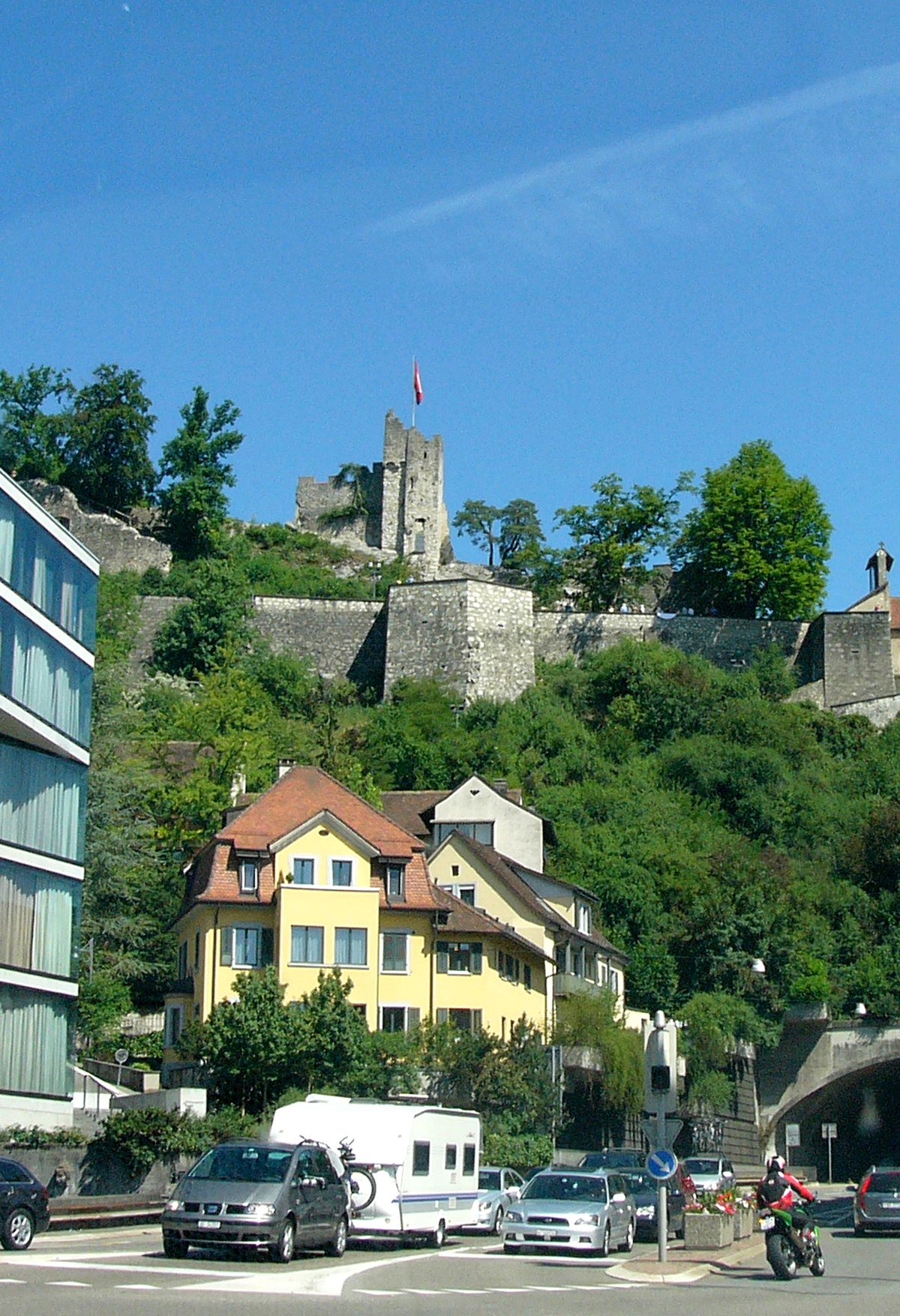
The Former Old Post, likely constructed in the late 18th or 19th century, exemplifies Swiss civic architecture of its era. Characterized by robust stone and brick masonry, a symmetrical façade, and a steeply pitched roof with dormers, the building’s design reflects both functional needs and local traditions. Historically, it was the nerve center for Brugg’s postal services, facilitating the movement of mail, goods, and people throughout the region. Today, its preserved exterior and adaptively reused interiors provide a tangible link to Brugg’s past (Wikimedia Commons).
Cultural Context and Community Role
Beyond its original administrative function, the Former Old Post has long served as a gathering place for Brugg’s residents. The building’s central location made it a focal point for news exchange, business, and social interaction. In modern times, adaptive reuse has transformed the Old Post into a venue for exhibitions, cultural events, and community programs, ensuring its continued relevance in the town’s civic life (Outdooractive).
Visiting the Former Old Post: Hours, Tickets, and Accessibility
Visiting Hours and Tickets
- Exterior Viewing The building’s façade and exterior can be admired at any time.
- Interior Access Entry is possible during special exhibitions, guided tours, or community events. Hours typically range from 10:00 AM to 5:00 PM, Tuesday through Sunday, but may vary. Always check the official Brugg tourism website or contact local tourist information for current schedules.
- Tickets Most exhibitions and events are free to enter, though some special programs may require a ticket (CHF 5–15 for adults). Guided tours may also have a fee and require advance booking.
Accessibility and Location
- Address Hauptstrasse 12, Brugg, Switzerland.
- Public Transport A 5–10 minute walk from Brugg AG railway station, with frequent connections to Zurich, Basel, and Bern.
- Parking Several paid parking garages are nearby; public transport is recommended during peak times.
- Accessibility The Old Post is in a pedestrian-friendly zone. While the exterior is fully accessible, interior access may be limited due to the building’s historic nature. Inquire in advance about ramps or lifts if needed.
What to See and Do Around the Former Old Post
- Architectural Appreciation Examine the façade’s stonework, windows, and historic signage.
- Photography The building and its surroundings offer excellent photo opportunities, especially in soft morning or late afternoon light.
- Cultural Events Attend exhibitions, performances, and community gatherings often hosted at or near the site.
- Nearby Attractions
- Vindonissa Museum: Roman artifacts and interactive exhibits.
- Königsfelden Monastery: Renowned for medieval stained glass.
- Altenburg Castle: With panoramic views and historical exhibits.
- Aare River Promenade: Scenic walks along the riverbank.
Travel Tips for Visiting Brugg and the Former Old Post
- Best Times to Visit Spring through early autumn for pleasant weather and outdoor activities.
- Language Swiss German is the main language, but English is widely understood in tourist sites.
- Currency Swiss Franc (CHF); most places accept major credit cards.
- Local Amenities Cafés, restaurants, and shops abound in the Old Town. Public restrooms are available at the railway station.
- Sustainable Travel Explore Brugg on foot or by bicycle; use public transport for eco-friendly travel.
FAQ: Visiting the Former Old Post Brugg
Q: What are the Former Old Post Brugg visiting hours?
A: Hours depend on exhibitions and events; check the official tourism site for the latest information.
Q: Is there an entrance fee?
A: Entry is usually free, but special exhibitions or guided tours may require a ticket.
Q: Is the Former Old Post accessible for visitors with disabilities?
A: The exterior is accessible; interior access may be limited. Contact the venue for details.
Q: Are guided tours available?
A: Yes, guided walking tours of Brugg often include the Former Old Post. Book via the tourism office.
Q: Can I take photos?
A: Photography is encouraged outside; check for restrictions during exhibitions.
Q: Where can I park?
A: Several parking garages are near the Old Town, but public transport is often more convenient.
Visuals, Media, and Interactive Tools
- High-quality images of the Former Old Post’s façade and interiors are available on Wikimedia Commons.
- Interactive maps and virtual tours can be accessed via Outdooractive and Brugg’s official tourism website.