

Swiss Railways: History and Chablais Region Highlights
Swiss railways have long been renowned for their innovation, punctuality, and ability to overcome challenging alpine terrain. The Zürich–Baden line opened in 1847, and by the turn of the century, both the Gotthard and Simplon Passes had been conquered by rail (History of rail transport in Switzerland). Financial and operational challenges led to company mergers and the early adoption of electrification—by World War II, Switzerland had electrified over 75% of its railway network, far ahead of most of Europe.
The Chablais region’s narrow-gauge lines, including the Aigle–Leysin (AL) and Aigle–Sépey–Diablerets (ASD), were among the first to embrace these technological advances. Their construction through mountainous vineyards and villages not only connected remote communities, but also laid the foundation for the region’s vibrant tourism economy.
The Aigle–Leysin Railway: Route, Technology, and Electrification
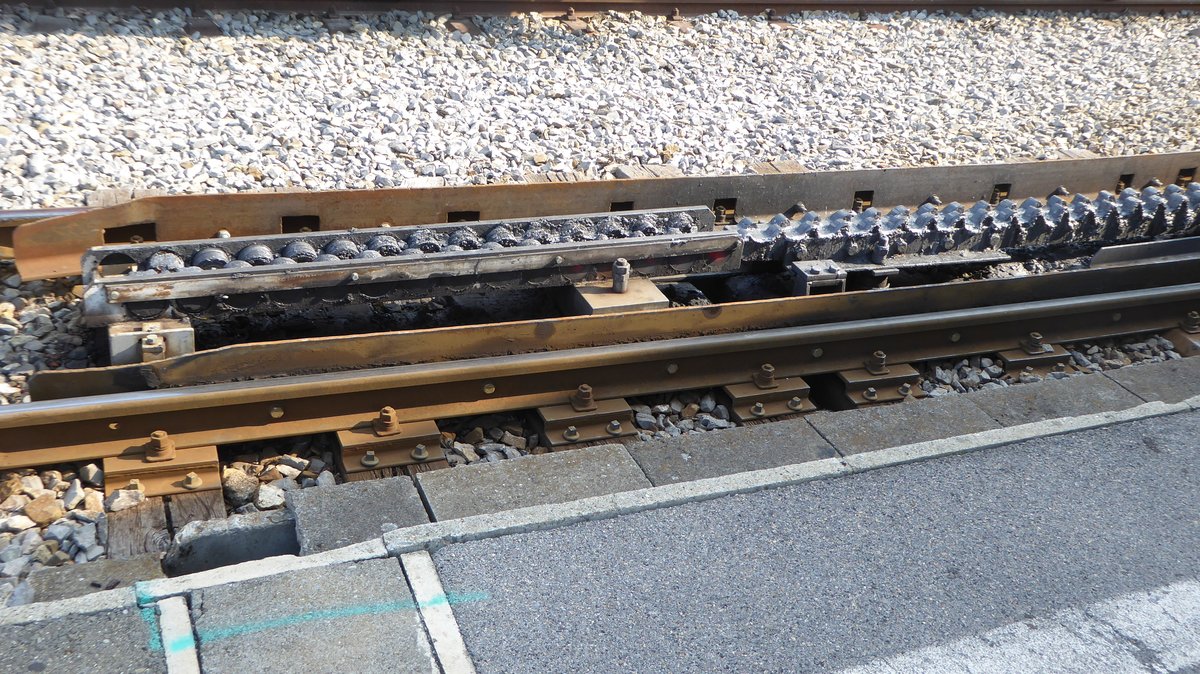
Opened in 1900, the Aigle–Leysin railway pioneered cog-wheel railway technology in the region. The line, built to a 1,000 mm gauge with the Abt rack system, climbs 1,047 meters from Aigle’s main station to Leysin’s summit, traversing narrow village streets and steep vineyard slopes (Aigle–Leysin railway line). Electrified from the outset, voltage upgrades have further improved operational efficiency.
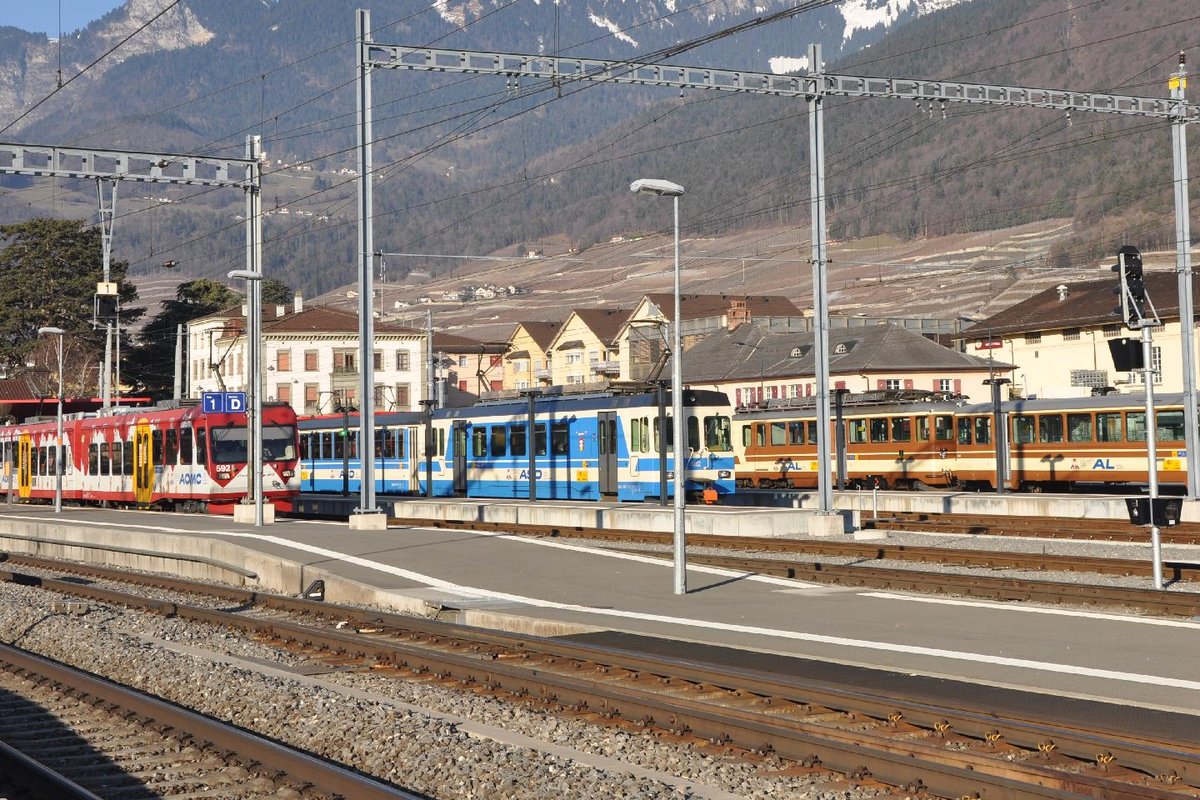
Today, the line is a favorite for both daily commuters and tourists seeking panoramic alpine views. At Aigle-Dépôt, trains reverse direction to position the powered vehicle at the rear, a distinctive feature of rack railway operations.
Integration into Transports Publics du Chablais (TPC)
In 1975, four regional narrow-gauge lines—including AL and ASD—were merged to form TPC, streamlining scheduling, maintenance, and passenger services (Aigle–Leysin railway line). Federal and cantonal support secured the future of these lines, with significant investments in rolling stock and infrastructure. Today, TPC continues to operate and modernize these historic routes, ensuring their relevance for generations to come (TPC official website).
Visitor Information: Hours, Tickets, Accessibility, and Facilities
Visiting Hours
Aigle-Dépôt Station is open daily, typically from 5:00 AM to midnight, aligning with the regional train timetable. Ticket machines and digital information displays provide 24/7 service, while staffed counters are available during peak hours (SBB Aigle Station).
Ticketing
Tickets for TPC trains and buses can be purchased at station machines, staffed counters, or via the TPC ticketing portal and the SBB mobile app. Options include single tickets, day passes, regional Mobilis 80 zone cards, and the Swiss Travel Pass for unlimited travel. Real-time scheduling and on-demand bus services are accessible through the TPC app (MobiChablais).
Accessibility and Facilities
- Barrier-free Access Step-free platforms, elevators, and tactile guidance for visually impaired travelers.
- Lockers and Storage Secure paid lockers for luggage.
- Amenities Clean waiting areas, accessible toilets, WiFi, shops, and bike/car parking.
- Tourist Assistance The nearby Aigle Tourist Office provides maps, brochures, and personalized recommendations (Aigle Tourisme).
Connectivity
Aigle-Dépôt seamlessly connects with SBB regional and intercity trains, MobiChablais buses, and narrow-gauge lines to Leysin, Les Diablerets, and Villars (Alpes Vaudoises Public Transport).
Guided Tours, Events, and Rolling Stock
TPC organizes guided tours and special events, such as heritage train rides and depot open days. The rolling stock fleet includes modern railcars and occasional historic vehicles for themed journeys (TPC events calendar). For updates and bookings, consult the TPC website.
Station Modernization and Urban Impact
Infrastructure Upgrades
Ongoing projects such as the "AOMC 2030" initiative focus on renewing tracks, modernizing signaling, expanding maintenance facilities, and incorporating energy-efficient technology (TPC Infrastructure). Enhanced passenger amenities and integration with local mobility services foster sustainable urban growth and economic development.
Sustainability
Aigle-Dépôt Station advances sustainable mobility by encouraging public transit use, reducing car dependency, and implementing green infrastructure. Subsidized fares within the Mobilis 80 zone and park-and-ride options support eco-friendly travel (MobiChablais).
Top Nearby Attractions and Practical Tips
Key Attractions
- Château d’Aigle & Wine Museum Medieval castle with interactive exhibits on local viticulture (Château d’Aigle).
- World Cycling Center International cycling training and events.
- Bex Salt Mines Guided tours of historic salt tunnels.
- Leysin & Les Diablerets Alpine resorts for hiking, skiing, and glacier excursions.
Practical Tips
- Weather Mountain conditions can change rapidly; dress in layers (Lonely Planet: Switzerland Tips).
- Tickets Purchase in advance for discounts; Swiss Travel Pass offers broad coverage.
- Language French is primary; English and German are widely spoken.
- Luggage Use station lockers for secure storage.
- Accessibility Advance notice is advised for specific assistance needs.
Frequently Asked Questions (FAQ)
Q: What are the visiting hours of Aigle-Dépôt Station?
A: The station is open daily, typically from 5:00 AM to midnight. Ticket machines and digital services are available 24/7.
Q: How do I buy tickets?
A: Tickets can be purchased at station machines, counters, online via the TPC portal, or using the SBB mobile app.
Q: Is the station accessible for reduced mobility travelers?
A: Yes, barrier-free access, elevators, and assistance services are available.
Q: Are there parking and bike facilities?
A: Yes, P+Rail parking and secure bike parking are available.
Q: Can I book guided tours or attend special events?
A: Yes, TPC offers periodic tours and events; see their website for schedules.