Aigle, Switzerland

Aigle

Nestled at the foot of the Vaud Alps in Switzerland, the charming town of Aigle offers visitors a unique blend of rich medieval heritage, vibrant wine…

Introduction

Nestled at the foot of the Vaud Alps, Aigle is a captivating Swiss town that harmoniously blends medieval heritage, alpine beauty, and a world-renowned wine culture. The centerpiece of Aigle is the iconic Château d’Aigle, a 12th-century fortress that has witnessed centuries of feudal power, strategic conflict, and cultural transformation. Today, the château stands not only as a symbol of the region’s storied past but also as a museum dedicated to viticulture, with a special focus on the Chasselas grape that defines the local vineyards.

Aigle’s historic old town, with its cobbled streets and traditional architecture, offers a vibrant calendar of festivals and events, reflecting the area’s linguistic duality and unique blend of French and Swiss-German influences. Its accessibility by train and road, proximity to the Vaud Alps and Lake Geneva, and reputation as a cycling hub make it an ideal destination for history enthusiasts, wine lovers, families, and outdoor adventurers alike (Château d’Aigle, MySwitzerland, Alpes Vaudoises).

This comprehensive guide provides everything you need to plan your visit to Aigle—covering the château’s visiting hours, ticketing, key historical sites, museums, local festivals, travel tips, accessibility details, and more.


Medieval Origins and Early Development

Aigle’s roots date back to the late 12th century, when the Barons of Aigle established a fortification along vital trade routes crossing the Col du Pillon and Col des Mosses. The earliest mention of the Barons is from 1179, with archaeological evidence pointing to the site’s strategic importance between the Alps and Lake Geneva (Wikipedia). By the late 12th century, the Barons became vassals to the Counts of Savoy, shaping the town’s medieval destiny. In 1232, Count Thomas of Savoy granted Aigle as a fief to the Saillon brothers, further entwining its history with the powerful Savoyard state.

Expansion, Feudal Power, and the Burgundian Wars

The 13th and 14th centuries saw the expansion of Aigle and the rebuilding of its castle, complete with fortified walls and turrets. The Lords of Compey, serving as vassals to Savoy, enhanced the castle, notably adding a formidable south tower in 1450. Aigle’s location made it a strategic prize, and during the Burgundian Wars (1474–1477), the Swiss Confederation attacked, destroying the castle and ending Compey rule (Wikipedia).

Bernese Rule and Administrative Transformation

Following the wars, Bern rebuilt the château in 1488, establishing it as the seat of a Bernese bailiff and introducing new administrative structures. This marked Aigle as one of the first French-speaking districts under Bernese control, blending French and Swiss-German influences that persist today (Château d’Aigle).

The Helvetic Republic and Modern Ownership

With the creation of the Helvetic Republic in 1798, Aigle became part of the State of Vaud. The castle later served as a jail before transforming into a wine museum in 1976—a shift that opened its historic halls and ramparts to the public (Wikipedia).


Château d’Aigle: Visiting Hours, Tickets, and Highlights

Opening Hours and Admission

  • Opening Hours: Tuesday to Sunday, 10:00 AM – 5:00 PM (closed Mondays and on select public holidays). Always confirm current hours on the official website.
  • Admission: CHF 10–11 for adults; CHF 5 for children (6–16); children under 6 enter free. Family and group discounts available; Swiss Museum Pass accepted.
  • Tickets: Purchase on-site or online. Guided tours (in multiple languages) can be booked in advance or on weekends.

Accessibility

  • The castle’s historic architecture limits full wheelchair access, but paved paths around the exterior offer excellent views of the vineyards and mountains. Assistance is available upon request.

Highlights

Château d’Aigle houses the Musée de la Vigne et du Vin, Switzerland’s foremost viticulture museum. Visitors can explore:

  • Medieval halls, towers, ramparts, and the dungeon.
  • Exhibits on winemaking tools, traditions, and the Chasselas grape.
  • The Wine Labels Museum, with over 450,000 labels from around the world (MySwitzerland).
  • The Salle des Communes and Salle des Gouverneurs, used for public events and private functions.

Château d’Aigle overlooking vineyards


Other Historical and Cultural Attractions

Maison de la Dîme

Located adjacent to the château, this restored tithe barn functions as an art gallery and event space, included with your château ticket (Lake Geneva Switzerland).

Old Town of Aigle

Aigle’s historic center features cobbled streets, traditional Vaudois architecture, artisan shops, and local markets. Self-guided walking tours are available from the Aigle Tourist Office.

World Cycling Centre (UCI)

Aigle is the global headquarters of the International Cycling Union, featuring a velodrome, BMX track, and training facilities. Public tours are available on request (Alpes Vaudoises).

Le Sentier des Vignes

This scenic vineyard trail offers interpretive panels on local viticulture, making it perfect for walkers, cyclists, and families (Alpes Vaudoises).


Wine Culture and Viticultural Heritage

Surrounded by terraced vineyards on the Alpine foothills, Aigle is famed for the Chasselas grape. The Vine and Wine Museum at the château presents immersive displays on local winemaking traditions.

Annual festivals, tastings, and guided vineyard walks invite visitors to sample regional wines and engage with local producers (AllAboutSwiss).


Festivals, Traditions, and Community Life

Aigle’s lively festival calendar includes:

  • Wine Festivals: Celebrate the grape harvest with music, folk dancing, and tastings.
  • Swiss National Day (August 1): Fireworks, communal meals, and traditional music.
  • Regional Markets and Fairs: Featuring local crafts, foods, and artisanal products (Studying in Switzerland).

Outdoor Activities and Alpine Lifestyle

Aigle’s location makes it an outdoor paradise, with:

  • Cycling and Hiking: Vineyard trails, challenging alpine hikes, and world-class cycling routes.
  • Winter Sports: Nearby resorts like Leysin and Villars-sur-Ollon offer skiing and snowboarding.
  • Adventure Parks: Treetop rope courses and zip lines at Parc Aventure (MySwitzerland).
  • Day Trips: Chillon Castle, Bex Salt Mines, and Glacier 3000 are all within easy reach.

Gastronomy and Local Specialties

Aigle’s cuisine reflects its agricultural roots and alpine surroundings:

  • Traditional Dishes: Fondue, raclette, Vaudois sausages, freshwater fish, and artisanal cheeses.
  • Wine Tasting: Local restaurants and wine cellars offer tastings of the celebrated Chasselas wines.
  • Local Producers: Visit nearby cheese dairies and the Hugo Reitzel factory for pickles and condiments (Alpes Vaudoises).

Practical Visitor Information

Getting There and Around

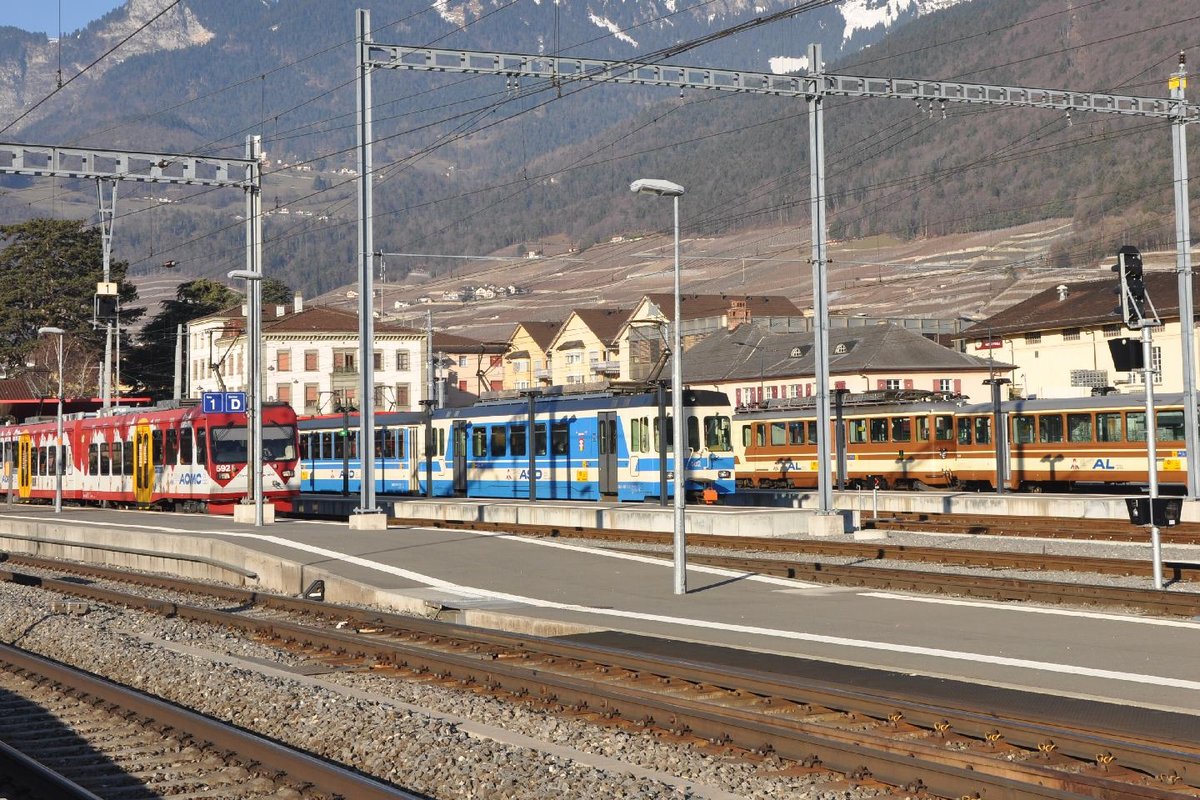
  • By Train: Direct connections from Lausanne (40 min), Geneva (1h 15m), and Brig (1h). The Aigle station is central and connects to regional lines (Alpes Vaudoises).
  • By Car: Easily accessible via the A9 motorway. Parking is available near the château and in the town center.
  • Public Transport: Regional trains and buses connect to resorts, Bex Salt Mines, and other attractions.

Accommodation

Options range from central hotels (e.g., Hôtel du Nord), boutique guesthouses, and B&Bs to alpine lodges in nearby resorts. Early booking is recommended during festivals and holidays (MySwitzerland).

Family and Accessibility

  • Family-Friendly: Many attractions offer children’s menus, play areas, and interactive exhibits.
  • Accessibility: Major sites, including the château’s exterior and the wine museum, are wheelchair accessible; check details before visiting.

Visitor Services

  • Tourist Office: Place du Marché 2, open daily (Aigle.ch).
  • Tourist Card: Many accommodations offer a card with free or discounted access to public transport and attractions.
  • Language: French predominates; English and German are widely understood in tourist areas.
  • Currency: Swiss Franc (CHF).

Cultural Etiquette and Local Customs

  • Greetings: Handshakes are standard; three kisses on the cheek in informal settings.
  • Dress Code: Dress neatly; opt for modest attire at religious sites or events.
  • Public Behavior: Value punctuality, politeness, and keeping noise levels low.
  • Photography: Always ask before photographing people, especially during festivals.
  • Support Local: Patronize markets, artisans, and family-run restaurants (StayBalancedTravel).

Frequently Asked Questions (FAQs)

Q: What are Château d’Aigle’s visiting hours?
A: Tuesday to Sunday, 10:00 AM–5:00 PM; closed Mondays.

Q: How do I buy tickets for the château and wine museum?
A: On-site or online via the official tourism websites; discounts available for families and groups.

Q: Are guided tours available?
A: Yes, on weekends or by appointment for both the château and the World Cycling Centre.

Q: Is Aigle accessible for visitors with disabilities?
A: Most major attractions and the town center are wheelchair accessible.

Q: What are must-see nearby attractions?
A: Chillon Castle, Bex Salt Mines, Glacier 3000, and Leysin/Villars-sur-Ollon resorts.


Visual Highlights

Château d’Aigle Medieval Castle Aigle Vineyards in Autumn Aigle Wine Festival Map of Aigle and surrounding attractions


Plan Your Visit

Download the Audiala app for personalized travel guides, updated event calendars, and exclusive offers. For further travel inspiration and practical advice, explore our related articles on Swiss castles, wine tourism, and alpine adventures. Follow us on social media for insider tips and latest updates.


Summary and Visitor Recommendations

Aigle masterfully blends medieval history, alpine scenery, and vibrant cultural life. The Château d’Aigle stands at its heart, complemented by a lively old town, renowned wine festivals, and a wealth of outdoor pursuits. Its strategic location allows easy access to the Vaud Alps and nearby attractions, making it an excellent base for exploring the region.

With excellent transport links, diverse accommodations, and a welcoming community, Aigle is equipped to offer a memorable experience to every traveler. Plan ahead for visiting hours, tickets, and event schedules to make the most of your journey into Swiss heritage and lifestyle.

For real-time updates, download the Audiala app and connect with local tourism platforms and social media channels.


Listen to the full story in the app

Your Personal Curator, in Your Pocket.

Audio guides for 1,100+ cities across 96 countries. History, stories, and local insight — offline ready.

smartphone

Audiala App

Available on iOS & Android

download Download Now

Join 50k+ Curators

Last reviewed: