Introduction
Västra Gymnasiehuset, located on Riddarholmen in central Stockholm, is a significant historical and architectural landmark that encapsulates Sweden’s evolving narrative—from medieval monastic life to royal intrigue, civic transformation, and modern educational innovation. Originally built in 1635 atop the medieval Greyfriars Monastery ruins, the building stands as a testament to centuries of architectural evolution and urban development. This guide offers a comprehensive overview of Västra Gymnasiehuset’s history, architectural highlights, practical visitor information, accessibility, and its role within Stockholm’s cultural landscape.
For the most current details and updates, consult the official Statens Fastighetsverk website and Stockholm tourism portals (Nya Projekt, Historical Marker Database).
Photo Gallery
Explore Västra Gymnasiehuset in Pictures
Medieval Foundations
Västra Gymnasiehuset stands on the remnants of the medieval Gråbrödraklostret (Greyfriars Monastery). Archaeological studies have revealed original monastery walls, cellars, and a vaulted room, possibly adorned by the renowned 15th-century artist Albertus Pictor (Nya Projekt). These elements provide a rare glimpse into Stockholm’s pre-Reformation religious life.
17th and 18th Century Transformations
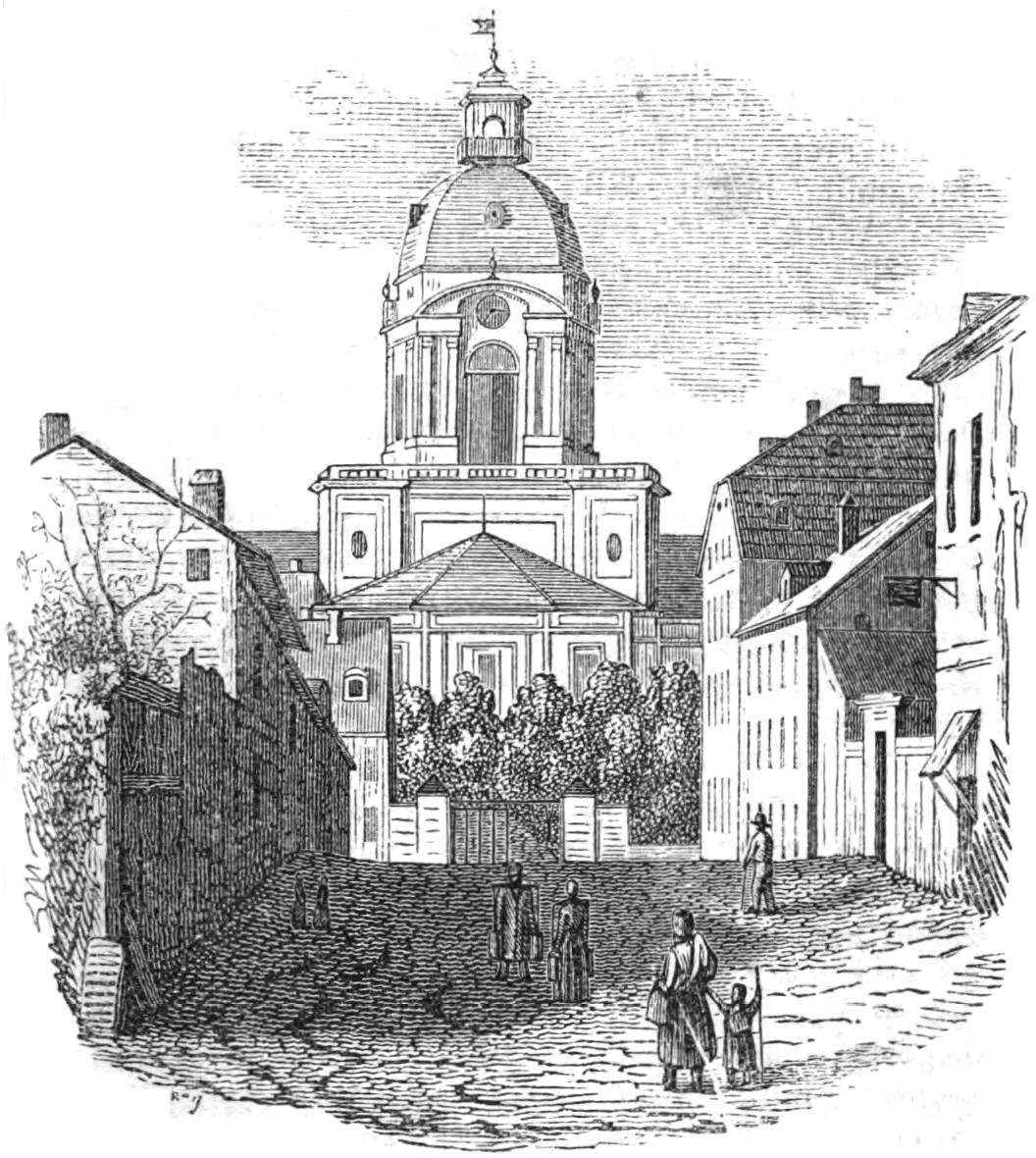
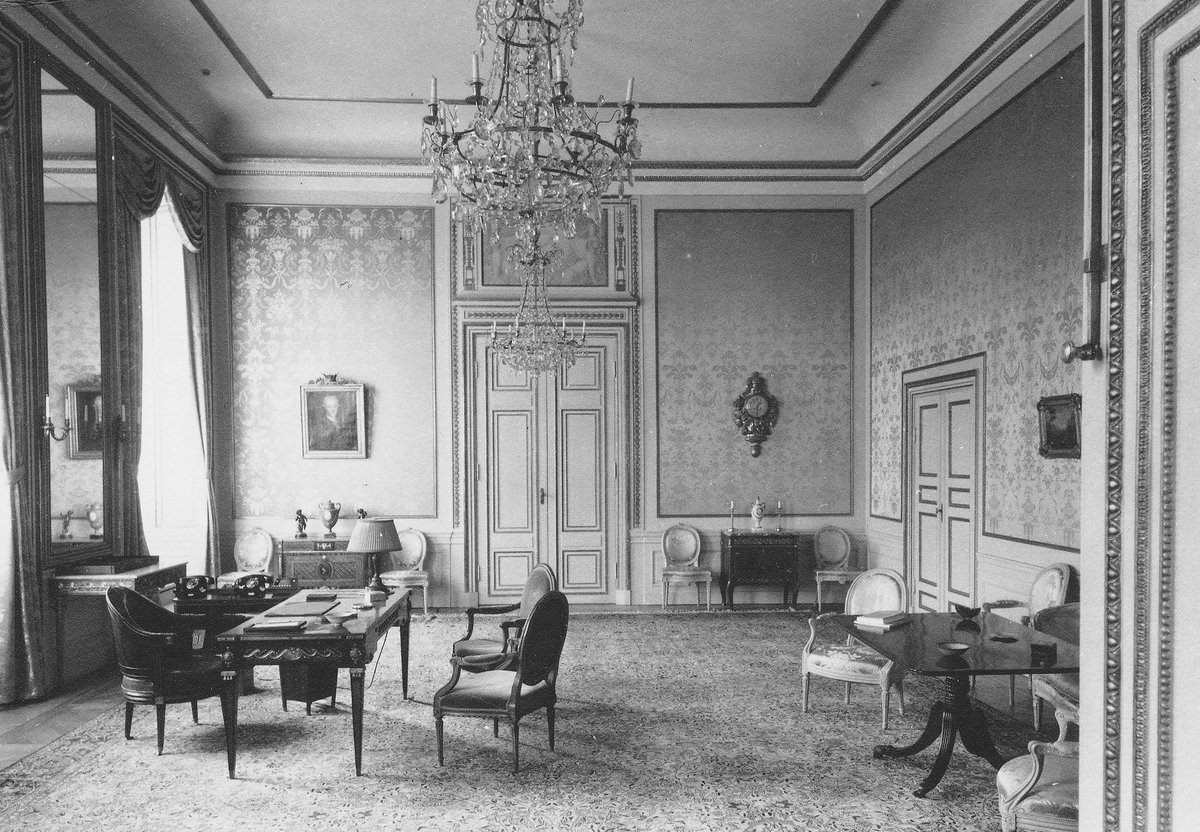
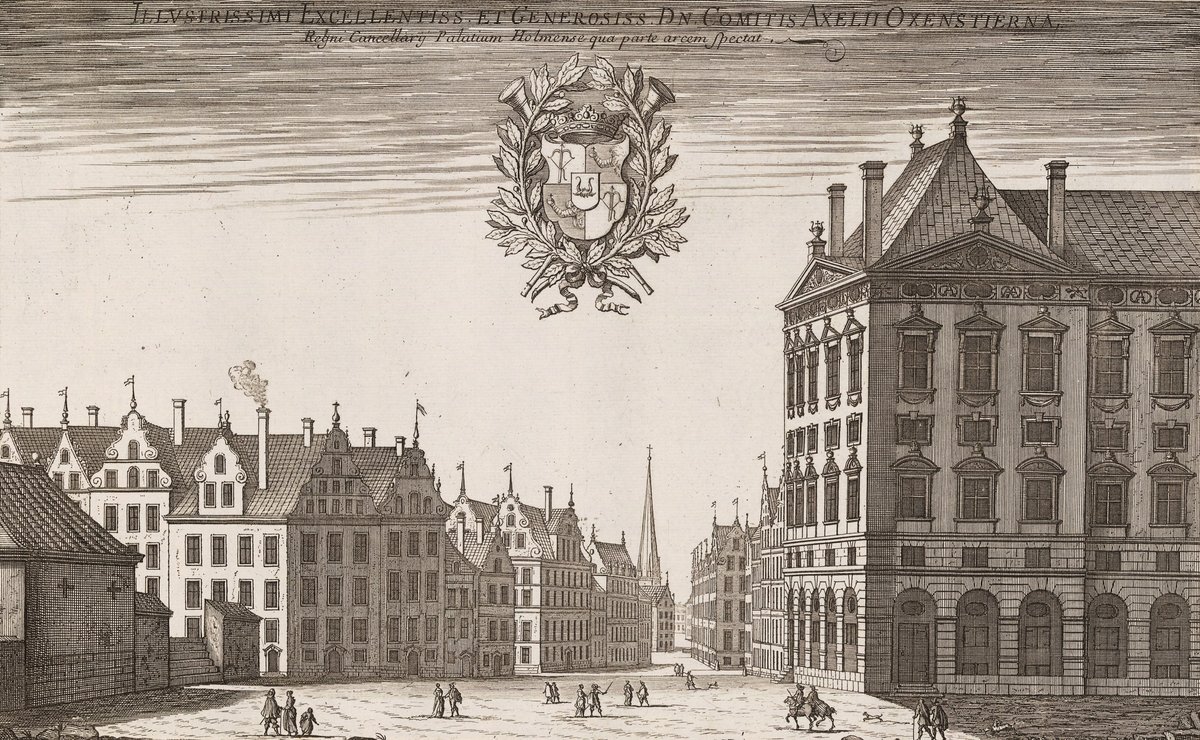
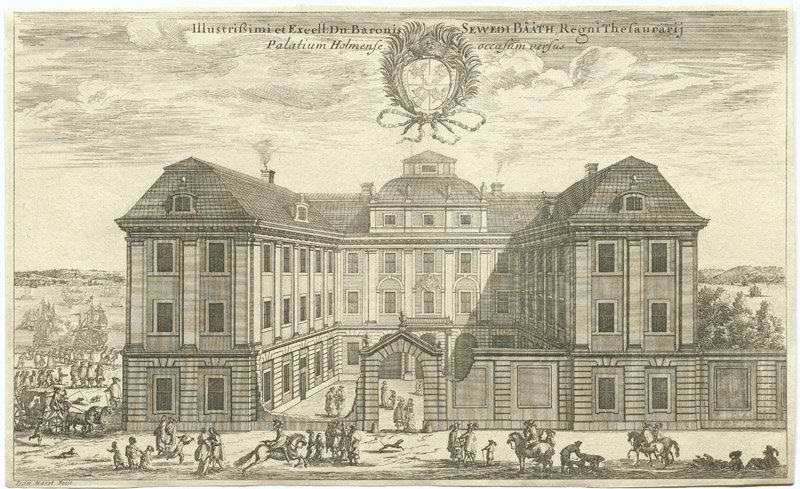
In the 1640s, Gustaf Adam Banér converted the property into Banérska palatset, adding an extra floor and ornate stucco ceilings that are still present. Banér’s renovations also introduced a new street, Gymnasiegränd, by partially demolishing earlier structures. In the 18th century, the building was home to Hedvig Taube, the first official royal mistress of King Fredrik I, while the royal couple resided nearby as Stockholm Palace was rebuilt after the 1697 fire (Byggnyheter, M3 Bygg).
19th and 20th Century: Educational and Civic Roles
The building shifted to public use in the 19th century, initially serving as royal wardrobe storage and, by 1814, as an educational institution. Architect Johan Fredrik Åbom led significant renovations in the mid-1800s, updating the façade to a late Empire style and connecting the western and eastern buildings with an archway (Statens Fastighetsverk). In the 20th century, Västra Gymnasiehuset hosted several state offices, including the National Audit Office and the Market Court, and currently houses the Svea Court of Appeal (Wikipedia).
Architectural Highlights
Västra Gymnasiehuset displays a harmonious blend of stylistic influences:
- Façade: Late Empire style with grand arched windows and classical proportions.
- Interiors: Preserved 17th-century stucco ceilings, decorative moldings, and vaulted medieval rooms.
- Connection: The archway over Gymnasiegränd unites the western and eastern buildings, symbolizing their historic and functional continuity.
- Archaeological Remains: Foundations of the medieval monastery add depth and authenticity to the site (Nya Projekt).
Recent Renovations and Sustainability
From 2018 to 2025, Västra Gymnasiehuset underwent extensive restoration to preserve its historical features and introduce modern amenities:
- Facade Restoration: Cleaning and reinforcement of brickwork and glass panels.
- Interior Upgrades: Flexible learning spaces, improved accessibility (elevators, ramps, tactile signage).
- Sustainability Initiatives: Green roof, geothermal heating, solar panels, and rainwater harvesting for reduced environmental impact.
- Environmental Certification: Achieved Miljöbyggnad Silver status (Visit Stockholm, Byggnyheter).
Visiting Västra Gymnasiehuset: Practical Information
Visiting Hours:
- Monday to Friday: 10:00 AM – 5:00 PM (may vary during restoration or events; check official sources before visiting).
Tickets and Admission:
- General admission is free.
- Guided tours and special exhibitions may require advance booking and a small fee.
Accessibility:
- Step-free entrances, elevators, accessible restrooms, tactile signage.
- Some historical areas may have limited access; contact site management for details.
Guided Tours:
- Offered in Swedish and English.
- Must be booked in advance via the official website or visitor center.
- Tours include architectural features, sustainability initiatives, and heritage elements.
On-Site Amenities:
- Café with traditional Swedish refreshments.
- Wi-Fi available throughout.
- Cloakrooms and lockers for visitors.
Getting There:
- Located on Riddarholmen, a short walk from central Stockholm.
- Closest public transport: Metro (Gamla Stan station), bus lines, nearby ferry piers (SL Stockholm Public Transport).
- Bicycle parking available.
Nearby Attractions
Combine your visit with other landmarks:
- Riddarholmskyrkan: Stockholm’s oldest church and royal burial site.
- Stockholm Palace: The official residence of the Swedish monarch.
- Nobel Museum, Gamla Stan: Explore the city’s medieval roots.
- Wrangelska Palatset: Another example of historic architecture on Riddarholmen.
These sites, along with cobblestone streets and waterfront views, offer excellent photographic opportunities.
Events and Community Engagement
Västra Gymnasiehuset regularly hosts:
- Sustainability Week: Student-led programs on green initiatives.
- Heritage Days: Exhibitions on the building’s history.
- Art Installations: Rotating displays by local artists.
- Workshops and Lectures: Open to the public during cultural seasons (StadsEvent: Stockholm July Events).
Visitor Tips
- Best time to visit: Early mornings or late afternoons on weekdays to avoid crowds.
- Dress code: Smart-casual; wear comfortable shoes for touring historic spaces.
- Photography: Permitted in public areas; check for restrictions in exhibitions or classrooms.
- Language: Staff and guides speak fluent English.
- Payment: Sweden is cashless; cards and contactless payments preferred.
Frequently Asked Questions (FAQ)
Q: Do I need a ticket?
A: General admission is free; guided tours may require booking and a small fee.
Q: What are the opening hours?
A: Typically Monday to Friday, 10:00 AM to 5:00 PM, but check official channels for updates.
Q: Is the building accessible?
A: Yes, with step-free access, elevators, and accessible restrooms. Some historic areas may have limitations.
Q: How do I get there?
A: Walking distance from central Stockholm, or use public transport (metro, bus, ferry).
Q: Are guided tours available?
A: Yes, in Swedish and English; book in advance.
Q: Can I take photos?
A: Yes, in most public spaces; check signage for any restrictions.
Listen to the full story in the app
Your Personal Curator, in Your Pocket.
Audio guides for 1,100+ cities across 96 countries. History, stories, and local insight — offline ready.
Audiala App
Available on iOS & Android
Join 50k+ Curators
Sources
- verified
- verified
- verified
- verified
- verified
- verified
Last reviewed: