Introduction
The Trappan Community Centre in Stockholm stands as a dynamic symbol of Sweden’s ongoing commitment to social innovation, integration, and empowerment. Since its founding in the early 21st century, Trappan (meaning "The Staircase" in Swedish) has been at the forefront of creating inclusive public spaces that embody the values of the Swedish welfare model, known as folkhemmet. By serving a diverse population—including migrants, refugees, and children affected by trauma—Trappan has emerged as both a local institution and an internationally recognized model for community-based child protection (Visit Stockholm; World City History).
This comprehensive guide covers Trappan’s history, social impact, practical visitor information, the acclaimed Trappan Model for child protection, and tips for making the most of your visit. Whether you are a tourist, a professional interested in social work, or a local resident, Trappan offers meaningful engagement with Stockholm’s multicultural identity.
Historical Background and Architecture
Origins and Urban Context
Founded in the early 21st century, Trappan was established to address rising demands for inclusive, accessible community spaces in Stockholm’s evolving urban landscape. Its mission is rooted in the folkhemmet tradition—prioritizing welfare, equality, and broad participation. Trappan’s location within multicultural districts, often in areas marked by rapid demographic change, underscores its commitment to serving marginalized and newly arrived populations (World City History).
Architectural Significance
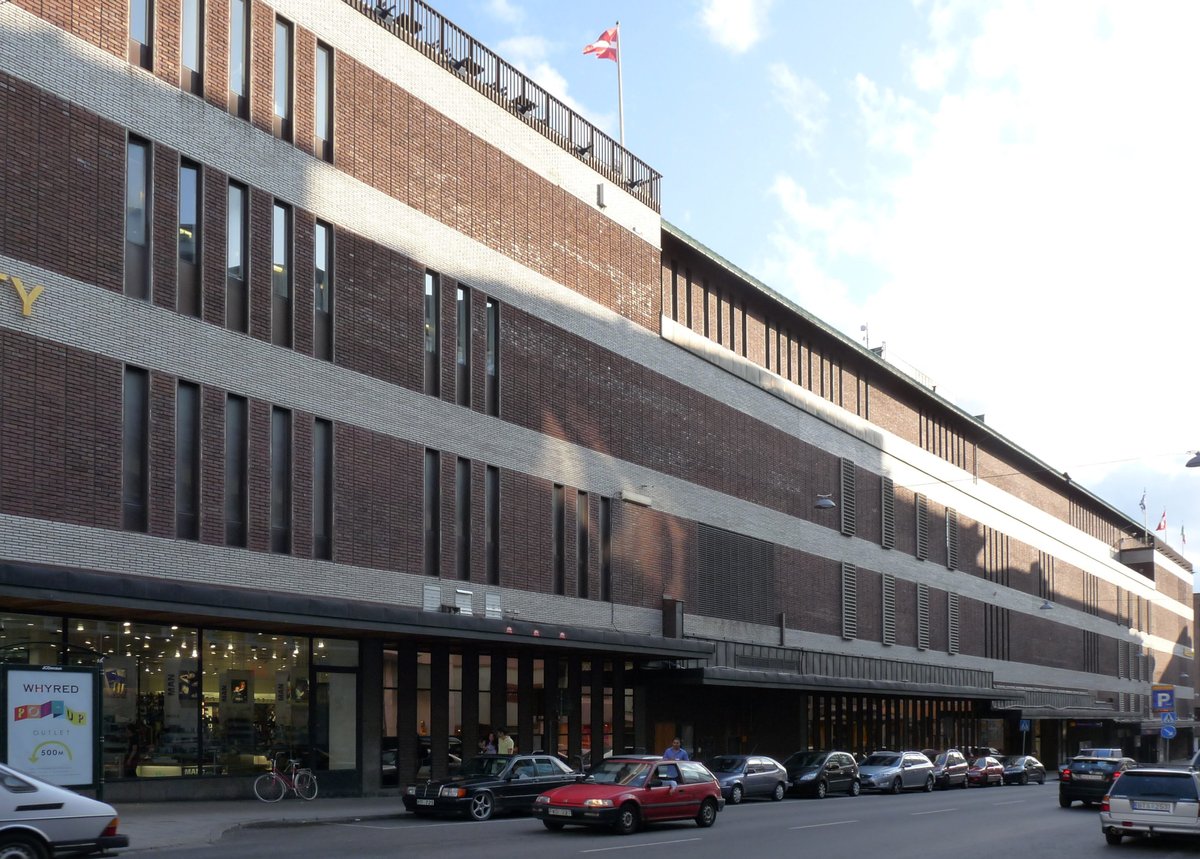
Trappan is housed in a modernist municipal building, reflecting Scandinavian functionalism with minimalist design, open spaces, multipurpose rooms, and communal kitchens. The architecture is not only aesthetically pleasing but also highly practical—supporting a range of social, educational, and cultural activities (The Hidden North).
The centre is strategically situated near major public transport lines, ensuring easy access for visitors and aligning with Stockholm’s urban planning goals of connectivity and inclusivity (Visit Stockholm).
Social Impact and Community Programs
Integration and Empowerment Initiatives
Trappan is renowned for its comprehensive programming targeting social integration and empowerment, especially for migrants and refugees. Inspired by Malmö’s Yalla Trappan—a women’s cooperative focused on employment and social entrepreneurship—Stockholm’s Trappan adapts these models to local needs (Work is Progress). Key initiatives include:
- Language and Skills Training: Swedish language courses, digital literacy classes, and vocational workshops.
- Mentorship and Networking: Connecting newcomers with established residents to foster integration and professional development.
- Community Events: Multicultural festivals, art exhibitions, and forums for sharing heritage and perspectives.
Women’s Empowerment
Trappan places particular emphasis on empowering marginalized women by recognizing and professionalizing domestic skills like cooking and sewing. Through entrepreneurship workshops, leadership training, and childcare support, women gain confidence, economic independence, and enhanced social standing (Springer, 2024).
Collaboration and Recognition
Operating as a social enterprise, Trappan reinvests surpluses into its programs and collaborates with stakeholders including municipal agencies, nonprofits, local businesses, and academic institutions. These partnerships amplify Trappan’s reach and effectiveness, ensuring ongoing innovation and measurable outcomes such as increased employment rates and improved community cohesion (Stockholm Business Region).
The Trappan Model: Child Protection Innovation
Structure and Implementation
The Trappan Model is a trauma-informed, stepwise intervention for children and adolescents who have experienced violence, especially in domestic contexts. Developed at the Trappan Community Centre, this model is structured in three key phases over 3–8 sessions, tailored to the child’s age and needs (FRA, 2025):
-
Establishing Safety and Trust
- Initial assessments, psychoeducation, and rapport building.
-
Processing the Experience
- Creative therapeutic work through drawing, storytelling, and play; emotional validation.
-
Strengthening Agency and Future Orientation
- Empowerment, rebuilding self-esteem, safety planning, and involving non-offending caregivers as appropriate.
This model leverages multidisciplinary collaboration among social workers, healthcare providers, schools, and families to ensure comprehensive support.
Evidence and International Influence
Evaluations of the Trappan Model demonstrate reductions in anxiety and trauma symptoms among children, along with improved family communication. The model is cited as a best practice in European child protection research and has influenced similar initiatives throughout the Nordic region (FRA, 2025; ScienceDirect).
Visiting Hours, Tickets, and Practical Information
Opening Hours and Tickets
- General Opening Hours: Monday to Friday, 9:00 AM–6:00 PM; Saturday, 10:00 AM–4:00 PM; closed Sundays and public holidays.
- Admission: Free for general entry and most events. Some specialized workshops require advance booking and a nominal fee.
- Guided Tours: Offered occasionally by appointment, especially for professionals or groups seeking insight into the Trappan Model or social programming.
Accessibility and Facilities
- Fully wheelchair accessible, featuring step-free entrances, accessible restrooms, and clear signage.
- Multilingual staff and signage accommodate Stockholm’s diverse population.
- Community café offers traditional Swedish fika and international dishes.
Directions and Transportation
- Address: For the most current address and directions, consult the official Stockholm municipality website.
- Public Transport: Close to major metro (Tunnelbana) and bus lines; cycling is also encouraged (Visit Stockholm).
- By Car: Limited parking is available nearby.
Events, Guided Tours, and Special Activities
- Workshops: Cooking, sewing, digital literacy, and more—open to all, with some requiring registration.
- Special Events: Festivals, exhibitions, and seminars on integration and child protection.
- Support Groups: Including those based on the Trappan Model for children and families (Marie Cederschiöld högskola).
Nearby Attractions
- Filmstaden Vällingby (if visiting that district): Modern cinema and entertainment complex (Mapcarta).
- Vällingby Library: Multilingual public library.
- Local Parks and Markets: Explore the vibrant street art, markets, and green spaces of the neighborhood.
Visitor Tips and Frequently Asked Questions
Visitor Tips
- Advance Booking: Recommended for workshops, tours, and special events.
- Photography: Restricted inside the centre to protect privacy.
- Language: Swedish is primary, but English and other languages are widely spoken.
- Best Time to Visit: Weekday mornings for a quieter experience; festivals and weekends for vibrant events.
- Support Trappan: Purchase crafts, donate, or volunteer to contribute to ongoing programs.
Frequently Asked Questions (FAQ)
Q: What are Trappan’s visiting hours?
A: Monday–Friday, 9:00 AM–6:00 PM; Saturday, 10:00 AM–4:00 PM.
Q: Is there an entrance fee?
A: General admission is free; some events or workshops may require a small fee.
Q: Are guided tours available?
A: By appointment, especially for groups or professionals.
Q: Is Trappan accessible for people with disabilities?
A: Yes, the centre is fully accessible.
Q: Can I bring children?
A: Yes, there are family and child-focused programs available.
Q: How do I get to Trappan by public transport?
A: Take the metro (Tunnelbana) or bus; check the SL app for the best route.
Summary
Trappan Community Centre exemplifies holistic community empowerment and social inclusion within Stockholm’s rapidly changing urban landscape. Drawing on Sweden’s welfare traditions and innovative models like Yalla Trappan and the Trappan Model, the centre fosters language acquisition, vocational training, psychosocial support, and multicultural engagement. With its accessible facilities, strategic location, and collaborative approach, Trappan is both a vital resource for locals and a compelling destination for visitors seeking to understand Stockholm’s approach to integration and social innovation (Work is Progress; Socialstyrelsen; FRA, 2025).
Plan Your Visit
Stay up to date with Trappan’s events, workshops, and visiting hours by checking their official website and following their social media channels. For real-time updates, interactive maps, and insider tips, download the Audiala app. Explore Stockholm’s hidden gems and multicultural life with confidence and curiosity.
Listen to the full story in the app
Your Personal Curator, in Your Pocket.
Audio guides for 1,100+ cities across 96 countries. History, stories, and local insight — offline ready.
Audiala App
Available on iOS & Android
Join 50k+ Curators
Sources
- verified
- verified
- verified
- verified
- verified
- verified
- verified
- verified
- verified
Last reviewed: