Introduction
Styckekranen, an iconic crane on Stockholm’s Skeppsholmen island, stands as a powerful symbol of Sweden’s maritime, industrial, and naval heritage. This unique wooden artillery crane, built in the mid-18th century, played a crucial role in loading heavy naval artillery onto warships, exemplifying pre-industrial engineering with its human-powered treadwheel mechanism (modelshipworld.com). Today, Styckekranen is preserved as a cultural monument, offering visitors year-round access and a compelling look at Stockholm’s transformation from a medieval trading hub to a modern European capital. This guide provides historical context, architectural insights, practical information on visiting hours and tickets, accessibility details, and tips for exploring nearby attractions, helping you make the most of your visit to one of Stockholm’s historical gems (SFV; Open House Stockholm).
Photo Gallery
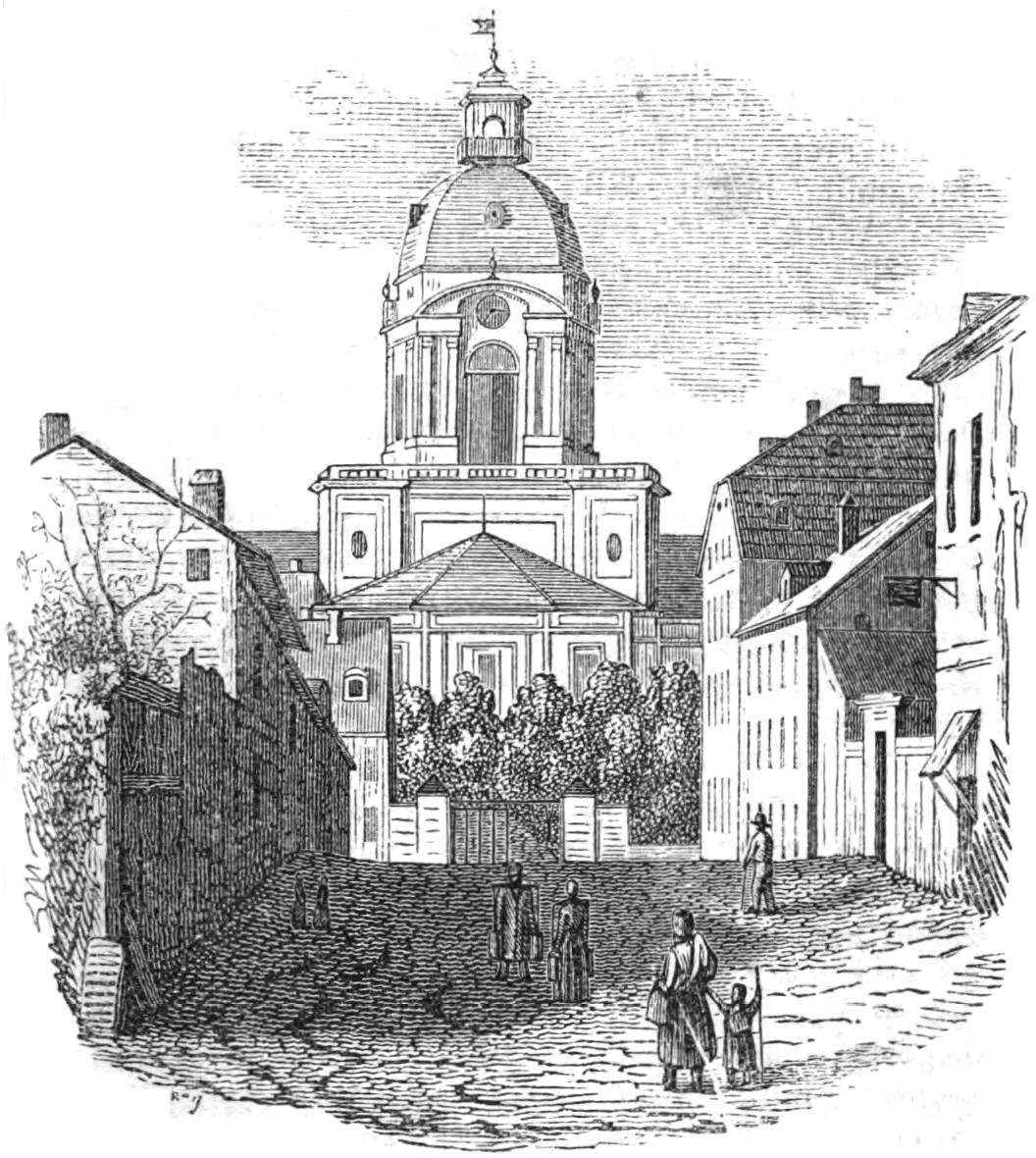
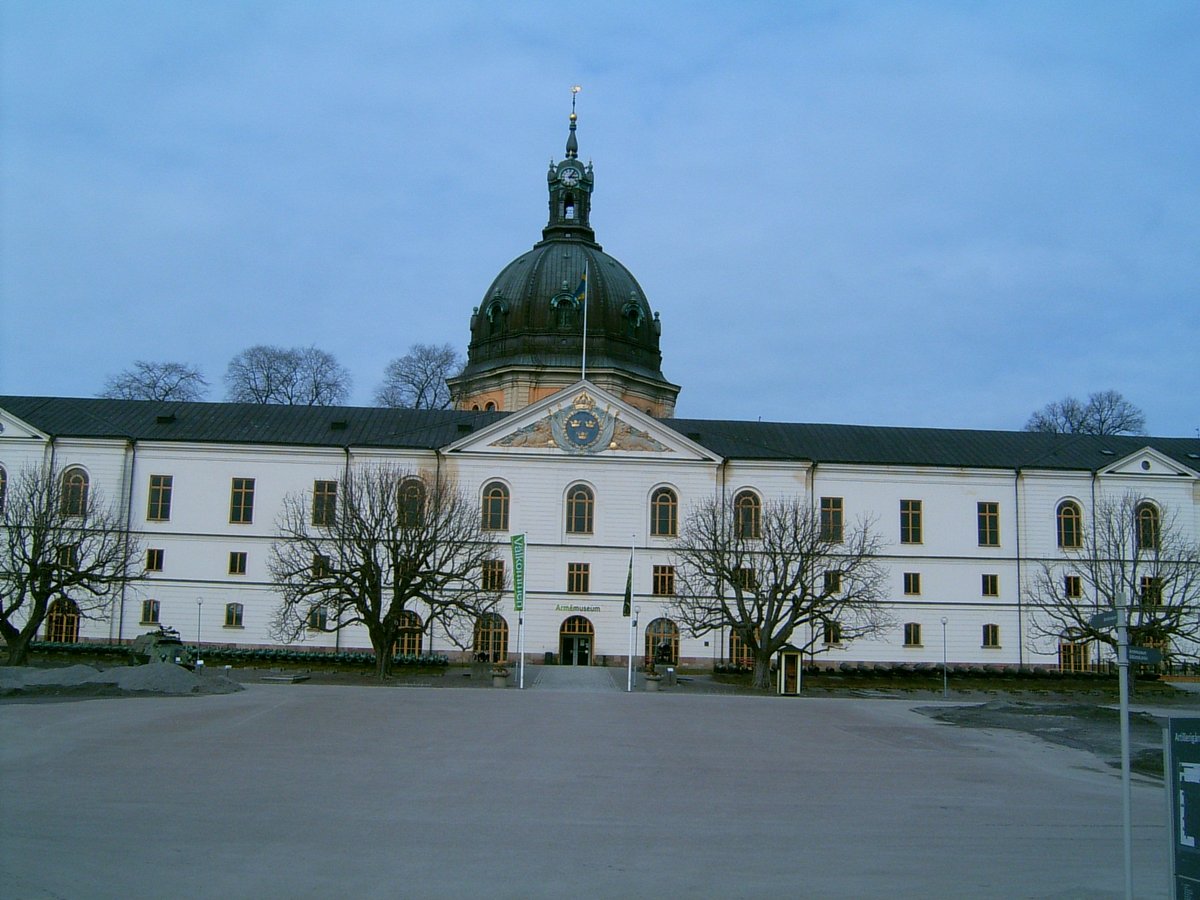
Explore Styckekranen in Pictures

Historical Background: Styckekranen and Stockholm’s Waterfront
Early Settlement and Urban Growth
Stockholm’s location on Lake Mälaren’s islands has attracted settlers since the Stone Age, with the area’s first urban development credited to Birger Jarl in 1252. The city’s strategic placement enabled control over vital trade routes between Lake Mälaren and the Baltic Sea, while the islands provided natural defense (Life in Norway; Stockholm.net). Gamla Stan, the city’s medieval core, quickly emerged as a political and economic powerhouse.
Maritime and Industrial Significance
Stockholm’s maritime prowess was solidified through its Hanseatic League membership and its status as Sweden’s capital from 1436 (Stockholm.net). The waterfront’s shipyards, warehouses, and cranes supported growing trade and naval activities. The city’s industrialization in the 19th century brought railways, steam engines, and a surge in new construction, transforming Stockholm into a bustling trade center (Wikipedia).
Styckekranen: Naval Engineering Marvel
The original Styckekranen, built in the 1700s, exemplified innovative engineering—its treadwheel mechanism allowed teams of workers to load cannons and heavy cargo with precision (modelshipworld.com). The crane was integral to the Royal Shipyard on Skeppsholmen, supporting Sweden’s naval ambitions and technological leadership. Its name derives from the Swedish term “stycke” (gun/cannon), highlighting its primary role.
Urban Change and Heritage Preservation
With the move of harbor operations away from the city center in the mid-20th century, industrial cranes like Styckekranen became obsolete. However, Stockholm’s commitment to heritage preservation ensured that Styckekranen was protected as a historical monument, representing the city’s layered industrial and maritime past (SFV).
Architectural and Technical Significance
Pre-Industrial Engineering
Styckekranen is a rare surviving wooden harbor crane, powered by two internal treadwheels where workers would walk to operate the lifting mechanism. A third wheel controlled the rotation of the boom, allowing accurate placement of cannons and heavy loads onto waiting ships (modelshipworld.com). The structure’s robust timber frame and iron cladding reflect both the craftsmanship and advanced engineering of 18th-century Sweden.
Industrial Evolution
While Styckekranen represents the height of pre-industrial crane technology, Stockholm’s waterfront later saw the arrival of steel cranes with greater capacity and powered mechanisms—some of which still serve as landmarks in nearby districts (Wikimedia Commons; Neighbourhood Guidelines). The juxtaposition of Styckekranen with later industrial cranes illustrates the city’s technological evolution.
Landmark Status
Today, Styckekranen’s silhouette is an unmistakable feature of Skeppsholmen’s waterfront, offering dramatic views and a physical link to the city’s industrial heritage. Its preservation has influenced urban planning in Stockholm, inspiring the integration of historic structures into modern public spaces.
Practical Guide: Visiting Styckekranen
Location and Access
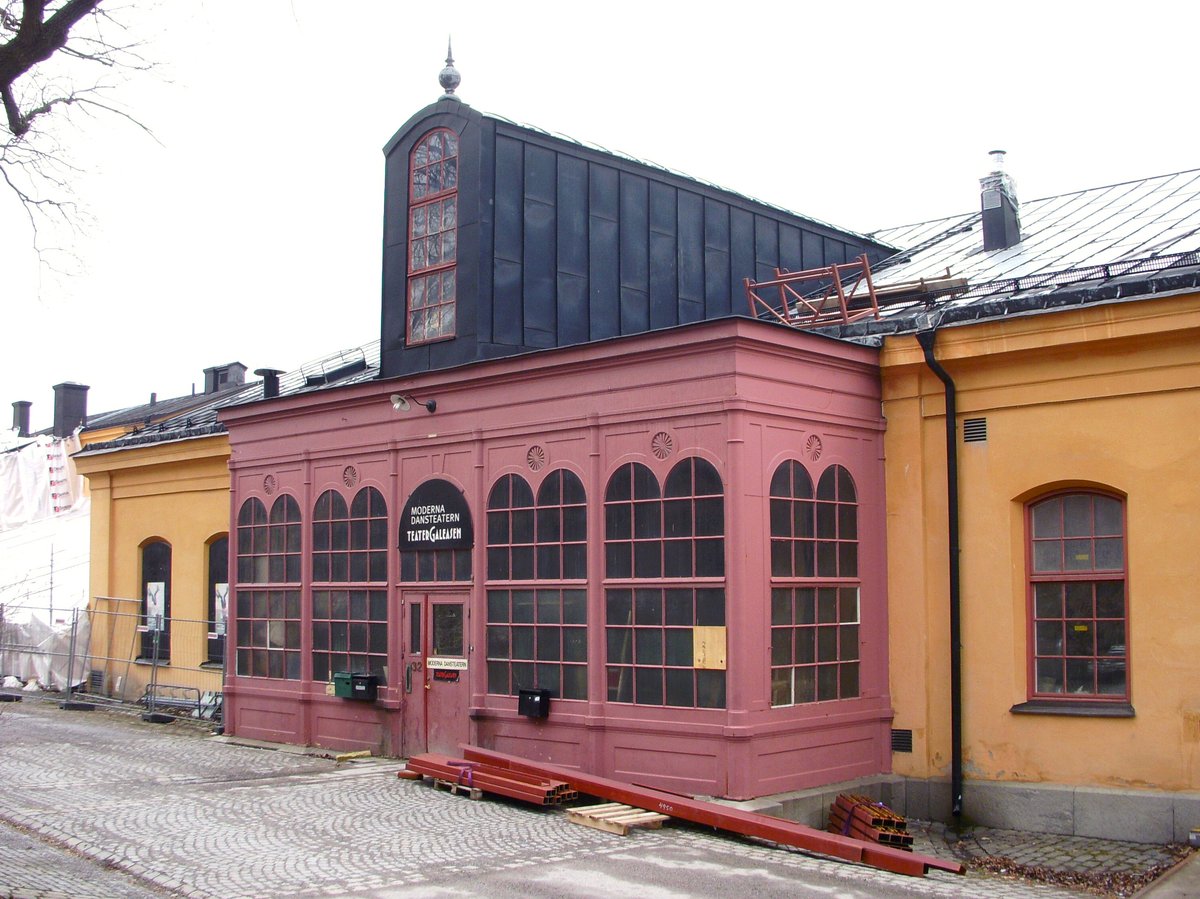
Styckekranen is located on Skeppsholmen, near the Moderna Museet and ArkDes. The island is accessible by foot via a pedestrian bridge from the city center, by bus, or by ferry (SFV; Tourist Secrets). The nearest metro station is Kungsträdgården.
Visiting Hours and Tickets
- Outdoor Viewing: Styckekranen is an outdoor monument accessible 24/7, year-round, with no entrance fee.
- Interior Access: The crane’s interior is generally closed, but guided tours are offered during special events (e.g., Open House Stockholm), typically weekends from 11:00 to 16:00 (Open House Stockholm). Tickets for these tours are free but require advance booking due to limited space.
Accessibility
- The area around Styckekranen is wheelchair and stroller accessible via paved paths, though access to the crane’s platform may be limited.
- Public restrooms are available at nearby museums and parks.
Onsite Experience
- Informative bilingual signage details the crane’s history and mechanics.
- During special openings, visitors can see the reconstructed treadwheel mechanism and may witness demonstrations of its operation.
- The site offers excellent photography opportunities, especially during golden hour.
Nearby Attractions
- Moderna Museet: Renowned for modern and contemporary art.
- ArkDes: Sweden’s national architecture and design center.
- Östasiatiska Museet: Focused on Asian art and culture.
- Skeppsholmen’s Waterfront: Offers panoramic views and pleasant walking paths.
- Cafés and Restaurants: Several options nearby, most accepting card payments only (Time Out Stockholm).
Travel Tips
- Weather: Dress in layers and wear sturdy shoes, especially in winter.
- Photography: The crane and city skyline make for striking images.
- Safety: Do not climb or tamper with the crane. The structure is protected as a state building monument.
- Language: English is widely spoken; most signage is bilingual.
- Cashless Society: Carry a credit/debit card rather than cash.
Emergency Information
For emergencies, dial 112. For non-urgent police matters, call 114 14 (Visit Stockholm).
Events and Special Activities
Styckekranen is part of local heritage festivals such as Open House Stockholm, when its interior is open for guided tours and live demonstrations. Check the SFV website and Open House Stockholm for event schedules and booking information.
Frequently Asked Questions (FAQ)
Q: What are the Styckekranen visiting hours?
A: Outdoor viewing is available 24/7 year-round. Interior access is available only during special guided tours.
Q: Are tickets required?
A: No for outdoor viewing. Guided interior tours during events are free but require advance booking.
Q: Is the site wheelchair accessible?
A: Most surrounding paths are accessible, but the crane’s interior may not be.
Q: How do I get there with public transport?
A: Take the metro to Kungsträdgården, or use city buses and ferries to reach Skeppsholmen.
Q: Can I visit other attractions nearby?
A: Yes, including Moderna Museet, ArkDes, and the Museum of Far Eastern Antiquities.
Sustainability and Preservation
Styckekranen is maintained by Statens fastighetsverk, with major restorations completed in 2003 to ensure authenticity. Visitors are encouraged to respect the site and support preservation efforts (SFV).
Styckekranen in European Context
Styckekranen is among the few remaining wooden harbor cranes in Europe, comparable to historic cranes in Gdańsk and Copenhagen, and provides a tangible link to the region’s maritime engineering heritage (modelshipworld.com).
Discover More
Styckekranen offers a unique window into Stockholm’s naval history, industrial innovation, and urban transformation. Its free, year-round access and proximity to world-class museums make it a must-see for history lovers, architecture fans, and curious travelers alike. For guided tours and event updates, always consult official sources before your visit.
Enhance your experience with the Audiala app for audio guides and updates on cultural events. Don’t forget to explore other historical sites on Skeppsholmen and share your visit on social media.
Listen to the full story in the app
Your Personal Curator, in Your Pocket.
Audio guides for 1,100+ cities across 96 countries. History, stories, and local insight — offline ready.
Audiala App
Available on iOS & Android
Join 50k+ Curators
Sources
- verified
- verified
- verified
- verified
- verified
- verified
- verified
- verified
- verified
- verified
- verified
- verified
Last reviewed: