Introduction
Stockholm, Sweden’s vibrant capital, is renowned for its grand monuments and rich royal heritage. Among its most iconic landmarks are the Gustav III Obelisk and the Statue of Gustav III, each offering a fascinating insight into the life and legacy of one of Sweden’s most influential monarchs. These neoclassical monuments stand as enduring symbols of national unity, artistic achievement, and civic pride, drawing visitors from around the world to explore their historical and cultural significance (World City Trail, Evendo).
This comprehensive guide explores the origins, symbolism, and practical visitor information for both the Gustav III Obelisk and the Statue of Gustav III. Whether you are a history enthusiast, an art lover, or simply a traveler eager to discover Stockholm’s historical sites, you will find everything you need to plan your visit—covering visiting hours, ticket details, accessibility, nearby attractions, and expert travel tips. The guide also highlights the broader historical landscape of Gamla Stan (Old Town), including the Royal Palace, Nationalmuseum, and the city’s scenic waterfront.
Photo Gallery
Explore Statue for Gustav Iii in Pictures
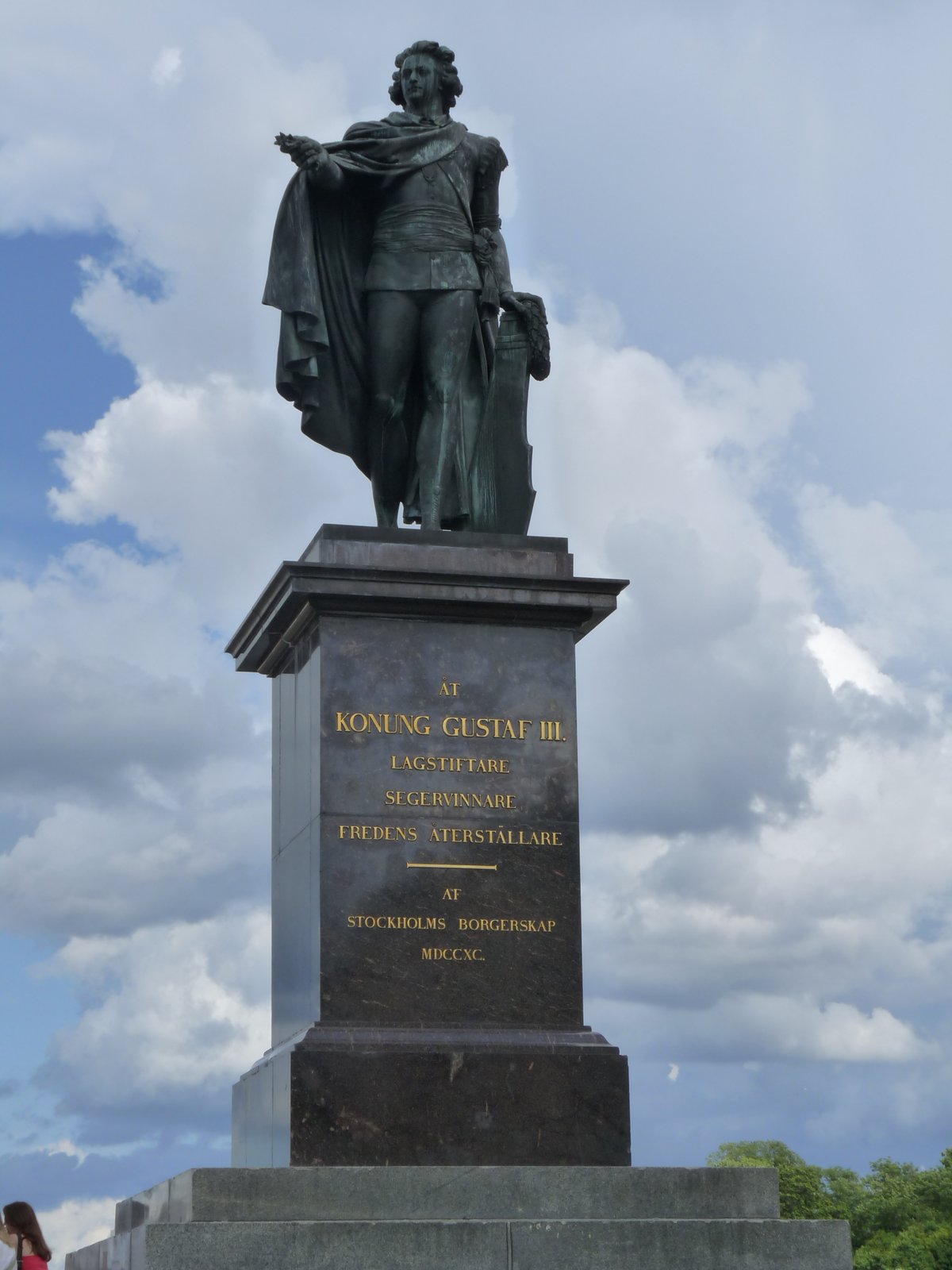
Statue of Gustav III of Sweden at Skeppsbron in Stockholm, Sweden
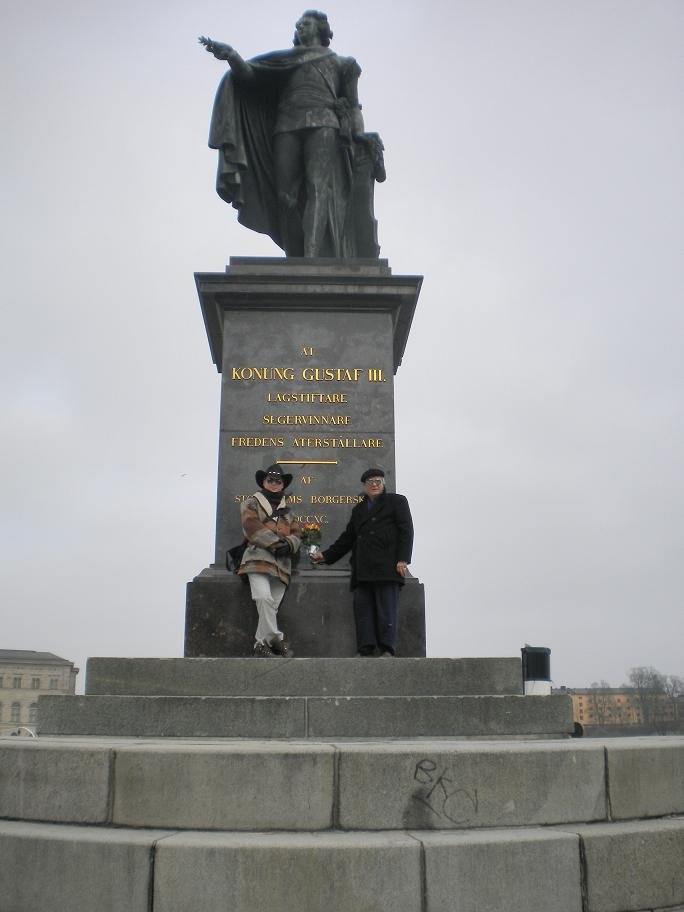
Commemorative event laying flowers at the statue of King Gustav III of Sweden on the 220th anniversary of his murder, located at Skeppsbron in Stockholm, Sweden.
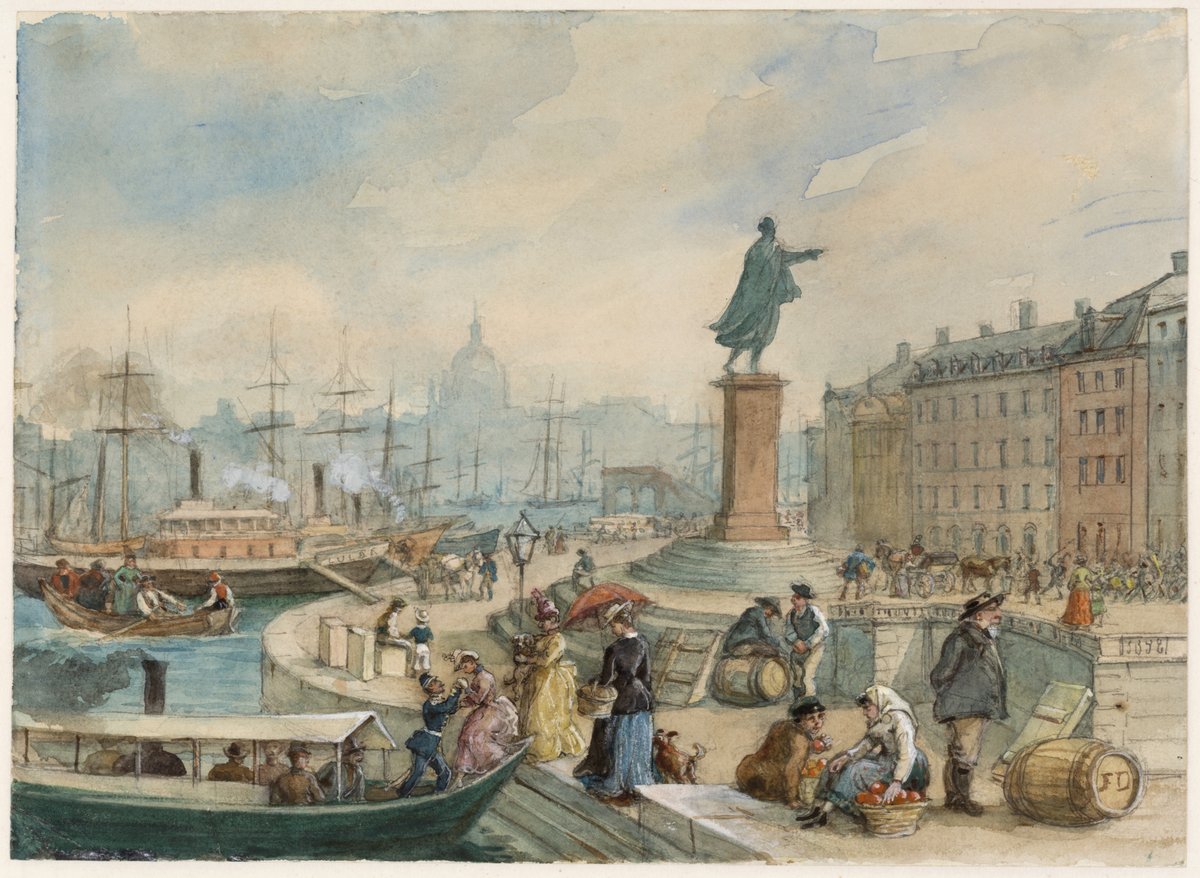
Watercolour artwork depicting the Skeppsbron waterfront in Stockholm featuring boats and historic buildings, created by Fritz von Dardel in the 1860s
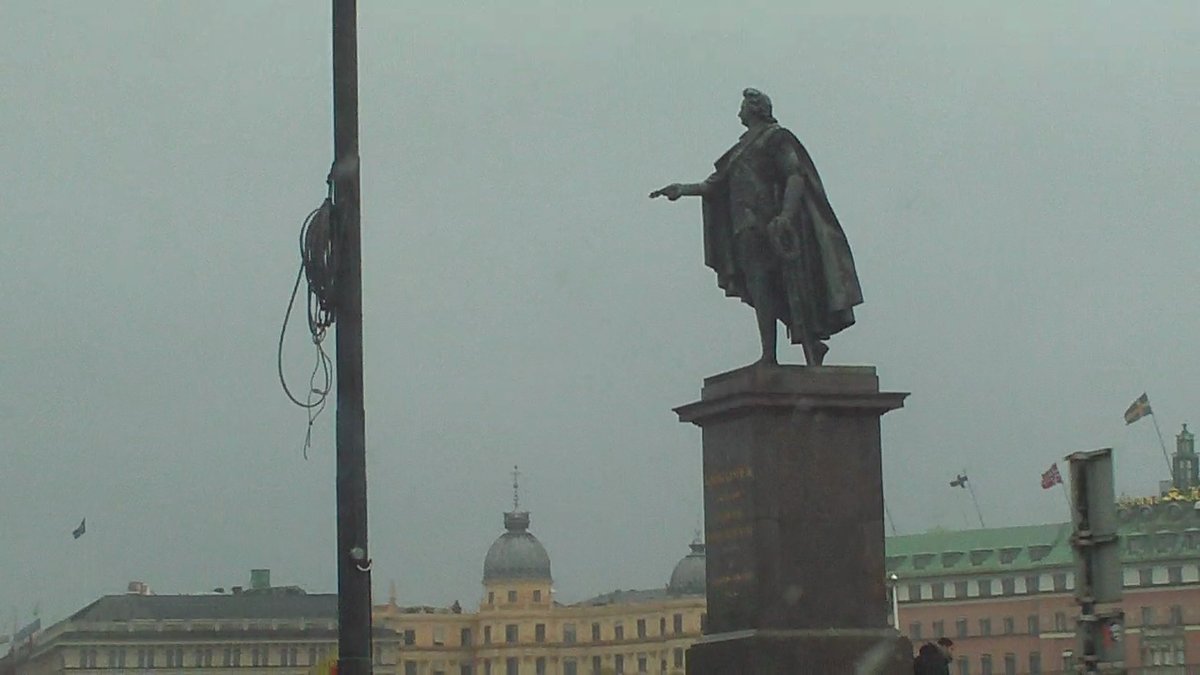
A historical statue of King Gustav III of Sweden (1746-1792) located outside the Royal Palace in Stockholm, symbolizing Swedish heritage and royalty.
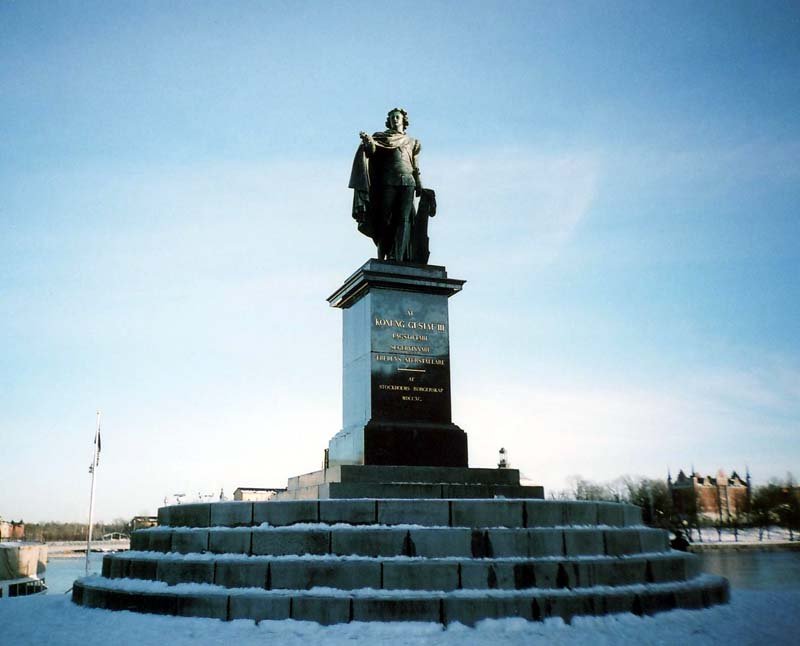
Statue of King Gustav III of Sweden sculpted by Johan Tobias Sergel, dedicated in 1808, located at Skeppsbron, Stockholm, Sweden.
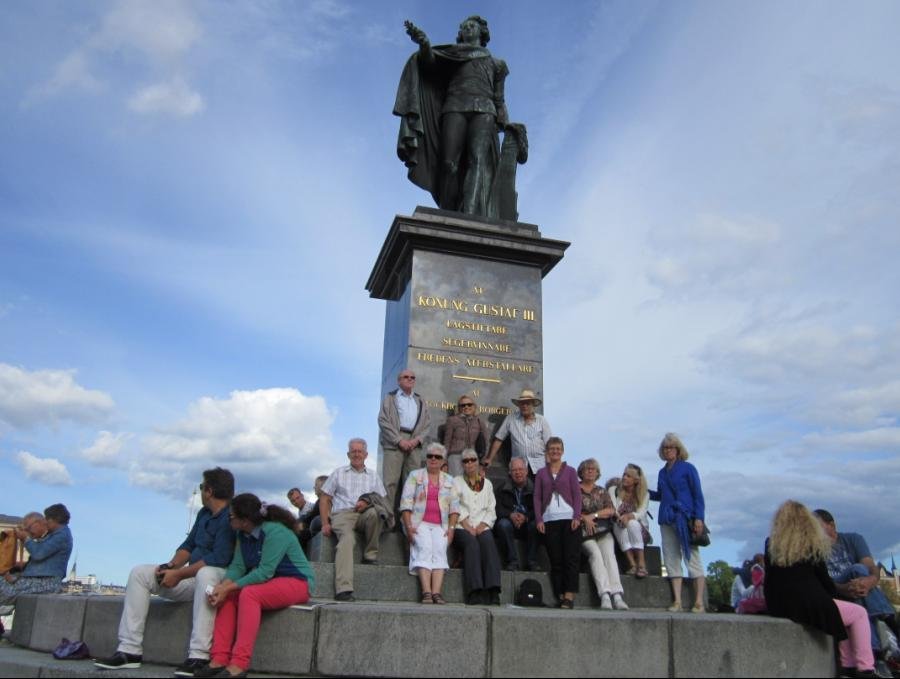
Descendants of Andreas von Reis and Sara Aronsdotter gathering at the Gustav III statue in Skeppsbron, Stockholm for a family reunion, honoring their main benefactor.
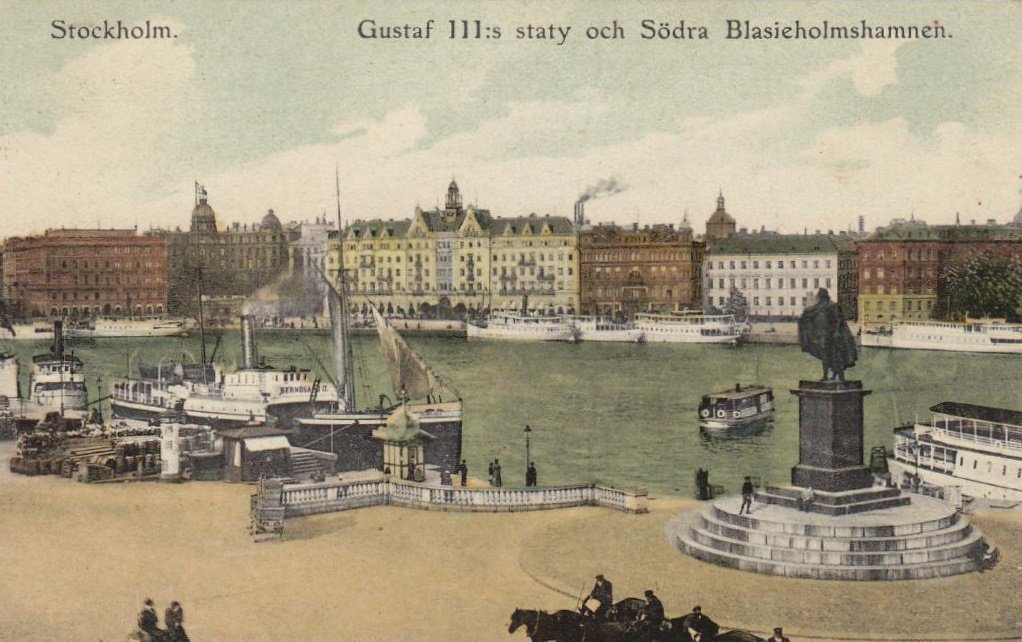
Historical postcard from around 1910 showing Gustav III statue and South Blasieholmshamnen harbor in Stockholm
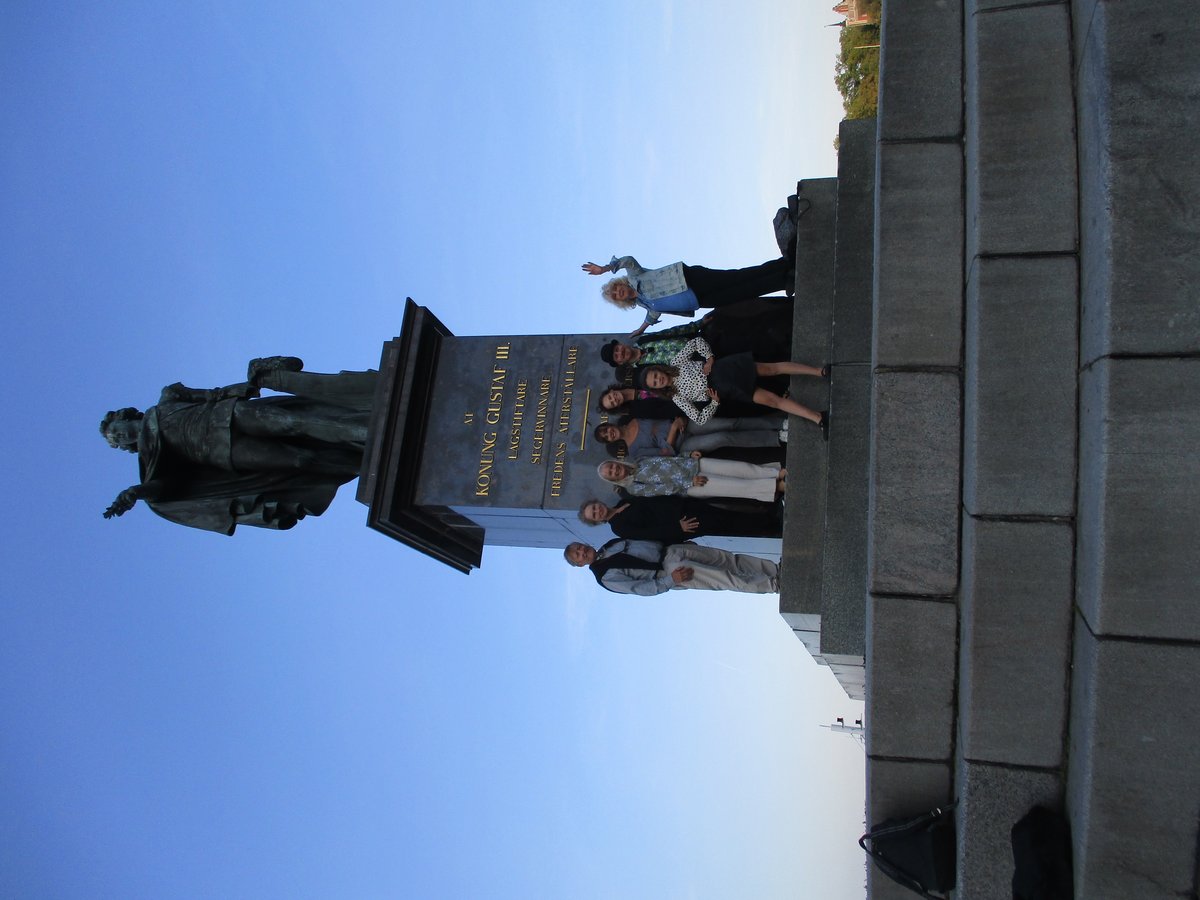
Descendants of Jacob & Fredrika Marcus and parents of Aron von Reis pay tribute to King Gustav III of Sweden at his statue located at Skeppsbrokajen, Stockholm, featuring family members Ann & Channing Reis, Annabelle Rice, Emily Miller, Emil Eikner, and Caroline Gentele in 2024.
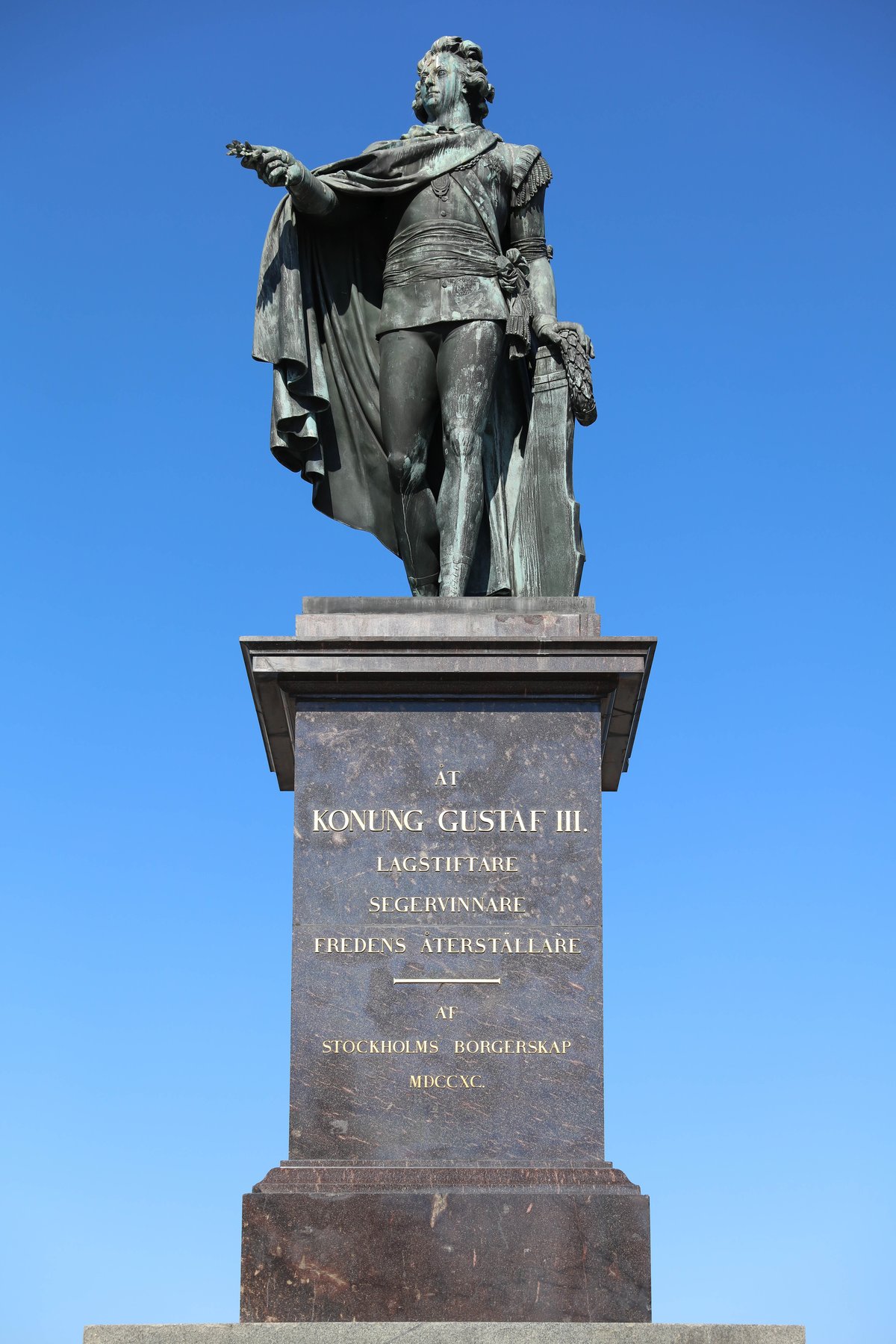
The Monument to King Gustav III of Sweden located in Stockholm, showcasing a statue of the king with intricate details and artistic design.
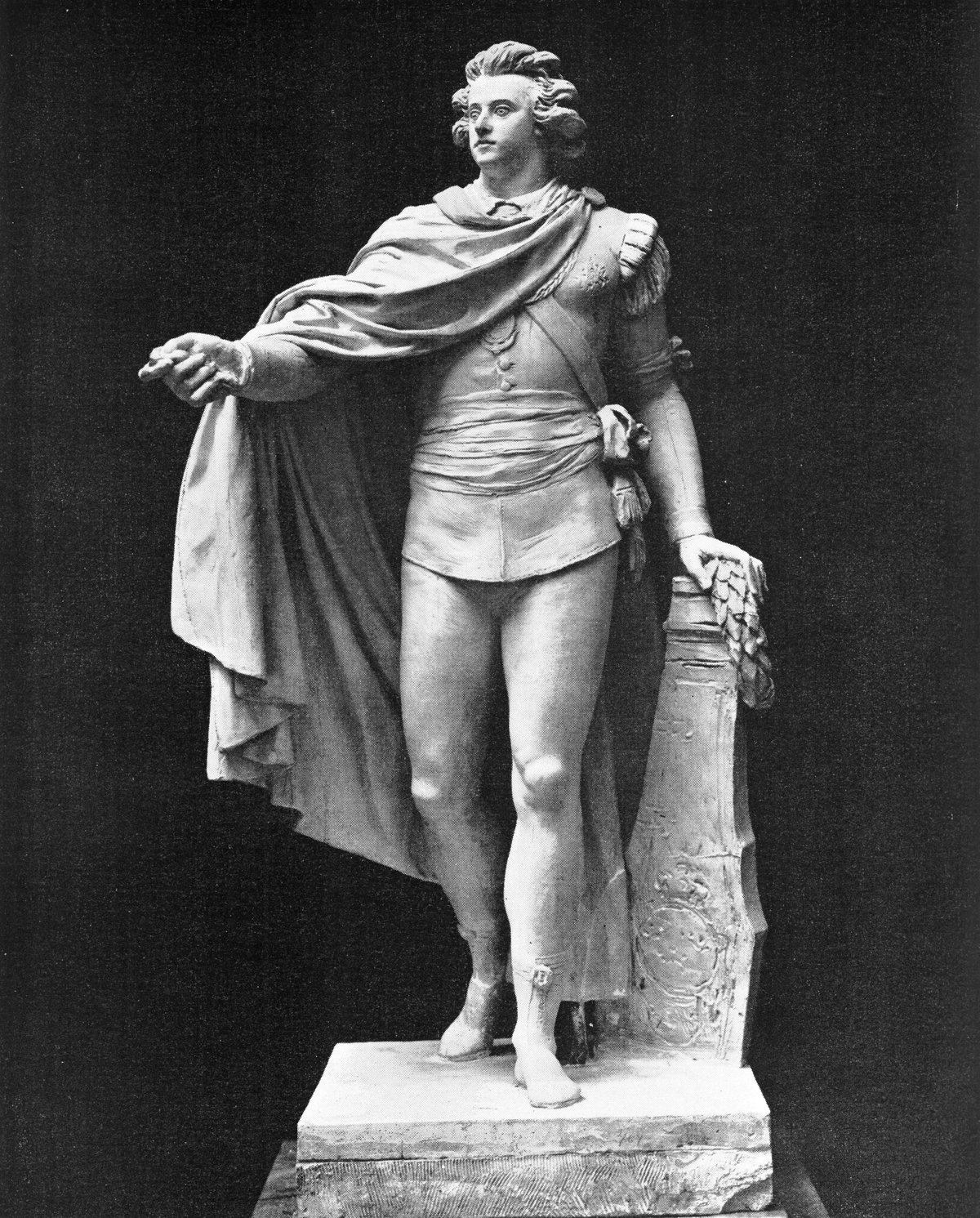
Clay model of Gustav III of Sweden created by Johan Tobias Sergel between 1790 and 1793 as a design for the statue on Skeppsbron in Stockholm, displayed at the National Museum in Stockholm.
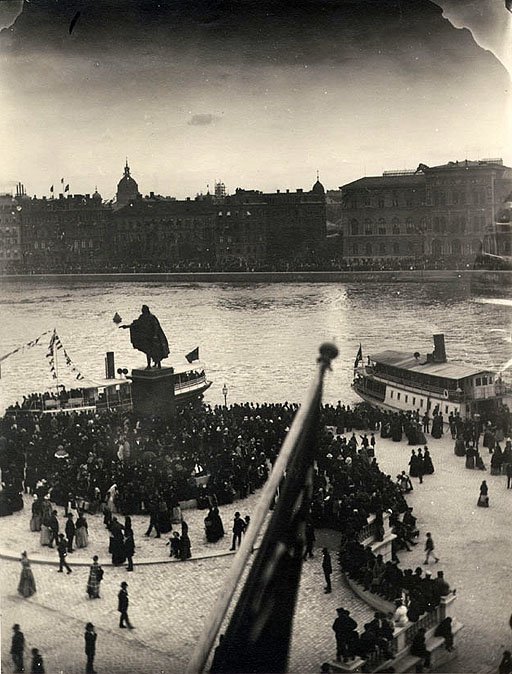
Historical photograph showing Stockholm's inner city as seen from Skeppsbron at the time of Emperor Wilhelm II's visit. The image captures the urban environment and significant landmarks relevant to Swedish cultural heritage and cityscape.
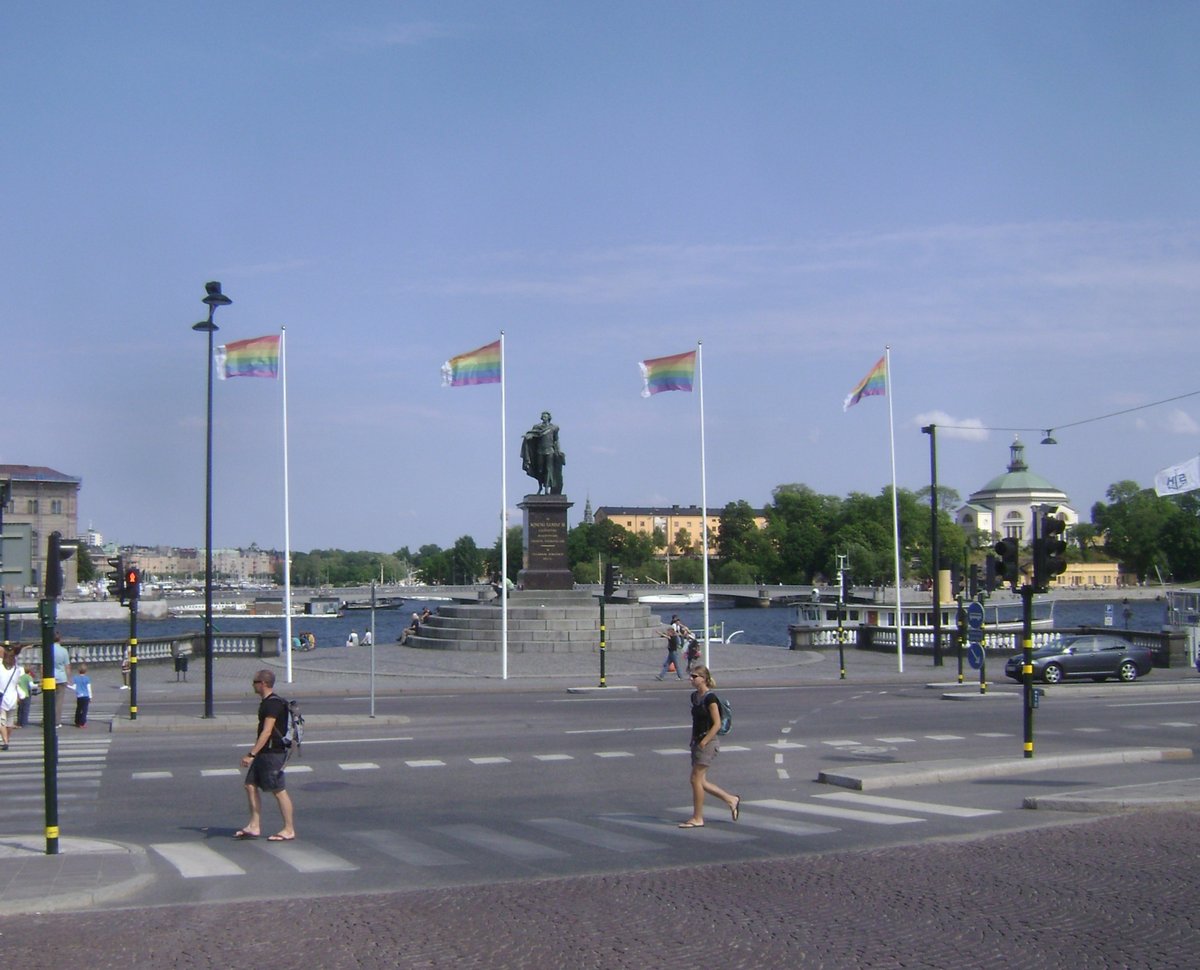
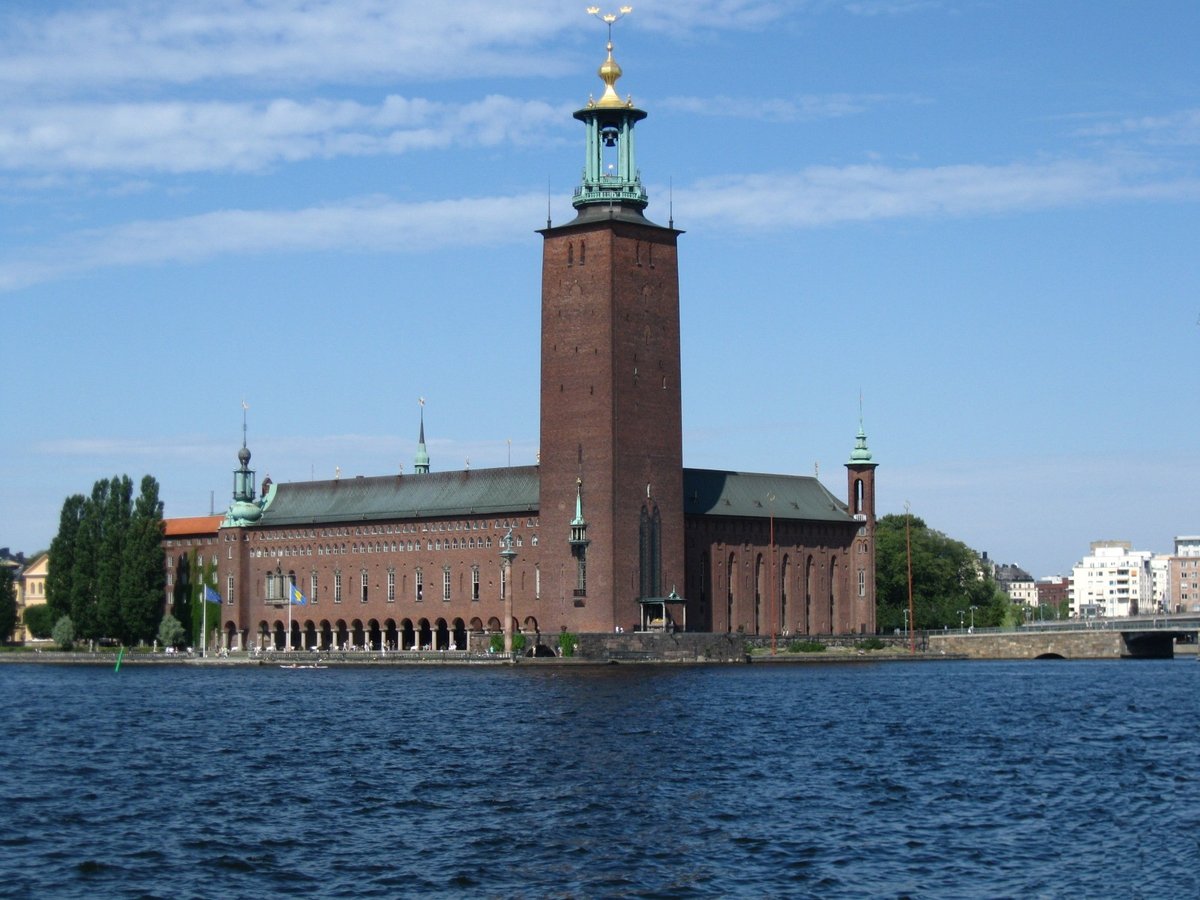
Beautiful scenic view of Stockholm, Sweden showing waterfront and historic architecture under a bright blue sky.
The Gustav III Obelisk: History and Significance
Origins and Commissioning
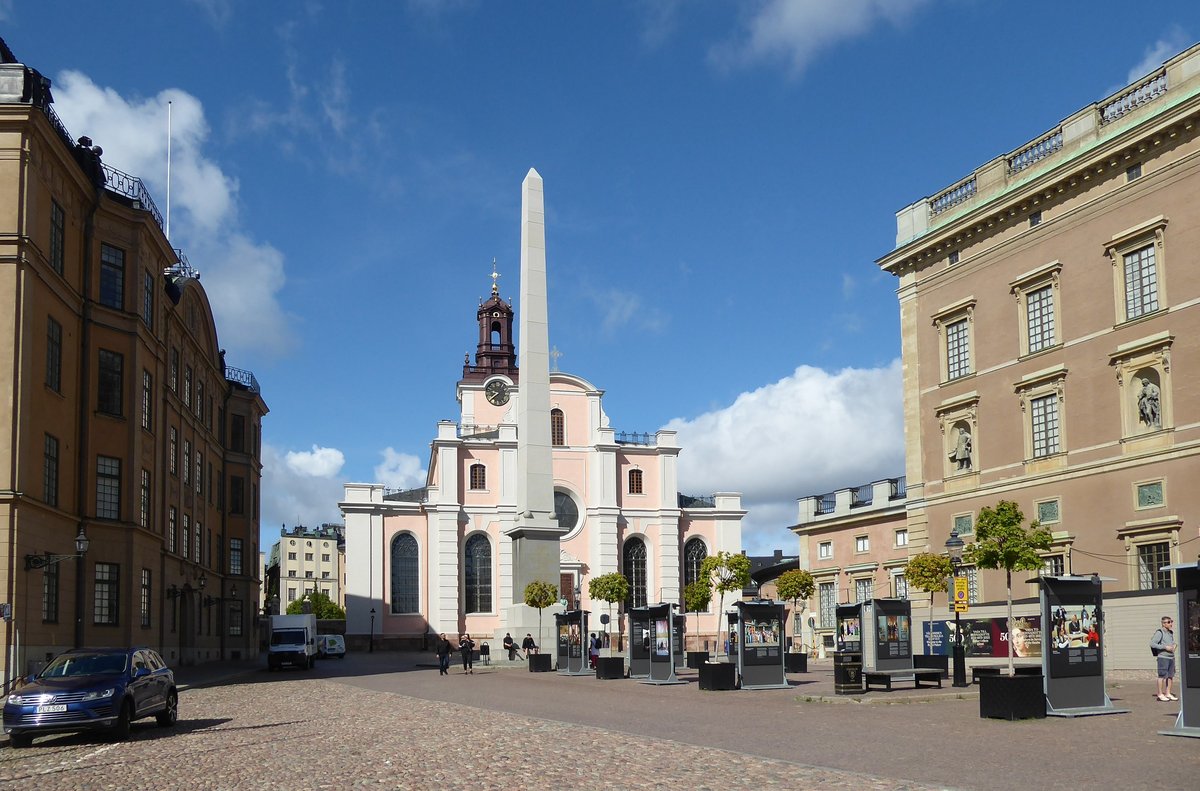
Located in Slottsbacken, just outside the Royal Palace in Stockholm’s Gamla Stan, the Gustav III Obelisk was commissioned by King Gustav III to honor the citizens of Stockholm for their unwavering loyalty and courage during the Russo-Swedish War of 1788–1790. The monument, standing 17 meters tall, was envisioned as a lasting tribute to civic resilience during a time of national crisis (World City Trail).
Design and Symbolism
The obelisk exemplifies neoclassical design, drawing inspiration from ancient Rome and Greece. Crafted from durable Swedish granite, it symbolizes power, endurance, and the eternal remembrance of the city’s collective effort. Its placement visually links the Royal Palace with historic Gamla Stan, making it a focal point of civic pride (World City Trail).
Inscriptions and Dedication
A Latin inscription on the monument honors Stockholm’s citizens for their sacrifices during the war. This dedication not only immortalizes their contributions but also serves as a historical record and a moral lesson in unity and patriotism.
Completion and Inauguration
Although initiated by Gustav III, the project was completed and inaugurated in 1800 under his son, Gustav IV Adolf, following the king’s assassination. The obelisk thus stands as a testament to both royal continuity and the era’s turbulent history.
Historical Context: The Russo-Swedish War
The obelisk commemorates the critical role played by Stockholm’s citizens during the Russo-Swedish War. Despite the threat of invasion, the city’s inhabitants remained steadfast, supporting the monarchy and contributing to Sweden’s eventual strategic victory (World City Trail).
Role as a National Symbol
For over two centuries, the obelisk has served as a national symbol of unity, resilience, and civic virtue. It remains a prominent historical site, celebrated during public events and admired by both locals and visitors (City Guide Stockholm).
Restoration and Preservation
Several restoration projects have preserved the obelisk’s integrity, ensuring its continued presence as a key element of Stockholm’s historical landscape.
The Monument Today
Positioned as a vibrant meeting point in Gamla Stan, the obelisk features in national celebrations and is a regular highlight on historical walking tours.
Visiting the Gustav III Obelisk
Hours and Tickets
- Opening Hours: The obelisk is outdoors and accessible 24/7, year-round.
- Tickets: Free admission; no tickets required.
- Best Time to Visit: Daylight hours for optimal viewing and photography.
Accessibility
- Surroundings: The area is pedestrian-friendly but features cobblestone streets, which may present challenges for those with limited mobility.
- Wheelchair Access: Some uneven surfaces; visitors with mobility needs should plan accordingly.
Travel Tips
- Combine your visit to the obelisk with other historic sites in Gamla Stan, such as the Royal Palace and Storkyrkan.
- Guided tours and treasure hunts often feature the obelisk as a key stop.
- Early morning and late afternoon visits offer the best lighting and fewer crowds.
FAQs
Q: What are the visiting hours?
A: The obelisk is accessible 24 hours a day, year-round.
Q: Is there a fee?
A: No, visiting is free.
Q: Is it wheelchair accessible?
A: The area is mostly accessible, though cobblestones may pose challenges.
The Statue of Gustav III: Art, Culture, and Urban Identity
Artistic Vision and Design
Sited at Skeppsbrokajen along Stockholm’s historic waterfront, the Statue of Gustav III is a striking example of neoclassical sculpture. The king is depicted in classical attire, with artistic details such as flowing robes and a laurel wreath, highlighting his patronage of the arts and alignment with Enlightenment ideals (Evendo, Kungliga Slotten).
Symbolism and Cultural Messaging
The statue’s regal pose and classical motifs symbolize Gustav III’s vision for Sweden as a modern, enlightened nation. The laurel wreath underscores his status as a triumphant and cultured ruler (Evendo).
Gustav III’s Patronage and Legacy
Gustav III’s reign saw a flourishing of Swedish culture, including the founding of the Swedish Academy, Royal Opera, and the country’s first public museum of antiquities. The statue stands as a testament to this enduring cultural legacy (Kungliga Slotten).
The Statue’s Place in Modern Stockholm
Serving as a popular gathering place and photo backdrop, the statue seamlessly integrates with Stockholm’s urban identity and remains central to public events and cultural celebrations (Evendo).
Visiting the Statue of Gustav III
Location and Access
- Address: Skeppsbrokajen, Gamla Stan, Stockholm (Travelers Universe).
- Directions:
- Metro: Gamla Stan station (10-minute walk).
- Bus: Lines #57 and #65 stop nearby.
- Ferry: Arrivals from Djurgården and other islands dock at Skeppsbrokajen (Visit Stockholm).
- On Foot: Steps from the Royal Palace and other Gamla Stan attractions (Free Tours by Foot).
Visiting Hours and Tickets
- Statue Access: Outdoor monument, open 24/7, year-round.
- Tickets: No tickets required; free to all visitors.
Nearby attractions may have separate hours and fees:
- Royal Palace: 10:00 AM – 5:00 PM; tickets SEK 160–200 (Kungliga Slotten).
- Nationalmuseum: 10:00 AM – 6:00 PM (Tue–Sun); SEK 150 for adults (Nationalmuseum).
Accessibility and Transportation
- Wheelchair Access: The promenade is mostly flat and accessible; some cobblestone areas in Gamla Stan may be uneven.
- Restrooms: Available at nearby museums and public facilities.
- Parking: Limited in Gamla Stan; public transportation is recommended.
Practical Visitor Information
- Dining: Gamla Stan features a variety of restaurants and cafés, many with outdoor seating (City Guide Stockholm).
- Shops and Amenities: Souvenir shops, boutiques, and tourist information centers are easily accessible.
Nearby Attractions
- Royal Palace and Museums: Within walking distance, including the Royal Armory and Gustav III’s Museum of Antiquities (Royal Palace).
- Nationalmuseum: Across the water from Skeppsbrokajen (Nationalmuseum).
- Nobel Prize Museum: In Gamla Stan (Nobel Prize Museum).
- Livrustkammaren (Royal Armory): Sweden’s oldest museum (Royal Armory).
- Skeppsholmen and Blasieholmen: Home to additional museums and scenic walks (Mapcarta).
Scenic Views and Seasonal Highlights
The statue’s waterfront location delivers panoramic views of Stockholm’s harbor, islands, and skyline. Sunrise and sunset offer exceptional photo opportunities, while seasonal events and festivals add vibrancy throughout the year (Visit Stockholm).
FAQs
Q: Are there entrance fees?
A: No, the statue is free and accessible at all times.
Q: Is the statue included in guided tours?
A: Yes, many walking tours of Gamla Stan and Stockholm’s historical sites include the statue (Travelers Universe).
Q: Is the area accessible for wheelchairs?
A: The promenade is flat and accessible, though some nearby cobblestone streets may be uneven.
Q: What are the best public transport options?
A: Metro (Gamla Stan), buses (#57, #65), and ferries to Skeppsbrokajen.
Summary and Recommendations
The Gustav III Obelisk and the Statue of Gustav III are more than monuments—they are central to Stockholm’s identity, representing national unity, artistic achievement, and Sweden’s royal legacy. Both are open year-round and free to visit, making them ideal for travelers seeking historical depth and cultural significance without logistical barriers. The surrounding area—brimming with museums, historic buildings, and picturesque streets—offers a rich, immersive experience for visitors of all interests (World City Trail, Evendo, Travelers Universe, City Guide Stockholm).
For the best experience:
- Visit during daylight for optimal views and photos.
- Consider joining a guided tour for historical context.
- Use public transport for convenient access.
- Download the Audiala app for interactive tours and up-to-date cultural insights.
Listen to the full story in the app
Your Personal Curator, in Your Pocket.
Audio guides for 1,100+ cities across 96 countries. History, stories, and local insight — offline ready.
Audiala App
Available on iOS & Android
Join 50k+ Curators
Sources
- verified
- verified
- verified
- verified
- verified
- verified
- verified
- verified
- verified
- verified
- verified
Last reviewed: