Introduction
Skinnarviksberget, situated in the vibrant Södermalm district of Stockholm, Sweden, stands as a testament to the city's rich historical tapestry. Known for its breathtaking panoramic views and deep-seated cultural significance, Skinnarviksberget has evolved from an industrial hub to a cherished public space. This comprehensive guide offers a deep dive into the hill's fascinating history, from its medieval association with leather tanning to its transformation into a scenic park. Visitors can explore Skinnarviksberget's historical landmarks, enjoy its natural beauty, and participate in various recreational activities. Whether you're a history enthusiast, nature lover, or simply seeking the best views of Stockholm, Skinnarviksberget promises an enriching experience. For a more detailed historical context, refer to the Stockholm City Museum and for visitor information, visit Visit Stockholm.
Photo Gallery
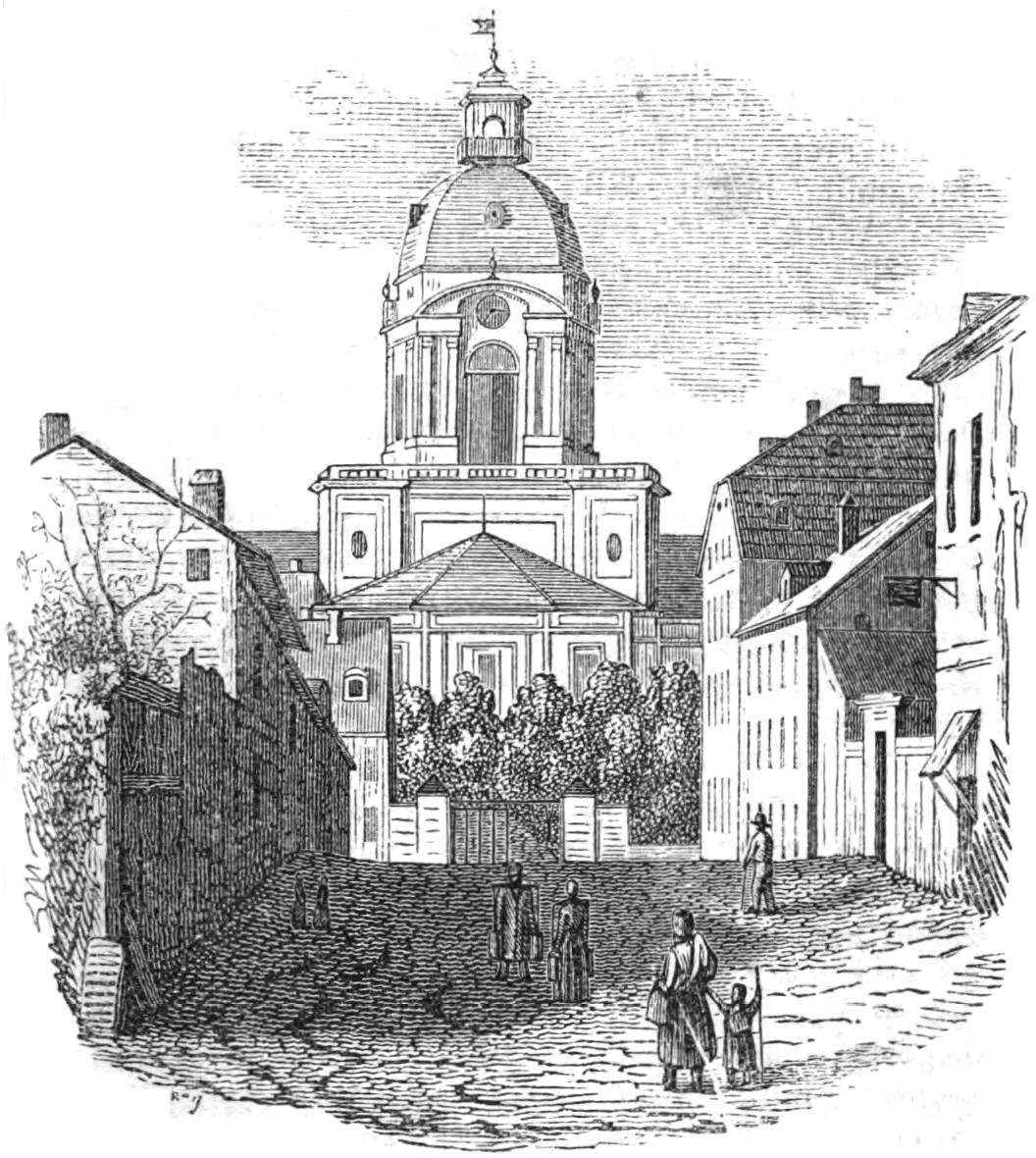
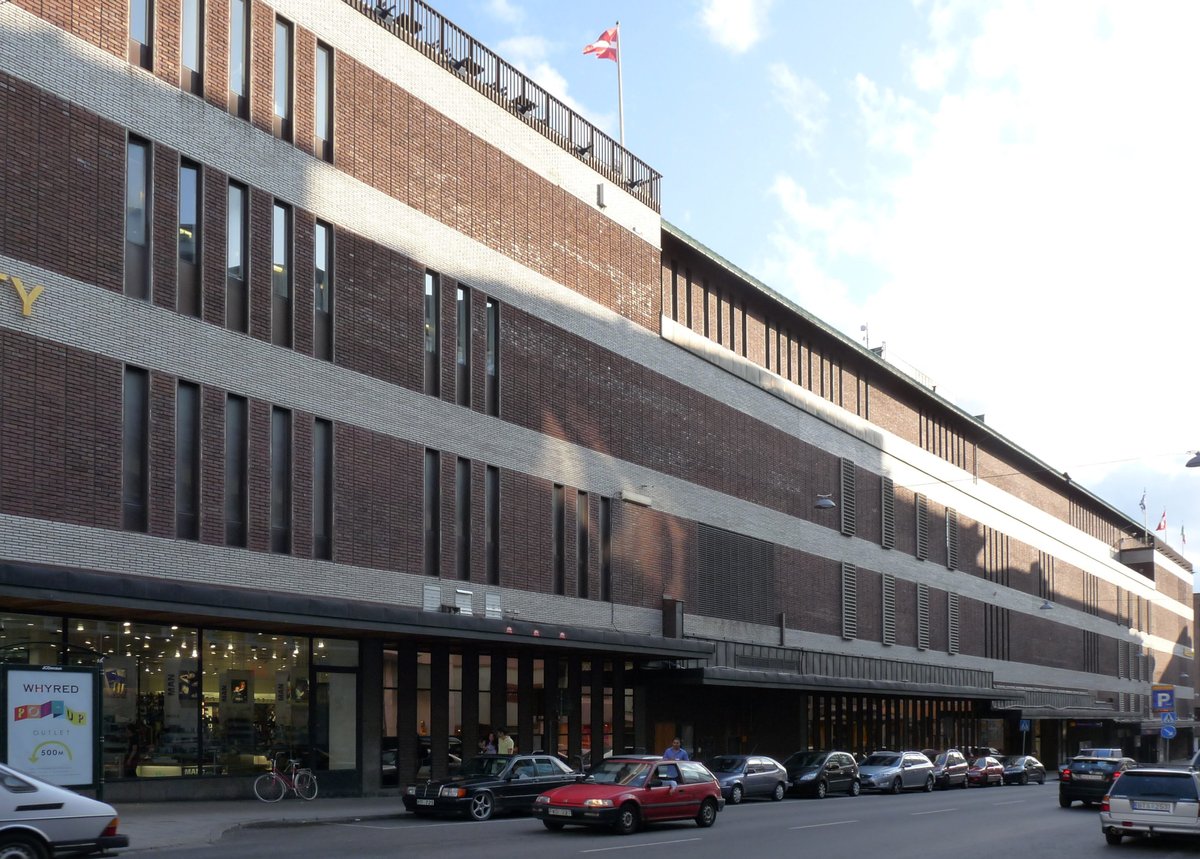
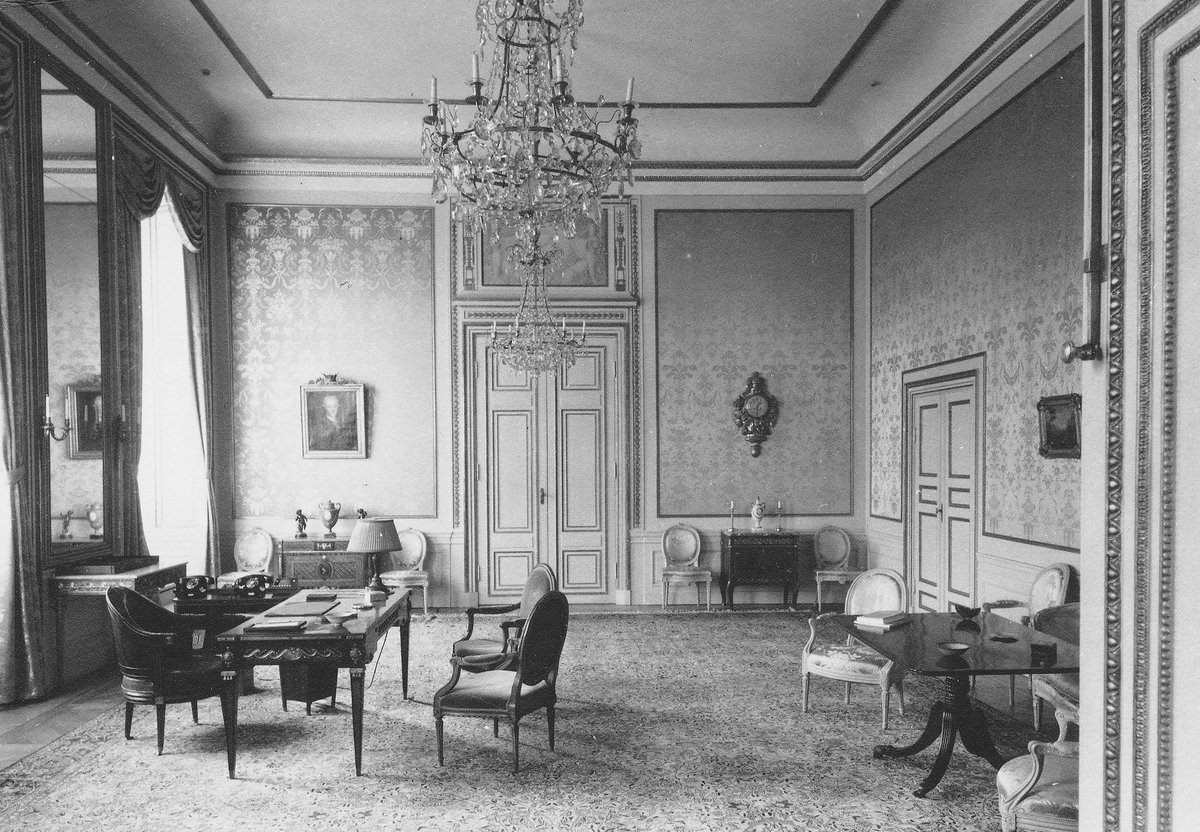
Explore Skinnarviksberget in Pictures
History of Skinnarviksberget
Early Settlement and Development
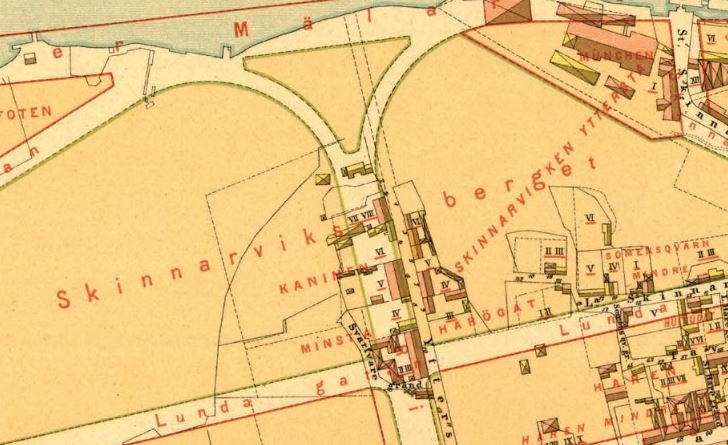
Skinnarviksberget, located in the Södermalm district of Stockholm, Sweden, has a rich history that dates back to the early settlement of the area. The name "Skinnarviksberget" is derived from the Swedish words "skinnare," meaning tanner, and "vik," meaning bay. This indicates that the area was historically associated with leather tanning, a common trade in Stockholm during the medieval period. The hill itself provided a strategic vantage point over Lake Mälaren and the surrounding areas, making it an important location for both defense and trade.
Industrial Era and Urbanization
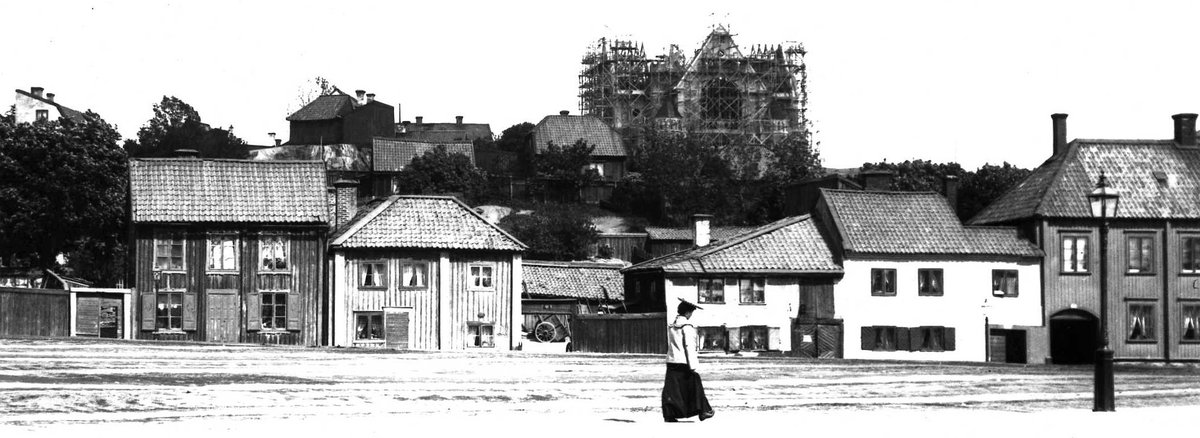
During the 18th and 19th centuries, Skinnarviksberget saw significant changes as Stockholm underwent industrialization. The hill and its surroundings became home to various industries, including tanneries, breweries, and other small-scale manufacturing units. The industrial boom led to the construction of worker housing in the area, transforming Skinnarviksberget into a bustling urban neighborhood.
The industrial activities, however, had a considerable impact on the environment. The tanneries, in particular, were known for their pollution, which affected the local water bodies and air quality. Despite these challenges, the area continued to thrive, attracting a diverse population of workers and their families.
20th Century - Preservation and Public Space
The 20th century marked a significant shift in the history of Skinnarviksberget. As Stockholm expanded and modernized, there was a growing awareness of the need to preserve historical and natural sites within the city. In the 1930s, efforts were made to protect Skinnarviksberget from further industrial encroachment. The hill was gradually transformed into a public park, providing residents and visitors with a green space to enjoy panoramic views of Stockholm.
One of the most notable developments during this period was the construction of the Skinnarviksberget Park. The park, which covers the hilltop and its slopes, features walking paths, picnic areas, and scenic viewpoints. It has become a popular destination for both locals and tourists, offering a tranquil escape from the urban hustle and bustle.
Cultural Significance and Modern-Day Attractions
Skinnarviksberget holds a special place in Stockholm's cultural landscape. The hill has been featured in various literary works, films, and art pieces, reflecting its iconic status in the city's history. One of the most famous references is in the works of Swedish author Per Anders Fogelström, who vividly described the life and times of Stockholm's working-class neighborhoods, including Skinnarviksberget.
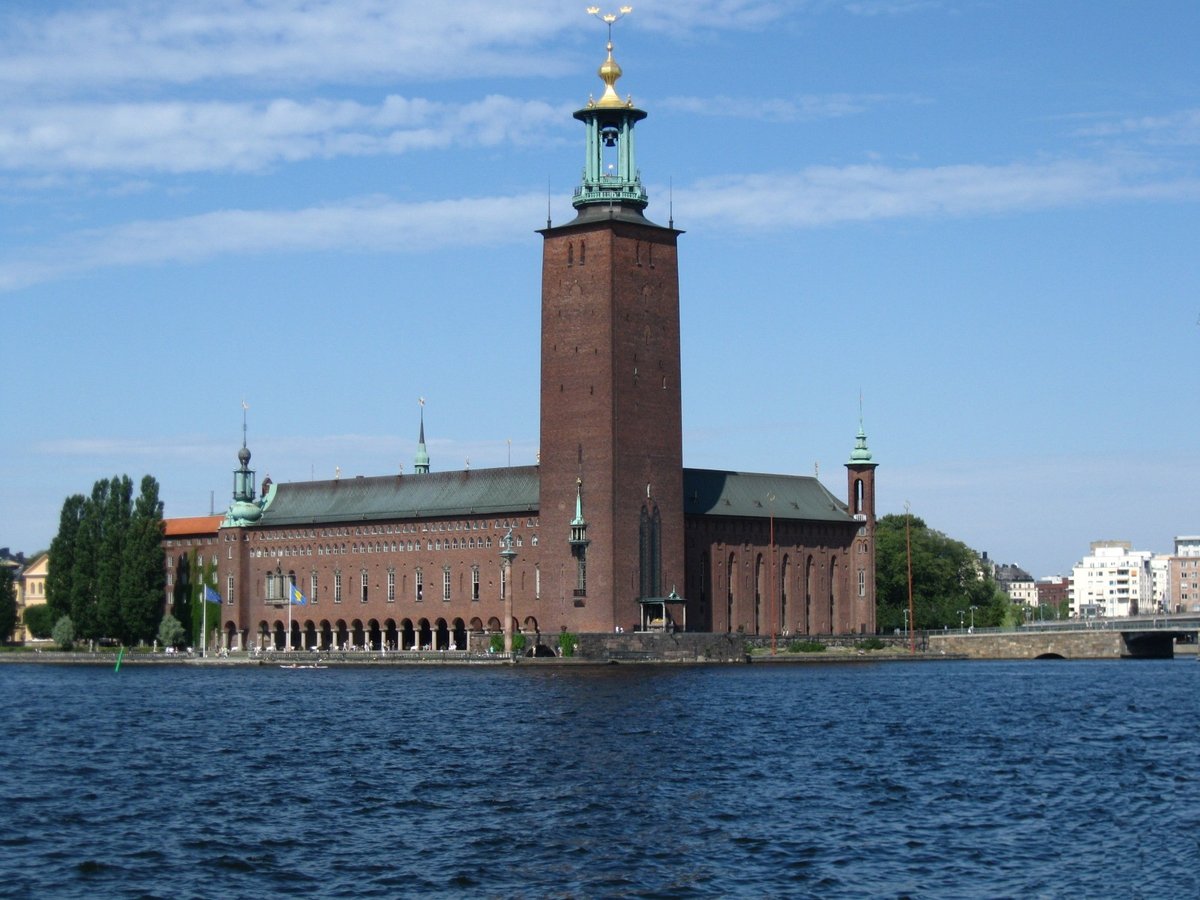
Today, Skinnarviksberget is renowned for its stunning views of Stockholm's skyline, including landmarks such as the City Hall and Riddarholmen. The hill is also a popular spot for watching sunsets, with many visitors gathering to witness the breathtaking spectacle over Lake Mälaren.
Visitor Information
Skinnarviksberget Visiting Hours
Skinnarviksberget Park is open to the public year-round. While there are no specific opening hours, it is advisable to visit during daylight hours to fully enjoy the scenic views and amenities.
Skinnarviksberget Tickets
There is no entrance fee to visit Skinnarviksberget Park, making it an accessible attraction for everyone.
Travel Tips
- Best Time to Visit - The best time to visit Skinnarviksberget is during the spring and summer months when the weather is pleasant and the park is in full bloom.
- How to Get There - Skinnarviksberget is easily accessible by public transport. The nearest metro station is Zinkensdamm, and several bus lines serve the area.
- What to Bring - Comfortable walking shoes, a camera for capturing the views, and a picnic basket to enjoy the park's amenities.
Nearby Attractions
- Monteliusvägen - A picturesque walking path offering stunning views of Lake Mälaren and the city.
- Stockholm City Hall - One of Stockholm's most iconic landmarks, located nearby.
- Södermalm District - Explore the vibrant district known for its trendy shops, cafes, and historic buildings.
Accessibility
Skinnarviksberget Park is accessible to visitors with mobility challenges. However, some paths may be steep, so it is advisable to check the park's official website for detailed accessibility information.
Historical Landmarks and Points of Interest
Several historical landmarks and points of interest can be found in and around Skinnarviksberget. These include:
- Skinnarviksberget Park - The park is a key attraction, offering a blend of natural beauty and historical significance. The park's design incorporates elements of the area's industrial past, with remnants of old structures and pathways that tell the story of its evolution.
- Skinnarviksberget Tower - An old water tower located on the hill, which has been preserved as a historical monument. The tower is a reminder of the area's industrial heritage and provides a unique vantage point for visitors.
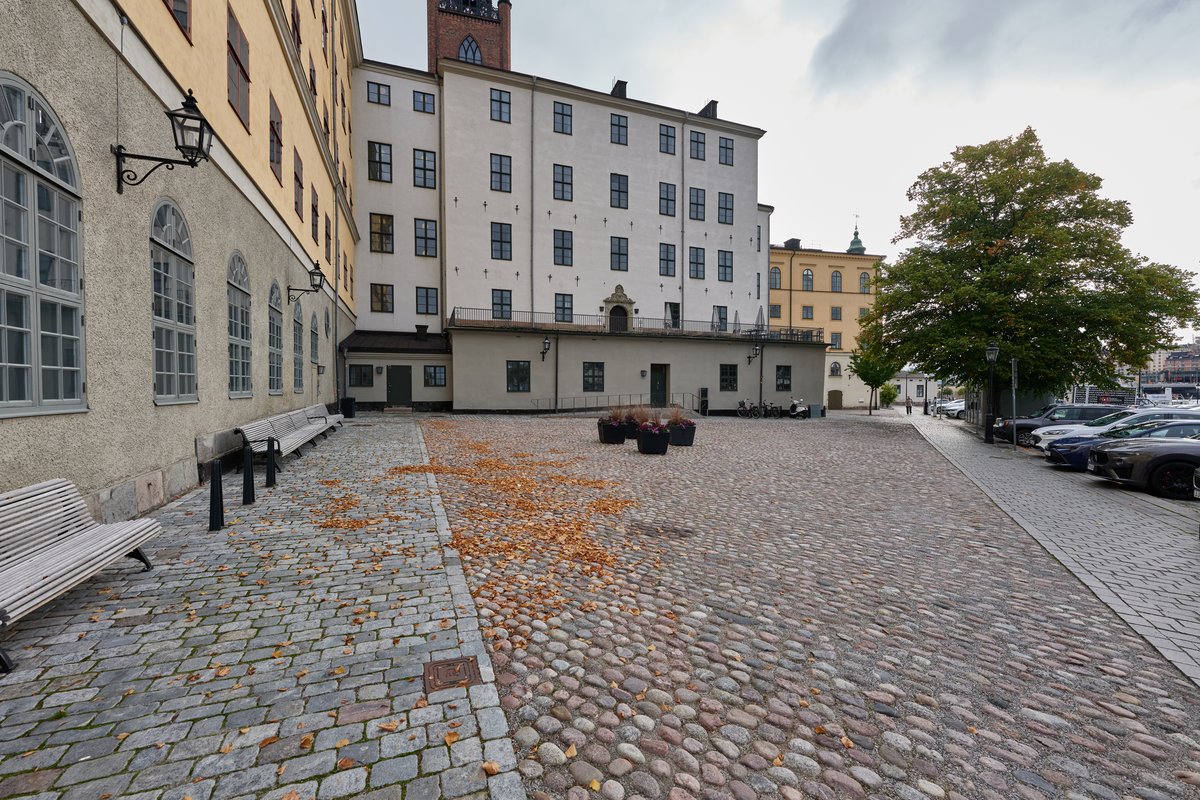
- Nearby Historical Buildings - The surrounding Södermalm district is home to several well-preserved historical buildings, including traditional wooden houses and early 20th-century apartment blocks. These structures provide a glimpse into the architectural styles and urban development of Stockholm over the centuries.
Preservation Efforts and Future Prospects
Preservation efforts continue to play a crucial role in maintaining the historical and cultural integrity of Skinnarviksberget. The Stockholm City Council, along with various heritage organizations, has implemented measures to protect the hill and its surroundings from modern development pressures. These efforts include regular maintenance of the park, restoration of historical landmarks, and promotion of the area's cultural significance.
Looking ahead, Skinnarviksberget is poised to remain a cherished part of Stockholm's urban landscape. Its combination of natural beauty, historical depth, and cultural relevance makes it a unique destination for both residents and visitors. As the city continues to grow and evolve, Skinnarviksberget stands as a testament to Stockholm's rich heritage and enduring connection to its past.
FAQ
- What are Skinnarviksberget's visiting hours? Skinnarviksberget Park is open year-round without specific opening hours; it is best visited during daylight.
- Is there an entrance fee for Skinnarviksberget? No, visiting Skinnarviksberget Park is free of charge.
- How can I reach Skinnarviksberget? The park is accessible by public transport, with the nearest metro station being Zinkensdamm.
- What should I bring for my visit? Comfortable walking shoes, a camera, and a picnic basket are recommended.
- Is Skinnarviksberget accessible for visitors with mobility challenges? While the park is generally accessible, some paths may be steep. Check the official website for detailed information.
Listen to the full story in the app
Your Personal Curator, in Your Pocket.
Audio guides for 1,100+ cities across 96 countries. History, stories, and local insight — offline ready.
Audiala App
Available on iOS & Android
Join 50k+ Curators
Sources
-
verified
Stockholm City Museum
In English
-
verified
Visit Stockholm
Official website
- verified
-
verified
Stockholm Environment and Health Administration
Environmental Protection
-
verified
Stockholm Events Calendar
Events
-
verified
Stockholm Education Department
Education
-
verified
AllTrails
Trails
-
verified
TripAdvisor
TripAdvisor
-
verified
Photography Life
Photography Tips
- verified
-
verified
Stockholm Weather
Weather
Last reviewed: