Introduction: Sergeanten 1 and Its Significance in Stockholm
Sergeanten 1 is a distinguished architectural landmark set along the iconic Strandvägen boulevard in Stockholm’s Östermalm district. While the building is a private residence, its richly adorned facades and harmonious integration with neighboring historical buildings make it a visual highlight for visitors seeking to explore the architectural and cultural tapestry of Stockholm. Sergeanten 1 exemplifies the National Romantic and Art Nouveau styles, marking Stockholm’s transition from a military area into a modern European capital (View Stockholm; Wikipedia).
Stockholm’s urban landscape is celebrated for its blend of medieval, renaissance, and contemporary architecture. Buildings like Sergeanten 1 are preserved as part of the city’s commitment to heritage and sustainability, with its “blåmärkt” (blue-marked) status from the Stockholm City Museum ensuring the protection of its historical and architectural integrity (Stockholm City Museum).
Though not open to the public for interior visits, Sergeanten 1’s striking exterior can be viewed at any time from the public sidewalks along Strandvägen. Its central location offers convenient access to other notable sites such as Gamla Stan, the Royal Palace, and Djurgården Island’s museums, making it an ideal stop on a comprehensive Stockholm itinerary (Visit Stockholm; Zicasso Tours).
This guide details Sergeanten 1’s history, architecture, visiting tips, and nearby attractions to help visitors appreciate this key piece of Stockholm’s living heritage (View Stockholm).
Photo Gallery
Explore Sergeanten 1 in Pictures

Historic photo of the entrance to Strandvägen 35 building in 1962, showcasing architectural details and the street view.

Historical entrance view of Strandvägen 35 building captured in 1962, showcasing the architectural style of the period.

Historic entrance view of the building at Strandvägen 35 in the year 1962

Historic photo of the entrance to the building at Strandvägen 35 taken in 1962, showing architectural details and vintage style.

Vintage image depicting the architectural style and street view of Strandvägen 35-37 in Stockholm in the 1960s

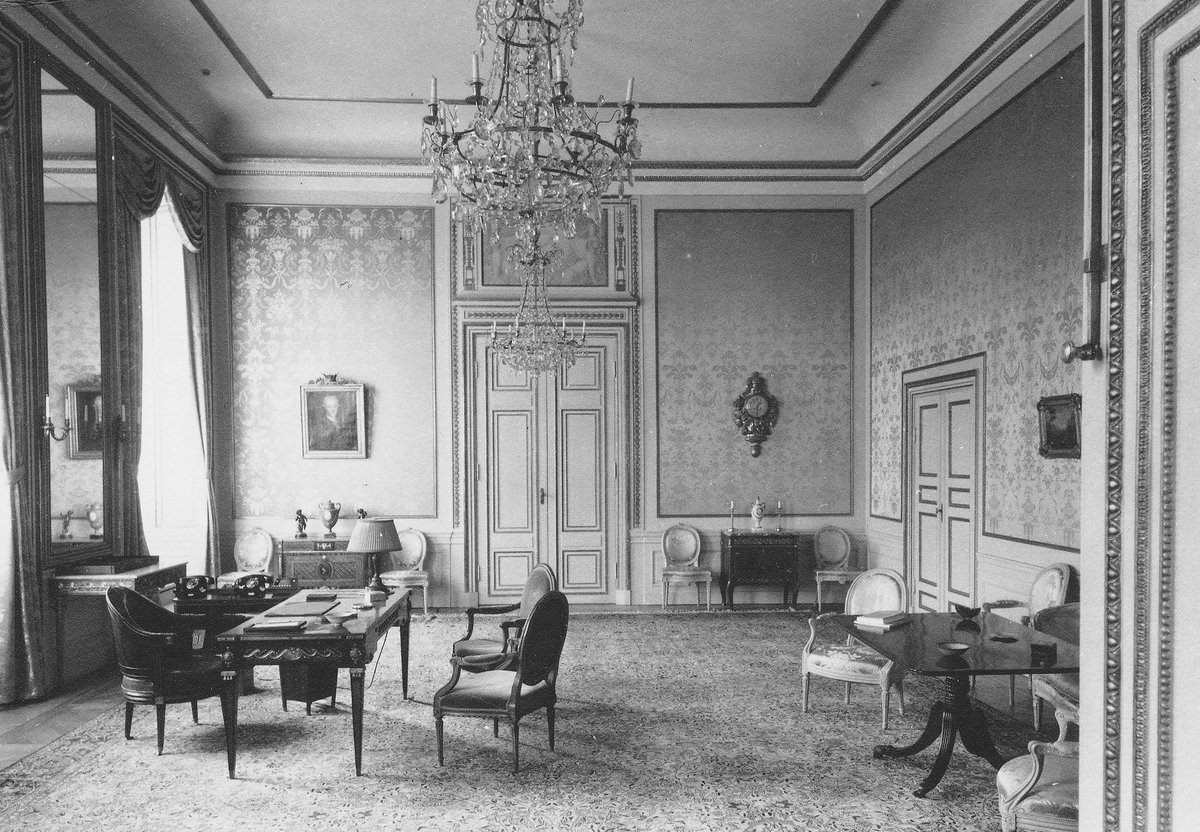
A vintage photograph of the dining room located at Strandvägen 39, 2nd floor, captured in the year 1935. The image showcases classic interior design elements from the era.
Historical Background
Sergeanten 1 is one of four architecturally unified residential buildings—Sergeanten 1, 6, 7, and 8—constructed between 1889 and 1892, designed by architect Johan Laurentz (Wikipedia). The site’s military heritage is reflected in names like Sergeanten, Korporalen, and Kasernen, recalling its origins as part of the Andra livgardet (Second Life Guards) barracks, which were replaced by these grand residential buildings as Stockholm expanded in the late 19th century (Kvarteret Sergeanten).
Architectural Features and Significance
Sergeanten 1’s facade faces both Strandvägen and Torstenssonsgatan, forming part of an iconic skyline along the waterfront. Notable features include:
- Towers and domes: Distinctive rooflines that define the architectural silhouette of Strandvägen (Wikipedia)
- Brick and stucco detailing: Durable materials combined for both structure and ornamentation (Kvarteret Sergeanten)
- Ornate ironwork: Balconies with intricate wrought-iron railings
- Decorative anchor plates: Visible between floors, providing both utility and visual interest
- Elegant entrances and stairwells: Impressive public spaces within, though not accessible to visitors
These buildings, constructed by Sundahl & Brandel, embody the ambition and craftsmanship of Stockholm’s late-19th century urban development.
Cultural and Heritage Status
Sergeanten 1 and its neighboring buildings hold “blåmärkt” (blue-marked) status, the highest level of heritage protection by the Stockholm City Museum (Kvarteret Sergeanten). This ensures the preservation of their architectural character and historical importance. The cooperative housing structure (bostadsrättsförening) also exemplifies Swedish values of community and collective stewardship (Ratsit).
Practical Visiting Information
Visiting Hours and Access
- Interior access: Sergeanten 1 is a private residence and does not offer public or interior visits.
- Exterior viewing: The building’s facade can be viewed and photographed from Strandvägen and Torstenssonsgatan at any time.
Tickets
- No entry fee: There are no tickets required. The building is best appreciated from the street.
Guided Tours
- Walking tours: Several guided walking tours of Stockholm’s architectural and historical areas include Sergeanten 1 and the Strandvägen boulevard (View Stockholm).
Accessibility
- Pedestrian-friendly: Wide sidewalks, nearby tram and bus stops, and accessible routes make it easy for all visitors to enjoy the area (Visit Stockholm).
Photography Tips
- Best light: Early morning or late afternoon provide the best natural lighting.
- Details: Focus on towers, ironwork, and decorative masonry.
- Respect privacy: Photograph only from public areas.
Nearby Attractions
- Djurgården: Museums including the Vasa Museum, Skansen, and the ABBA Museum (Visit Sweden)
- Gamla Stan: Stockholm’s medieval core, featuring the Royal Palace and cobbled streets
- Östermalm Market Hall: A vibrant food market nearby
- Royal Dramatic Theatre: An iconic cultural venue at Nybroplan
Sergeanten 1 in Stockholm’s Urban Context
Strandvägen, constructed in the late 1800s, was designed to showcase Stockholm’s status as a cosmopolitan city. Sergeanten 1’s architecture is a testament to the city’s blend of tradition and innovation, balancing ornate historical details with the functional needs of modern living (View Stockholm).
Stockholm’s urban planning is characterized by its integration of water, public spaces, and historic preservation. Sergeanten 1, with its prime location and architectural grandeur, plays a significant role in this ongoing narrative (Skapakonst).
Sustainability and Preservation
Ongoing renovations of heritage buildings in Stockholm, including Sergeanten 1, focus on energy efficiency and sustainable materials, aligning with the city’s commitment to environmental responsibility (Skapakonst). The cooperative management model ensures long-term stewardship and community engagement.
Visitor Tips and Accessibility
- Best season: July offers mild weather and long daylight hours (Global Highlights)
- Public transport: Use the “Nybroplan” tram stop or local buses for convenient access
- Local amenities: Nearby cafes, shops, and waterfront promenades enhance the visitor experience
- Guided tours: Book in advance for the most in-depth historical insights
Frequently Asked Questions (FAQ)
Q: Can I enter Sergeanten 1?
A: Sergeanten 1 is a private residence; interior access is not available to the public.
Q: Are guided tours available?
A: Yes, many walking tours of Strandvägen and Östermalm include Sergeanten 1 in their itineraries.
Q: Is photography allowed?
A: Yes, you are welcome to photograph the exterior from public sidewalks.
Q: What are the best nearby sites to visit?
A: Djurgården museums, Gamla Stan, the Royal Palace, and Östermalm Market Hall are all within easy reach.
Q: Is the area accessible?
A: Yes, the neighborhood is pedestrian-friendly and well-served by public transit.
Stay Connected and Explore More
For curated walking tours, interactive maps, and up-to-date information on Stockholm’s historic sites, download the Audiala app. Follow us on social media and explore our articles on Stockholm’s architectural gems, including detailed guides to Strandvägen and the Östermalm district.


Interactive virtual tours of Strandvägen and Sergeanten 1 are available on select guided tour websites.
Listen to the full story in the app
Your Personal Curator, in Your Pocket.
Audio guides for 1,100+ cities across 96 countries. History, stories, and local insight — offline ready.
Audiala App
Available on iOS & Android
Join 50k+ Curators
Sources
- verified
- verified
- verified
- verified
- verified
- verified
- verified
- verified
- verified
- verified
- verified
- verified
- verified
- verified
Last reviewed: