Plan and listen to Saint James'S Church with Audiala.
Audio guide in your pocket, itinerary in your browser. Built for the way you actually visit.
Introduction: Significance and Setting
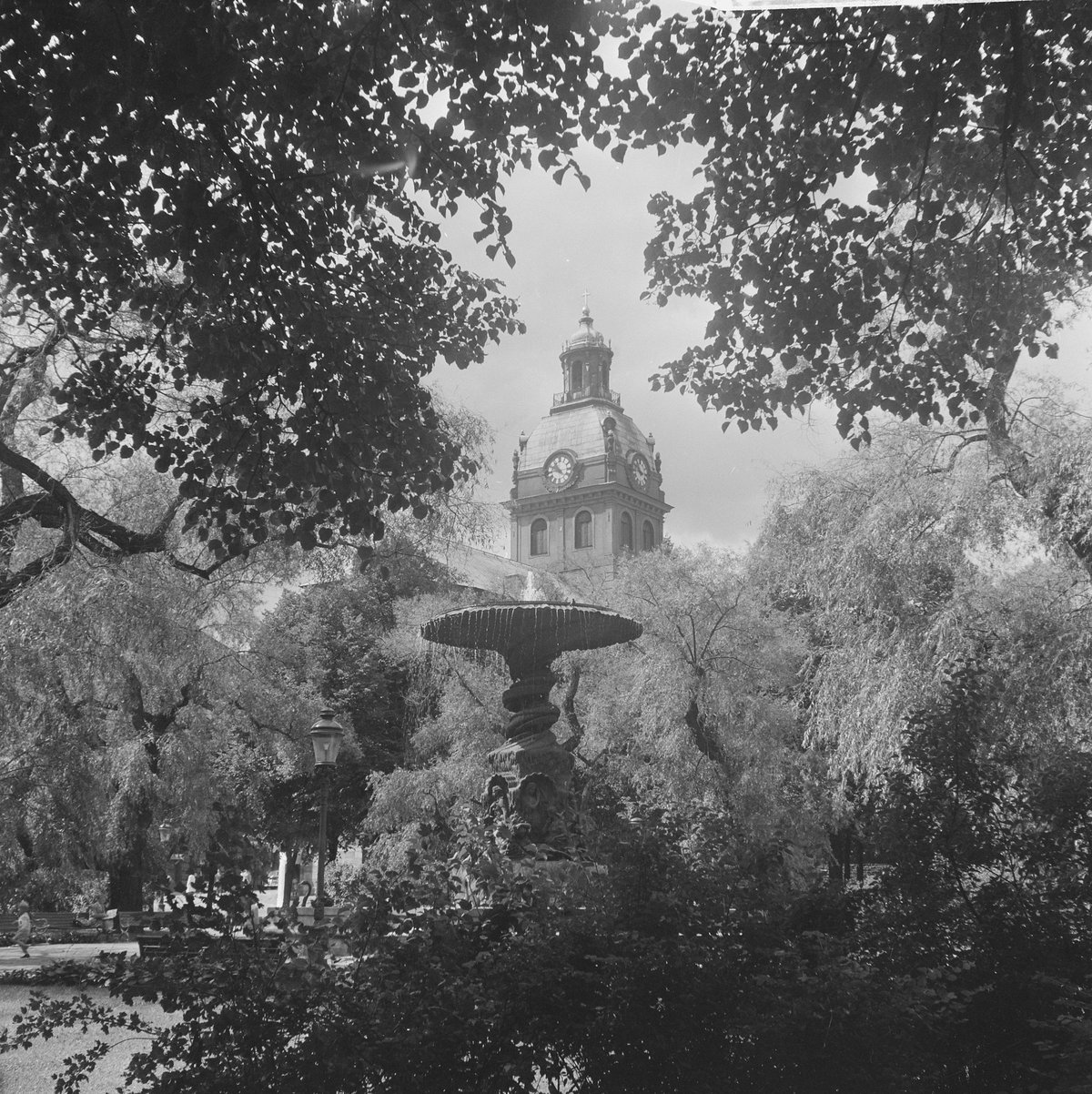
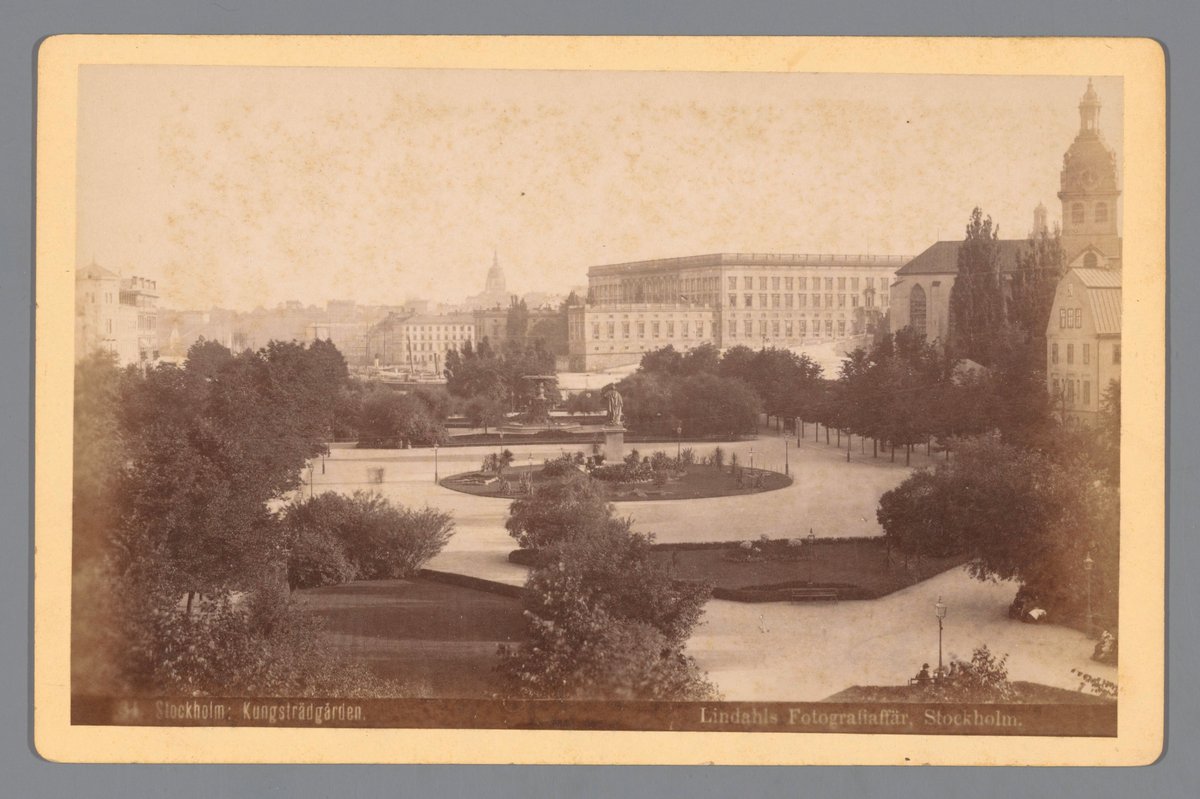
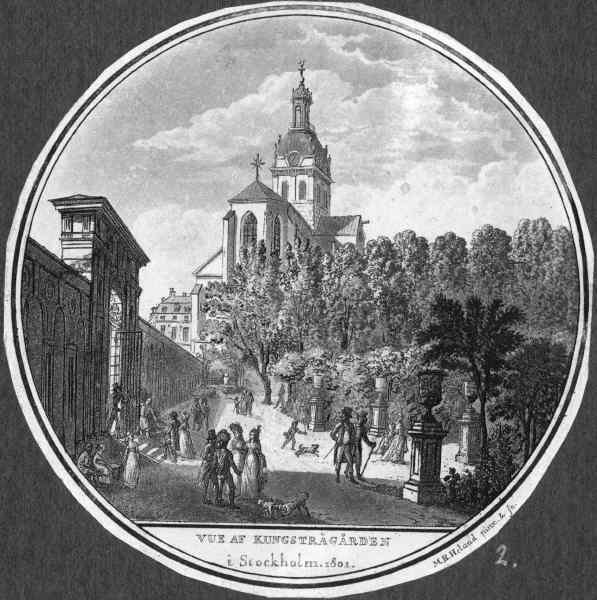
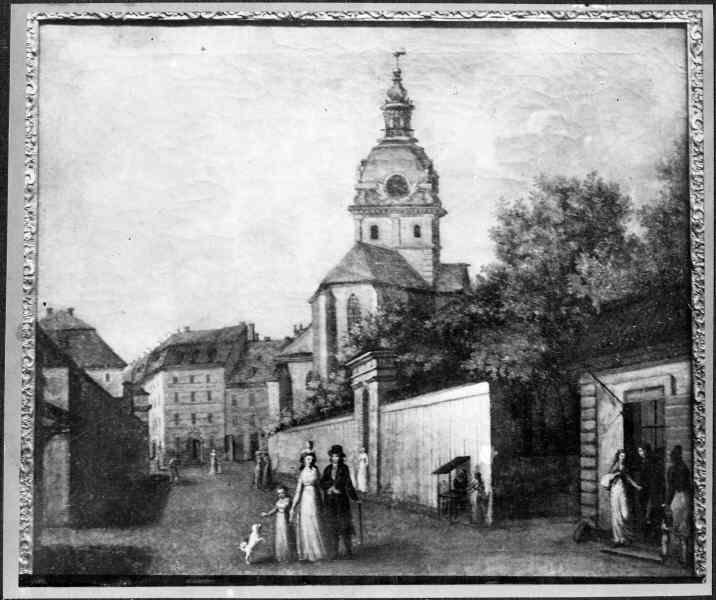
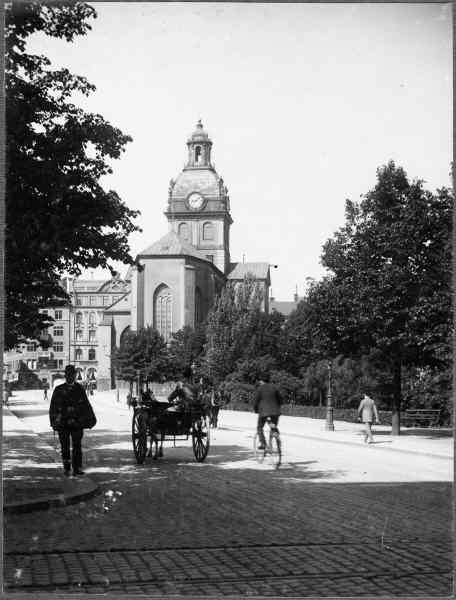
Saint James’s Church (Sankt Jacobs kyrka) is a prominent landmark in the heart of Stockholm, reflecting centuries of religious, architectural, and cultural development. With roots reaching back to the early 14th century, the church has evolved from a medieval chapel into a vibrant center for worship, music, and community life. Dedicated to Saint James the Greater—the patron saint of travelers—the church stands as a symbol of Stockholm’s spiritual journey and openness to the world. Its location, adjacent to Kungsträdgården park and near the Royal Palace and Gamla Stan, places it at the nexus of Stockholm’s historical and cultural life (Spotting History; Architecture of Cities; Svenska Kyrkan).


Origins and Historical Development
Saint James’s Church was first mentioned in 1311 as a chapel on the outskirts of Stockholm, then a growing medieval city. Its dedication to Saint James the Greater reflects the medieval European tradition of pilgrimage. The church’s development paralleled Stockholm’s rise as a key Hanseatic trading city, bringing economic prosperity and diverse cultural influences (Spotting History; Architecture of Cities).
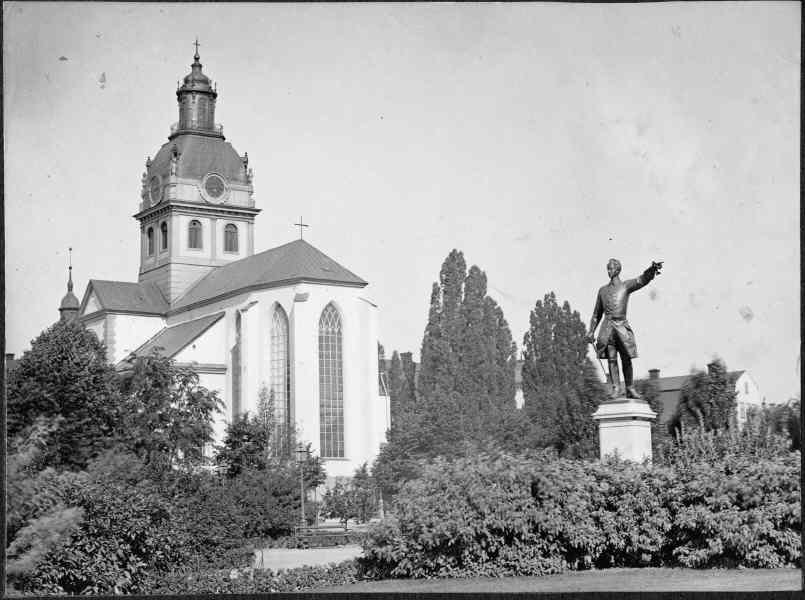
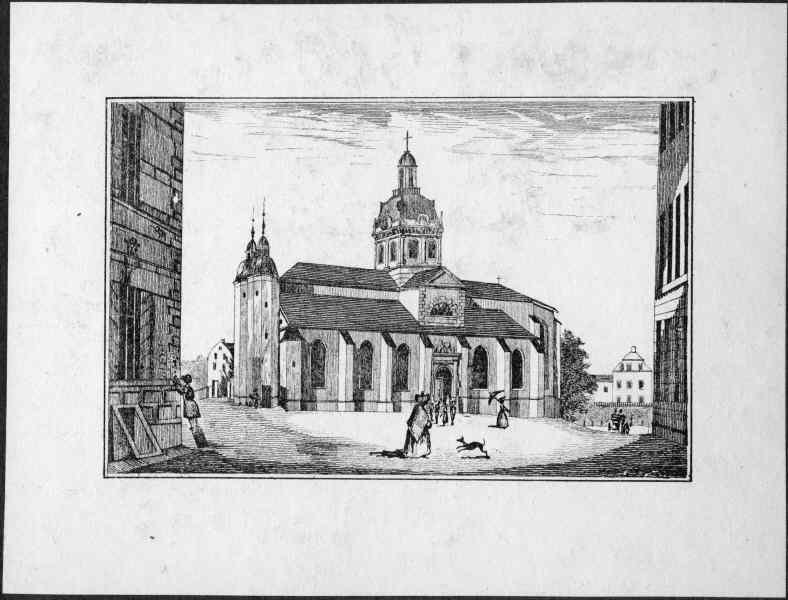
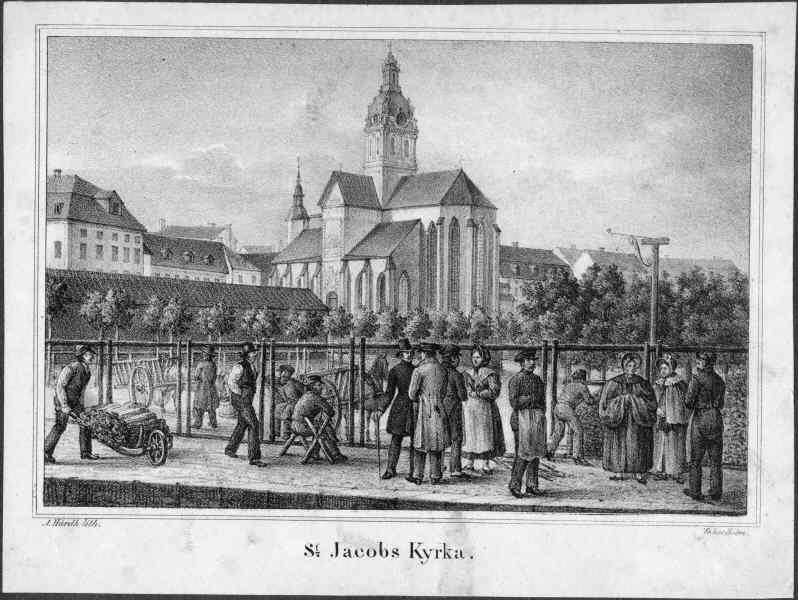
The current structure’s construction began in the late 16th century, under the direction of Flemish architect Willem Boy. Over the next three centuries, the church’s design absorbed elements from successive architectural movements, resulting in a harmonious blend of Gothic, Renaissance, Baroque, and Rococo styles.
Architectural Evolution and Highlights
Renaissance and Gothic Foundations (16th–17th Centuries)
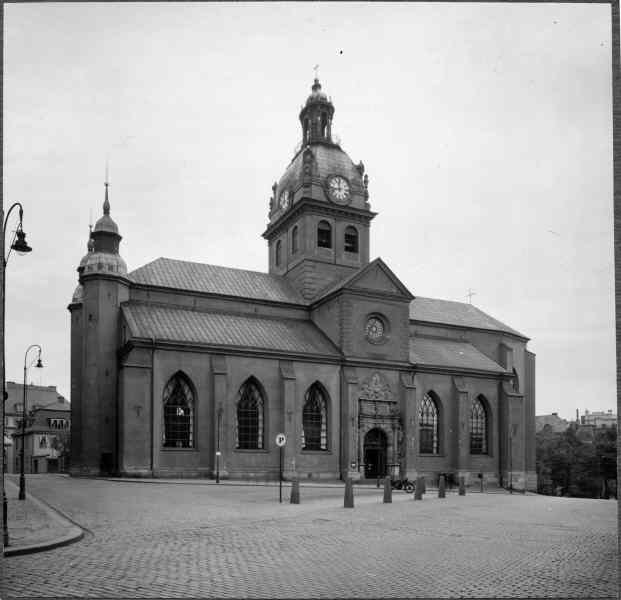
Construction began in the 1580s, introducing Renaissance features such as symmetry and classical motifs. Late Gothic elements are evident in the church’s pointed windows and star-ribbed vaults, creating a dramatic and uplifting atmosphere (A Day In Stockholm; Stockholm Museum).
Baroque and Rococo Additions (17th–18th Centuries)
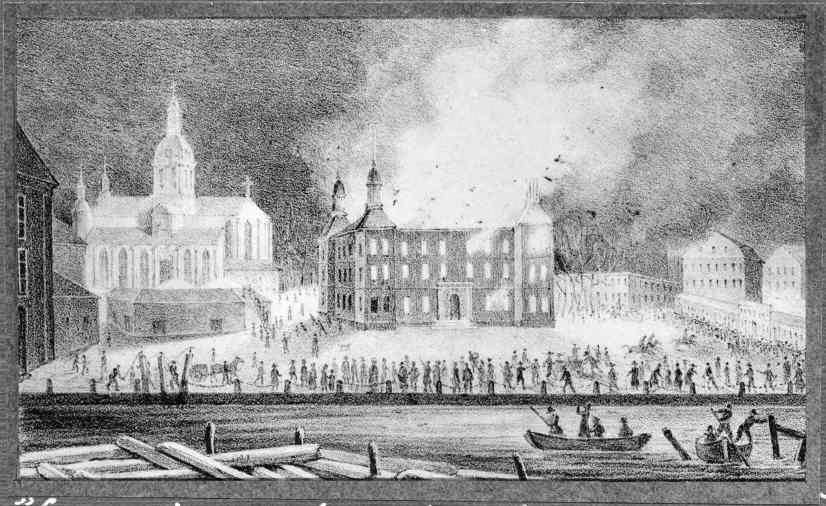
The 17th and 18th centuries brought Baroque grandeur, seen in the ornate sandstone portals and the central clock tower—rebuilt after a fire in 1723. Rococo elements, such as the gilded organ façade from the 1740s, imbue the interior with elegance and artistic flourish (Svenska Kyrkan).
19th–21st Century Restoration
Ongoing preservation—most recently major renovations scheduled through Advent 2025—have ensured the church remains structurally sound while enhancing accessibility and modern amenities. Notable features include the restored red façade, star-ribbed vaults, stained glass windows from the 1890s, and funerary monuments commemorating Stockholm’s nobility.
Visitor Information: Hours, Tickets, Accessibility
- Opening Hours: Typically Monday–Saturday 10:00–17:00, Sunday 12:00–16:00. Note: The church is currently closed for renovation and will reopen by Advent 2025. Check the official church website for updates.
- Admission: Free entry. Donations are encouraged to support maintenance and programming.
- Guided Tours: Available in Swedish and English upon reopening, with advance booking recommended for groups or during peak seasons.
- Accessibility: Fully wheelchair accessible with ramps and adapted restrooms. Assistance for hearing and visual impairments is available on request.
- Facilities: Restrooms onsite; limited cloakroom options during large events. Personal photography permitted (no flash/tripods during services).
- Concerts & Events: Renowned for classical music and choral performances; tickets vary by event.
Location and Directions
- Address: Kungsträdgården, 111 47 Stockholm, Sweden
- Public Transport:
- Subway: Blue line to Kungsträdgården station (short walk)
- Bus: Several lines serve Kungsträdgården and Hamngatan
- Walking: Close to Gamla Stan, Royal Palace, and shopping districts
- Parking: Nearby underground garages at Jakobs Torg
Nearby Attractions
- Kungsträdgården Park: Seasonal events, gardens, and cafés.
- Royal Opera House and Royal Palace: Cultural and historical tours.
- Gamla Stan (Old Town): Medieval streets and vibrant squares.
- Stockholm Concert Hall: World-class music venue.
Cultural and Religious Importance
Saint James’s Church is dedicated to Saint James the Greater, aligning Stockholm with the European pilgrimage tradition and reflecting the church’s historical role as both a spiritual and social crossroads. The Swedish name "Sankt Jacobs kyrka" illustrates linguistic nuances—where "Jacob" and "James" are used interchangeably (Trek Zone).
The church has been central to Stockholm’s Lutheran identity since the Reformation and continues to serve as a parish church, a venue for royal ceremonies, and a symbol of Sweden’s religious and civic heritage (Minube).
Community Role and Modern Relevance
Beyond worship, Saint James’s Church is a hub for concerts, art exhibitions, lectures, and community outreach, supporting social causes and fostering interfaith dialogue. Its proximity to other religious centers underlines Stockholm’s spirit of cooperation and tolerance.
Preservation and Renovation
The current renovation (through late 2025) aims to improve accessibility, update facilities, and enhance the church’s role as a modern venue for worship and culture, while preserving its historic architectural integrity (Svenska Kyrkan).
Frequently Asked Questions (FAQ)
Q: What are the current opening hours?
A: Normally Monday–Saturday 10:00–17:00, Sunday 12:00–16:00. The church is closed for renovation until Advent 2025.
Q: Is there an entrance fee?
A: No, entry is free.
Q: Are guided tours available?
A: Yes, upon reopening; advance booking recommended.
Q: Is the church accessible?
A: Yes, with ramps, adapted restrooms, and additional assistance on request.
Q: Can tourists attend services and concerts?
A: Yes; check schedules and book concert tickets in advance.
Visitor Recommendations & Summary
Saint James’s Church is a living monument to Stockholm’s layered history and artistic achievement. Its diverse architecture, central location, and dynamic cultural programming make it a must-see for visitors. To enhance your visit:
- Check reopening dates and book tours online.
- Explore nearby historical and cultural sites.
- Attend a concert for a memorable experience.
- Use public transport for convenience.
- Download the Audiala app for audio tours and event updates.
For respectful visitation, dress modestly, maintain silence during services, and follow posted guidelines.
Listen to the full story in the app
The whole Saint James'S Church,
told well.
Audio guides for 1,100+ cities across 96 countries. History, stories, and local insight — offline ready.
Verified, and shown.
Researched and written by the Audiala editorial team from historical records, architectural archives, and local expertise.
Researched from Wikidata, Wikipedia & official sources · fact-checked · How we make our guides →