Introduction to Sager House
Sager House (Swedish: Sagerska huset) stands on Strömgatan in central Stockholm, facing the Royal Palace and Parliament. Serving as the official residence of the Prime Minister of Sweden since 1995, the house is a paragon of French Renaissance and Baroque Revival architecture. Its journey from a 17th-century elite residence to a symbol of modern Swedish democracy underscores its dual role as both a political landmark and an architectural treasure.
Though its interior is closed to the public for security reasons, Sager House’s distinguished façade, riverside views, and proximity to major landmarks make it a highlight for visitors interested in Stockholm’s historical and political narrative. This guide details Sager House’s architectural evolution, political and cultural significance, visitor information, and practical tips for those wishing to appreciate its grandeur from the outside.
For current updates on public access or guided tours, consult the Swedish Parliament’s website and the Swedish Government Offices.
Photo Gallery
Explore Sager House in Pictures
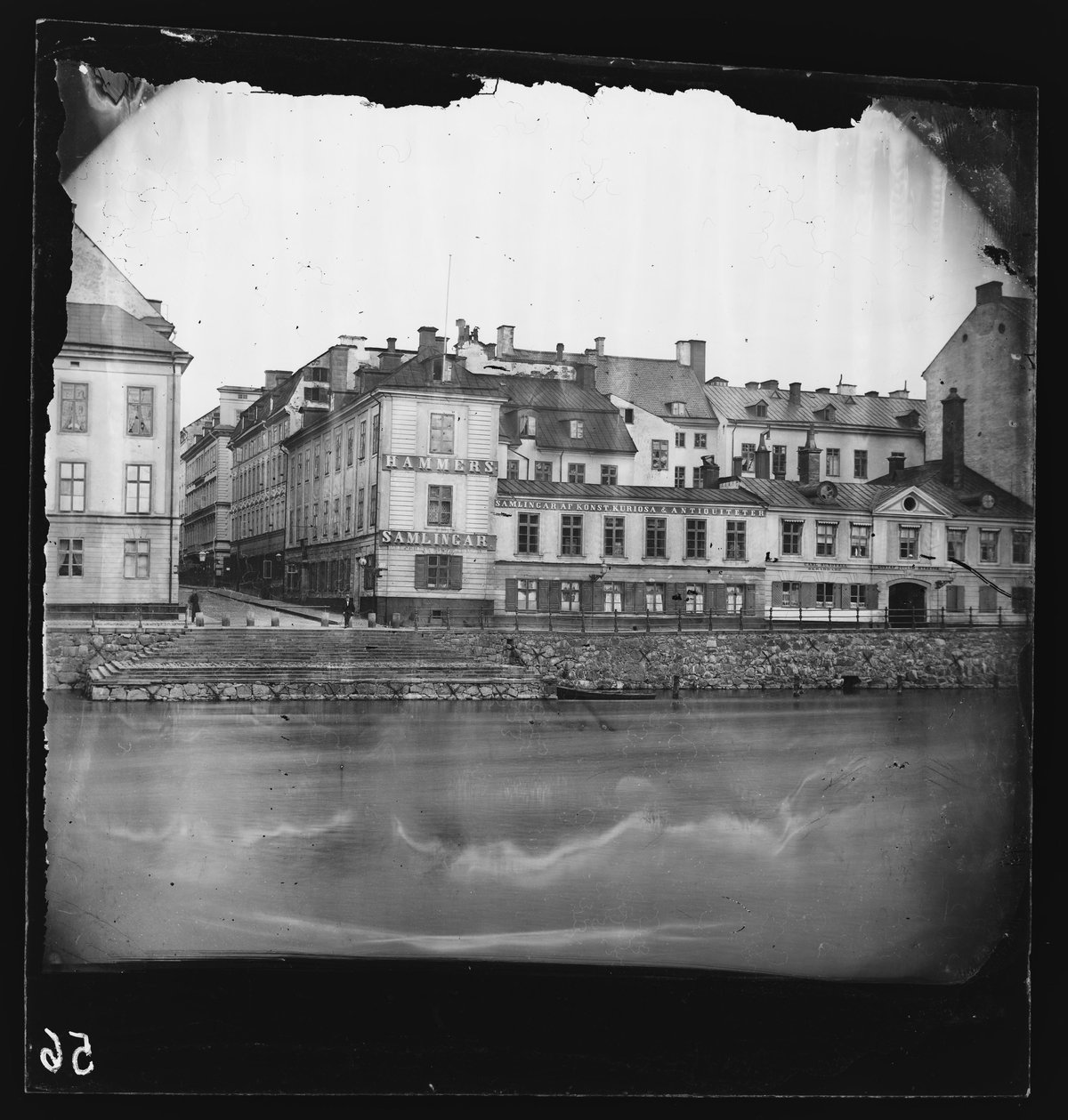
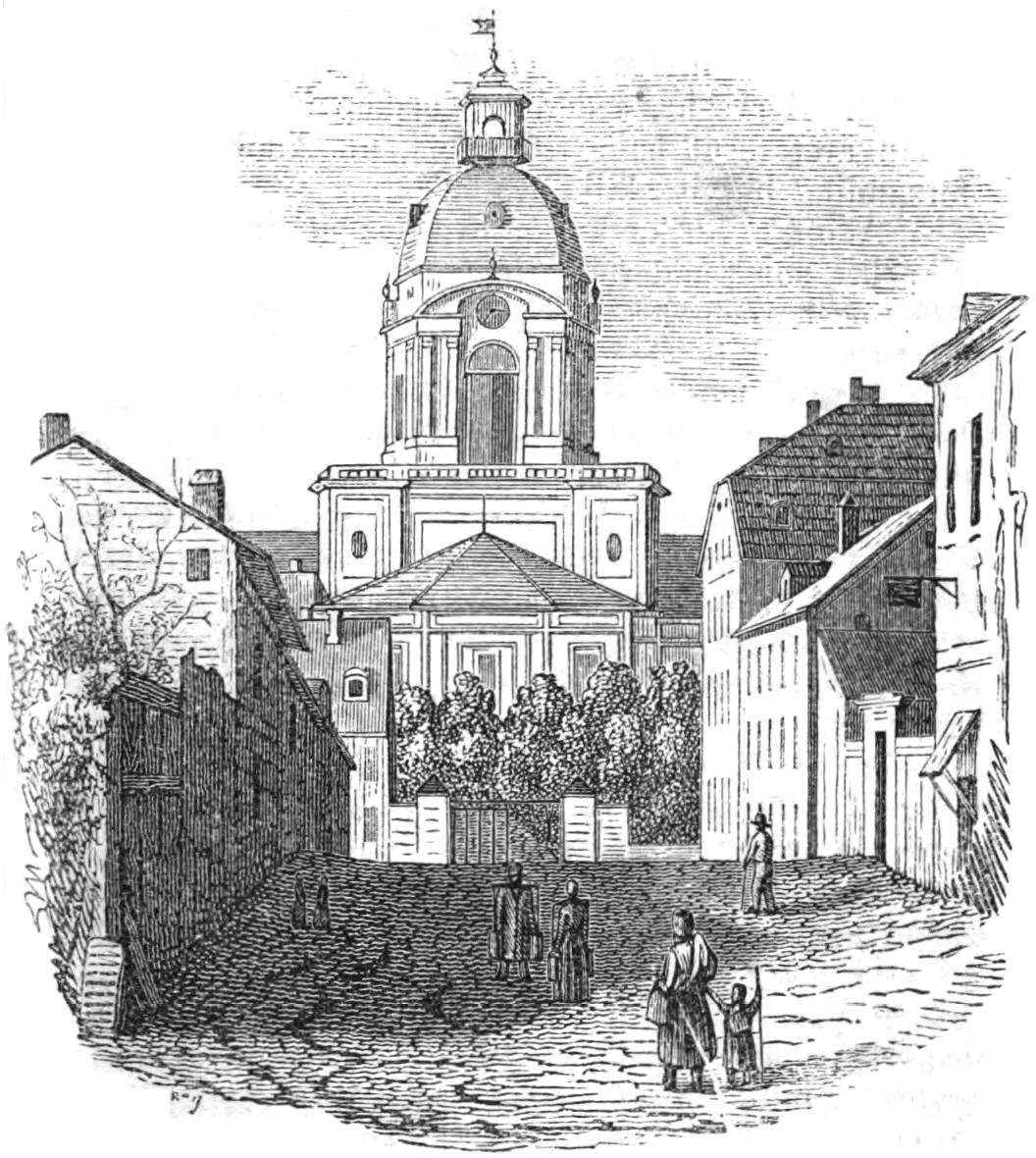
Historic view of the intersection of Strömgatan and Drottninggatan in Stockholm featuring the Sager House prior to its rebuilding in 1883 and around 1900, now the Prime Minister of Sweden's official residence.
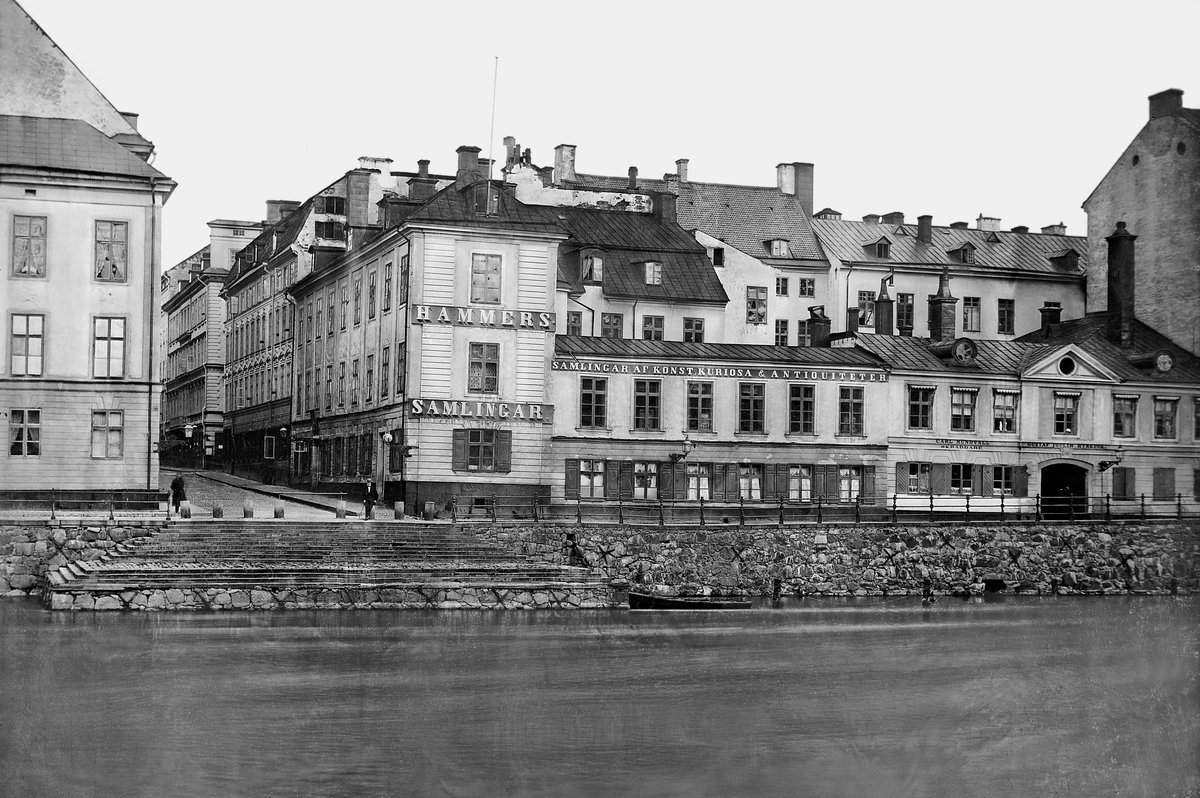
Historic street scene at the intersection of Strömgatan and Drottninggatan in Stockholm featuring the Sager House before its 1883 and 1900 reconstructions, now the official residence of the Prime Minister of Sweden.
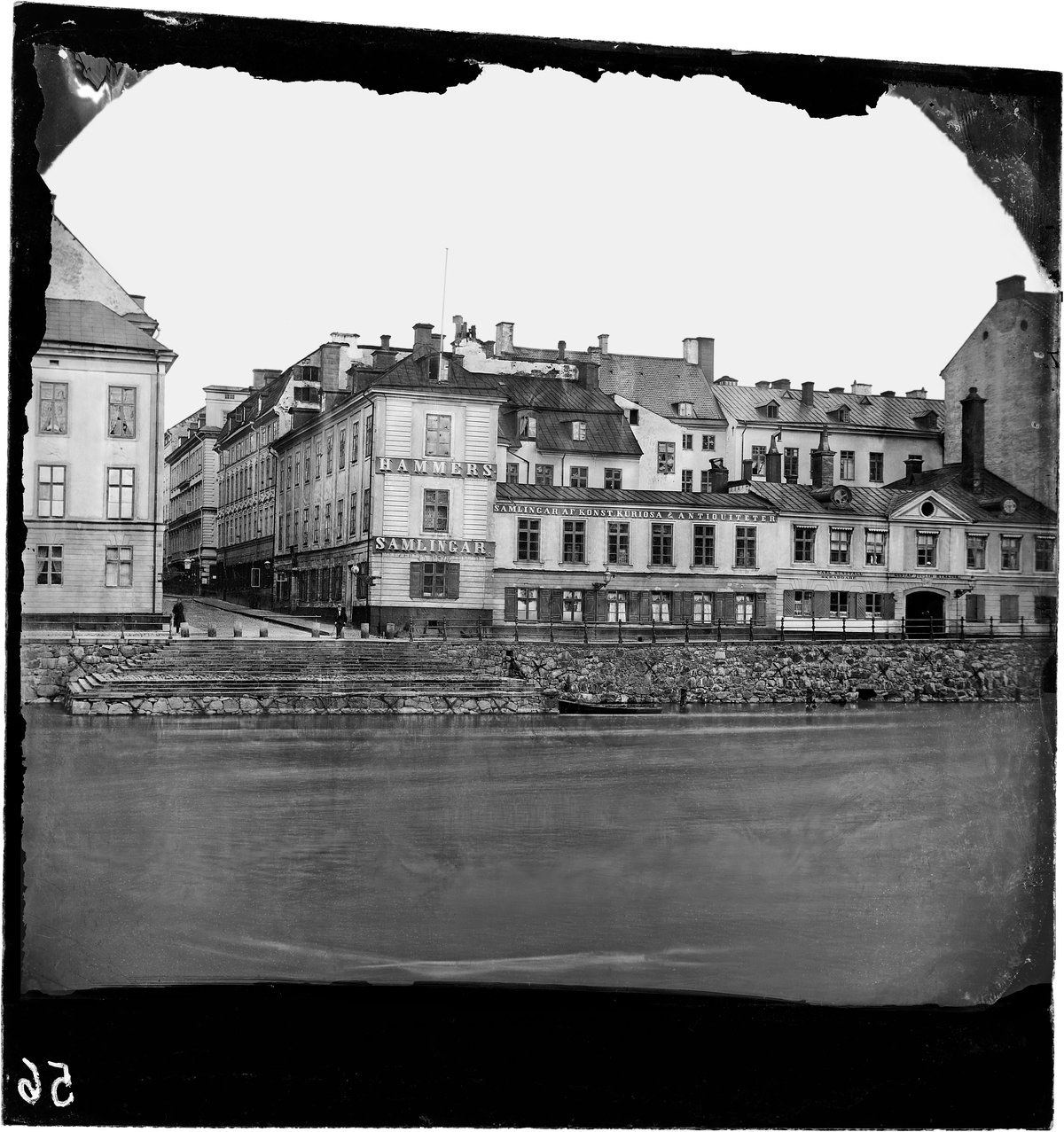
Black and white historical photo of Stockholm at the intersection of Strömgatan and Drottninggatan streets showing the Sager House prior to its rebuild in 1883 and around 1900, now the official residence of the Swedish Prime Minister.
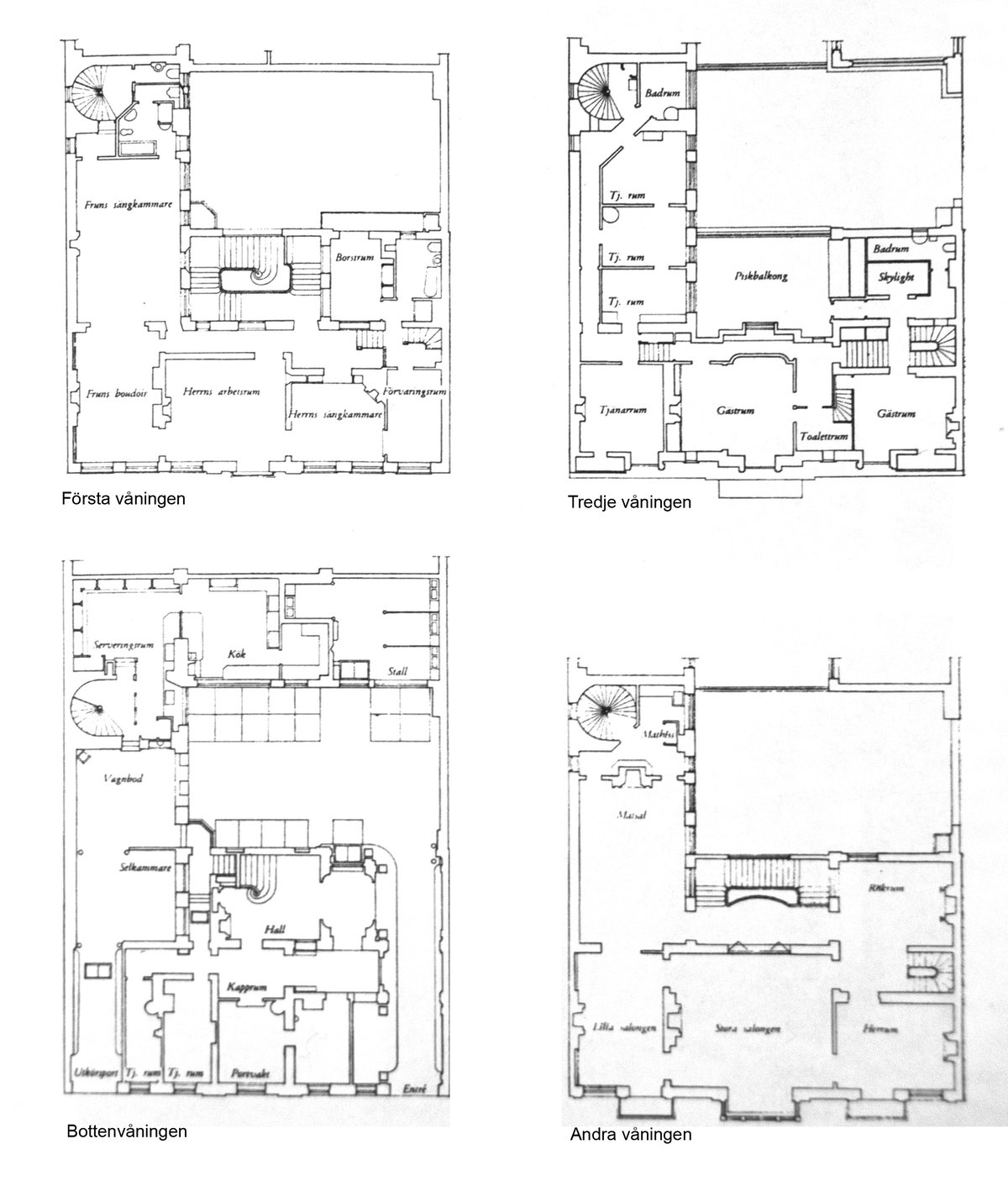
Detailed architectural plans of Sagerska huset showcasing building layout and design.
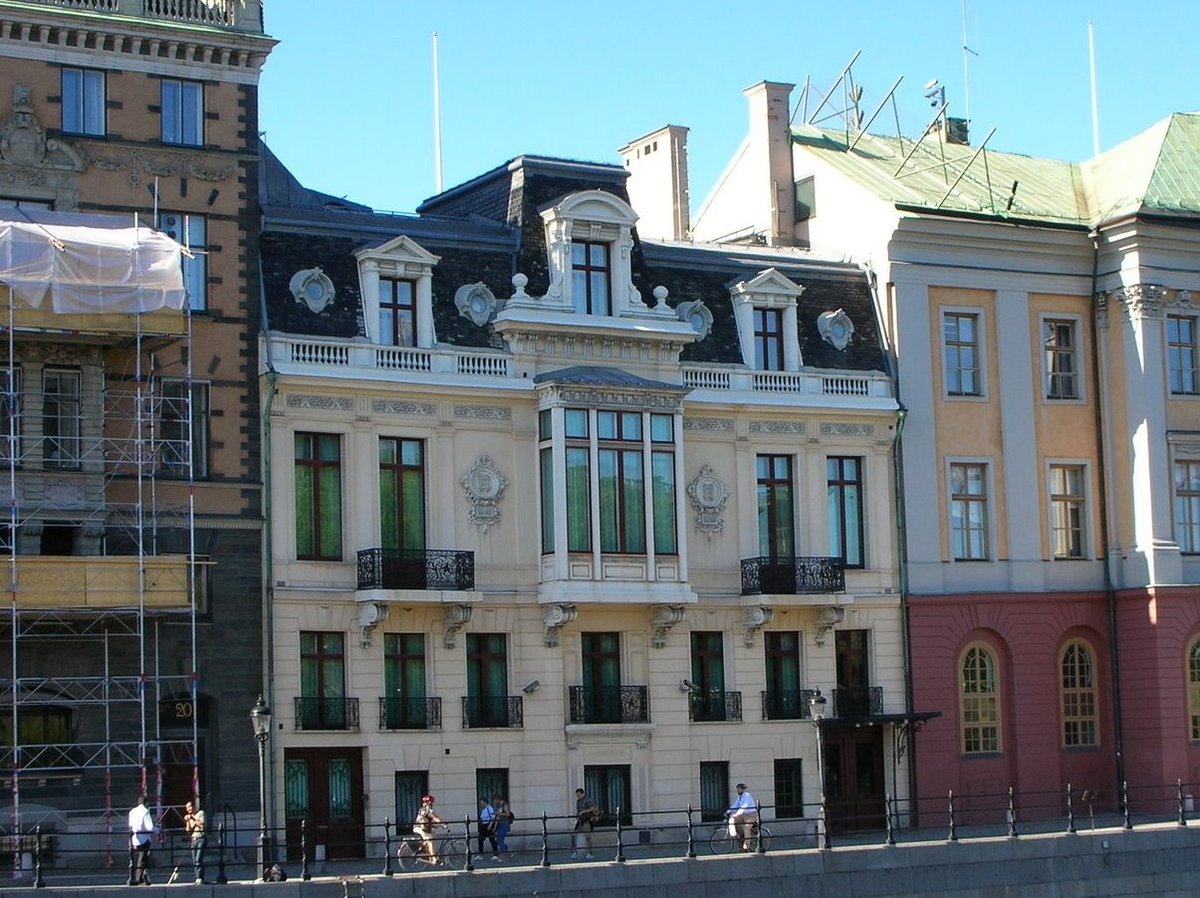
Sager Palace, a historic and elegant building located in Stockholm, Sweden, surrounded by lush greenery under a clear blue sky
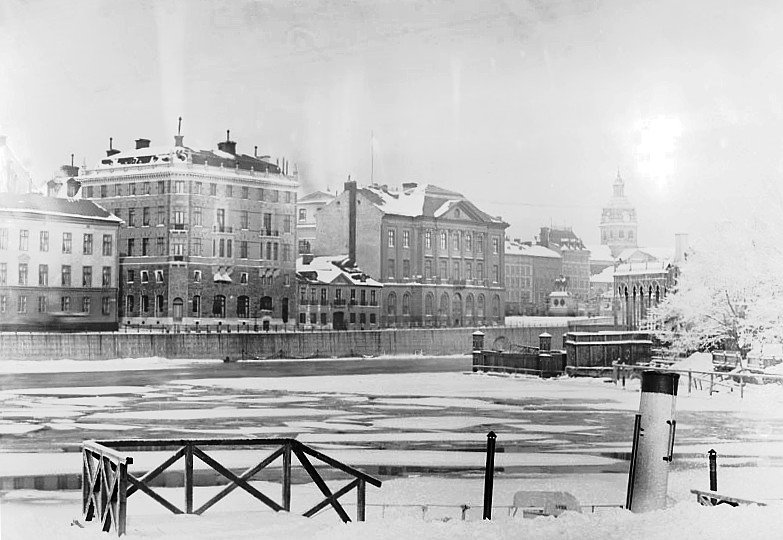
A historic photograph showing the view from Helgeandsholmen towards Strömgatan in Stockholm around the year 1890.
Early History and Construction
The original Sager House dates to the 1640s, when the Strömgatan area emerged as a prestigious address for Stockholm’s elite (Swedish Parliament). Over centuries, the building underwent several reconstructions and expansions, reflecting changing architectural trends. The Sager banking family acquired the property in 1880, and under Jean Sager’s commission, architect Jean René Pierre Litoux transformed the house in the French Renaissance Revival style. The 1893 renovation introduced ornate stonework, mansard roofs, and wrought-iron balconies (Stockholm City Museum), solidifying its unique presence among Stockholm’s historic residences.
Architectural Evolution and Features
Litoux’s redesign in the late 19th century gave Sager House its defining French château-inspired character: a symmetrical façade with elaborate cornices, decorative pilasters, and a striking mansard roof (Swedish National Heritage Board). The Neo-Rococo details—such as floral and shell motifs—soften the imposing Baroque forms.
Key architectural highlights include:
- Mansard Roof: Inspired by François Mansart, adding attic space and visual drama (WorldAtlas).
- Ornate Façade: Stucco, cornices, and sculpted window surrounds.
- Parade Floor (Paradvåning): A formal reception level for state entertaining.
- Symmetry and Grandeur: The building’s design embodies order and elegance.
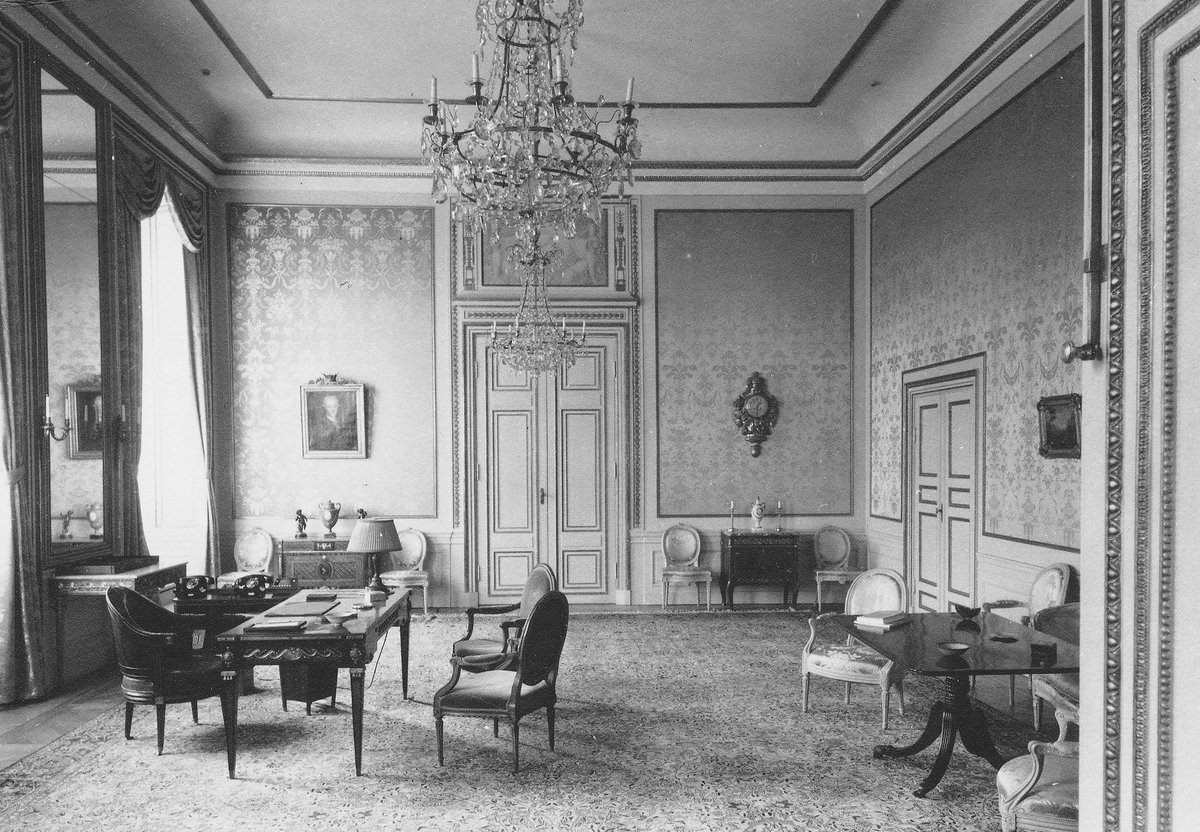
- Interior Features: Grand staircases, gilded moldings, marble fireplaces, and modern amenities for its era.
Despite 20th-century modifications, Sager House retains much of its original decorative scheme due to protected status as a cultural heritage site.
Transition to Official Residence
By the 1980s, Sager House required urgent restoration. The Swedish government acquired it in 1986, aiming to establish a secure, centrally located, and dignified residence for the Prime Minister (Swedish Government Offices). Architect Bo Kälvemark led a comprehensive restoration (1991–1995), balancing historic preservation with modern upgrades in security and infrastructure. Ingvar Carlsson became the first Prime Minister to occupy Sager House in 1995.
Political and Cultural Importance
Sager House reflects the evolution of Swedish governance, transitioning from private aristocratic privilege to a democratic symbol of state authority (Visit Stockholm). Its position beside the Riksdag and Royal Palace physically anchors executive power in the heart of Stockholm’s political core.
The residence hosts official receptions, diplomatic events, and state ceremonies, embodying Swedish values of democracy, transparency, and modest dignity. Its accessible location—integrated within the urban landscape—symbolizes Sweden’s commitment to open governance and civic participation (Forbes).
Location and Urban Context
Sager House (Strömgatan 18, Norrmalm) sits on the north bank of Norrström, facing Parliament House and near the Royal Palace (Wikipedia). It is surrounded by other government and cultural landmarks, including Rosenbad, the Ministry for Foreign Affairs, and the Royal Swedish Opera (Wikiwand).
The building’s urban context reinforces its ceremonial and political significance within Stockholm’s cityscape.
Visitor Information: Hours, Tickets, and Accessibility
- Interior Access: Not open to the public; no tickets or regular visiting hours (Wikipedia).
- Guided Tours: Occasionally offered for special events; check the Swedish Parliament’s website for updates.
- Exterior Viewing: The façade is visible year-round from Strömgatan and nearby bridges.
- Accessibility: Surrounding public spaces are accessible for visitors with mobility challenges, with wide sidewalks and accessible public transit (Visit Stockholm).
- Safety: The government district is well-patrolled and safe; standard urban precautions apply.
Best Viewing Tips & Nearby Attractions
- Best Viewing Points: Strömgatan (for close-ups), Riksbron and Norrbro bridges (for panoramic views with the Parliament and Royal Palace as backdrops).
- Optimal Visiting Times: Early mornings or late afternoons for ideal lighting and fewer crowds; late spring to early autumn offers the best weather (Travel Notes and Beyond).
- Photography: Tripods and drones are prohibited; be mindful of security instructions.
- Combine with Other Sites:
- Parliament House (Riksdagshuset): Free guided tours in summer (Nomadepicureans).
- Rosenbad: Adjacent government offices.
- Royal Palace: Open to the public; includes museums and the changing of the guard (Nomadic Matt).
- Gamla Stan (Old Town): Medieval center, Nobel Museum, and lively cafes.
Frequently Asked Questions (FAQ)
Q: Can I enter Sager House?
A: No, the residence is not open for public interior tours due to its official function.
Q: Are there tickets or visiting hours?
A: No tickets or regular visiting hours; exterior can be viewed from public areas at any time.
Q: Are guided tours available?
A: Occasionally, for special events. Otherwise, exterior-focused walking tours may include Sager House (Freetoursbyfoot).
Q: Is the area accessible for people with disabilities?
A: Yes, the surrounding area features accessible sidewalks and public transport (Visit Stockholm).
Q: What is the best time to visit?
A: Daylight hours from spring to autumn; early morning or late afternoon for photography.
Q: What other landmarks are nearby?
A: Parliament House, Rosenbad, Royal Palace, Royal Swedish Opera, Museum of Medieval Stockholm.
Visual Gallery and Media Suggestions
-
Image 1: Sager House’s French Baroque Revival façade on Strömgatan.
Alt text: "Sager House Stockholm official residence with riverside view" -
Image 2: Map highlighting Sager House and surrounding political landmarks.
Alt text: "Map of Sager House and nearby government buildings Stockholm" -
Image 3: Sager House illuminated at night.
Alt text: "Illuminated Sager House official residence in Stockholm at night" -
Additional Suggestions:
- Virtual tours or short official video snippets if available.
- Images should be optimized for accessibility and SEO.
Listen to the full story in the app
Your Personal Curator, in Your Pocket.
Audio guides for 1,100+ cities across 96 countries. History, stories, and local insight — offline ready.
Audiala App
Available on iOS & Android
Join 50k+ Curators
Sources
- verified
- verified
- verified
- verified
- verified
- verified
- verified
Last reviewed: