Plan and listen to Rosendal Palace with Audiala.
Audio guide in your pocket, itinerary in your browser. Built for the way you actually visit.
Introduction
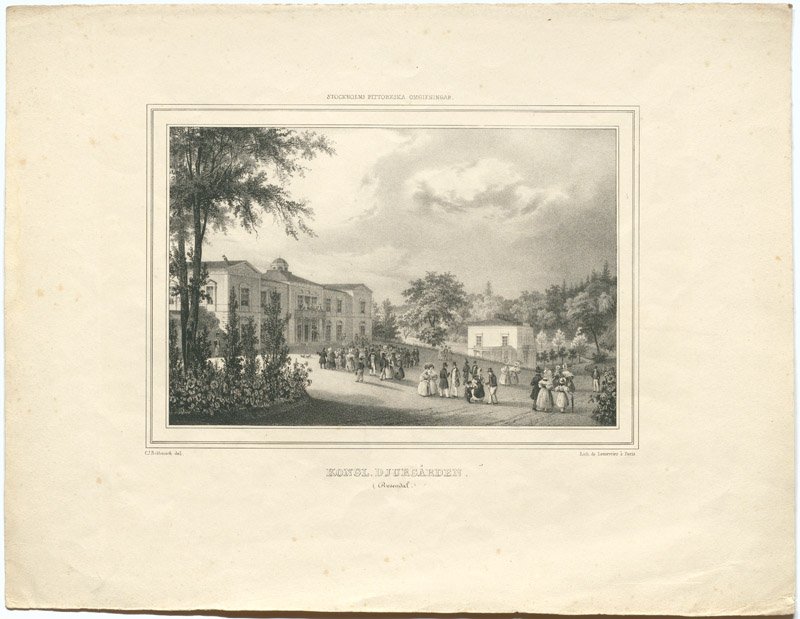
Rosendal Palace (Rosendals slott), set amidst the verdant landscapes of Djurgården in Stockholm, is a sterling emblem of Sweden’s royal heritage and 19th-century neoclassical architecture. Commissioned by King Karl XIV Johan, founder of the Bernadotte dynasty, and completed in 1827, the palace is renowned for its exceptional preservation and the Swedish interpretation of the European Empire style. Designed by architect Fredrik Blom using innovative prefabricated techniques, Rosendal Palace was envisioned as a serene summer retreat for the royal family—offering an authentic window into early 19th-century courtly life.
Surrounded by lush parklands and the celebrated biodynamic Rosendal Garden, the palace is a cultural and horticultural landmark. This comprehensive guide details Rosendal Palace visiting hours, ticketing, accessibility, and travel advice, as well as the palace’s architectural and cultural importance, nearby attractions, and practical tips for visitors. Whether you are a history enthusiast, architecture lover, or seeking tranquil natural beauty in Stockholm, Rosendal Palace promises a memorable experience. For up-to-date details, consult the official Rosendal Palace website and Visit Stockholm.

Historical Background
Commissioned in 1823 by King Karl XIV Johan, Rosendal Palace was conceived as a peaceful summer retreat distinct from the formal royal residences of Stockholm. The original palace structure was destroyed by fire in 1819, leading to a collaboration between architects Fredrik August Lidströmer and Fredrik Blom on a new design, completed in 1827. The resulting palace showcases the Swedish Empire (Karl Johan) style, with neoclassical symmetry and interiors that include diplomatic gifts such as a Sèvres table from King Louis Philippe of France.
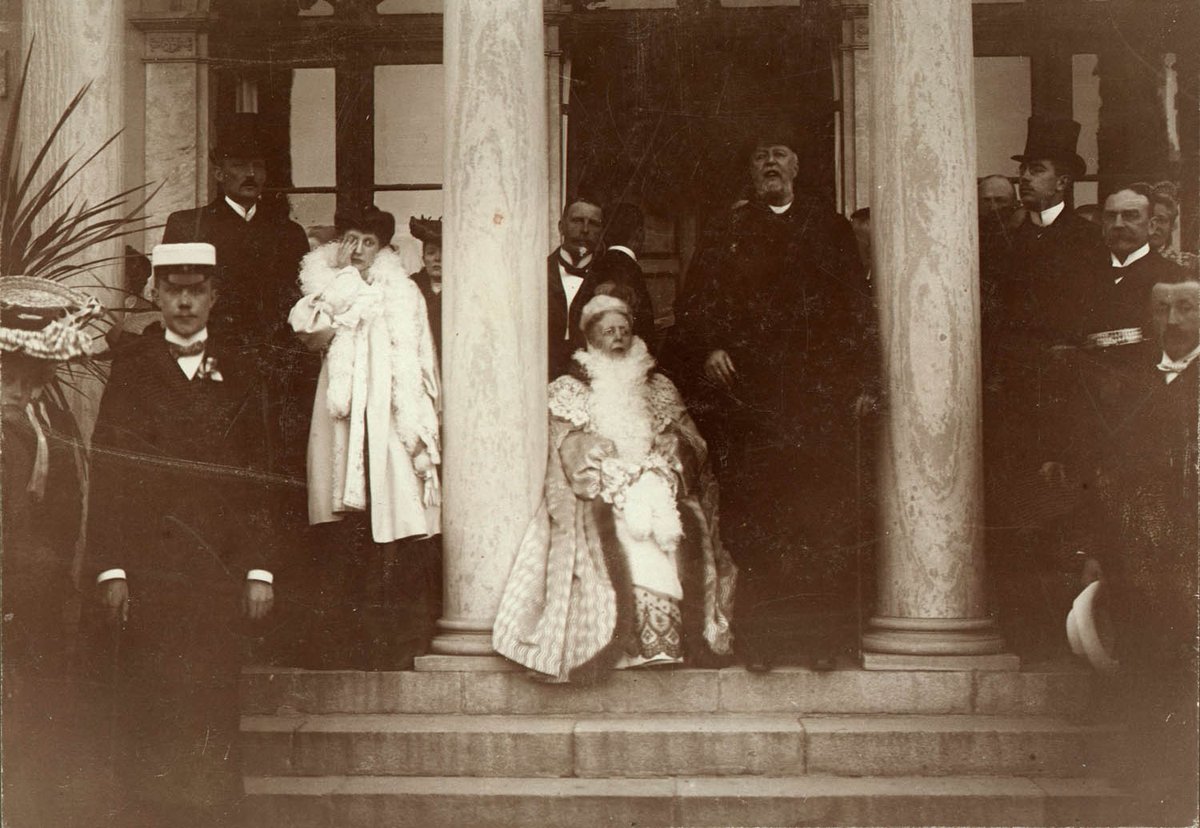
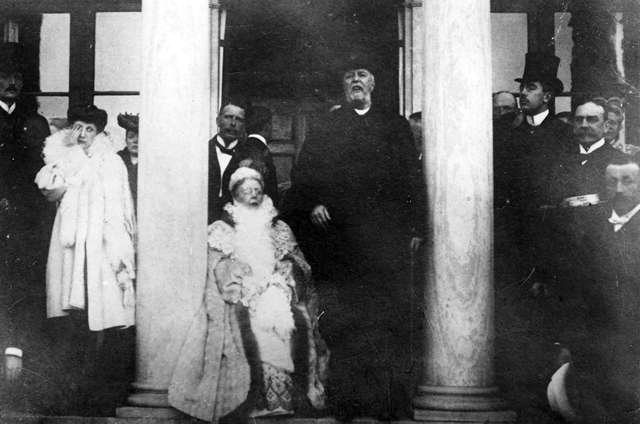
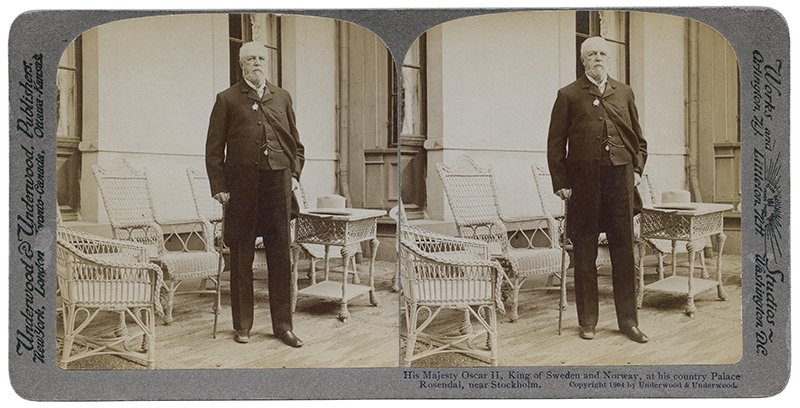
Over its history, Rosendal Palace has served as a seasonal royal residence and a social nexus, hosting informal gatherings and notable events, including King Oskar II’s 1905 address after the Sweden-Norway union dissolution. Today, it operates as a museum maintained by the Royal Court of Sweden, preserving the original ambiance and providing insights into early 19th-century royal life (Visit Stockholm).
Architectural Features and Design
Royal Neoclassicism in Sweden
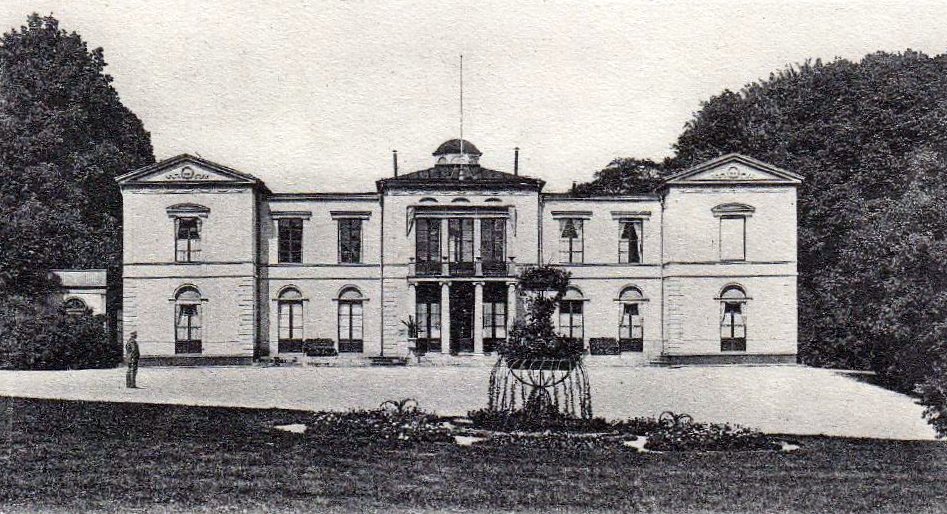
Rosendal Palace is an exceptional example of Swedish neoclassical architecture, specifically the Empire style. Designed by Fredrik Blom, the palace reflects the influence of French Empire aesthetics, with symmetrical façades, restrained ornamentation, and harmonious proportions. Its pale yellow stucco, white pilasters, and Ionic-columned portico exude understated elegance. The palace’s modest scale, compared to other European royal residences, underscores the Swedish monarchy’s preference for functionality and subtlety (Visit Stockholm).
Innovative Construction Techniques
Fredrik Blom’s use of prefabricated building elements was pioneering for its era. Many components of the palace were constructed off-site and assembled onsite—an approach that allowed for rapid construction despite Sweden’s short building season.
Interior Decoration and Furnishings
Inside, Rosendal Palace boasts well-preserved Empire-style interiors, with original mahogany furniture, gilded mirrors, silk damask, and classical motifs. Many furnishings were imported from France or produced by Swedish artisans, reflecting both international influence and royal patronage.
Cultural Significance
Symbol of the Bernadotte Dynasty
Rosendal Palace is closely tied to the Bernadotte dynasty’s establishment in Sweden. King Karl XIV Johan, a former French marshal, used the palace to introduce continental sophistication to the Swedish court and reinforce his legitimacy as monarch (Visit Stockholm).
Preservation of 19th-Century Royal Life
The palace remains largely unchanged since the 1820s, making it a living museum of Swedish royal history. Guided tours illuminate the everyday rituals and customs of the Bernadotte family (Visit Stockholm Events).
Influence on Swedish Design
Rosendal Palace’s blend of French elegance and Swedish simplicity influenced aristocratic interiors across Sweden and helped lay the foundation for modern Scandinavian design.
Integration with Djurgården
The palace’s English-style gardens and proximity to other cultural sites make it a vital part of Djurgården’s rich landscape (Visit Stockholm).
Visiting Hours and Ticket Information
- Palace Interior: Open for guided tours during the summer season, generally from early June to late August.
- Typical Visiting Hours: 11:00 AM–5:00 PM, Tuesday to Sunday (closed Mondays). Confirm hours on the official website.
- Palace Grounds: Open year-round, free entrance.
- Tickets: SEK 120 for adults, with concessions for children, students, and seniors. Family and combined attraction tickets may be available. Advance booking is strongly recommended, especially in peak season.
Accessibility
Rosendal Palace and its gardens offer accessible pathways, though some historic interiors may have limited access due to preservation constraints. Wheelchair users and those with mobility needs are advised to contact the palace ahead of time for specific arrangements. Accessible restrooms are available near the main entrance.
Getting There
- Public Transport: Tram 7 or bus 69 to Djurgården/Bellmansro, followed by a 5–10-minute walk through parkland (Swedentips.se).
- By Bicycle/On Foot: Djurgården is pedestrian- and cyclist-friendly with scenic routes.
- Parking: Limited; public transport is recommended.
Visitor Experience and Practical Tips
- Guided Tours: Offered in Swedish and English; provide deep historical context and access to rooms otherwise closed to the public.
- Photography: Not permitted inside the palace. Allowed in gardens and exteriors.
- Combine Your Visit: Explore nearby attractions such as the Vasa Museum, Skansen, and the ABBA Museum.
- Facilities: Restrooms, café, bakery, and shop on site. Most transactions are cashless.
- Language: English widely spoken; signage available in Swedish and English.
Nearby Attractions and Combined Visits
- Skansen Open-Air Museum: Swedish culture and wildlife.
- Vasa Museum: 17th-century warship.
- ABBA Museum: Swedish pop history.
- Gröna Lund: Historic amusement park.
Rosendal Palace’s location makes it ideal for a day exploring Djurgården’s many attractions (Anna Cullen Blog).
Guided Tours and Special Events
- Guided Tours: Required for palace interior visits; book in advance online or onsite (subject to availability).
- Rosendal Garden Party: Annual music and culture festival, typically in June. Requires separate ticket (Routes North).
- Workshops & Markets: Summer events often focus on gardening, sustainability, and Swedish culinary traditions.
Photographic Highlights and Visitor Tips
- Main Terrace: Offers panoramic views—best at golden hour.
- Porphyry Urn & Bridges: Iconic photo spots.
- Gardens: Especially vibrant from late spring to early autumn.
- Early Mornings/Weekdays: Quieter visits.
Conservation and Restoration Efforts
Ongoing restoration projects focus on reviving historic landscape features and promoting biodiversity while balancing public access (Royalpalaces.se).
Frequently Asked Questions (FAQ)
Q: What are Rosendal Palace visiting hours?
A: The palace interior is open for guided tours during summer months; the park is open year-round.
Q: How can I buy tickets?
A: Purchase online in advance or at the palace during the summer; advance booking is recommended.
Q: Is the palace wheelchair accessible?
A: Paths and gardens are accessible, but some historic interiors may have limited access. Contact for specific details.
Q: Can I bring pets?
A: Pets are allowed in the grounds, but not inside buildings; assistance animals are welcome.
Q: Are photography and filming allowed?
A: Allowed outdoors; not permitted inside palace interiors.
Listen to the full story in the app
The whole Rosendal Palace,
told well.
Audio guides for 1,100+ cities across 96 countries. History, stories, and local insight — offline ready.
Verified, and shown.
Researched and written by the Audiala editorial team from historical records, architectural archives, and local expertise.
Researched from Wikidata, Wikipedia & official sources · fact-checked · How we make our guides →