Plan and listen to Riddarholmen with Audiala.
Audio guide in your pocket, itinerary in your browser. Built for the way you actually visit.
Introduction
Birger Jarls torn, also known as Birger Jarl's Tower, is a historical landmark located on the island of Riddarholmen in Stockholm, Sweden. This medieval structure, named after Birger Jarl, the traditional founder of Stockholm, dates back to the 13th century and was initially constructed as part of the city's fortifications. Birger Jarl, born in the early 13th century, was a prominent Swedish statesman and military leader credited with founding Stockholm around 1252. His contributions to the city's development are commemorated through various landmarks, including Birger Jarls torn and a statue at Birger Jarls torg (source).
The tower's architectural style reflects medieval fortification techniques with robust stone walls and narrow windows designed to withstand sieges. Over the centuries, Birger Jarls torn has undergone several modifications and restorations, notably in the 19th century, to preserve its historical integrity. The tower transitioned from a defensive structure to a site of governmental significance by the mid-19th century, housing various governmental authorities and serving as a hub of administrative activity on Riddarholmen (source).
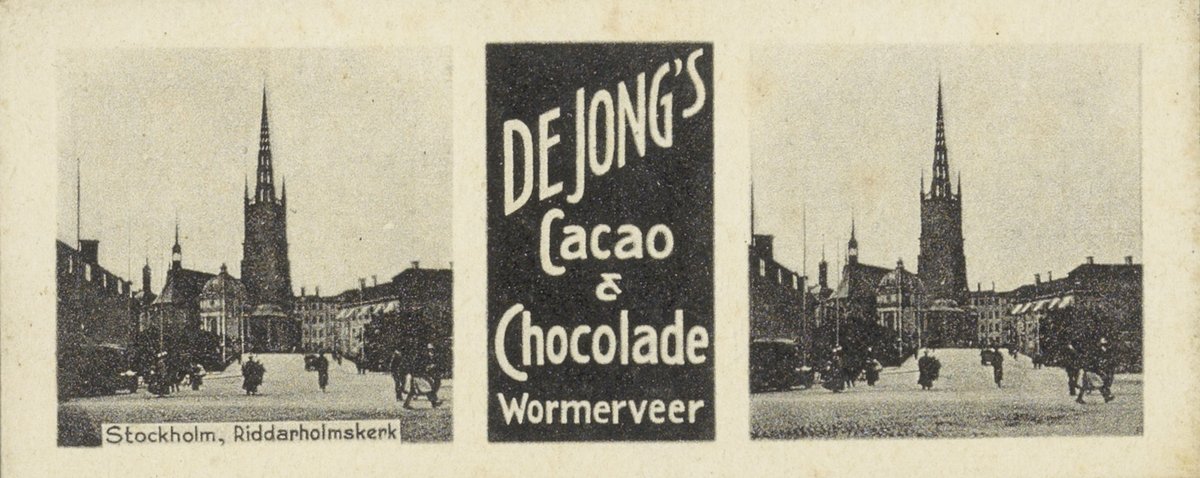
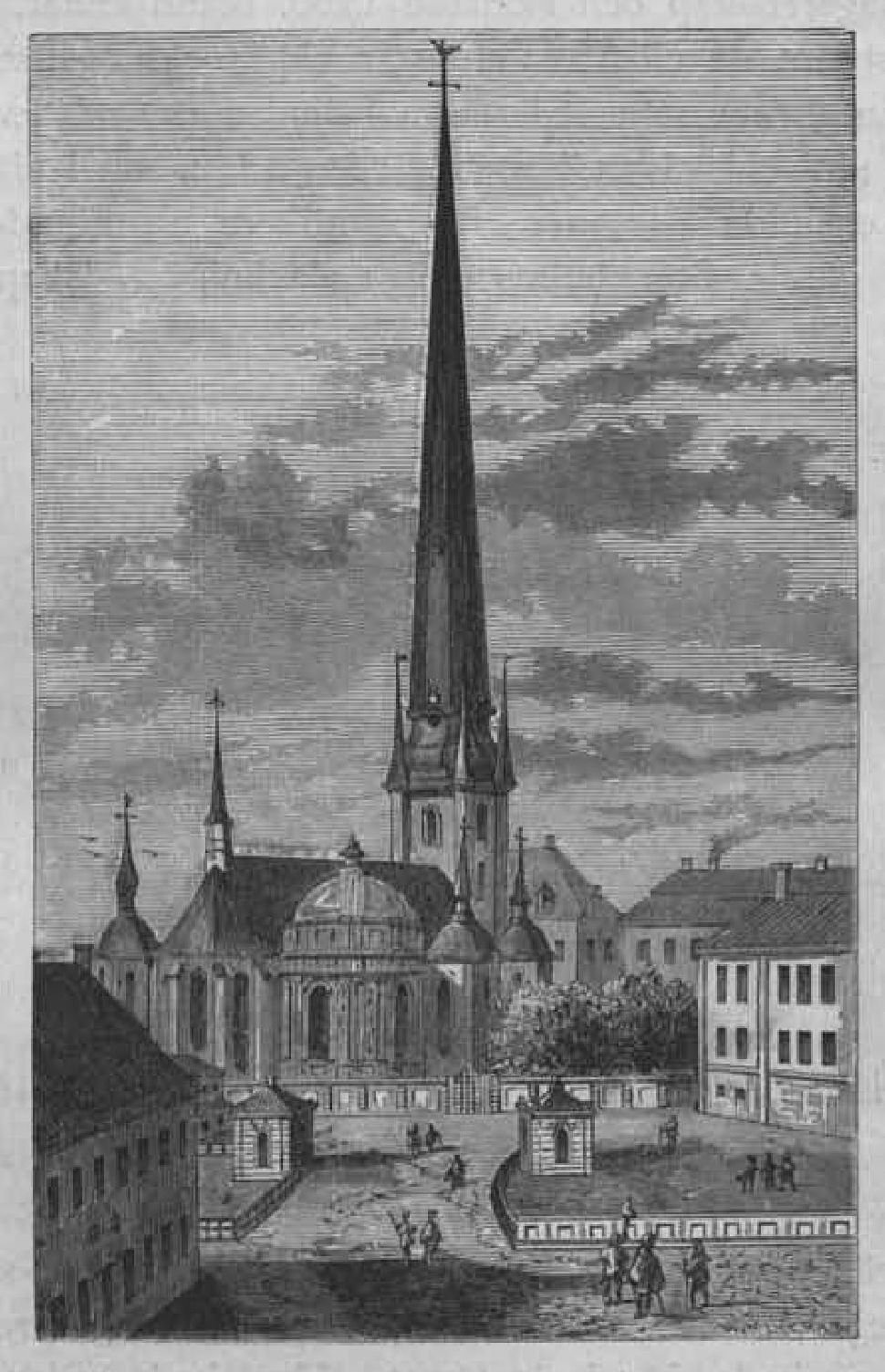
Adjacent to the tower is Riddarholmskyrkan, a significant historical landmark and burial site for Swedish monarchs. The church, originally a greyfriars monastery dating back to the late 13th century, adds to the historical richness of the area (source). Today, Birger Jarls torn stands as a testament to Stockholm's medieval history and attracts tourists from around the world, offering insights into the city's past and the legacy of its founder, Birger Jarl (source).

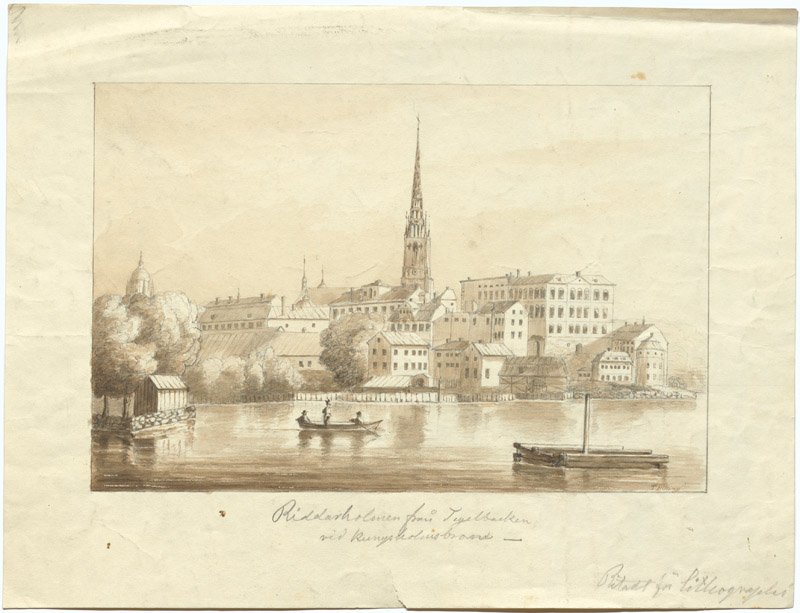
Historical Background
Origins and Early History
Birger Jarls torn, or Birger Jarl's Tower, is a significant historical structure located on the island of Riddarholmen in Stockholm, Sweden. The tower is named after Birger Jarl, who is traditionally credited as the founder of Stockholm. The origins of the tower date back to the medieval period, specifically the 13th century, when it was constructed as part of the city's fortifications. The tower was initially built to serve as a defensive structure, protecting the city from potential invaders.
Architectural Evolution
The architectural style of Birger Jarls torn reflects the medieval fortification techniques prevalent during its construction. The tower is characterized by its robust stone walls and narrow windows, designed to withstand sieges and attacks. Over the centuries, the tower has undergone several modifications and restorations to preserve its structural integrity and historical significance. One notable restoration occurred in the 19th century when efforts were made to maintain the tower's original medieval appearance while incorporating modern preservation techniques.
The Role of Birger Jarls torn in Stockholm's Defense
Throughout its history, Birger Jarls torn has played a crucial role in the defense of Stockholm. The tower was part of a larger network of fortifications that included walls, gates, and other defensive structures. These fortifications were essential in protecting the city from external threats, including invasions by foreign armies and pirate attacks. The strategic location of the tower on Riddarholmen provided a vantage point for monitoring and defending the surrounding waterways, which were vital for trade and transportation.
Transition to Governmental Use
In the centuries following its construction, Birger Jarls torn transitioned from a purely defensive structure to a site of governmental significance. By the mid-19th century, the area surrounding the tower, including Birger Jarls torg, became home to several governmental buildings and palaces. These buildings housed various governmental authorities, making the entire island of Riddarholmen a hub of administrative activity. Despite this transition, the historical and architectural significance of Birger Jarls torn remained preserved, attracting visitors interested in Stockholm's medieval heritage (source).
Preservation and Modern Significance
Today, Birger Jarls torn stands as a testament to Stockholm's rich medieval history and architectural heritage. The tower is preserved as a historical monument, attracting tourists and history enthusiasts from around the world. Visitors to the tower can explore its medieval architecture, learn about its role in the city's defense, and gain insights into the life and legacy of Birger Jarl. The surrounding area of Riddarholmen, with its historical buildings and scenic views, offers a unique glimpse into Stockholm's past and present (source).
Birger Jarl: The Founder of Stockholm
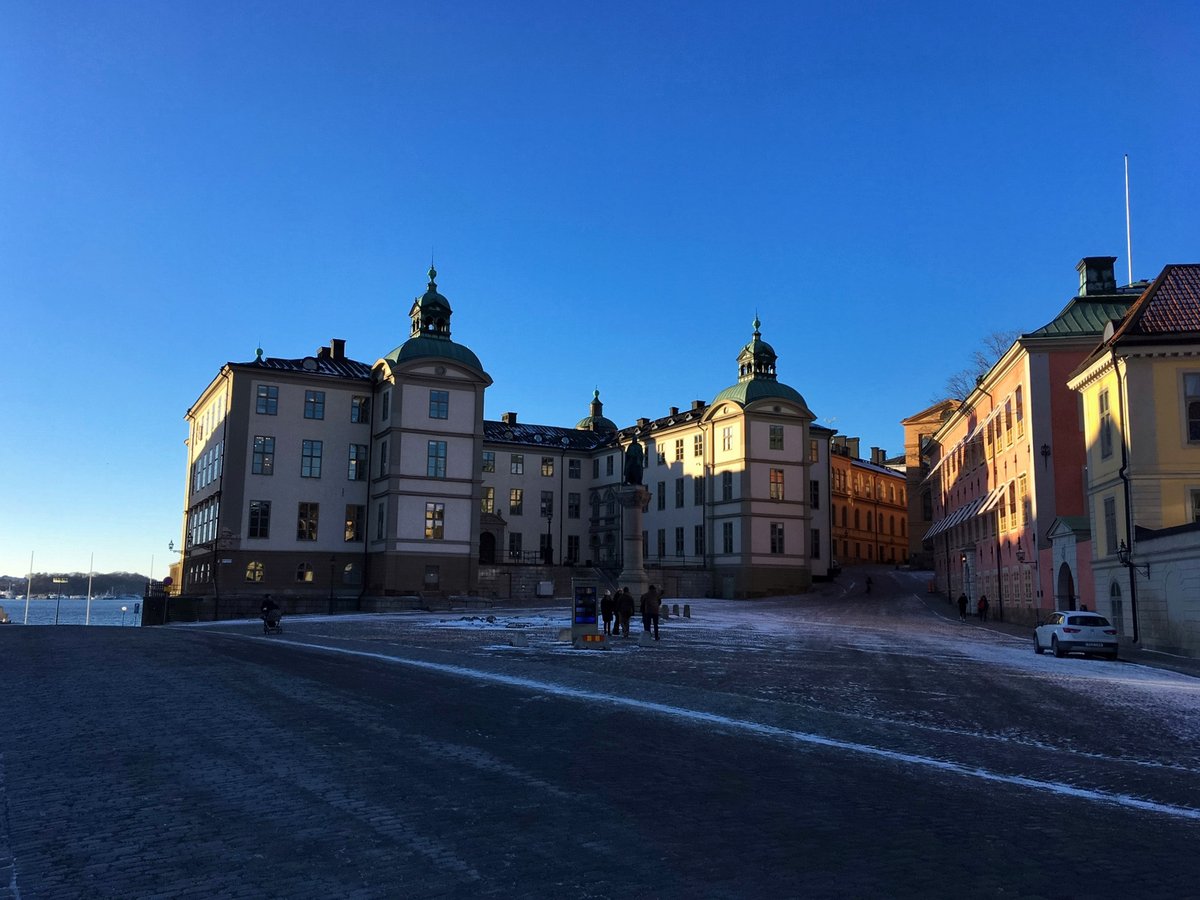
Birger Jarl, after whom the tower is named, played a pivotal role in the establishment and development of Stockholm. Born in the early 13th century, Birger Jarl was a prominent Swedish statesman and military leader. He is credited with founding Stockholm around 1252, strategically positioning the city to control trade routes and enhance its defense capabilities. Birger Jarl's contributions to the city's growth and prosperity are commemorated through various landmarks, including Birger Jarls torn and the statue erected in his honor at Birger Jarls torg in 1854 (source).
Riddarholmskyrkan: A Neighboring Historical Landmark
Adjacent to Birger Jarls torn is Riddarholmskyrkan, or the Riddarholm Church, another significant historical landmark on Riddarholmen. The church, which dates back to the late 13th century, was originally built as a greyfriars monastery. Following the Protestant Reformation, the monastery was closed, and the building was transformed into a Protestant church. Riddarholmskyrkan is renowned for its Gothic architecture and serves as the burial church for Swedish monarchs, including Gustavus Adolphus and Charles VIII (source).
Visitor Experience
Visiting Hours and Tickets
Birger Jarls torn is typically open to visitors from 10:00 AM to 5:00 PM daily, though hours may vary seasonally. Tickets can be purchased on-site or online, with prices ranging from 50 SEK for children to 100 SEK for adults. Special events and guided tours may incur additional costs, so it's advisable to check the official website for the most up-to-date information.
Accessibility and Nearby Attractions
The tower is accessible to visitors with mobility issues, although some areas may be challenging due to the medieval architecture. Nearby attractions include Riddarholmskyrkan, the Swedish Parliament, and the Royal Palace, offering a comprehensive exploration of Stockholm's historical and political heritage.
Travel Tips
- Accessibility: Birger Jarls torn is located on Riddarholmen, accessible via the Gamla Stan metro station. The tower is within walking distance from Central Station and other main transport links.
- Guided Tours: Opt for a guided tour to enhance your visit. These tours provide valuable historical context and interesting anecdotes about the tower and its role in Stockholm's history.
- Photography: The top floor offers excellent views and is a great spot for photography. Don't forget to capture the architectural details and the panoramic views of the city.
- Nearby Amenities: Enjoy a meal at the restaurant located in the lower part of the tower. This is a great spot to relax and soak in the historical ambiance.
FAQ
What are the visiting hours for Birger Jarls torn?
The tower is generally open from 10:00 AM to 5:00 PM daily, with seasonal variations.
How much are tickets to Birger Jarls torn?
Tickets range from 50 SEK for children to 100 SEK for adults, with additional costs for special events and guided tours.
Is Birger Jarls torn accessible to visitors with mobility issues?
While the tower is accessible, some areas may be challenging due to its medieval architecture.
What nearby attractions can I visit?
Nearby attractions include Riddarholmskyrkan, the Swedish Parliament, and the Royal Palace, offering a rich exploration of Stockholm's heritage.
Discover More
Plan your visit to Birger Jarls torn today and explore the rich history of Stockholm! For more travel tips and historical insights, download the Audiala mobile app, follow us on social media, and check out our related posts.
Listen to the full story in the app
The whole Riddarholmen,
told well.
Audio guides for 1,100+ cities across 96 countries. History, stories, and local insight — offline ready.
Verified, and shown.
Researched and written by the Audiala editorial team from historical records, architectural archives, and local expertise.
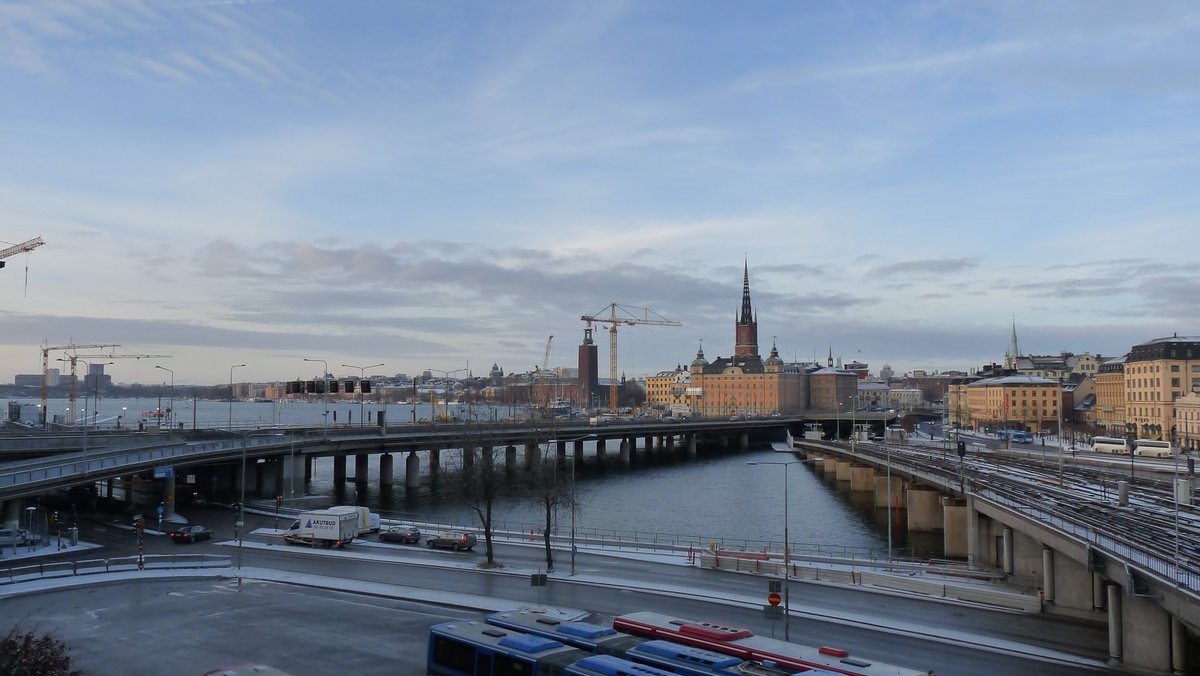
(2015, December 13). Birger Jarls torg in Stockholm
Guide: Riddarholmen
Researched from Wikidata, Wikipedia & official sources · fact-checked · How we make our guides →