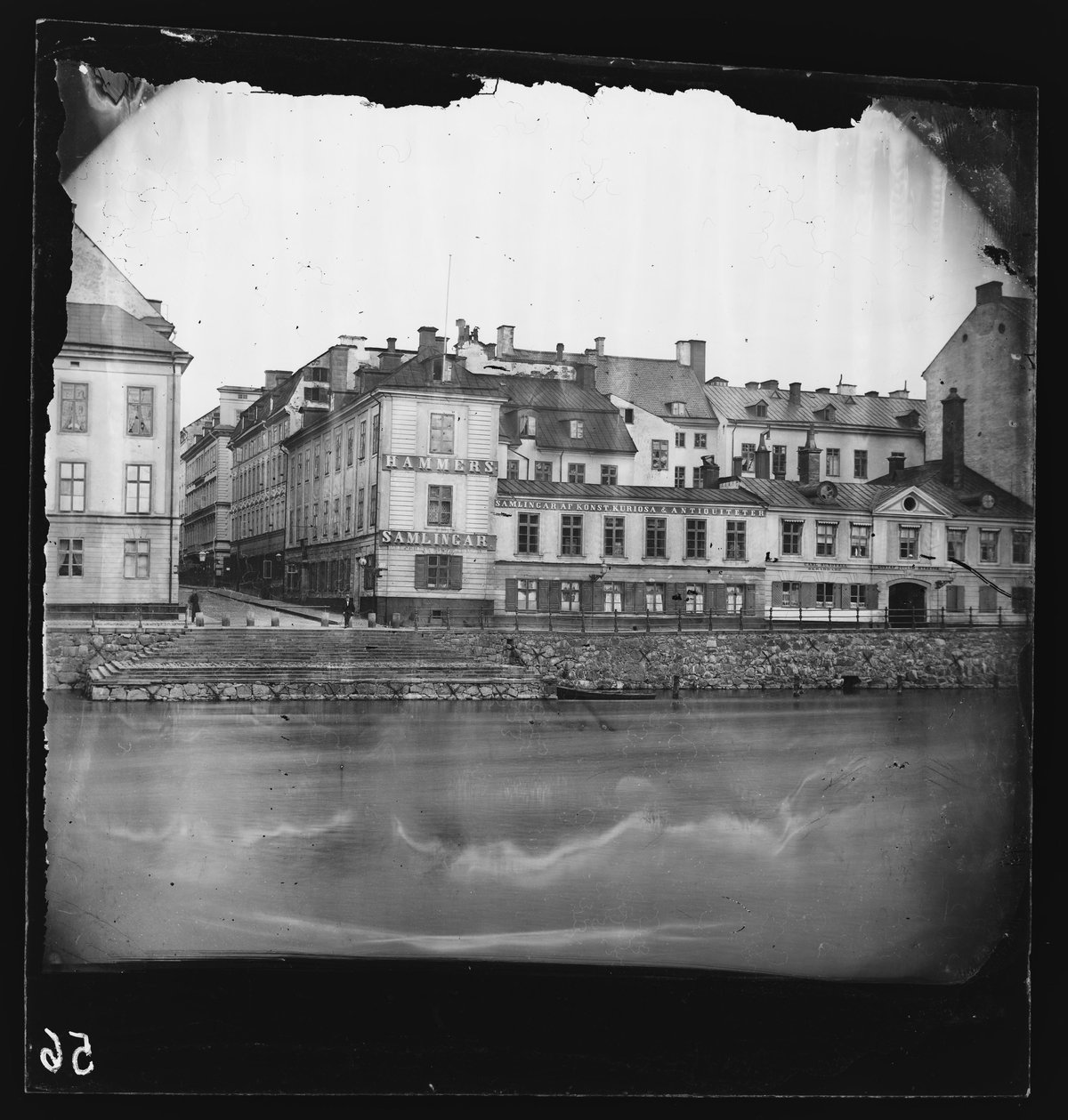
Introduction: The Significance of Riksdagshuset
The Parliament House of Sweden, or Riksdagshuset, stands as a beacon of Swedish democracy and a masterpiece of architectural heritage. Set on the picturesque Helgeandsholmen island in central Stockholm, Riksdagshuset is not just the legislative heart of Sweden but also a symbol of the country's values—transparency, consensus, and inclusivity. Its historic and cultural significance is amplified by its proximity to other Swedish landmarks, such as the Royal Palace and Old Town, making it an essential stop for anyone interested in Sweden’s political history, architecture, or civic life.
Visitors to Riksdagshuset enjoy free guided tours of the debating chambers, historic interiors, and impressive art collections. The building is equipped with modern amenities and accessibility features, ensuring an inclusive experience for all. For the latest visiting hours, tour information, and booking details, consult the official Riksdag website, Visit Stockholm, and Lonely Planet.
Photo Gallery
Explore Parliament House of Sweden (Riksdagshuset) in Pictures
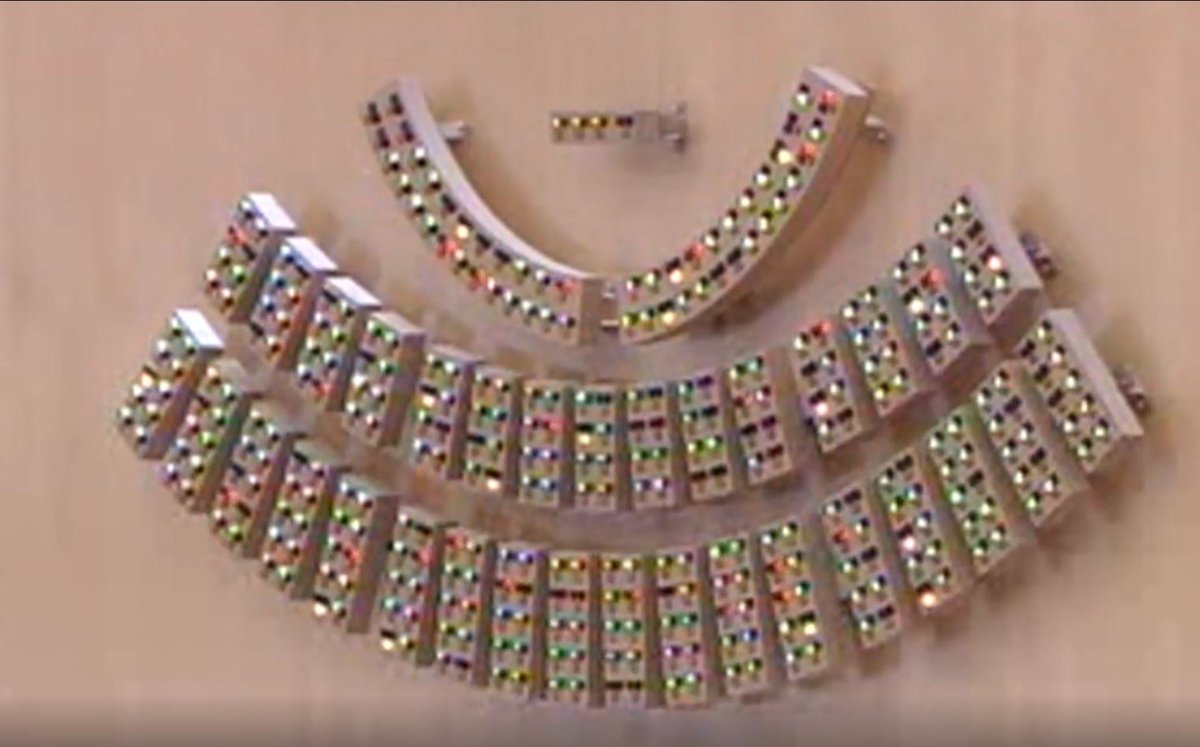
Image of the Swedish Riksdag during the historic vote on April 9, 2009, that legalized same-sex marriage with 261 votes in favor, 22 against, 16 abstentions, and 50 members absent.
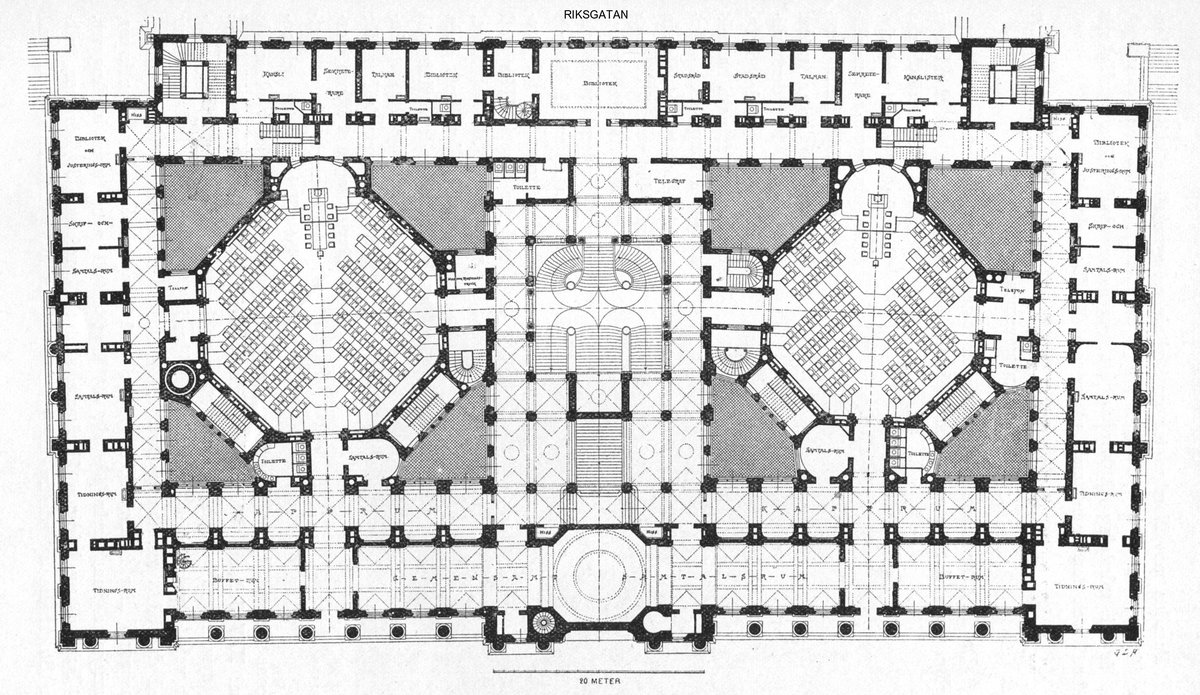
Detailed architectural floor plan of the new Swedish Parliament House (Riksdagshuset) located on Helgeandsholmen island in Stockholm, designed in 1897.
Origins and Historical Evolution
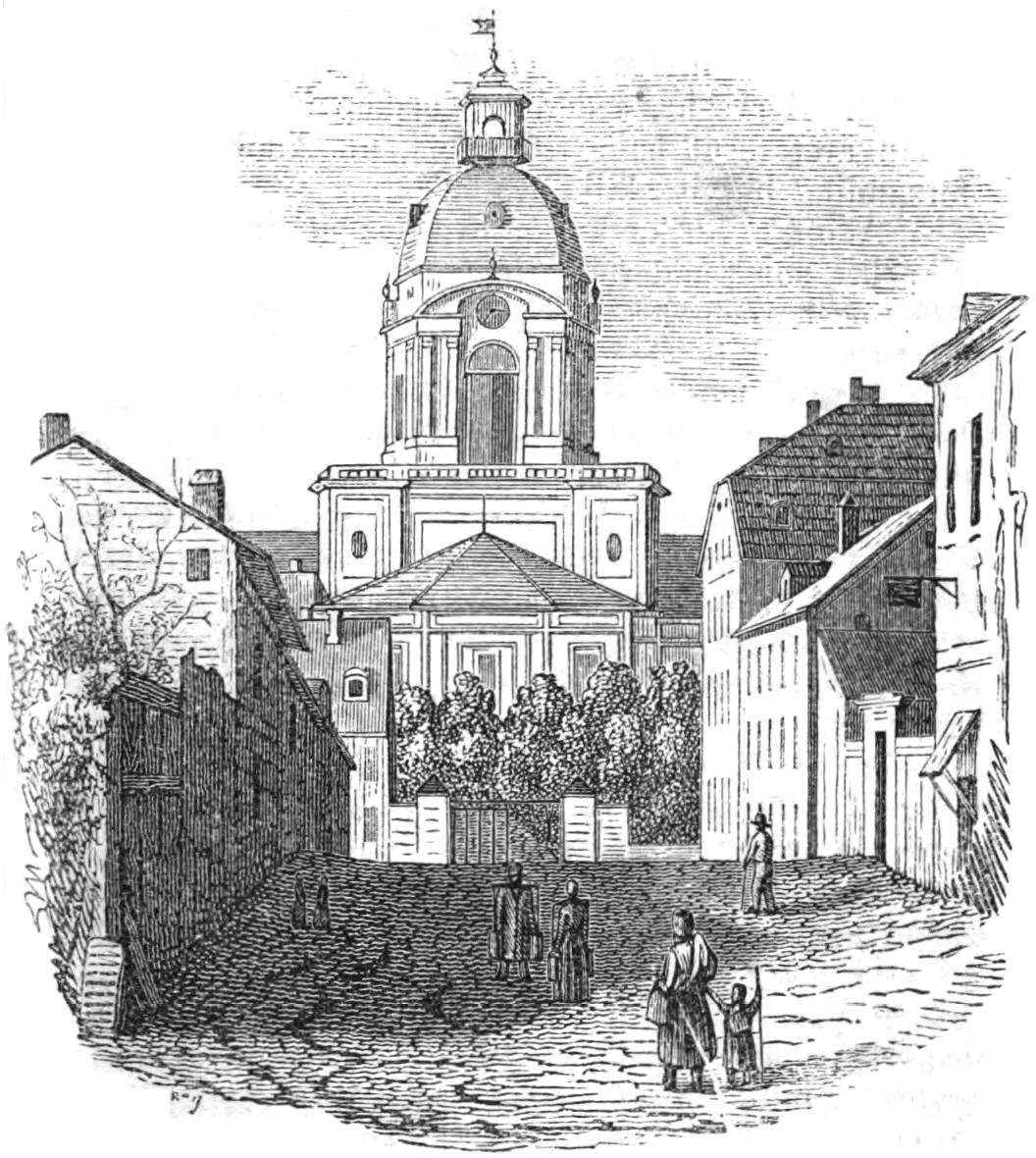
Riksdagshuset’s roots trace back to a medieval sanctuary for the sick and poor, the Helgeandshuset, which influenced both the name and spirit of the location (Riksdag buildings). The current Parliament House, completed in 1905, was designed by Aron Johansson following a national competition. It replaced earlier parliamentary chambers, centralizing legislative power on Helgeandsholmen and marking a pivotal moment in Sweden’s move towards a modern parliamentary system (Routes North).
Major renovations in the late 20th century reflected Sweden’s shift from a bicameral to a unicameral system. The main chamber was expanded, and the East and West Wings were connected above and below ground, demonstrating the building's adaptability (Riksdag buildings).
Architectural Styles and Features
Neo-Baroque and Art Nouveau Influences
Riksdagshuset’s striking neo-Baroque façade, with grand columns and ornate stonework, exudes governmental authority and stability. Inside, Art Nouveau influences are visible in the intricate interior details and naturalistic motifs (Riksdag buildings). The East Wing, originally the parliamentary seat, retains its historic appearance despite periodic renovations.
The West Wing and Chamber
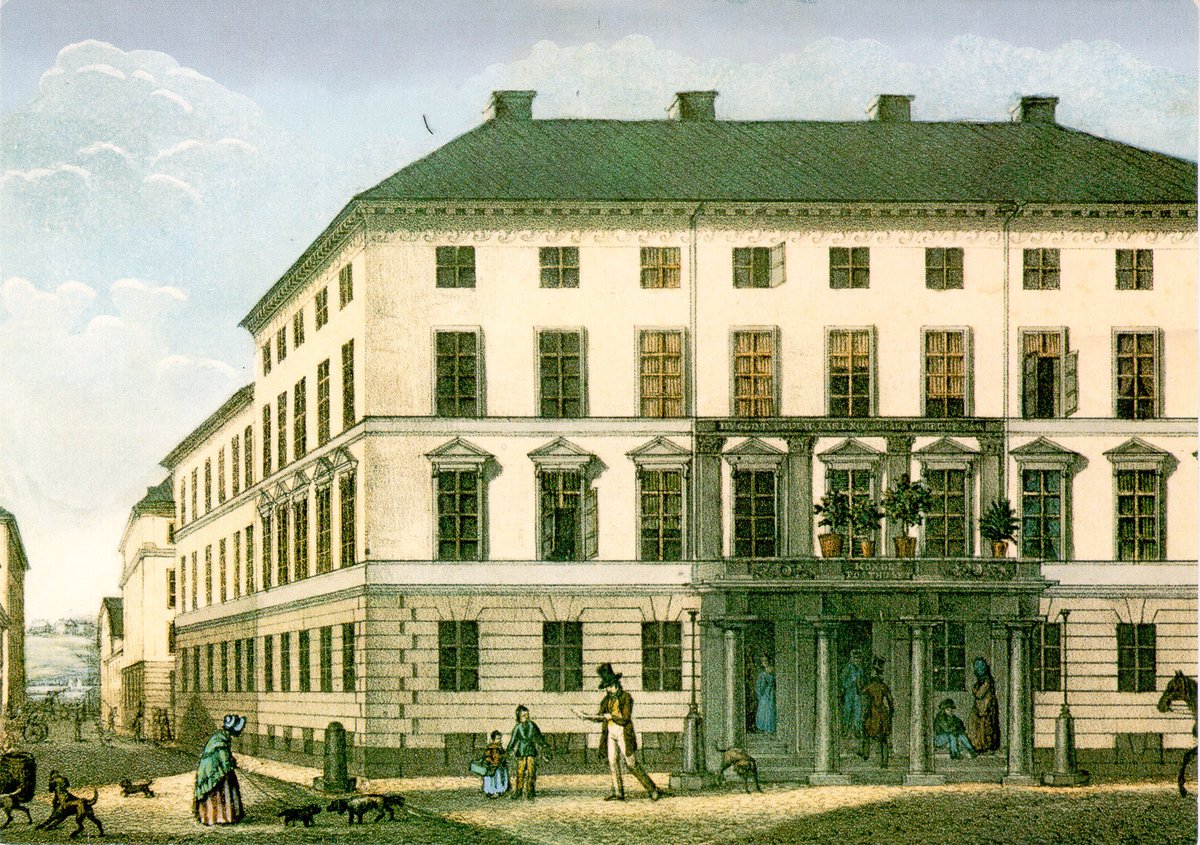
Initially constructed for the Bank of Sweden, the West Wing was incorporated into the parliamentary complex and now houses the main chamber. The chamber’s horseshoe layout encourages dialogue and consensus among the 349 members. The tapestry “Minnet av ett Landskap” (“Memory of a Landscape”) behind the Speaker’s podium is a notable feature, celebrating Swedish landscape and identity (Routes North).
Integration of Old and New
Modern glass passageways connect the East and West Wings, symbolizing transparency in governance. Below ground, corridors traverse archaeological sites, including remnants of Stockholm’s city wall. A green sedum roof on the East Wing reflects Sweden’s commitment to sustainability and urban biodiversity (Riksdag buildings).
Notable Spaces and Artistic Details
The Grand Gallery and Assembly Rooms
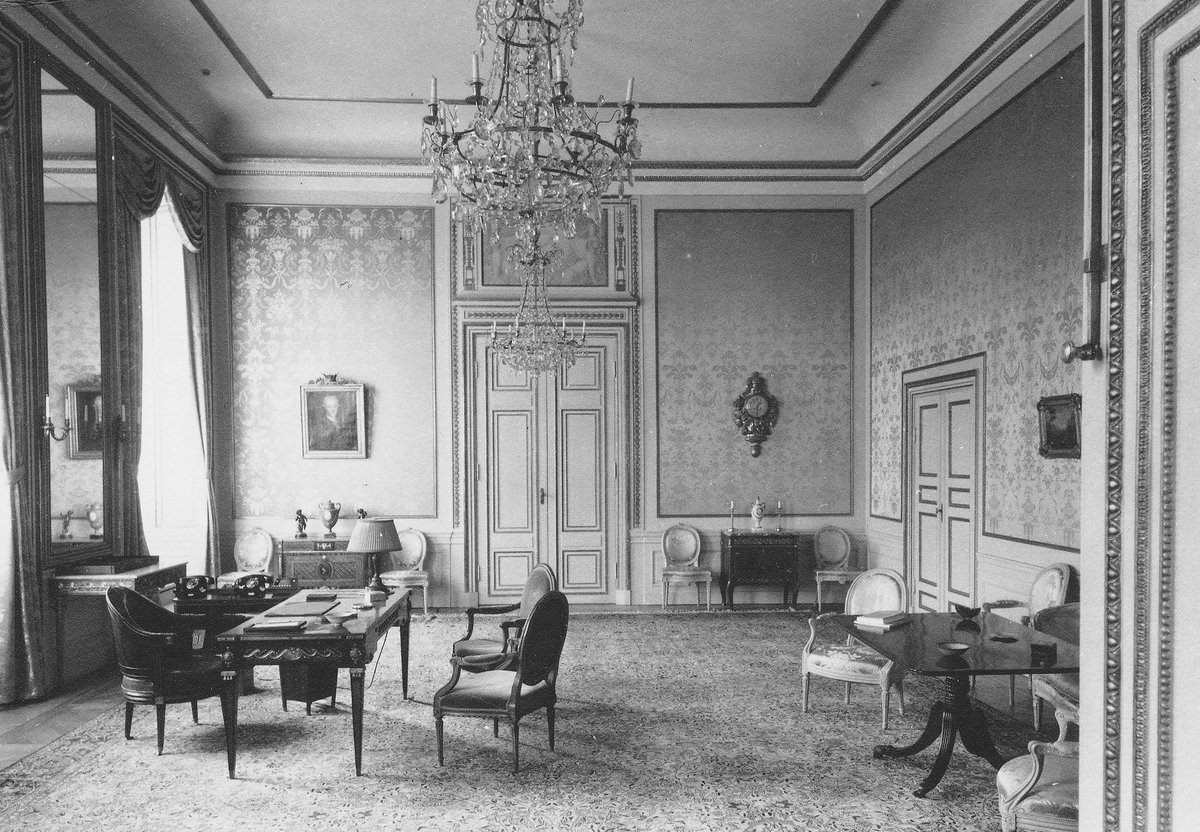
The Grand Gallery is renowned for its crystal chandeliers and brasswork, while the assembly room—once the Bank of Sweden’s governor’s room—now hosts official receptions. Both spaces showcase original 20th-century light fittings and decorative mouldings (Riksdag buildings).
The Riksdag Library
Open to the public and located in Stockholm’s Old Town, the Riksdag Library features interiors by Åke Axelsson and a patterned stone floor by Ulla Viotti. It is both a research hub and an architectural highlight (Riksdag buildings).
Riksdagshuset in Stockholm’s Urban Context
Set at Riksplan, Riksdagshuset is enveloped by iconic structures: the Royal Palace, Prince Royal’s Palace, and the Royal Opera. This placement underscores the Parliament’s role in Sweden’s national story and connects the country’s royal and democratic traditions (Riksdag buildings).
Modernization and Adaptive Use
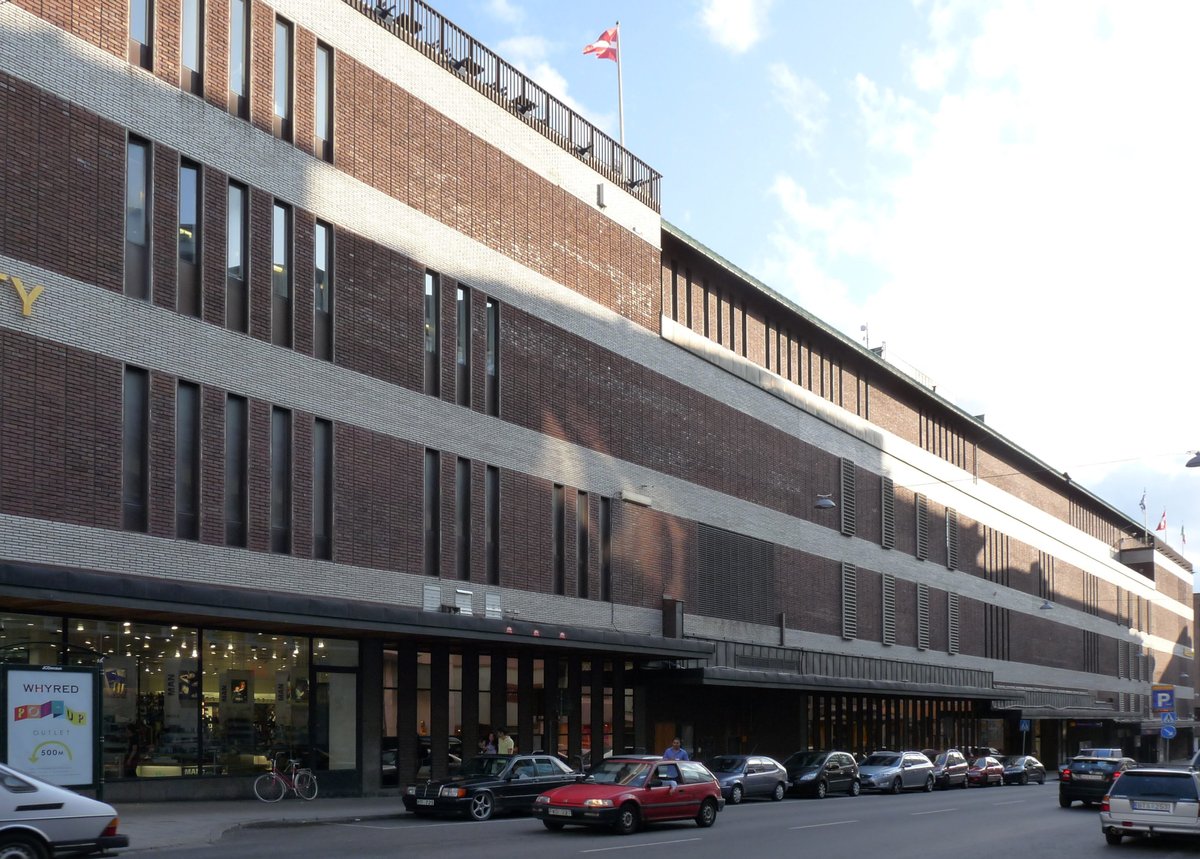
The transition to a unicameral system in 1971 prompted major renovations. Modern infrastructure was integrated to support contemporary parliamentary needs while preserving the historical essence. The Members’ Building at Mynttorget, constructed in 1937, provides offices and meeting spaces, adding to the complex’s functional and architectural depth (Riksdag buildings).
Visiting Riksdagshuset: Practical Information
Visiting Hours and Tickets
- Guided Tours:
- September–June: Saturdays and Sundays, with English tours typically at 1:30 pm.
- Summer (late June–mid-August): Weekdays, self-guided visits from 12:00–16:00.
- Admission: Free for all visitors. Guided tours are free but may require advance booking for groups (Riksdagen.se).
Guided Tours and Accessibility
Guided tours, available in multiple languages, provide insights into Swedish democracy, architecture, and the legislative process. The building is fully accessible, with wheelchair-friendly entrances, elevators, hearing loops, and adapted restrooms.
How to Get There
- Metro: Gamla Stan station is closest.
- Bus: Lines serving Gustav Adolfs Torg.
- On Foot: Easily walkable from Old Town and central districts (A View On Cities; Take Me To Sweden).
Visitor Tips
- Arrive early for security checks.
- Photography is permitted in public areas; restrictions apply in chambers during official sessions.
- Check the official website for the latest event updates and closures.
- Dress respectfully if attending parliamentary sessions.
Frequently Asked Questions (FAQ)
Q: Are there entrance fees for Riksdagshuset?
A: No, entry and guided tours are free.
Q: Is the building accessible for visitors with disabilities?
A: Yes, with ramps, elevators, and accessible facilities.
Q: Can visitors take photographs?
A: Yes, in most public areas, with some restrictions.
Q: How are guided tours booked?
A: Via the official Riksdag website or at the visitor center.
Q: When is it least crowded?
A: Weekday mornings and early afternoons outside parliamentary sessions.
The Role of Riksdagshuset in Swedish Democracy
Riksdagshuset is the operational center of Sweden’s unicameral parliament and a living symbol of democracy, openness, and inclusivity (Lonely Planet). Its architecture echoes Sweden’s evolution from monarchy to parliamentary democracy. The glass-roofed chamber and public galleries reinforce transparency, while the building’s central location visually connects royal and civic life (Travelfeed).
Parliamentary sessions are open to the public, and information desks, post offices, and restaurants within the building encourage civic engagement. Art collections and special events further highlight Riksdagshuset’s cultural role.
Travel Tips and Nearby Attractions
Enhance your visit by exploring:
- Gamla Stan (Old Town): Medieval streets and Stockholm Cathedral.
- The Royal Palace: Royal apartments and museums.
- Nobel Prize Museum: Interactive exhibits.
- Stockholm City Hall: Nobel banquet venue.
- Moderna Museet and Vasa Museum: Art and maritime history.
- Local cafés and restaurants for Swedish fika or traditional meals.
Arrive early, wear comfortable shoes, and use public transportation for convenience.
Summary and Recommendations
Riksdagshuset is a magnificent fusion of history, architecture, and political significance. Its free access, multilingual tours, and comprehensive accessibility features make it an inviting destination for all. Surrounded by Stockholm’s top historical sites, it offers an ideal starting point for exploring the city’s rich cultural landscape.
Before your visit, check the Riksdag website for up-to-date hours and tour details. Enhance your experience with the Audiala app for expert audio guides and interactive maps.
Listen to the full story in the app
Your Personal Curator, in Your Pocket.
Audio guides for 1,100+ cities across 96 countries. History, stories, and local insight — offline ready.
Audiala App
Available on iOS & Android
Join 50k+ Curators
Sources
- verified
- verified
- verified
- verified
- verified
Last reviewed: