Introduction: The Significance of the Olof Palme Memorial in Stockholm
Olof Palme was a transformative figure in Swedish and international politics, renowned for his advocacy of social democracy, peace, and global solidarity. His assassination in 1986 at the intersection of Sveavägen and Tunnelgatan in central Stockholm remains a defining moment in Sweden’s modern history, representing both a national tragedy and a catalyst for reflection on democratic values. The Olof Palme Memorial Plaque, discreetly embedded in the city’s bustling sidewalk, marks the exact location of this tragic event. It stands not as a grand monument, but as an understated emblem of Sweden’s commitment to openness, humility, and remembrance.
This guide offers a comprehensive overview of Olof Palme’s life and legacy, practical details for visiting the memorial and related sites, travel tips, and recommendations for nearby attractions. Whether you are a history buff, a cultural traveler, or simply curious about Sweden’s political landscape, this resource will help you plan a meaningful visit to one of Stockholm’s most poignant historical sites. For in-depth biographical details, see Britannica, and for walking tour suggestions, visit Nomad Epicureans.
Photo Gallery
Explore Olof Palme in Pictures
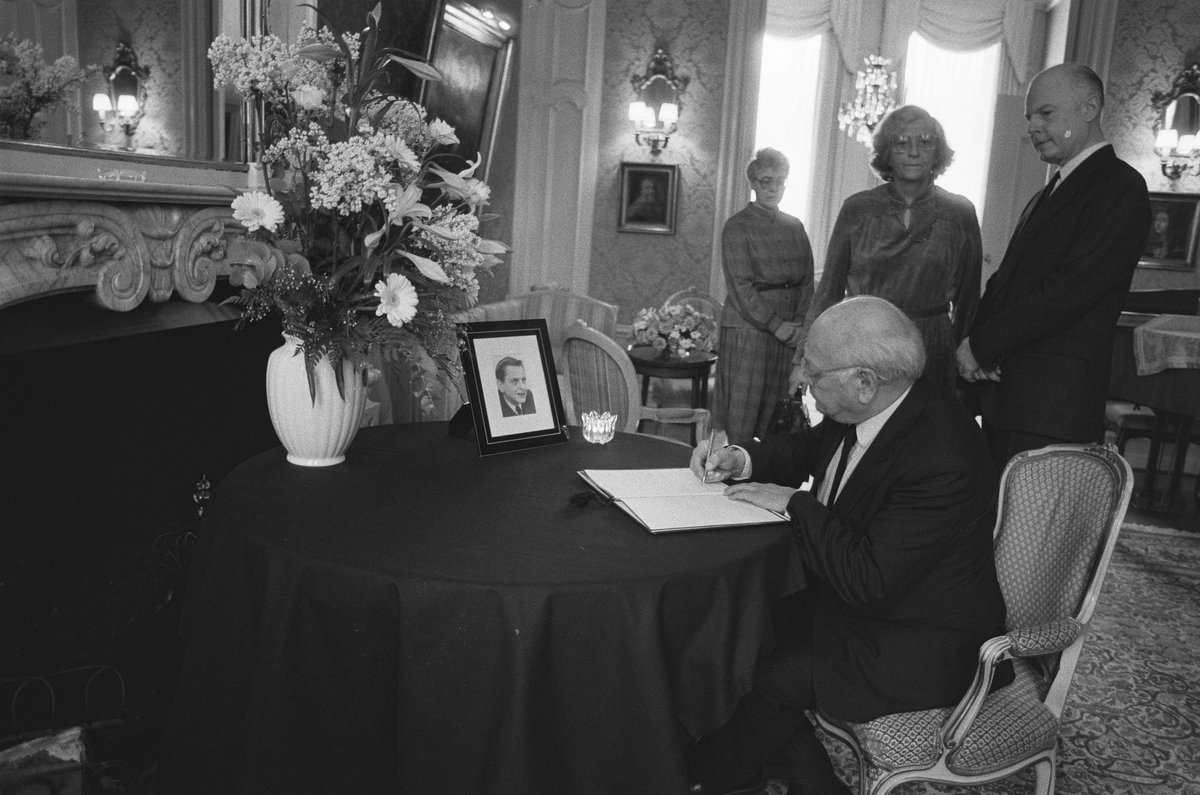
Black and white photo of Joop den Uyl and his wife signing condolence register at the Swedish Embassy in The Hague on March 3, 1986, with Swedish Ambassador Hans Danelius present. From Anefo photo collection, related to Swedish Premier Olaf Palme's condolence.
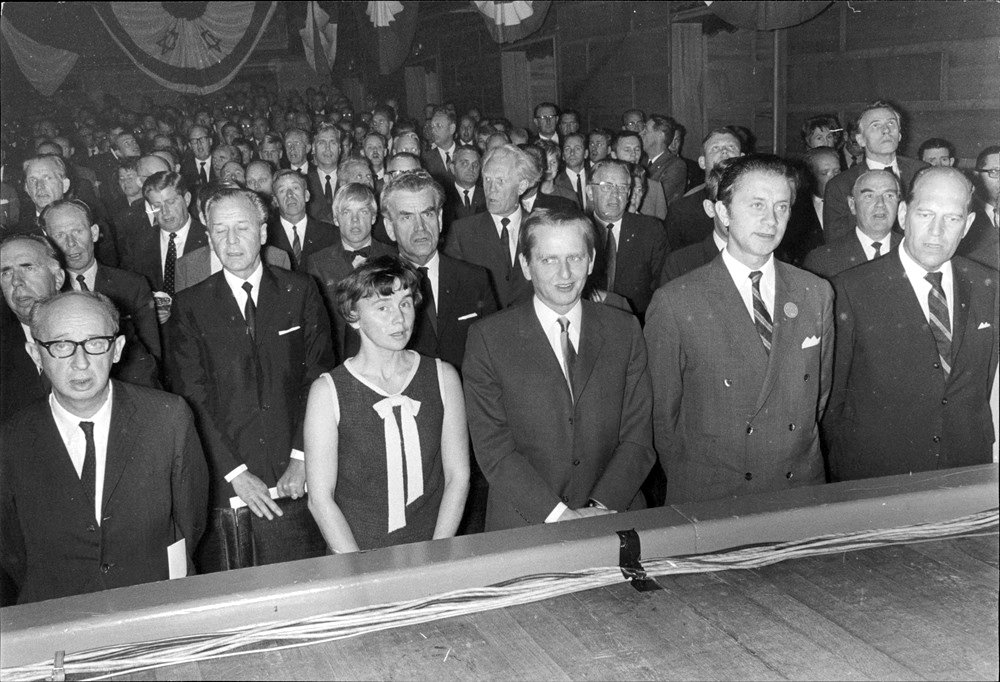
Historic photo of Hjalmar Mehr, Sven Aspling, Lisbeth Palme, Olof Palme, Sten Andersson and Essen Lindahl singing the song Arbetets söner unison at the opening of the Social Democratic party congress held in Stockholm Concert Hall in 1969, marked by Tage Erlander's farewell speech.
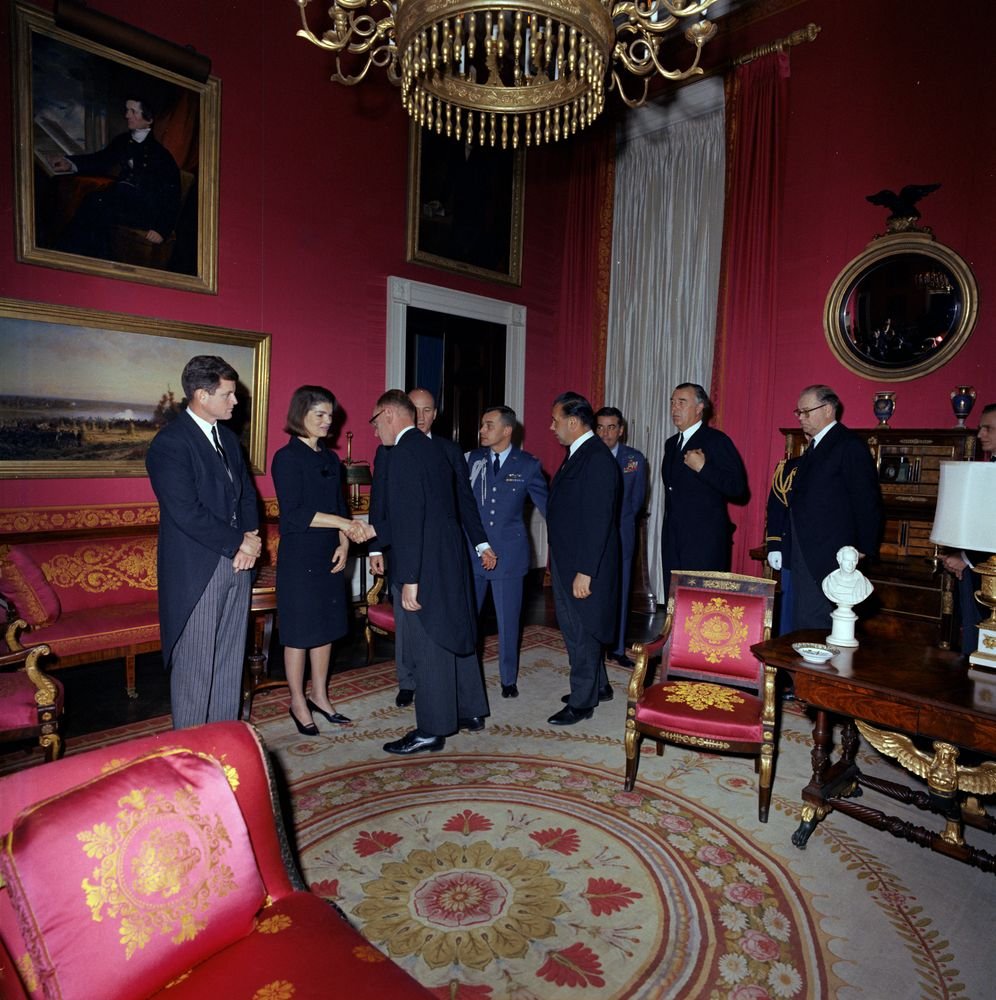
Jacqueline Kennedy and Senator Edward M. Kennedy greet guests during a White House reception after President John F. Kennedy's state funeral, including Jiří Hájek, Permanent Representative to the UN from Czechoslovakia, and other notable dignitaries, in the White House Red Room, Washington, D.C.
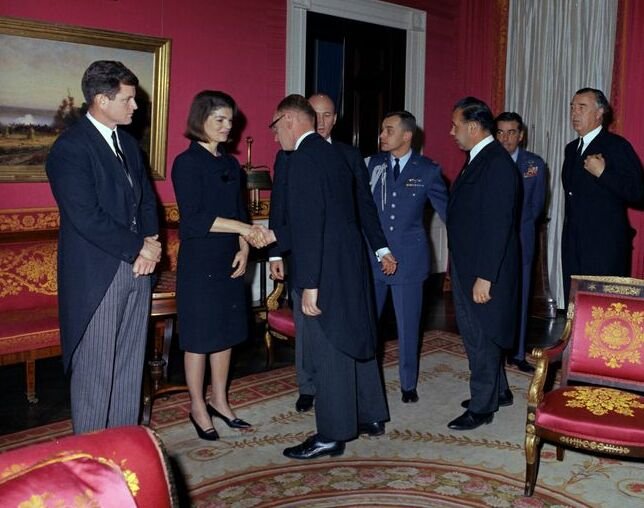
Jacqueline Kennedy and Senator Edward M. Kennedy greet guests during a White House reception after President John F. Kennedy's state funeral, including shaking hands with Jiří Hájek, Czechoslovakia UN Representative, in the Red Room. Notable attendees include Czechoslovak Ambassador Dr. Karel Duda,
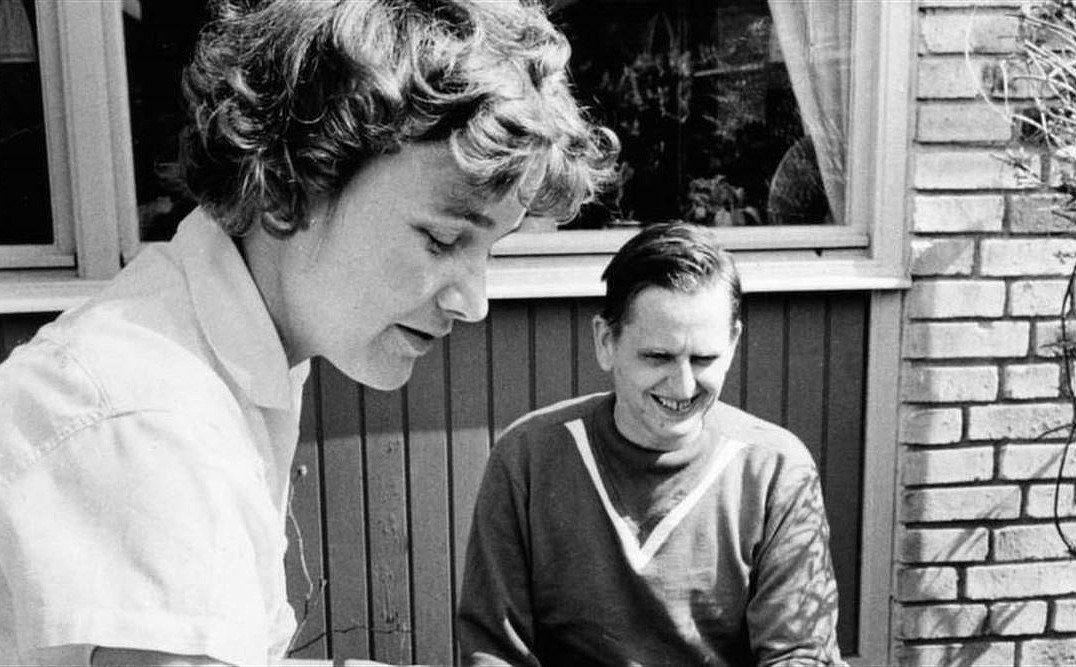
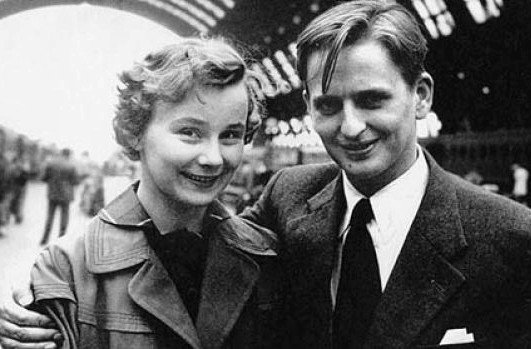
Historical photo of Lisbet and Olof Palme standing outside their townhouse on Tornedalsgatan street in Vällingby, taken in 1956.
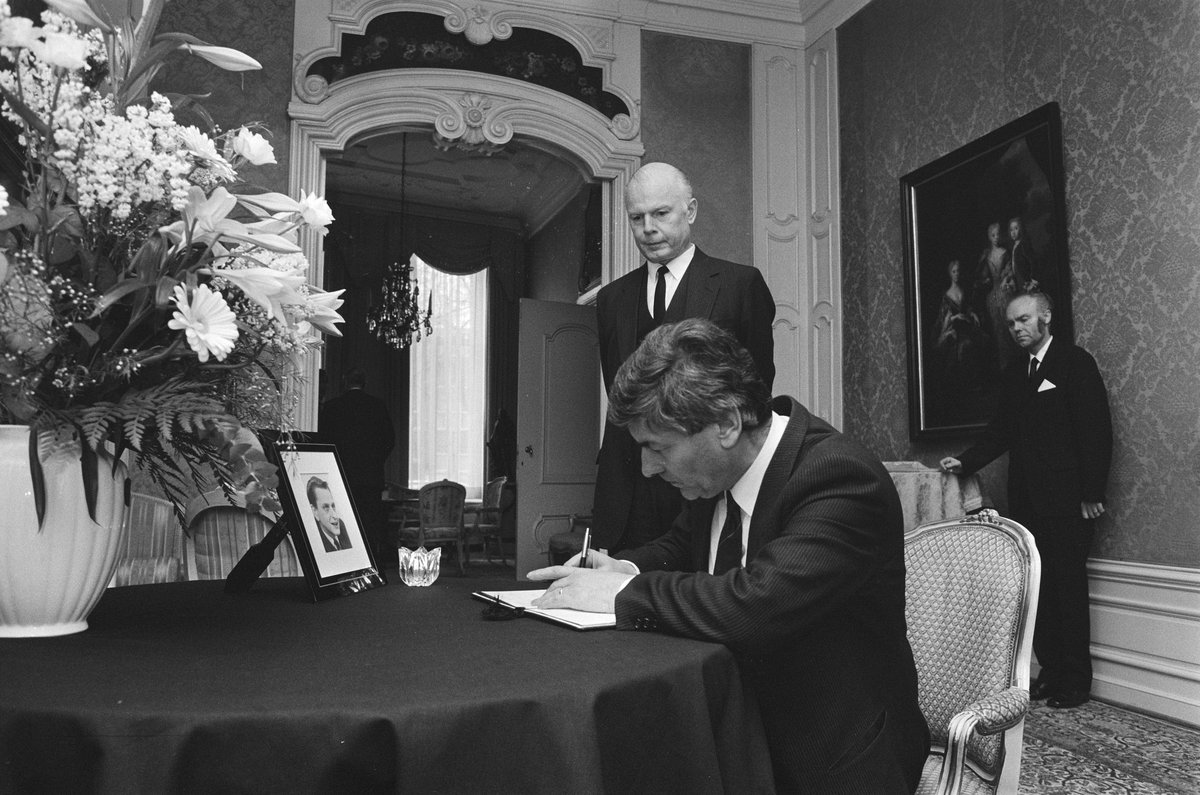
Historic black and white photo of Dutch Prime Minister Ruud Lubbers signing the condolence register for assassinated Swedish Prime Minister Olof Palme on March 4, 1986, in The Hague. Swedish Ambassador Danelius stands behind him. Captured by Rob C. Croes for Anefo, archived by Nationaal Archief.
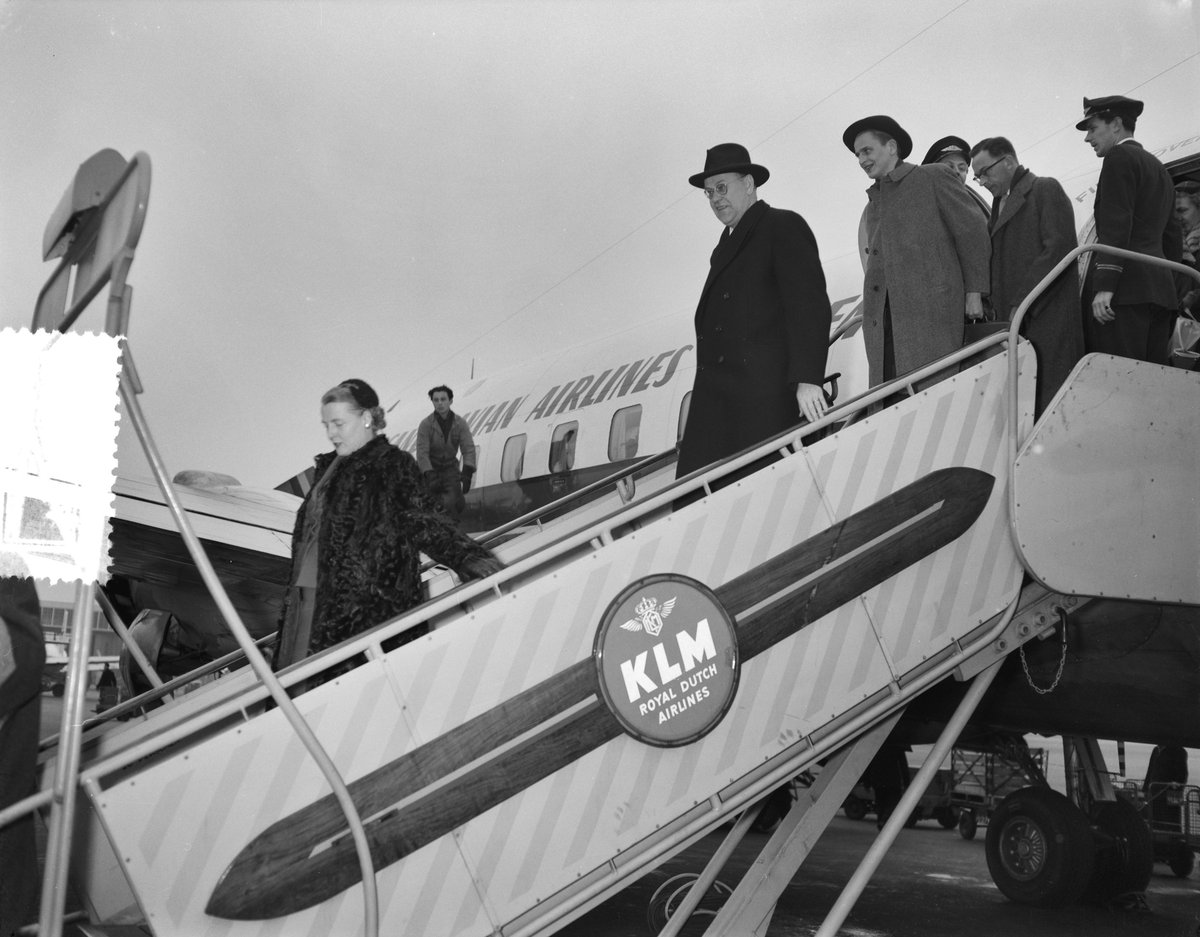
Black and white photo of Swedish Prime Minister Tage Erlander at Schiphol Airport on March 6, 1957, with Olof Palme walking behind him, taken by Wim van Rossem. Archival image from Nationaal Archief.

Black and white photo of Swedish Prime Minister Tage Erlander at Schiphol Airport on March 6, 1957. He is joined by Olof Palme and Alfred Mozer during a press conference. Photographed by Wim van Rossem, part of the Anefo photo collection, held by the Nationaal Archief.
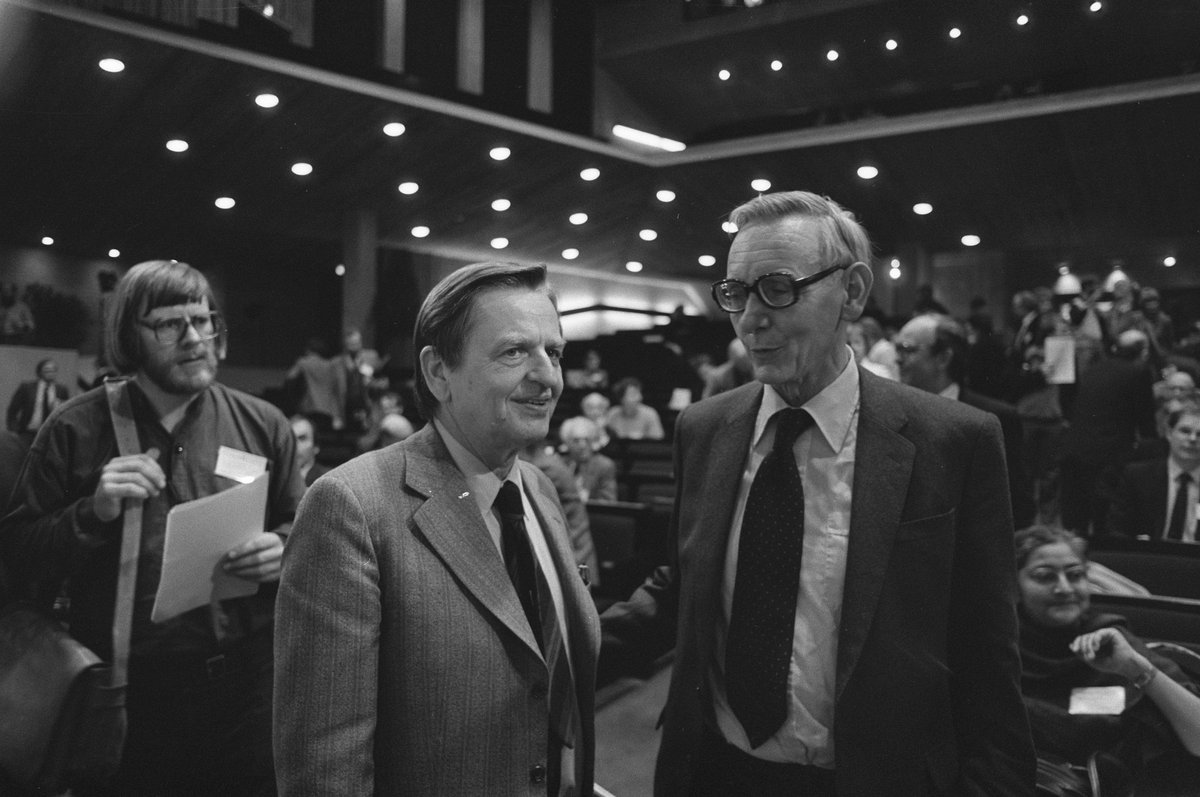
Black and white photo showing Minister Max van der Stoel (PvdA, Foreign Affairs) and Olof Palme, ex-premier of Sweden and chairman of the Independent Commission on Disarmament and Security Issues, at a public hearing organized by the World Council of Churches in the VU, Amsterdam, on November 23, 19
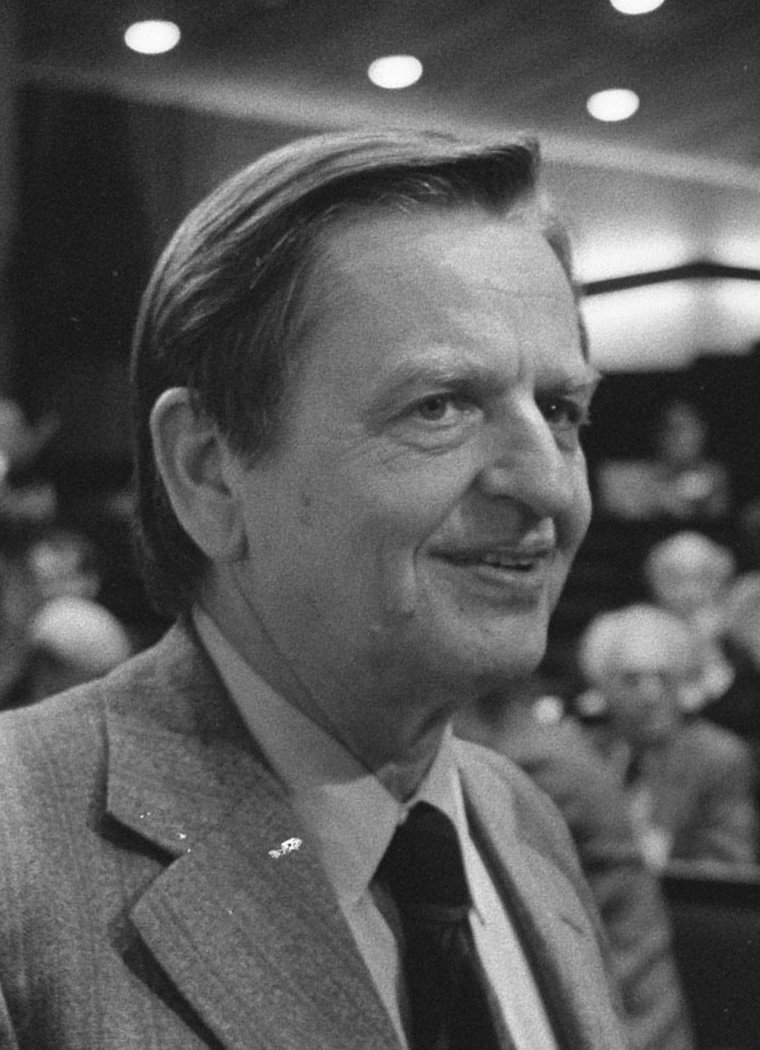
Black and white photo from November 23, 1981 showing Minister Max van der Stoel of Dutch Foreign Affairs (PvdA) with former Swedish Prime Minister Olof Palme at a public hearing about nuclear weapons and disarmament organized by the World Council of Churches in Amsterdam.
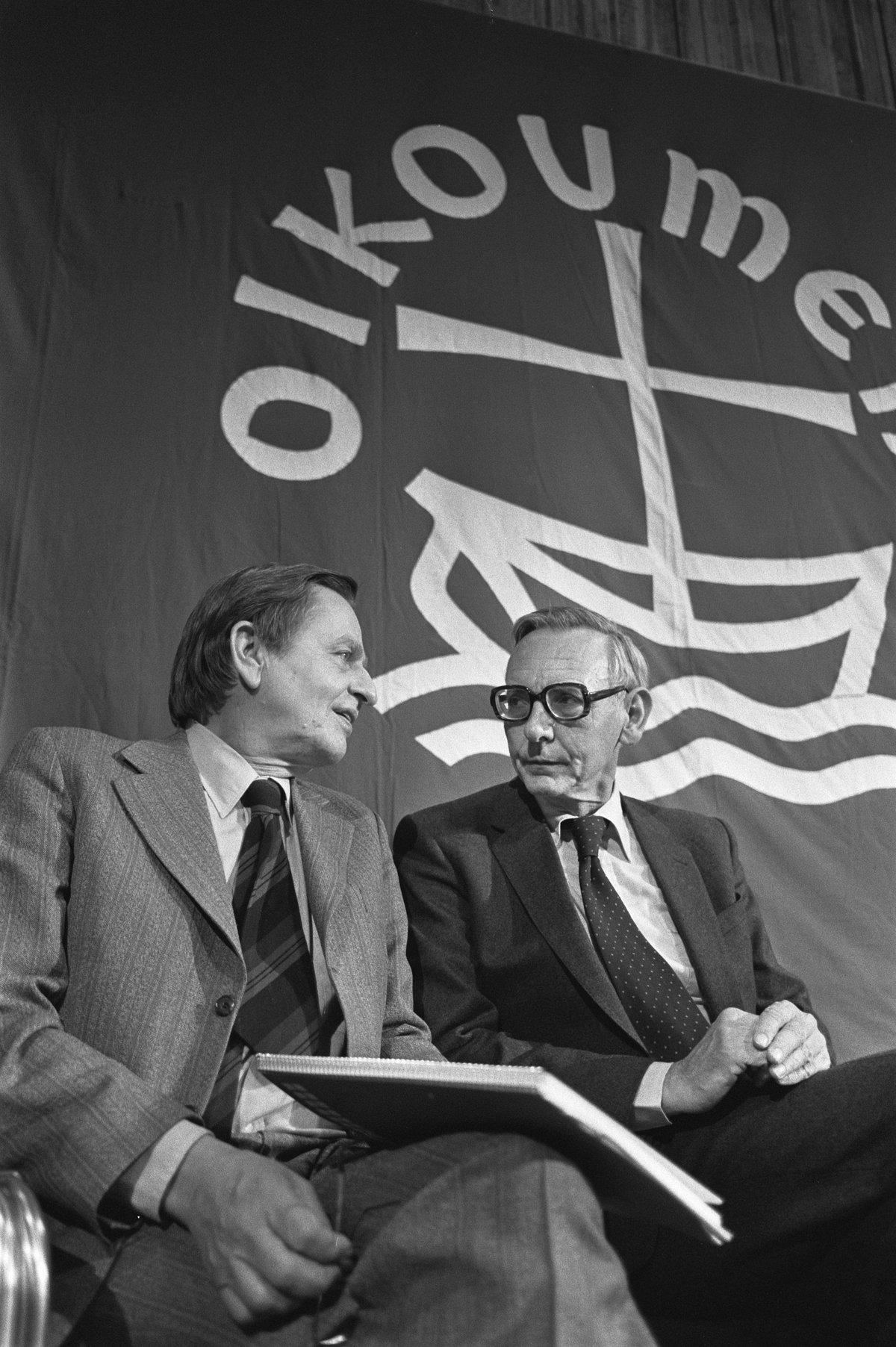
Black and white photo of Minister Van der Stoel (Foreign Affairs) and Olof Palme at a public hearing on nuclear weapons and disarmament organized by the World Council of Churches in Amsterdam on November 23, 1981.

Historical photo of The Social Democrats featuring Olof Palme, Prime Minister Tage Erlander, Sten Andersson, and Ingvar Carlsson taken in 1968
Olof Palme: Life, Political Career, and Legacy
Early Life and Education
Born in Stockholm in 1927 to a prominent family, Olof Palme’s upbringing and education—both in Sweden and at Kenyon College in the United States—shaped his progressive worldview (Britannica). After earning his law degree from Stockholm University, Palme entered politics through the Swedish Social Democratic Workers’ Party (SAP), quickly rising through the ranks via his intellect, international outlook, and commitment to social justice.
Political Rise
Palme began as a secretary to Prime Minister Tage Erlander in the 1950s, entered the parliament in 1958, and, by 1969, became Sweden’s Prime Minister. His leadership was marked by sweeping social reforms, advocacy for gender equality, and expansion of the welfare state.
International Stature
Globally, Palme was known for his principled stances on issues such as opposition to the Vietnam War, support for anti-apartheid movements, and leadership in nuclear disarmament. Despite controversy—such as granting asylum to U.S. Army deserters and openly criticizing superpower policies—he was respected for his integrity and commitment to peace (Britannica).
Return to Office and Lasting Impact
After a brief period out of office, Palme returned as Prime Minister in 1982, striving to reassert Sweden’s social democratic values during the turbulent Cold War era.
The Assassination: Impact and Aftermath
On the night of February 28, 1986, Palme was fatally shot while walking home with his wife after a cinema visit. The site, now marked by the Olof Palme Memorial Plaque, became a focal point for national mourning and reflection (Nomad Epicureans).
The murder shocked the world, leading to Sweden’s largest-ever police investigation. Although Christer Pettersson was initially convicted, his acquittal and the later identification of Stig Engström as a likely perpetrator left the case unresolved (Britannica). The mystery surrounding Palme’s death continues to fuel debate and inquiry (European Conservative).
Historical and Cultural Significance
Palme’s assassination marked the end of an era in Swedish politics, shattering the country’s sense of safety and prompting a reevaluation of openness in public life. The memorial plaque is more than a crime marker; it is a symbol of Sweden’s enduring commitment to democracy, transparency, and peace (Atlas Obscura; Wikipedia). The Olof Palme Foundation continues to honor his memory by awarding the annual Olof Palme Prize for contributions to peace and human rights (Palmefonden).
Visiting the Olof Palme Memorial Plaque
Location and Physical Description
The Olof Palme Memorial Plaque is set into the pavement at the intersection of Sveavägen and Tunnelgatan, just outside Urban Deli at Sveavägen 44, in central Stockholm (Tripadvisor). The plaque is a modest bronze rectangle, approximately 40 x 60 cm, with the inscription:
"På denna plats mördades Sveriges statsminister Olof Palme den 28 februari 1986"
("On this spot, the Prime Minister of Sweden, Olof Palme, was murdered on February 28, 1986.")
The design’s simplicity underscores the gravity of the event and the Swedish ethos of humility (Tripadvisor).
Visiting Hours and Ticket Information
- Hours: The memorial is outdoors and accessible 24/7, year-round.
- Tickets: No ticket or entrance fee is required.
Accessibility and Visitor Tips
- Accessibility: The plaque is flush with the sidewalk and wheelchair accessible. However, the area is a busy urban intersection; exercise caution during peak hours.
- Best Time to Visit: Early morning or late evening for reflection; daytime hours provide optimal visibility.
- Etiquette: Maintain a respectful demeanor. Flowers and candles may be left, especially on anniversaries.
- Photography: Discreet photography is allowed.
- Duration: Most visitors spend 5–15 minutes at the site, often combining it with a visit to Adolf Fredrik Church, a few blocks away.
Additional Sites of Interest
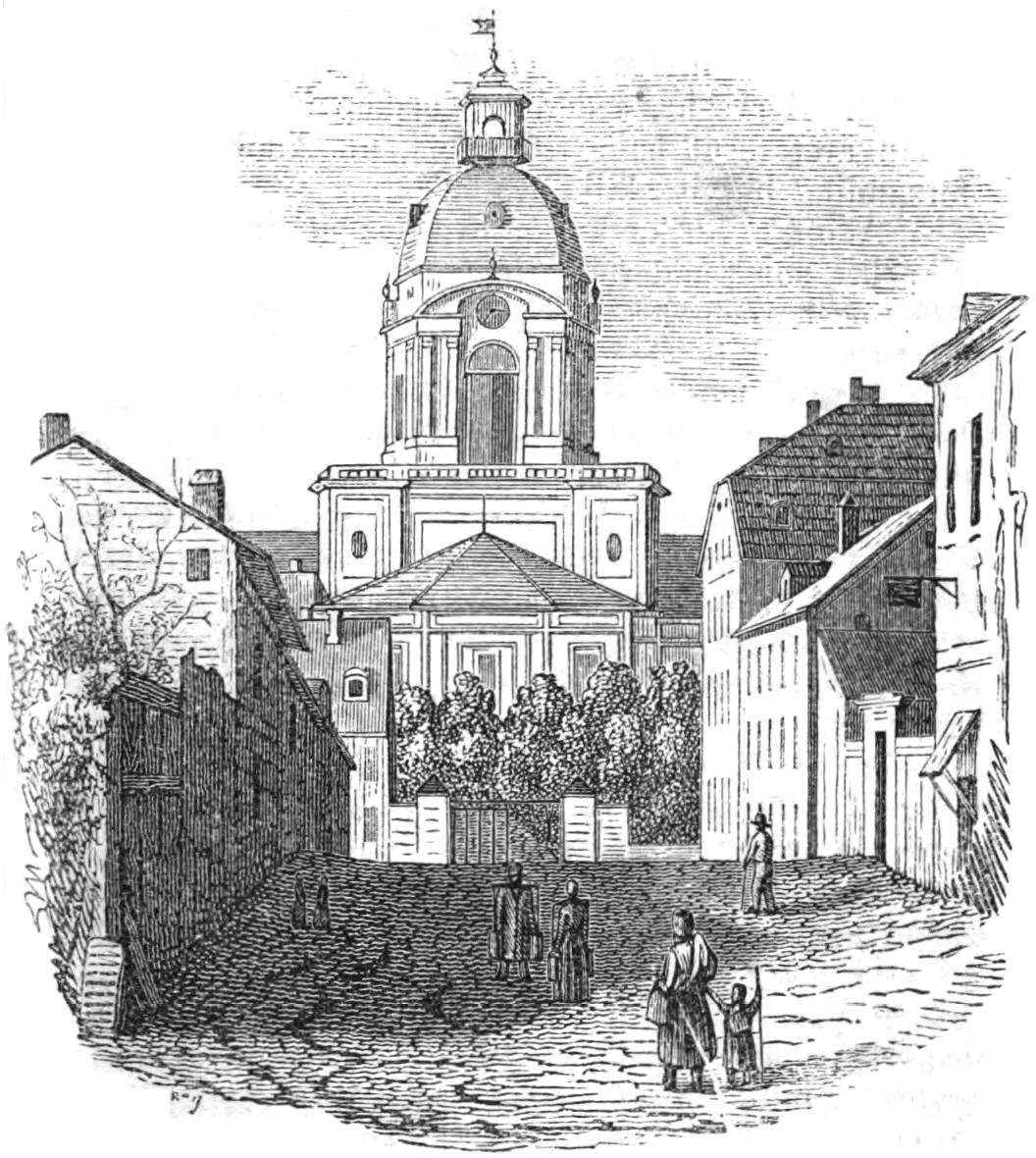
- Adolf Fredrik Church and Cemetery: Palme’s burial place, open to visitors and accessible (check church hours in advance).
- Grand Cinema (Grand Bio): The theater Palme visited on the night of his death.
- Olof Palmes Gata: The nearby street renamed in his honor.
These locations are often included in self-guided or organized walking tours (Nomad Epicureans), which provide historical context and personal stories about Palme’s life and legacy.
Practical Travel Tips
- Getting There: Easily reached via metro (Hötorget or T-Centralen stations), bus, or on foot from Stockholm Central Station.
- Facilities: No dedicated facilities at the memorial, but nearby cafés and shops offer amenities.
- Weather: Dress seasonally; winters may require sturdy footwear for icy streets.
- Cashless Payments: Most Stockholm establishments are cash-free (Time Out Stockholm).
- Public Transport: The SL app is recommended for real-time transit updates.
Frequently Asked Questions (FAQ)
Where is the Olof Palme Memorial located?
At the corner of Sveavägen and Tunnelgatan, Stockholm.
What are the visiting hours?
Open 24/7, year-round.
Is there an entry fee or ticket required?
No, the memorial is free to visit.
Is the site wheelchair accessible?
Yes, the sidewalk is accessible; however, the area can be crowded.
Are guided tours available?
Yes, several Stockholm walking tours include the memorial; check local providers or Tripadvisor.
Can I take photographs?
Yes, but please be respectful of the site and other visitors.
Visual Guide

Alt text: Olof Palme Memorial Plaque embedded in the sidewalk at Sveavägen and Tunnelgatan
Summary and Final Visitor Advice
A visit to the Olof Palme Memorial Plaque in Stockholm offers a profound encounter with Sweden’s political history and civic ideals. The memorial’s simplicity and accessibility reflect the nation’s values, while its location at the heart of the city ensures that Palme’s legacy remains woven into daily life. Combine your visit with nearby sites like Adolf Fredrik Church for a deeper historical experience, and consider using interactive maps or audio guides—such as those available via the Audiala app—to enhance your understanding.
All sites are free, open year-round, and accessible to all visitors, making Stockholm’s historical landscape both inviting and educational. For further details, consult official tourism resources and the dedicated websites linked above.
Sources and Further Reading
- Visiting Olof Palme Sites in Stockholm: History, Memorials, Visiting Hours, and Visitor Tips, 2025, Nomad Epicureans (Nomad Epicureans)
- Visiting the Olof Palme Memorial Plaque in Stockholm: Hours, Location, and Historical Significance, 2025, Tripadvisor (Tripadvisor)
- Britannica Biography of Olof Palme, 2025, Britannica (Britannica)
- Visiting the Olof Palme Memorial in Stockholm: Hours, Tickets, and Historical Significance, 2025, Atlas Obscura (Atlas Obscura)
- Palmefonden Official Website, 2025, Olof Palme Foundation (Palmefonden)
- Visiting the Olof Palme Memorial: History, Visitor Tips & Nearby Attractions, 2025, Paradox Museum Stockholm (Paradox Museum Stockholm)
Listen to the full story in the app
Your Personal Curator, in Your Pocket.
Audio guides for 1,100+ cities across 96 countries. History, stories, and local insight — offline ready.
Audiala App
Available on iOS & Android
Join 50k+ Curators
Sources
- verified
- verified
- verified
- verified
- verified
- verified
- verified
Last reviewed: