Introduction
At the heart of Stockholm’s bustling Central Station stands the Nils Ericson Statue—a tribute to one of Sweden’s most influential engineers and a symbol of the nation's industrial growth. This guide explores the remarkable legacy of Nils Ericson, the artistic and historical significance of the statue, and provides comprehensive visitor information including access, hours, tickets, accessibility, and nearby attractions. Whether you are a history enthusiast, admirer of public art, or a traveler seeking to experience Stockholm’s heritage, this guide will help you make the most of your visit (Stockholm City Museum, RailTarget, Aroundus.com, Evendo).
Photo Gallery
Explore Nils Ericson in Pictures
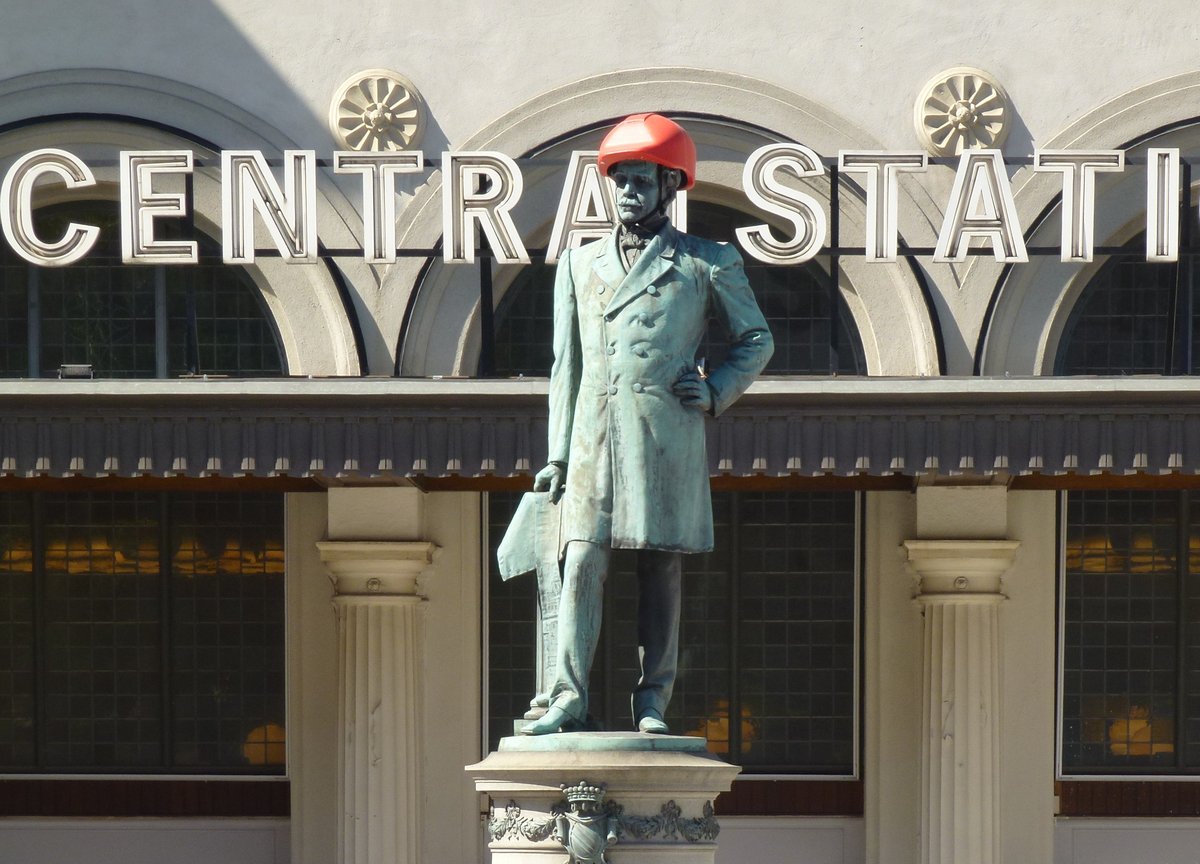
Construction site of Citybanan railway tunnel in Stockholm with workers strictly following helmet safety regulations during building activities.
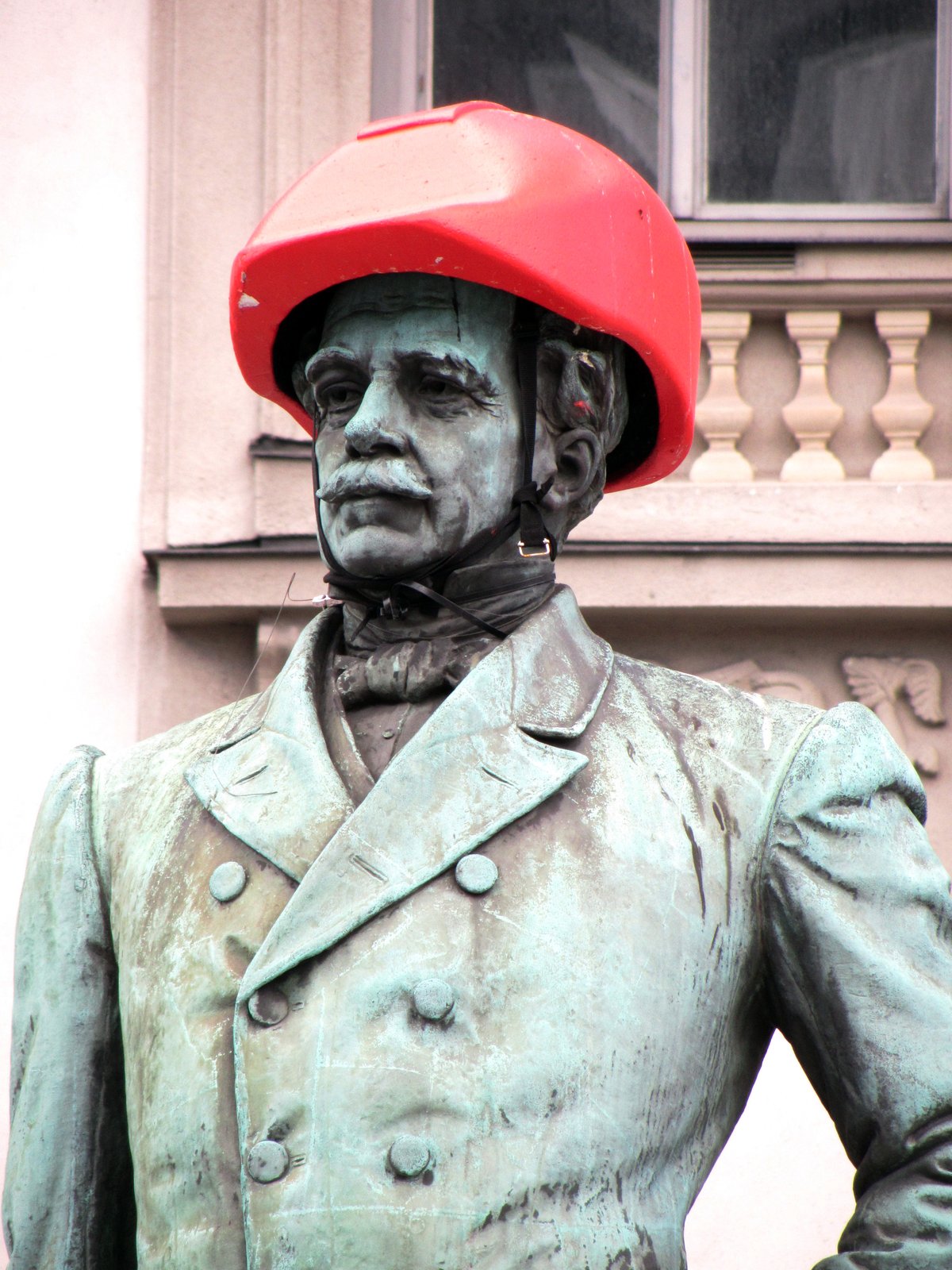
Photo showing a worker wearing a helmet during the Citybanan construction in Stockholm, highlighting strict helmet safety regulations.
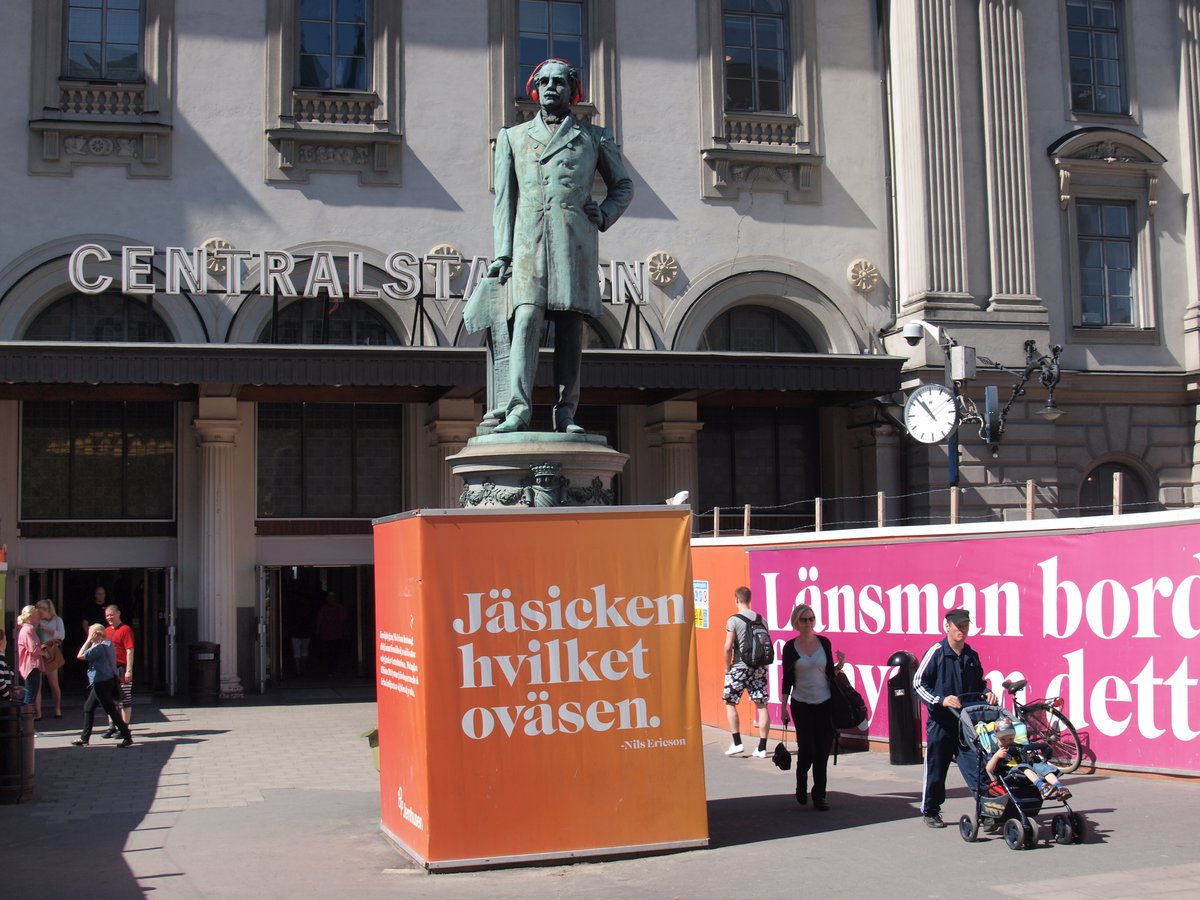
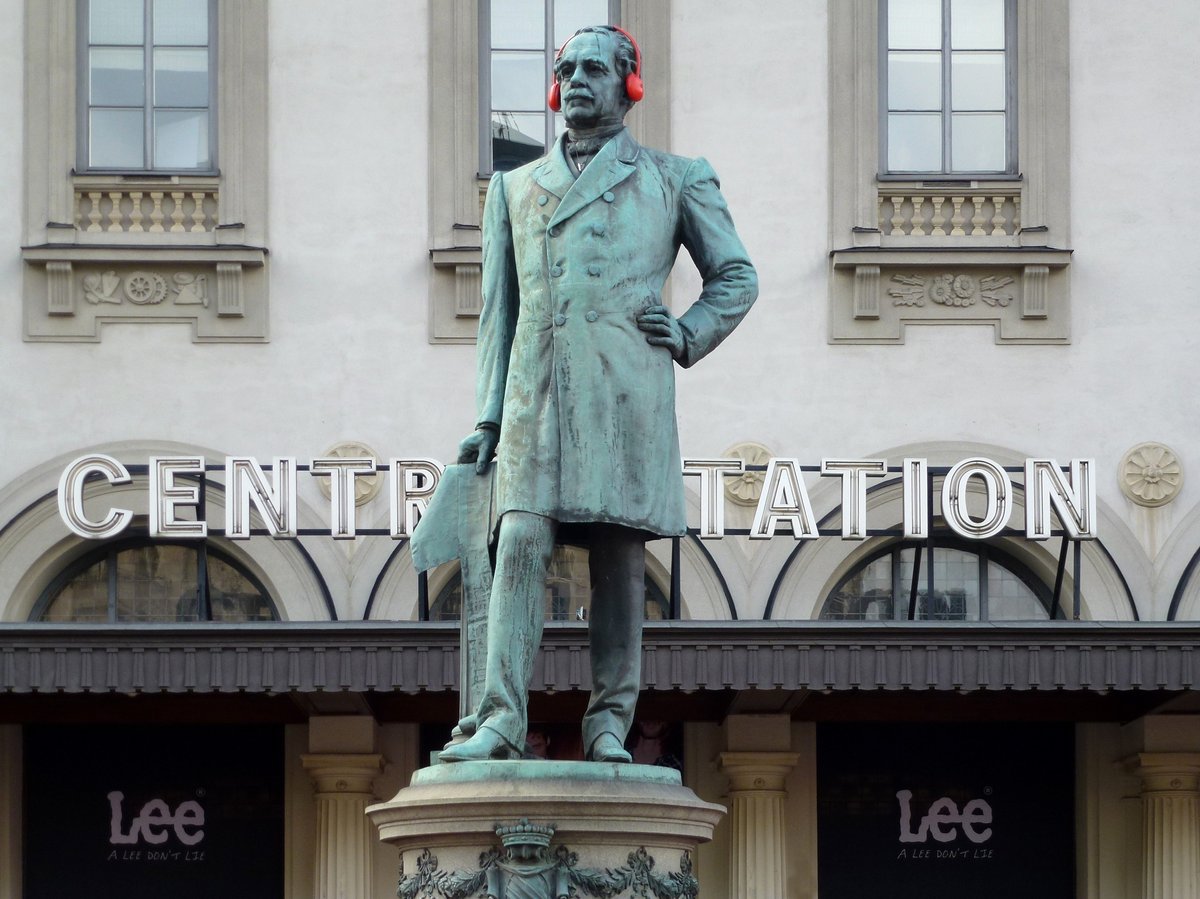
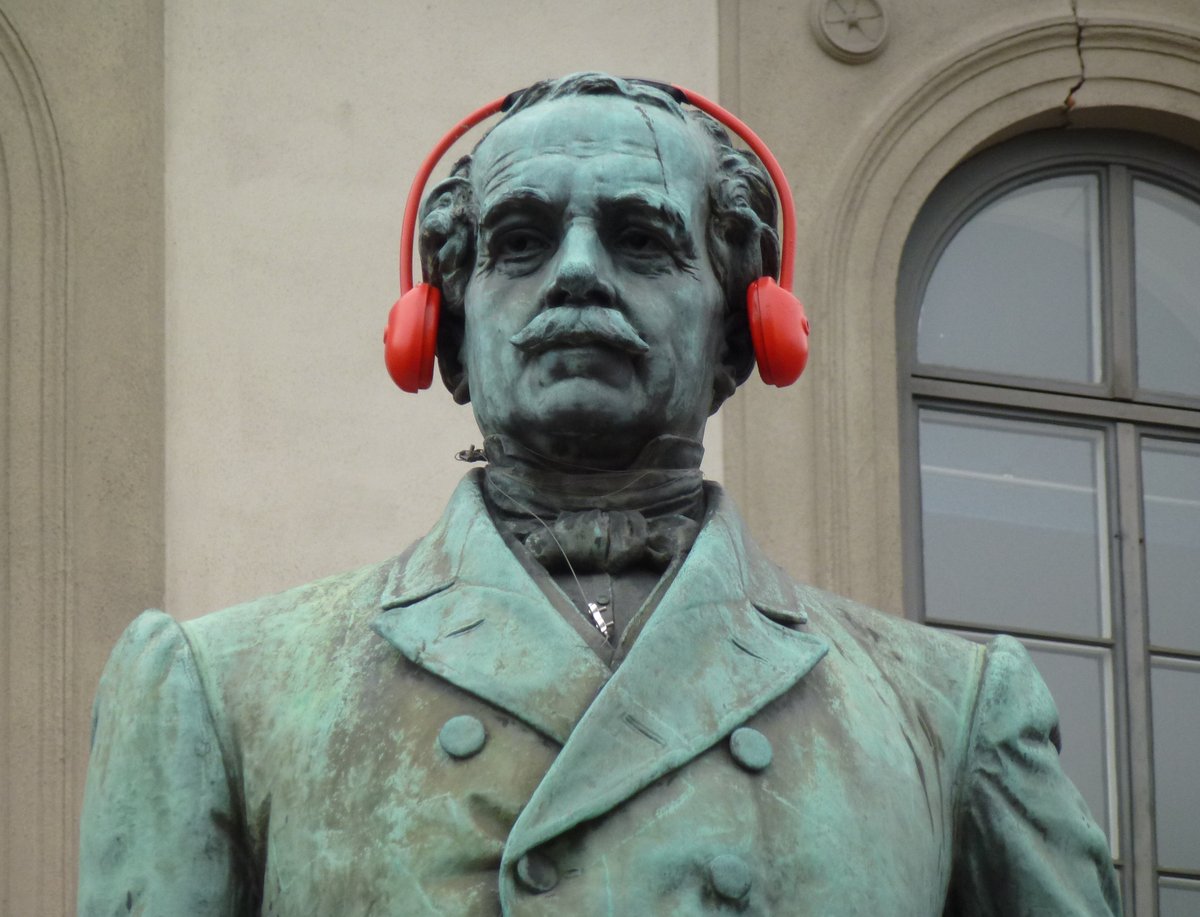
The statue of Nils Ericson in front of Stockholm railway station is shown wearing earmuffs, accompanied by a quote saying 'Oh my gosh what a noise.' reflecting humor about sound.
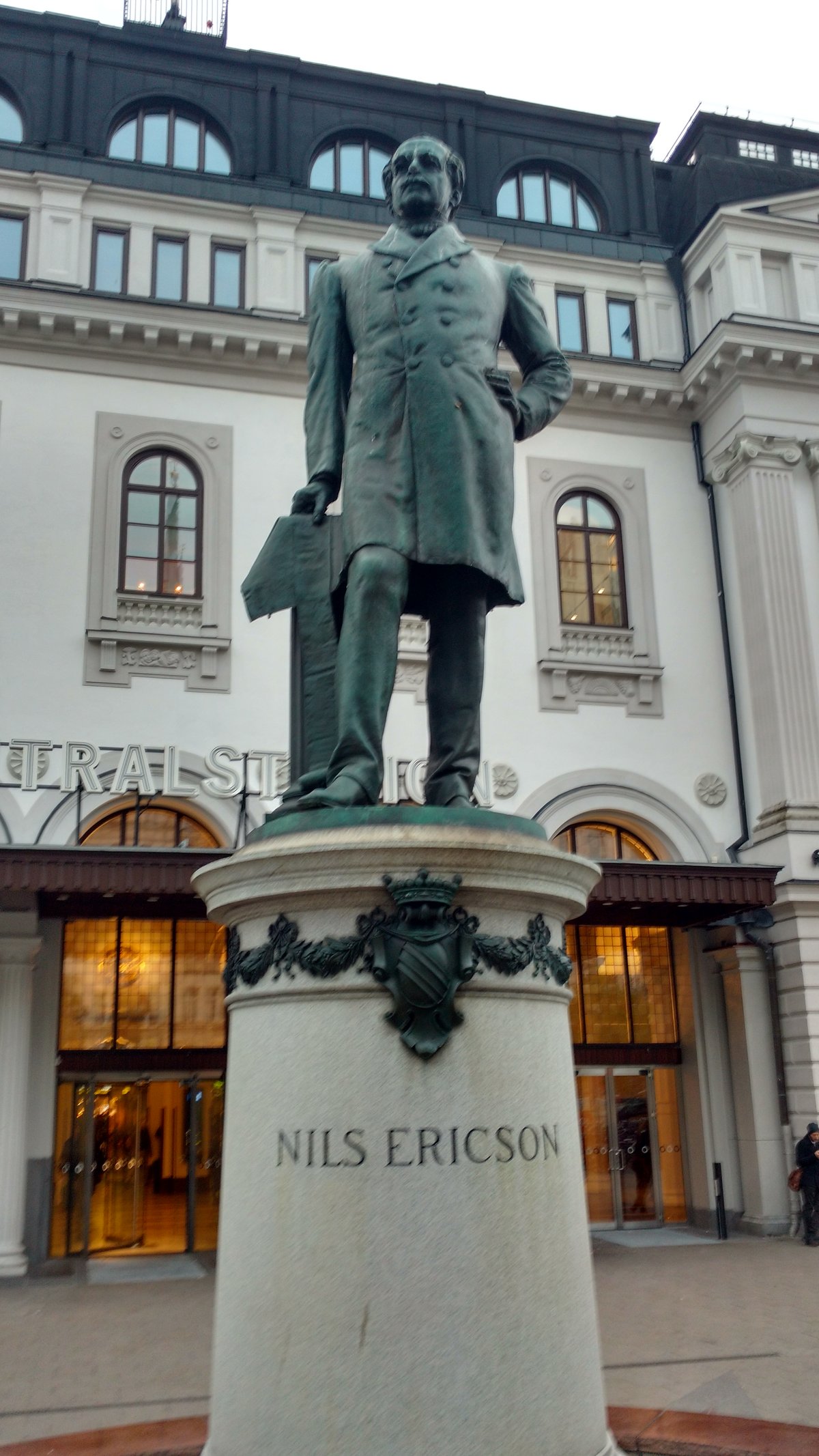
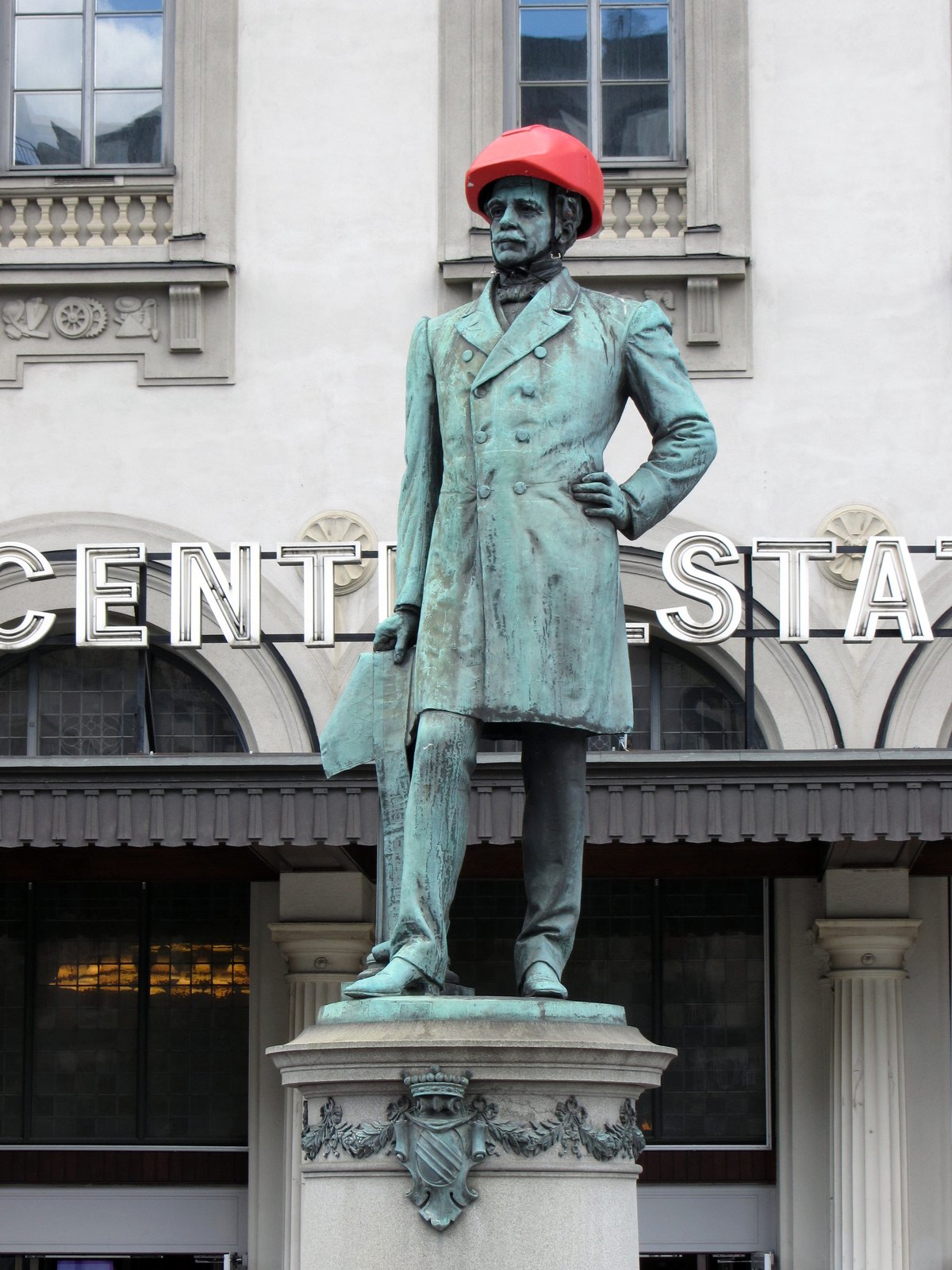
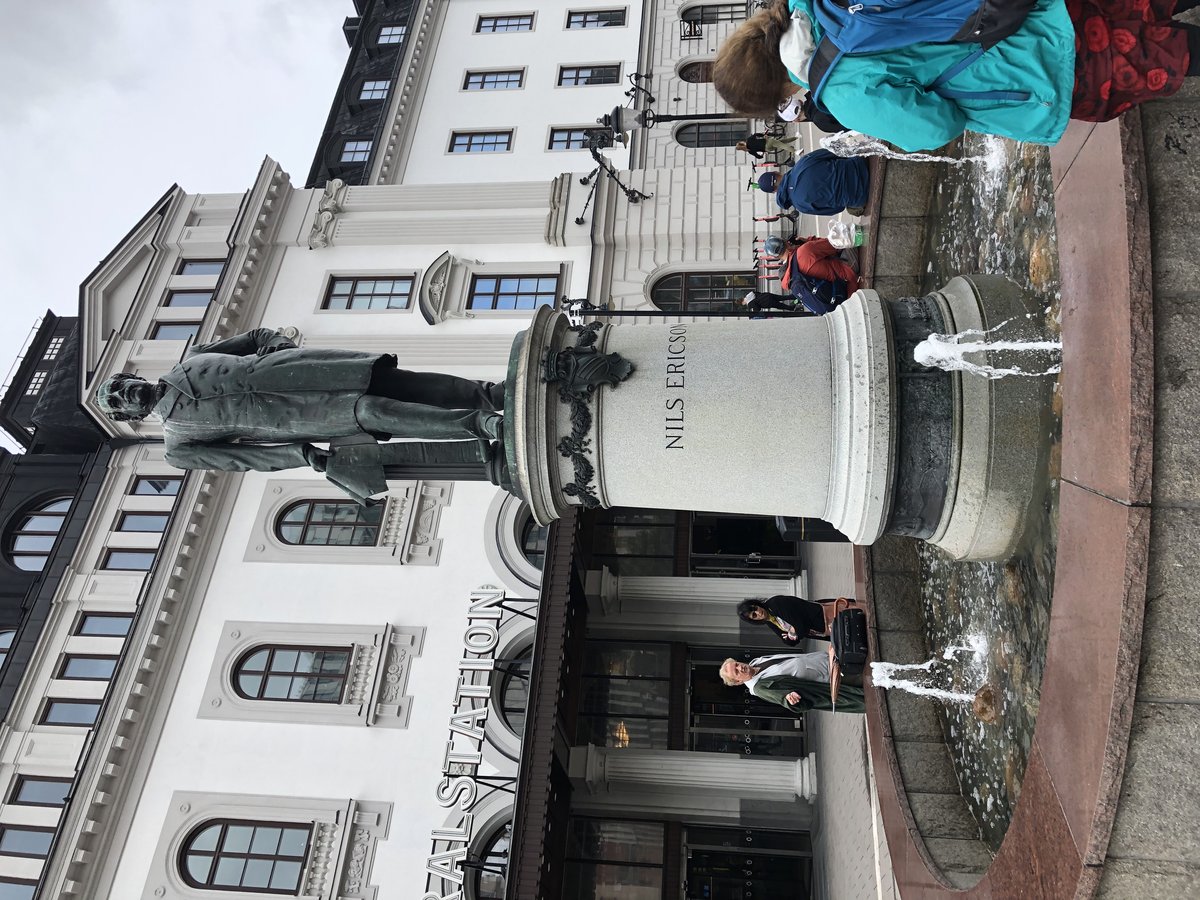
Statue of Swedish mechanical engineer Nils Ericson prominently displayed outside Central Station in Stockholm, Sweden, showcasing historical significance and tribute to engineering.
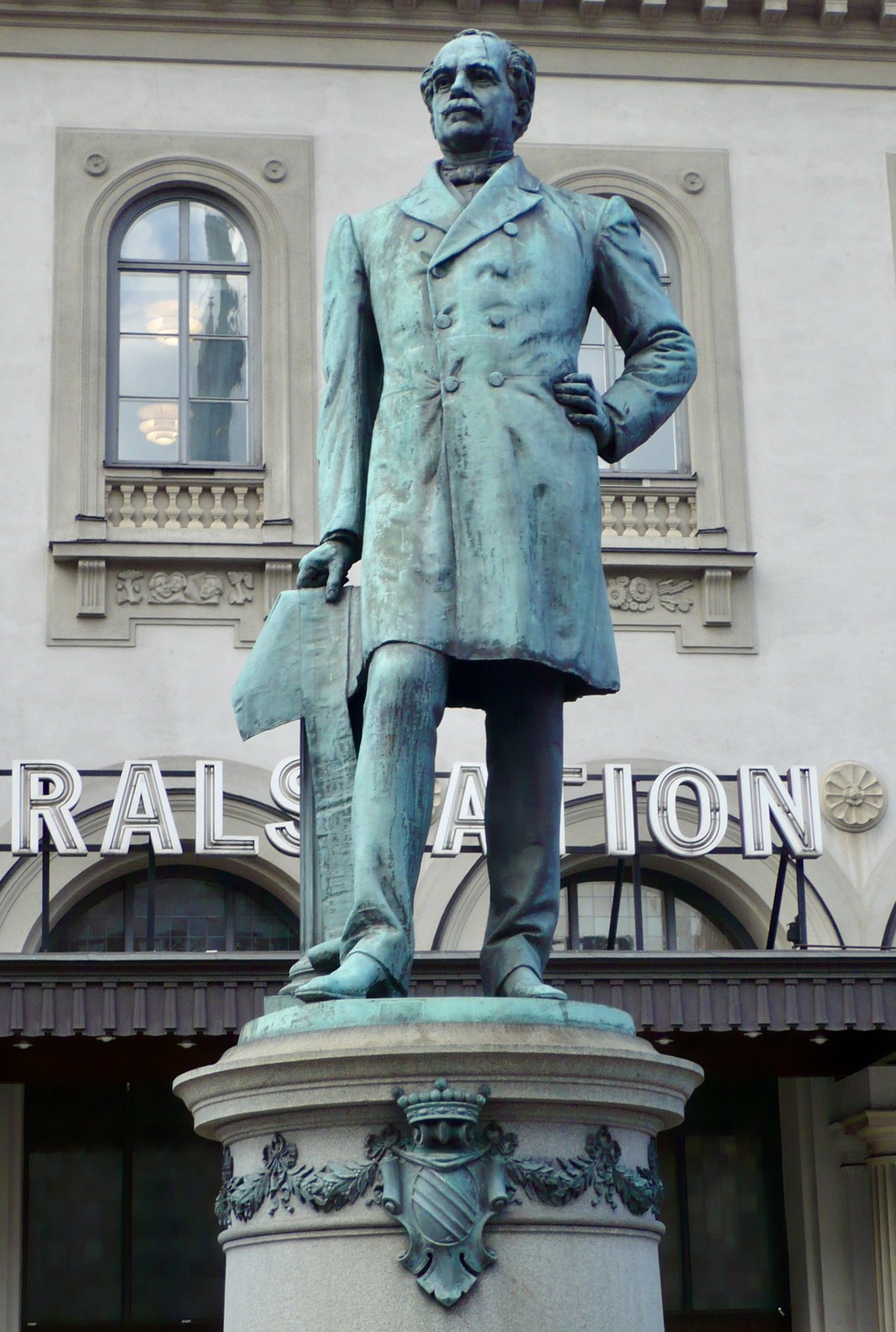
Detailed image of the Nils Ericson statue located at Stockholm Centralstation, showcasing the historic monument in the Swedish capital's main train station.
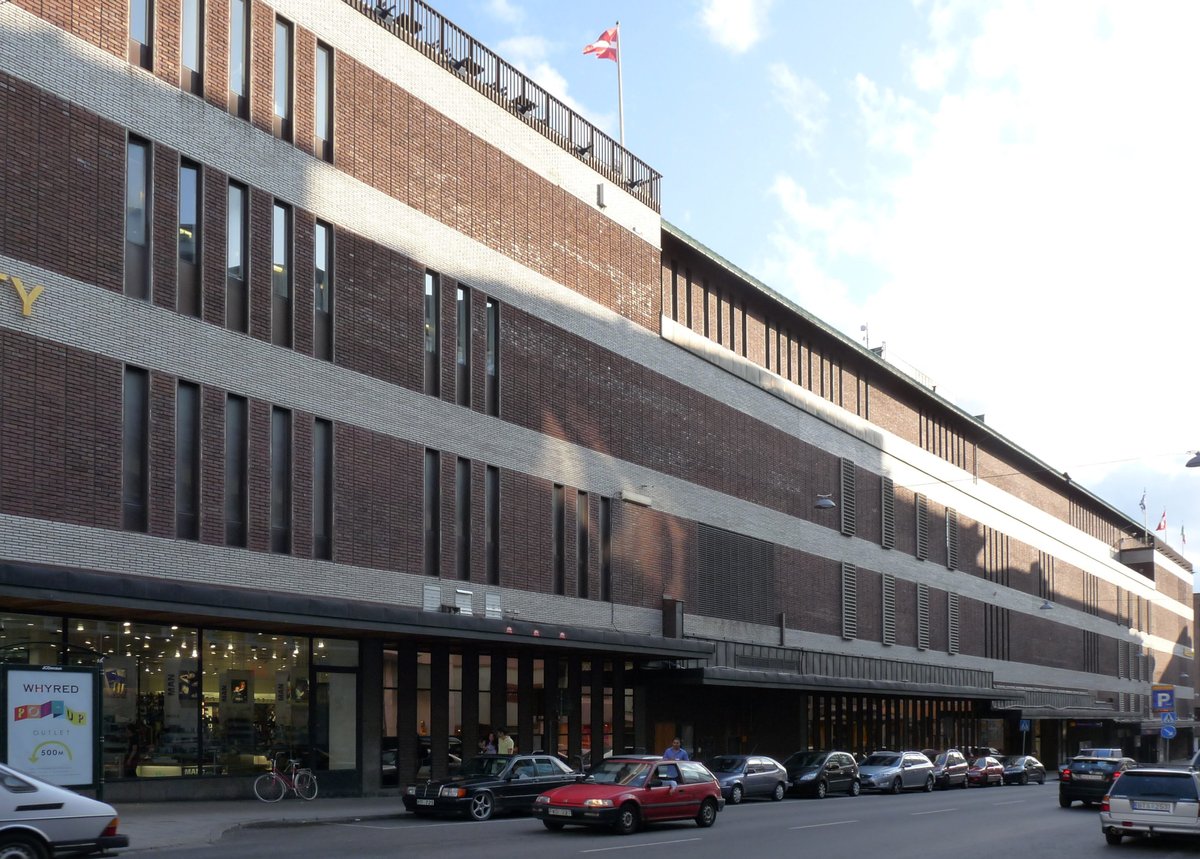
Exterior of Stockholm Central Station showcasing its architectural design and facade
Statue of Nils Ericson located in front of Stockholm Central Station, showcasing the historic figure in a public urban setting.
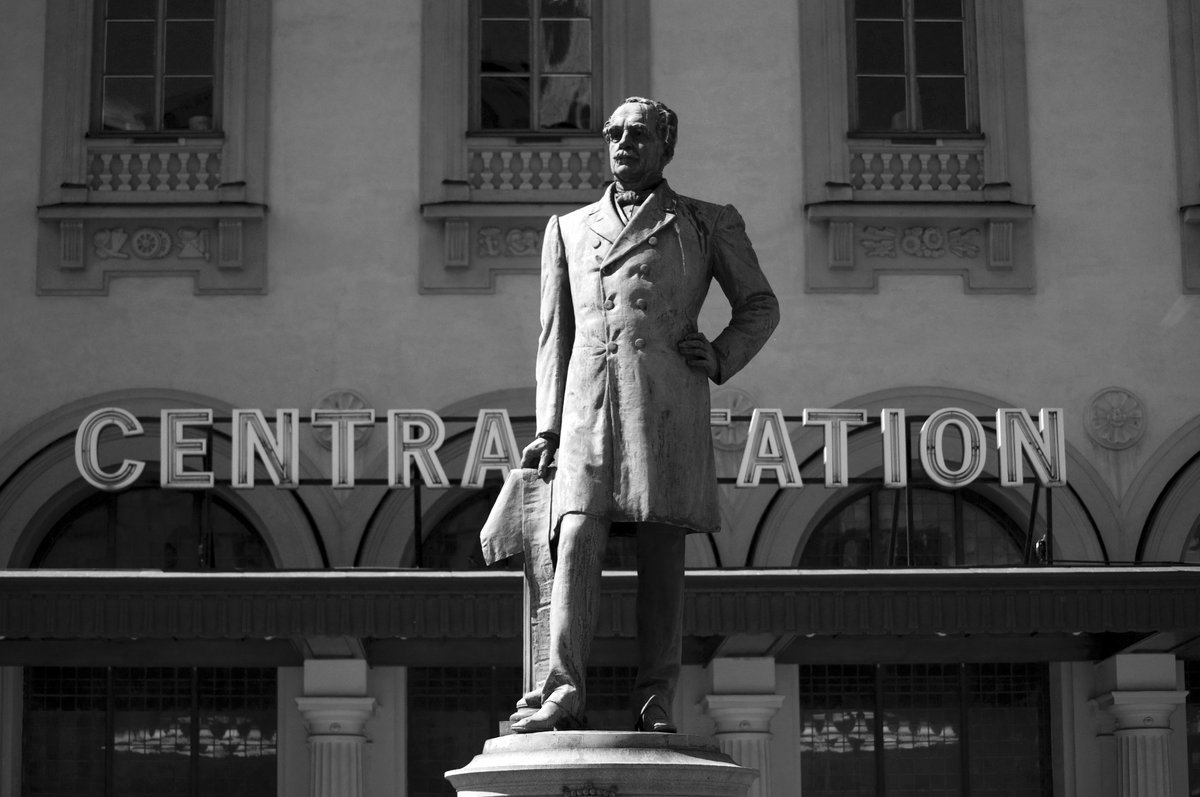
Black and white image of the bronze statue of Nils Ericson, sculpted by John Börjeson and erected in 1893, located at Centralplan outside Stockholm Central Station.
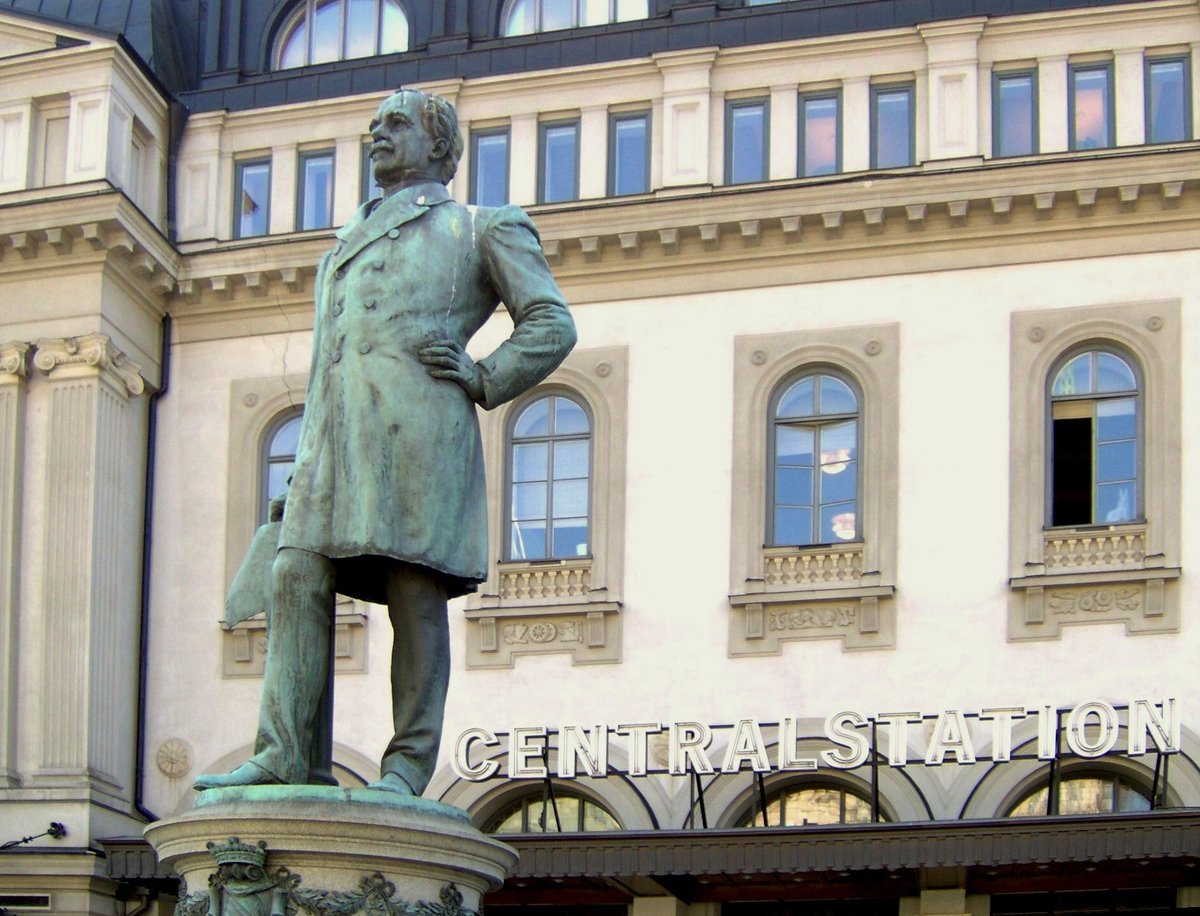
A statue located outside Stockholm Central Station, capturing an important cultural landmark in the heart of Stockholm, Sweden.
A detailed view of Stockholms central Nils Ericson, the main railway station in Stockholm, showcasing modern architectural design and bustling urban environment.
Photograph showing the exterior architecture of Stockholms Central Station Nils Ericson building in Stockholm, Sweden
Nils Ericson: Life and Legacy
Early Life and Engineering Foundations
Nils Ericson (1802–1870), born in Långbanshyttan, Värmland, grew up in an environment shaped by Sweden’s early industrial expansion. His father’s role in managing a mine and later directing blasting operations for the Göta Canal exposed Nils to engineering from an early age. Alongside his brother John Ericsson—who would later gain fame as an inventor in the United States—Nils was recruited as a cadet mechanic for the Swedish Navy, laying the groundwork for a distinguished career (RailTarget, en-academic.com).
Career Achievements and the Swedish Railway Revolution
Ericson began his professional journey in 1823 with the Swedish Army’s Engineering Corps. He contributed to canal construction—including the Göta, Stallbacka, Säffle, and Karlstad canals—and led significant projects such as the Saimaa Canal in Finland. In 1850, he pivoted to focus on the burgeoning field of railways, overseeing the design and construction of the Western Main Line (Västra stambanan) between Stockholm and Gothenburg. His vision of a cohesive, state-run rail network catalyzed Sweden’s economic growth and national unity (RailTarget, en-academic.com).
Recognition and Enduring Influence
Ericson’s contributions were recognized with election to the Royal Swedish Academy of Sciences in 1845, ennoblement in 1854, and promotion to baron in 1859. His impact on Stockholm’s infrastructure—most notably the floodgate and railway integration—left a lasting imprint on the city (en-academic.com).
The Nils Ericson Statue: History and Artistry
A Monument to Progress
Erected in 1893 and sculpted by John Börjeson, the Nils Ericson Statue is prominently placed outside Stockholm Central Station at Centralplan. The statue commemorates Ericson’s pivotal role in connecting Sweden via railways and canals, and was inaugurated by King Oscar II, underscoring its national significance (Stockholm City Museum, Statens fastighetsverk).
Artistic Features
The bronze statue, atop a granite pedestal, depicts Ericson holding a rolled-up blueprint—symbolizing his engineering achievements. Its neoclassical design, dignified pose, and forward gaze reflect both his intellectual legacy and Sweden’s aspirations for progress. Reliefs at the base illustrate modes of transportation, reinforcing his contributions to national mobility (Statens fastighetsverk, Aroundus.com).
Practical Visitor Information
Location and Access
- Address: Centralplan 15, 111 20 Stockholm
- Coordinates: 59.3304614, 18.0589498
- Setting: Directly in front of Stockholm Central Station (Norrmalm district), within easy reach by foot, public transport, or car (Google Maps).
Getting There
- Metro: Take any line to T-Centralen; exit toward Centralplan.
- Bus: Multiple city buses stop at Central Station (e.g., Bus 53 toward Fridhemsplan).
- Tram: Tram line 7 to Sergels Torg, then walk 10 minutes.
- Car: Paid parking garages nearby; limited street parking.
- On Foot: Short walk from Gamla Stan via Drottninggatan.
Visiting Hours and Tickets
- Hours: Open 24/7, year-round.
- Tickets: No entrance fee; the statue is freely accessible at all times (Evendo).
Accessibility
- Smooth pavements and ramps surround the statue.
- Step-free access from Stockholm Central Station.
- Suitable for wheelchairs and strollers.
Enhancing Your Visit
Best Times to Visit
- Early mornings or late afternoons offer ideal lighting and fewer crowds.
- Summer months (June–August): Area is lively with outdoor activities.
Nearby Amenities and Attractions
- Cafés and Restaurants: Enjoy Swedish fika or international cuisine close by.
- Shopping: Drottninggatan and surrounding streets.
- Other Historical Sites:
- Royal Palace
- Gamla Stan (Old Town)
- Nobel Museum
- Stockholm City Hall (360 m)
- Museum of Mediterranean and Near Eastern Antiquities (494 m)
Additional Tips
- Photography: Best from the front, with Central Station as backdrop; golden hour light enhances bronze features.
- Events: Occasional public events or cultural celebrations—check Visit Stockholm events calendar.
- Safety: Well-lit and generally safe; remain vigilant in crowds.
- Etiquette: Do not climb or touch the statue; maintain respect for this heritage landmark.
Sustainability
- Use public transportation to reduce your carbon footprint.
- Support local cafés and shops.
- Recycle waste in provided bins.
Frequently Asked Questions (FAQ)
Q: Is there an entrance fee to visit the Nils Ericson statue?
A: No, the statue is free and open to the public.
Q: What are the visiting hours?
A: Accessible 24/7, year-round.
Q: Is the statue wheelchair accessible?
A: Yes, the area is fully accessible.
Q: Are there guided tours?
A: While there are no tours dedicated solely to the statue, it is often featured in city walks and heritage tours.
Q: Where exactly is the statue located?
A: Outside Stockholm Central Station, Centralplan 15, Norrmalm district.
Summary of Key Points
- Monument to Innovation: Honors engineer Nils Ericson, a key figure in Sweden’s canal and railway development.
- Accessible Landmark: Located at Centralplan, in front of Stockholm Central Station; open 24/7; free to visit.
- Artistic Significance: Bronze statue by John Börjeson, featuring reliefs of transportation and engineering motifs.
- Visitor-Friendly: Wheelchair accessible, close to public transit, surrounded by cafés, shops, and other historical sites.
- Cultural Relevance: A symbol of Sweden’s journey toward modernity, reflecting national values of progress and public service.
- Practical Tips: Visit during off-peak times for best experience; combine with tours of nearby landmarks.
- Resources for Travel: Use transport and tourism apps for convenience; check local calendars for events.
Listen to the full story in the app
Your Personal Curator, in Your Pocket.
Audio guides for 1,100+ cities across 96 countries. History, stories, and local insight — offline ready.
Audiala App
Available on iOS & Android
Join 50k+ Curators
Sources
- verified
- verified
- verified
- verified
- verified
- verified
- verified
- verified
Last reviewed: