Plan and listen to Nationalmuseum with Audiala.
Audio guide in your pocket, itinerary in your browser. Built for the way you actually visit.
Introduction
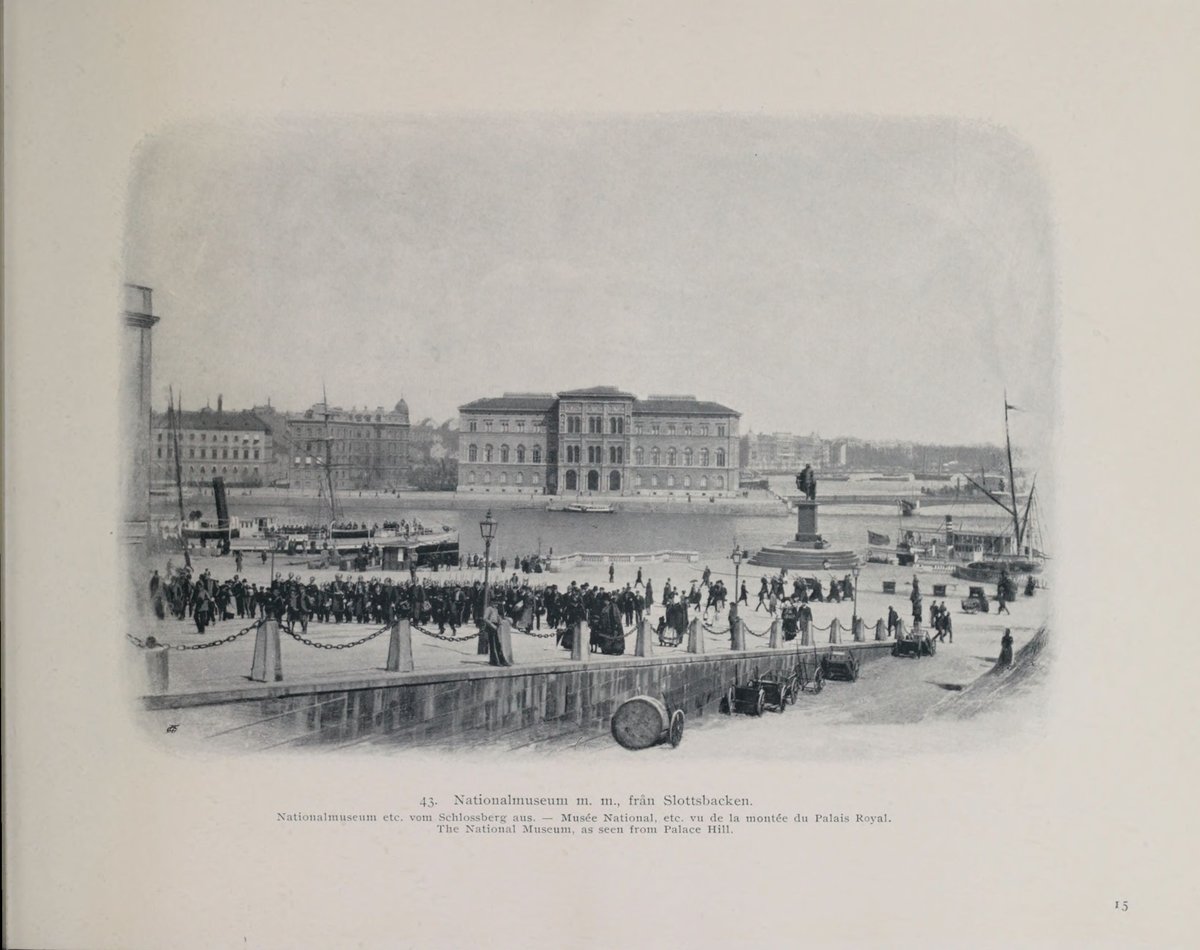
Situated in the heart of Stockholm, the Nationalmuseum is Sweden’s leading institution for art and design, offering a panoramic view of centuries of Swedish and international creativity. Established in the late 18th century and housed since 1866 in a grand Renaissance Revival building on the scenic Blasieholmen peninsula, the museum evolved from royal collections into a vibrant public landmark. With approximately 700,000 objects—including paintings, sculptures, applied arts, and design spanning the 16th century to the present—visitors can encounter masterpieces by Swedish giants like Anders Zorn and Carl Larsson, as well as renowned international artists such as Rembrandt, Goya, and Renoir. The Nationalmuseum's rich history, architectural elegance, and diverse collections make it a must-visit for art enthusiasts and cultural explorers alike.
This detailed guide covers the museum’s historical development, architectural features, collection highlights, practical visitor information, current exhibitions, accessibility, and tips to enhance your visit. Whether you’re a lifelong art lover or a first-time traveler seeking to immerse yourself in Stockholm’s cultural heritage, this article will help you plan a rewarding experience. For further details, consult the official Nationalmuseum website and referenced resources (Nationalmuseum History, Apollo Magazine, Nationalmuseum Visit).

Royal Origins and Early Foundations
The origins of the Nationalmuseum date to the late 18th century, when Queen Lovisa Ulrika began amassing an extensive art collection, particularly French paintings. In 1777, financial constraints led her to transfer these collections, along with Drottningholm Palace, to her son, King Gustav III, in exchange for settling her debts (Nationalmuseum History). King Gustav III, a passionate patron of the arts, housed the collection in the Royal Palace. After his assassination in 1792, a museum was established in his memory, opening in 1794 as the Royal Museum (Kungliga Museet)—one of Europe’s earliest public museums (Apollo Magazine).
Transition to a National Institution
Throughout the 19th century, the museum’s holdings expanded with additions from royal and state collections. Recognizing the importance of art for the public, the Swedish parliament approved funding for a dedicated museum building in 1845 (Nationalmuseum History).
Construction and Architectural Significance
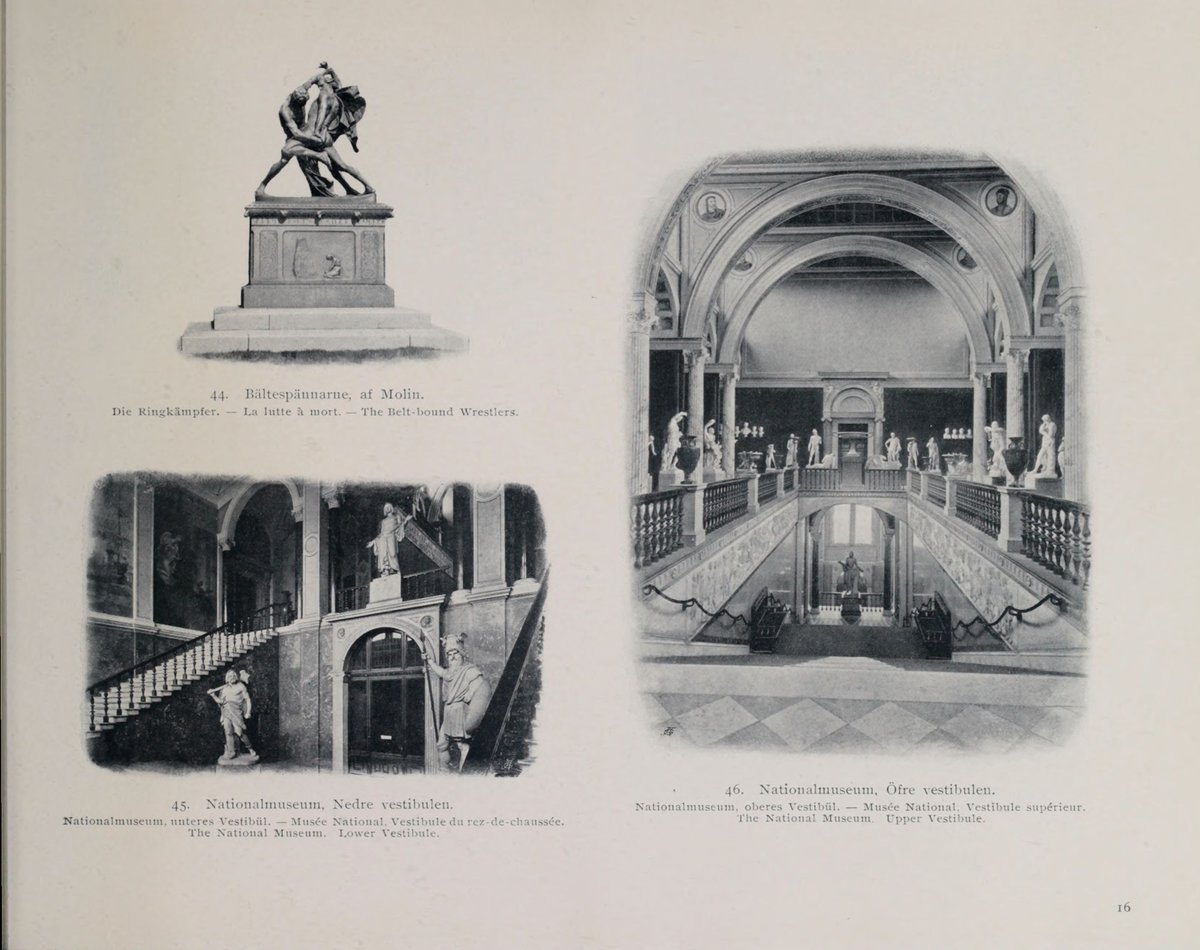
Designed by German architect Friedrich August Stüler, the museum’s Renaissance Revival building was completed in 1866. A highlight is the grand staircase, featuring Carl Larsson’s fresco of King Gustav Vasa’s entry into Stockholm, symbolizing Swedish cultural pride (Stockholm Museum). The architecture harmoniously blends historic grandeur with modern visitor needs.
Collection Growth and National Role
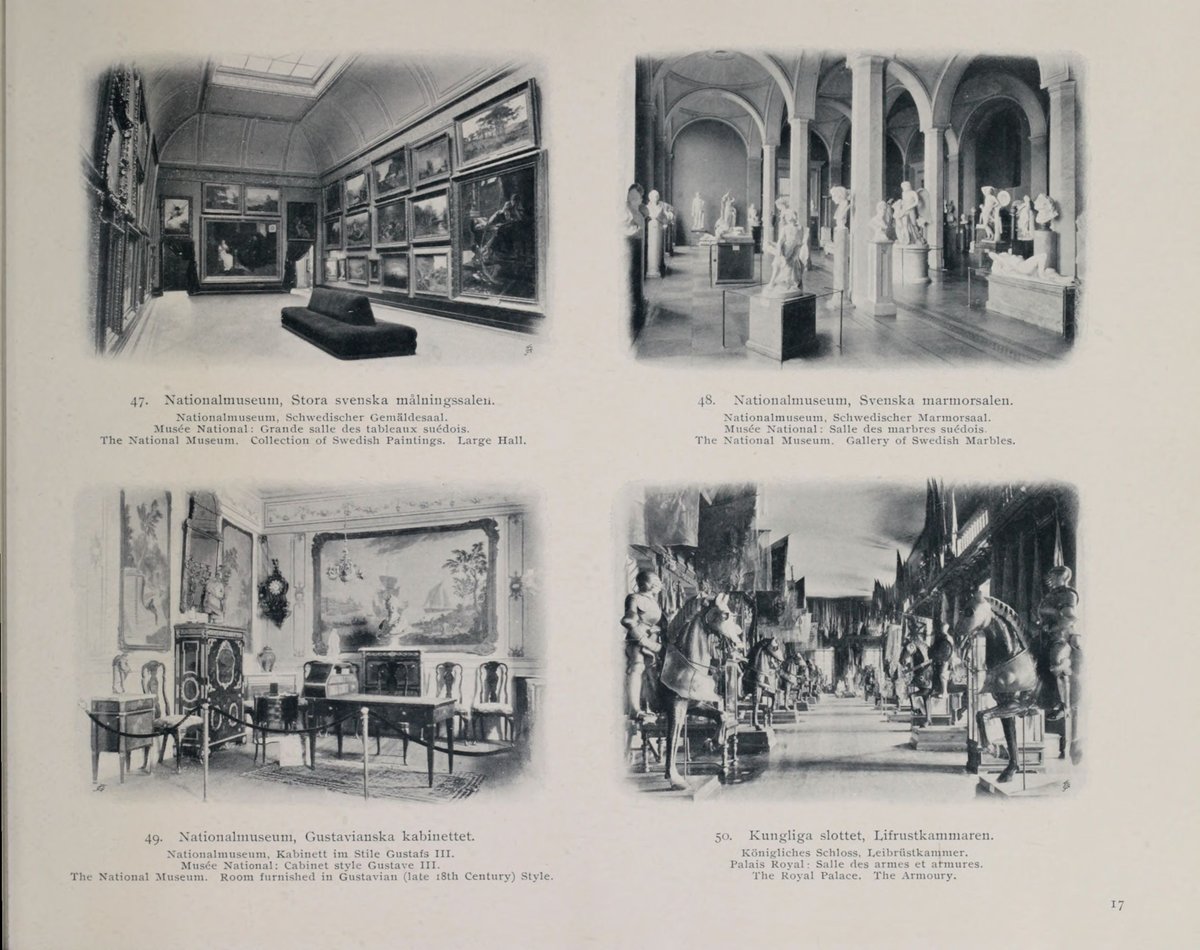
The Nationalmuseum today houses around 700,000 objects, including paintings, sculptures, drawings, prints, decorative arts, and design works spanning five centuries (Nationalmuseum Visit). The collection is shaped by royal patrons, cultural benefactors, and significant acquisitions, featuring Swedish masters such as Carl Larsson and Anders Zorn, alongside international works by Rembrandt and Goya. The museum also manages satellite collections, including the Swedish National Portrait Gallery at Gripsholm Castle and the Gustavsberg Porcelain Museum (Wikipedia).
Renovations and Modernization
Between 2013 and 2018, the museum underwent a SEK 1.2 billion renovation—the largest in its history. The restoration revived architectural features, introduced natural light, expanded gallery space, and improved accessibility with new elevators and ramps (Apollo Magazine).
Visiting the Nationalmuseum
Visiting Hours
- Tuesday–Sunday: 10:00 AM – 6:00 PM
- Thursdays: Extended hours until 8:00 PM
- Closed: Mondays
- Note: Hours may vary on public holidays; check the official website for current information.
Tickets and Admission
- Adults: 150–160 SEK (varies by exhibition)
- Seniors/Students: 100 SEK
- Children under 18: Free
- Free admission: Thursdays 5:00 PM–8:00 PM; always free for youth under 20
- Special exhibitions: May require timed tickets during peak periods
- Purchase: Online via the official Nationalmuseum website or at the entrance
How to Get There
- Address: Södra Blasieholmshamnen 2, Blasieholmen peninsula
- Public Transport: Close to Nybroplan tram stop and several bus lines (2, 55, 57, 65, 76)
- Stockholm Central Station: 15-minute walk
- Ferry: Nybroplan terminal connects to Djurgården and the archipelago
- Parking: Limited; public transit recommended (stockholm.net)
Best Times to Visit
- Quietest: Weekday mornings and late afternoons, especially on Thursdays
- Busiest: Weekends, holidays, and during major exhibitions
Accessibility
- Building: Fully wheelchair-accessible with ramps and elevators
- Facilities: Accessible restrooms, wheelchairs for loan, tactile materials, and Braille guides
- Service animals: Welcome
- Family-friendly: Stroller rentals, baby-changing facilities, and interactive displays (Nationalmuseum Visit)
Guided Tours and Special Events
- Tours: Available in Swedish and English, with family-friendly and themed options
- Workshops & Events: Regularly scheduled; see exhibitions and events
- Photography: Allowed without flash, except where otherwise indicated
Nearby Attractions
- Royal Palace
- Vasa Museum
- Moderna Museet
- Gamla Stan (Old Town)
- Kungsträdgården and Stockholm Cathedral
- Waterfront cafes and restaurants near Nybroplan
Collection Highlights
Painting and Sculpture
The Nationalmuseum’s painting and sculpture collections are among the most significant in Northern Europe, with approximately 16,000 works:
- Swedish Masters: Anders Zorn, Carl Larsson, Ernst Josephson, Carl Fredrik Hill
- Dutch & French: Rembrandt, Rubens, Chardin, Boucher, Watteau
- Spanish & Impressionist: Goya, Renoir, Degas, Gauguin
- Iconic Works: Rembrandt’s "The Conspiracy of the Batavians," Zorn’s "Midsummer Dance," Larsson’s "The Kitchen," and Boucher's "Venus Consoling Love" (Nationalmuseum Collection Overview, Google Arts & Culture)
Decorative Arts and Design
- Applied Arts: Ceramics, glass, textiles, furniture, metalwork from Sweden and Europe
- Gustavsberg Collection: Over 45,000 pieces from the Gustavsberg Porcelain Factory
- Contemporary Design: Modern Swedish and international works
- Themed Galleries: The Timeline, The Treasury, The Sculpture Courtyard, The Design Depot
Current and Upcoming Exhibitions in 2025
- Bonnard and the Nordics (20 Feb–18 May): The influence of Pierre Bonnard on Nordic artists
- Ernst Billgren – New Memories (10 Apr–28 Sep): Contemporary art inspired by Baroque landscapes
- The Left Shore (12 Jun 2025–11 Jan 2026): Photography and visual storytelling by Johan Renck and Anders Petersen
- Hanna Hirsch Pauli – The Art of Being Free (19 Jun–11 Jan 2026): Major retrospective of a pioneering Swedish woman artist (Nationalmuseum Exhibitions, Mynewsdesk Press Release)
Facilities and Amenities
- Restaurant & Café: Swedish-inspired cuisine, vegetarian and allergy-friendly options
- Museum Shop: Art books, prints, design objects, and souvenirs
- Free Lockers: Store bags and coats safely
- Wi-Fi: Complimentary throughout the museum
- Audio Guides: Available in multiple languages
- Information Desks: Friendly staff for visitor assistance
Travel Tips and Practical Information
- Combine your visit with nearby attractions for a full cultural day
- Visit during free hours (Thursdays 5:00–8:00 PM) for budget-friendly access
- Book special exhibition tickets in advance during peak seasons
- Use public transportation for convenience and to avoid limited parking
- Download the Audiala app for digital guides and insider tips
Frequently Asked Questions (FAQ)
Q: What are Nationalmuseum’s opening hours?
A: Tuesday to Sunday from 10:00 AM to 6:00 PM; Thursdays until 8:00 PM; closed Mondays.
Q: How much are tickets?
A: Adults 150–160 SEK, seniors/students 100 SEK, children under 18 free; free admission Thursdays 5:00–8:00 PM.
Q: Is the museum accessible?
A: Yes, with ramps, elevators, accessible restrooms, wheelchairs, and inclusive facilities.
Q: Can I take photos?
A: Yes, non-flash photography is allowed in most galleries. Restrictions may apply in special exhibitions.
Q: Are guided tours available?
A: Yes, in Swedish and English. Check the official website for details.
Q: How do I reach the museum?
A: Easily by public transport—buses, trams, and ferries to Nybroplan and a short walk from Stockholm Central Station.
Q: Is Nationalmuseum family-friendly?
A: Absolutely, with free entry for youth, family workshops, and interactive displays.
Listen to the full story in the app
The whole Nationalmuseum,
told well.
Audio guides for 1,100+ cities across 96 countries. History, stories, and local insight — offline ready.
Verified, and shown.
Researched and written by the Audiala editorial team from historical records, architectural archives, and local expertise.
Researched from Wikidata, Wikipedia & official sources · fact-checked · How we make our guides →