Introduction
Mariebergsstenen, the Marieberg Runestone, is a remarkable historical monument located on Kungsholmen island in Stockholm’s Marieberg district. This hidden gem offers visitors an authentic glimpse into Sweden’s storied Viking Age and the layers of geological and cultural evolution that have shaped the city. While less renowned than Stockholm’s palaces or the runestones of Uppsala, Mariebergsstenen stands as a silent witness to a millennium of history, connecting today’s urban landscape to its ancient Norse roots. This guide provides a comprehensive overview of Mariebergsstenen’s history, cultural significance, visiting hours, accessibility, travel tips, and nearby attractions.
For more about Stockholm’s Viking heritage and the importance of runestones, see The Hidden North and Visit Stockholm.
Geological and Prehistoric Context
Stockholm’s landscape is shaped by ancient geological processes. The bedrock beneath Mariebergsstenen formed nearly two billion years ago, predominantly from gneiss and granite. The Brunkebergsåsen esker, a prominent glacial ridge, traces the city’s center, marking the path of retreating glaciers thousands of years ago (Wikipedia: Prehistory and origin of Stockholm).
After the last Ice Age, as the land rose, the region became habitable for early settlers around 11,500 BCE. Archaeological finds—including quartz and flint tools—attest to human activity dating back to this era, with the waterways and islands of today’s Stockholm gradually emerging from the receding ice.
Stockholm’s Origins and the Role of Stones
Stockholm’s strategic location at the mouth of Lake Mälaren made it a vital settlement and trading post. Founded officially in 1252 by Birger Jarl, the city served as a protective lock (“laas fore then sio”) against pirates and invaders (Stockholm.net: History). Stones like Mariebergsstenen played important roles as boundary markers, commemorative monuments, and sites for runic inscriptions, reflecting both Viking and medieval traditions (Facts.net: Stockholm).
Mariebergsstenen: Historical and Cultural Significance
Mariebergsstenen dates from the late Viking Age, around the 11th century CE. It was likely erected as a memorial or boundary marker, inscribed in the Younger Futhark runic alphabet. While weathering has obscured parts of its inscription, the stone preserves the Norse practice of honoring notable individuals, marking territories, or recording significant events (The Hidden North; The Viking Herald).
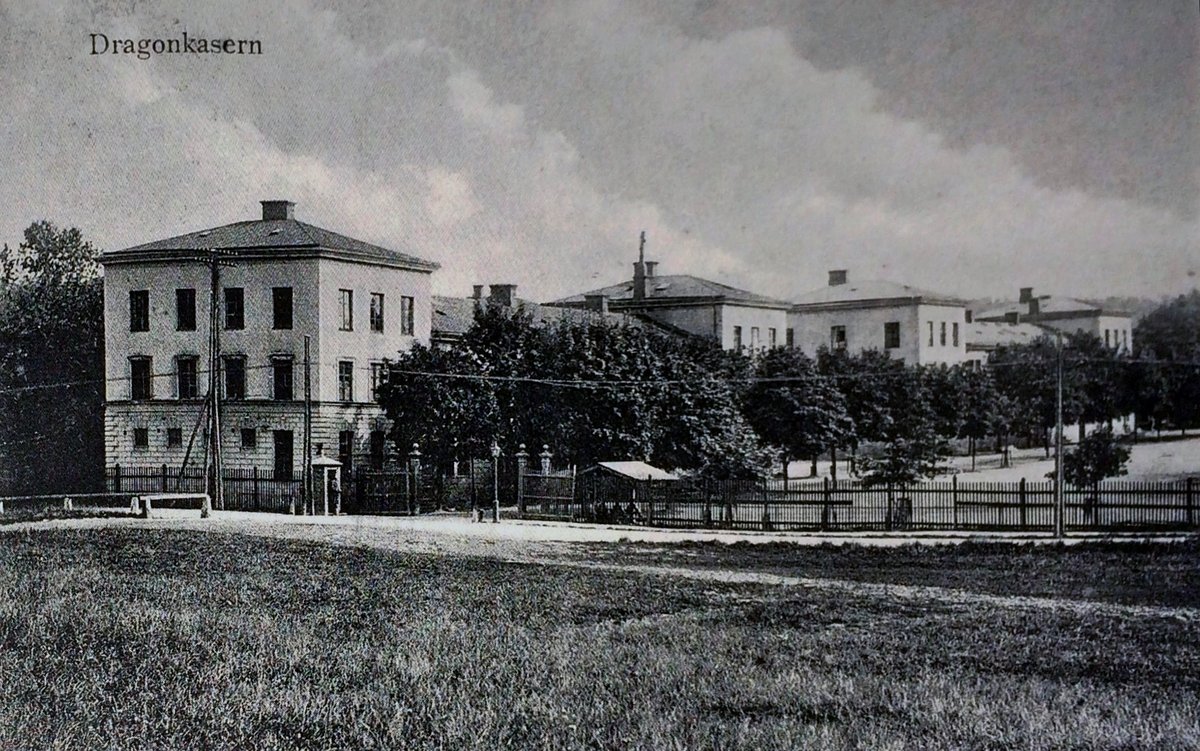
The stone’s location in the Marieberg district—which later became known for its porcelain factory and military institutions—reflects Stockholm’s transformation across centuries. Mariebergsstenen is now an emblem of urban continuity, linking ancient customs with modern life (A Day In Stockholm: Iconic Architecture).
Location, Accessibility, and Visiting Hours
Location:
Mariebergsstenen is situated near the intersection of Mariebergsgatan and Rålambsvägen in the Marieberg district on Kungsholmen island, west of Stockholm’s city center (Stockholm Tourist Map).
Getting There:
- By Metro: Green Line to Thorildsplan or S:t Görans station (10-minute walk).
- By Bus: Multiple lines serve Mariebergsgatan and Rålambsvägen.
- By Bicycle: Stockholm’s bike paths provide direct access; rentals available citywide.
- By Car: Limited street parking; public transport or cycling recommended (Visit Stockholm: Getting Around).
Visiting Hours and Tickets:
Mariebergsstenen is in a public park and accessible 24 hours a day, year-round. There are no entry fees or tickets required (Nomadic Matt: Stockholm Travel Tips).
Accessibility:
The park is flat, with paved paths suitable for wheelchairs and strollers. Guide dogs are welcome. In winter, be cautious of icy surfaces (Visit Sweden: Things to Do in Stockholm).
Facilities, Amenities, and Practical Tips
- On-Site Facilities: Benches and paved paths; no restrooms or cafés at the site.
- Nearby Amenities: Public toilets at Thorildsplan metro, cafés and shops on Rålambsvägen and Fridhemsplan (10–15 min walk).
- Photography: Early morning or late afternoon light best highlights the inscriptions; tripods allowed.
- Weather: Dress appropriately for the season—winters are cold and icy, summers are mild with long daylight hours (Global Highlights).
- Language: Most signage is in Swedish; translation apps are useful. Locals speak English.
- Currency: Sweden uses SEK. Most businesses are cashless—use cards or Swish (Passaporte no Bolso: Visit Stockholm).
Nearby Historical Sites and Suggested Itineraries
Combine your visit to Mariebergsstenen with other notable sites:
- Vasa Museum: Home to a preserved 17th-century warship (The Blonde Abroad).
- Gamla Stan (Old Town): Medieval streets, churches, and the Royal Palace (North Abroad).
- Stockholm City Hall: Iconic architecture and Nobel banquet venue (The Crazy Tourist).
- Södermalm: Trendy cafés, boutiques, and city views.
Sample itinerary: Start with Mariebergsstenen, stroll along the waterfront, have lunch in Kungsholmen, and spend the afternoon at a central museum or Old Town.
Sustainability, Safety, and Local Etiquette
- Sustainability: Use public transit or bike, recycle waste, and avoid littering (TravelPander: Stockholm Environmental Leadership).
- Safety: Stockholm is very safe. Keep valuables secure and dial 112 in emergencies (HikersBay: Stockholm Travel Information).
- Etiquette: Do not climb or make rubbings of the stone. Smoking is prohibited in parks; dogs must be leashed.
Frequently Asked Questions (FAQ)
Q: What are the visiting hours for Mariebergsstenen?
A: Open 24/7, year-round. No restrictions.
Q: Is there an admission fee or ticket required?
A: No. Visiting is free of charge.
Q: Is Mariebergsstenen wheelchair accessible?
A: Yes, via paved flat paths.
Q: Are guided tours available?
A: Some local history or Viking-themed tours include the site; check with Stockholm tourist information.
Q: Are there restrooms or cafés on-site?
A: No, but amenities are available within a 10–15 minute walk.
Q: Is parking available?
A: Limited street parking; public transport or cycling is recommended.
Q: What is the best time to visit?
A: Late spring to early autumn for pleasant weather and long daylight.
Listen to the full story in the app
Your Personal Curator, in Your Pocket.
Audio guides for 1,100+ cities across 96 countries. History, stories, and local insight — offline ready.
Audiala App
Available on iOS & Android
Join 50k+ Curators
Sources
- verified
- verified
- verified
- verified
- verified
- verified
- verified
- verified
- verified
- verified
- verified
- verified
- verified
- verified
- verified
- verified
- verified
- verified
- verified
Last reviewed: