Introduction
Kvarteret Svalan, nestled in Stockholm’s Norrmalm district, stands as a testament to the city’s layered history and urban transformation. While today it functions primarily as a commercial and office area, its roots stretch back to the medieval shoreline of Lake Mälaren. Visitors interested in Stockholm’s evolution—from its earliest settlements, through its days as the heart of Swedish journalism, to its modern architectural renewal—will find Kvarteret Svalan and its surroundings an essential stop. This guide offers a comprehensive overview covering historical context, practical visitor information, nearby attractions, accessibility, and insider tips for making the most of your visit.
For further exploration, consult resources such as the Stockholmskällan archive, Stockholm City Museum, and Visit Stockholm.
Medieval Origins and Early Development
Kvarteret Svalan’s origins date to the late 13th century as part of the shoreline of Lake Mälaren, closely linked to Klara kloster (St. Clare’s Convent). Archaeological findings confirm continuous human activity since at least the 1200s, with the convent shaping local life and economy. Early on, the area was characterized by religious, agricultural, and artisanal activities (Stockholmskällan).
Urbanization and the 17th-Century Grid
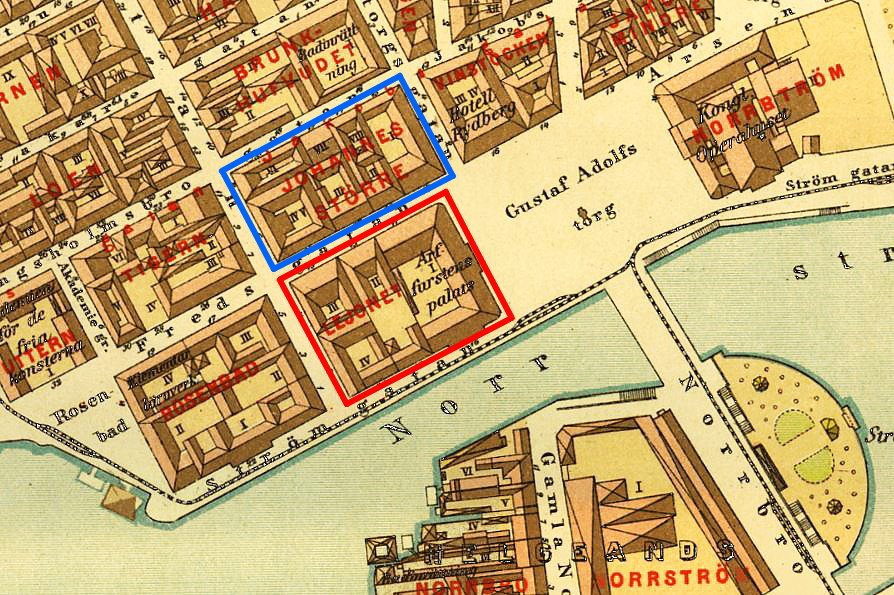
As Norrmalm developed into a suburb in the 17th century, Stockholm adopted a regular grid pattern inspired by European urban models. In 1637, Drottninggatan—a major thoroughfare—was established. By 1673, Kvarteret Svalan was formally delineated, its name and boundaries remaining largely unchanged since (Öjmyr, 2012).
Architectural Evolution and Notable Structures
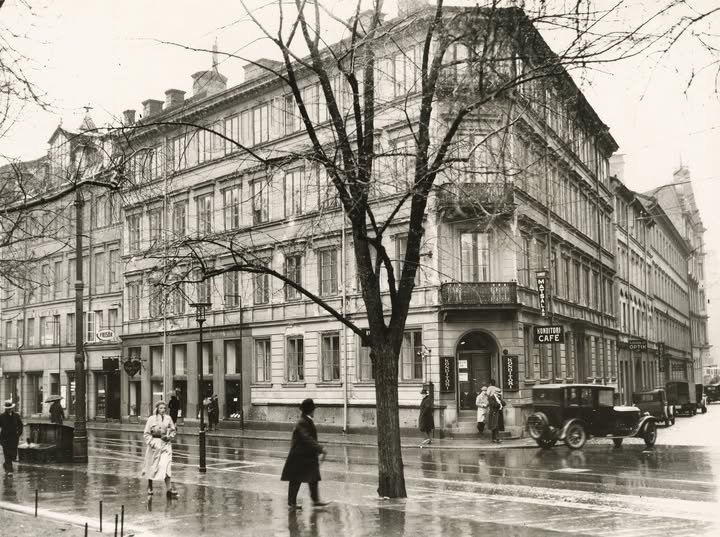
The 18th and 19th centuries saw a transition from wooden to stone construction. The block became home to a diverse mix of residences, hotels, small palaces, and workshops, benefiting from proximity to Klara kyrka (Klara Church) and main city arteries. This architectural blend is still perceptible in the area’s exteriors.
The Rise of the Press and the "Klara Quarter"
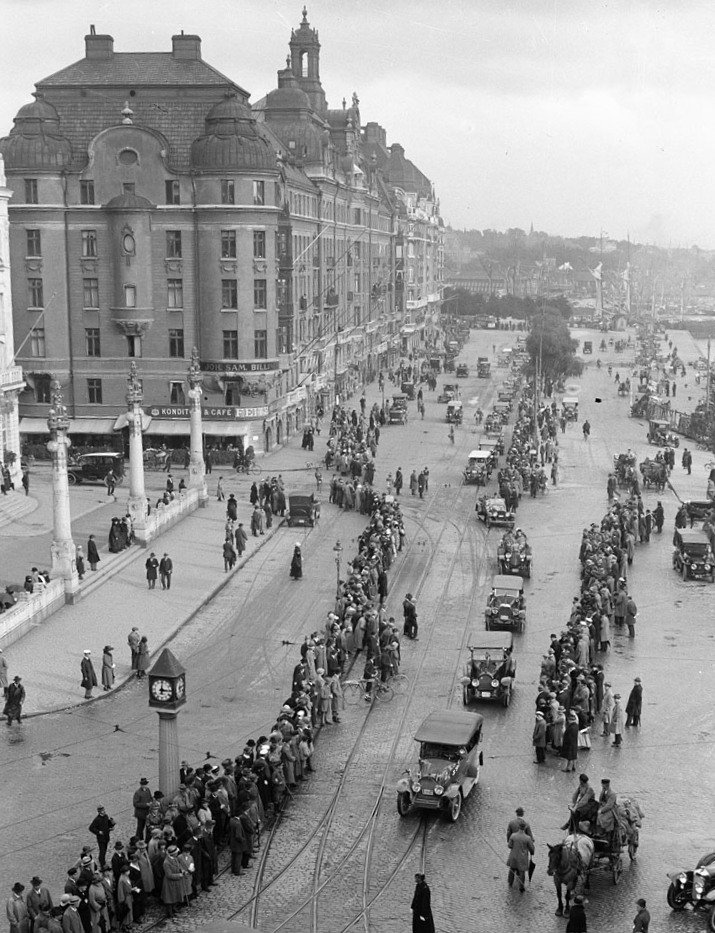
From the late 19th to the mid-20th century, Kvarteret Svalan was at the epicenter of Swedish journalism. Renowned newspapers—such as Aftonbladet and Stockholms-Tidningen—were headquartered here, while printing houses and editorial offices filled the surrounding blocks. The area’s bohemian cafés and cultural vibrancy earned it the nickname "Klarakvarteren" (Stockholmskällan).
20th-Century Transformations and Modern Redevelopment
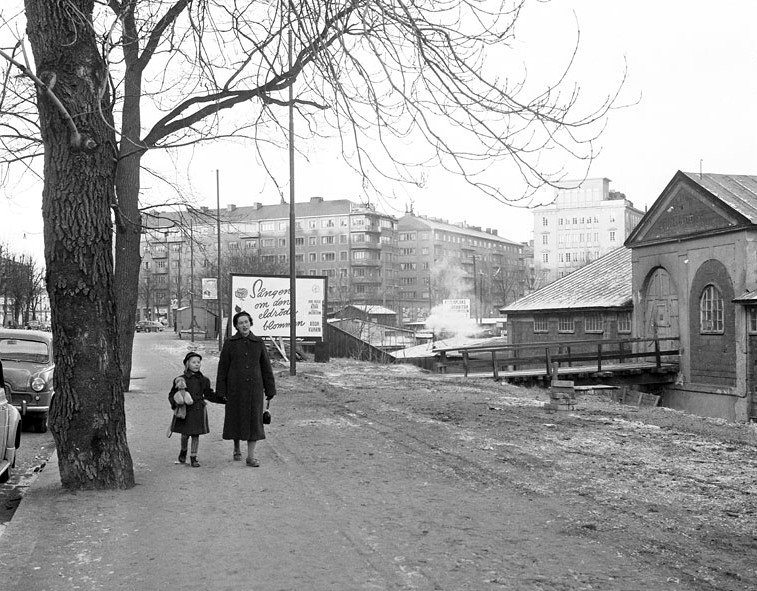
Urban renewal in the mid-20th century led to widespread demolition across Klarakvarteren. While Kvarteret Svalan’s older buildings survived longer than most, they were ultimately replaced by a modern office complex in the 1990s. A preserved clock from the Aftonbladet building commemorates the area’s press legacy.
Archaeological Discoveries
A major archaeological excavation in 1991 unearthed nearly 50,000 artifacts—ceramics, tools, coins, and personal items—spanning 700 years of history. Remarkably, two medieval boats (“Svalan boats”) were found, shedding light on Stockholm’s early maritime culture (Stadsmuseet Press Release, Vrak Report). Many finds are displayed at the Stockholm City Museum.
Visiting Kvarteret Svalan: Practical Information
Visiting Hours
- Kvarteret Svalan: As a business and office complex, there are no set public visiting hours or entry restrictions for the exterior and surrounding public spaces, which are accessible 24/7. The area is most lively on weekdays during business hours (8:00–18:00).
- Stockholm City Museum: Exhibitions related to Kvarteret Svalan are open Tuesday–Sunday, 10:00–17:00; closed Mondays (Stockholm City Museum).
Tickets and Entry
- Kvarteret Svalan: No tickets or entry fees are required for visiting public spaces or viewing the exterior architecture.
- Stockholm City Museum: General admission is free, but some special exhibitions may require tickets. Check the museum website for current details.
Guided Tours
- Walking Tours: Several operators offer guided walks focusing on Norrmalm, Klarakvarteren, and Stockholm’s press history, often including Kvarteret Svalan. Tours are available in multiple languages; booking ahead is recommended (Visit Stockholm).
- Museum Tours: The Stockholm City Museum occasionally hosts themed tours and lectures about the area’s history and archaeology.
Accessibility
- The district is easily reached via T-Centralen or Hötorget metro stations, both a short walk away.
- Public spaces and the museum are generally accessible to visitors with mobility needs, though some surrounding streets have cobblestones.
Nearby Attractions
- Klara Church (Klara kyrka): A Gothic revival landmark and tranquil city oasis.
- Drottninggatan: A bustling pedestrian shopping street.
- Stockholm Concert Hall & Kulturhuset Stadsteatern: Major venues for music and performing arts (Adayin).
- Hötorget Market: A vibrant city square hosting daily markets and events.
- Vete-Katten: A classic patisserie and café, ideal for Swedish fika (Sunny Athens).
Cultural Significance and Community Life
Kvarteret Svalan is emblematic of Stockholm’s approach to balancing heritage conservation with urban renewal. The area’s history as a creative and media hub still resonates, with nearby cafés, independent galleries, and public art installations fostering a lively, inclusive atmosphere. Community initiatives often focus on sustainability, greening projects, and celebrating local traditions such as fika. The demographic mix—long-term Stockholmers and international newcomers—ensures a vibrant social fabric.
Architectural Identity and Urban Aesthetics
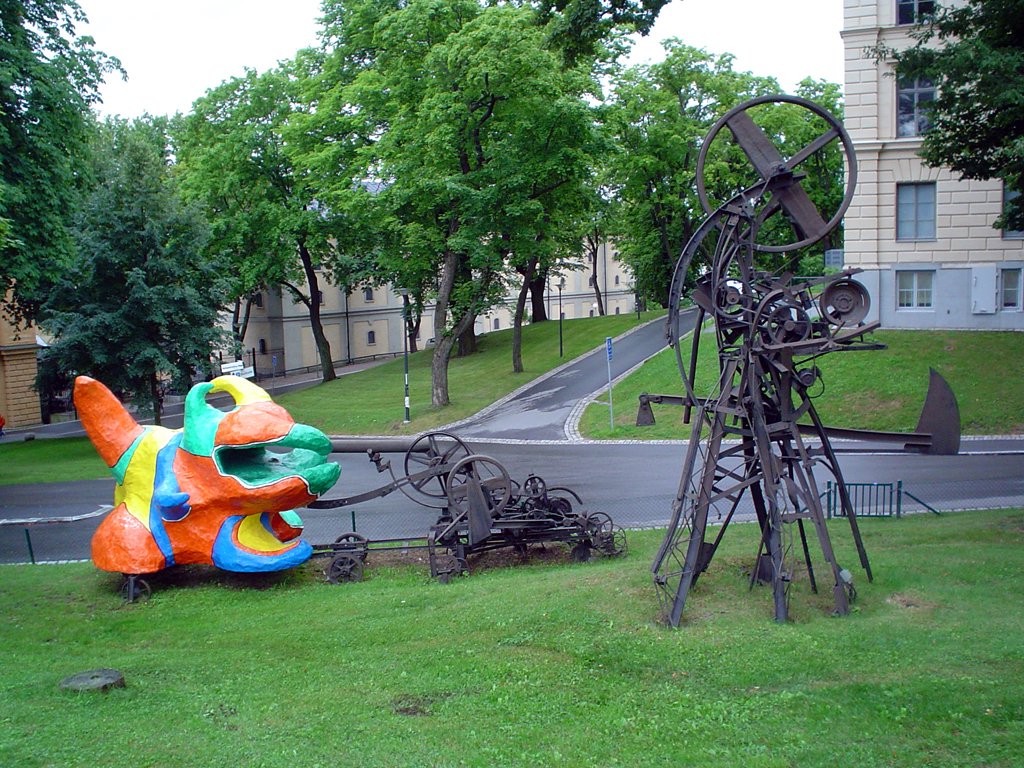
The streetscape of Kvarteret Svalan reflects both the area’s past and present: restored historic facades and Art Nouveau details mingle with contemporary office architecture. Wide sidewalks, bicycle lanes, and pedestrian plazas make the area welcoming for exploration. Public art, murals, and commemorative markers highlight the block’s historical significance.
Festivals, Events, and Seasonal Activities
Throughout the year, Klarakvarteren hosts a range of cultural activities, from open-air concerts and art fairs to literary and music festivals. The summer months are especially lively, with outdoor markets, performances, and guided walks. In winter, light installations and holiday markets create a festive atmosphere (StadsEvent – July Events, Eventland).
Practical Visitor Insights
- Getting There: T-Centralen metro station is the main public transport hub nearby; walking and cycling are encouraged.
- Payment: Credit cards and contactless payments are standard everywhere.
- Restrooms: Available in nearby cafés and shopping centers.
- Language: English is widely spoken, and key signage is bilingual.
- Safety: Stockholm is safe, but general city precautions apply (Nomadic Matt).
Visual Highlights and Photographic Spots
Photographers will find interest in the ornate facades, preserved details from the block’s press era (such as the Aftonbladet clock), and lively street scenes. The proximity to Klara Church and Drottninggatan provides further opportunities for urban photography. For virtual experiences, digital archives and the Stockholm City Museum’s website offer interactive maps, excavation photos, and historical illustrations.
Integration with Stockholm’s Cultural Network
Kvarteret Svalan’s central location makes it an ideal starting point for exploring Stockholm’s cultural and historical network. Walking tours often include stops at the Royal Palace, Gamla Stan (Old Town), and the city’s waterfront promenades. The area’s institutions and residents actively participate in citywide cultural initiatives and collaborative events.
Frequently Asked Questions (FAQ)
Q: Is Kvarteret Svalan open to the public?
A: Yes, public streets and plazas are accessible at all times, though interiors are private offices.
Q: Are guided tours available?
A: Yes, guided walks exploring the district’s history are available through several operators and the Stockholm City Museum.
Q: Is there an entrance fee?
A: No, access to the area is free. Museum exhibitions are also free unless otherwise noted.
Q: Where can I see artifacts from Kvarteret Svalan?
A: Visit the Stockholm City Museum’s exhibition on the 1991 excavation for artifacts and insights.
Q: How accessible is the area?
A: The district and museum are largely accessible for visitors with disabilities; some cobblestone streets may be less navigable.
Q: When is the best time to visit?
A: Spring through early autumn is ideal for outdoor exploration, but winter events and museum exhibitions also offer rewarding experiences.
Listen to the full story in the app
Your Personal Curator, in Your Pocket.
Audio guides for 1,100+ cities across 96 countries. History, stories, and local insight — offline ready.
Audiala App
Available on iOS & Android
Join 50k+ Curators
Sources
- verified
- verified
- verified
- verified
- verified
- verified
- verified
- verified
- verified
- verified
- verified
- verified
- verified
- verified
- verified
Last reviewed: