Introduction
Kvarteret Stora Katrineberg, located in the Lövholmen area of Liljeholmen, Stockholm, is a district rich in historical significance and urban evolution. From its origins as an 18th-century manor estate on the shores of Lake Mälaren to its transformation into an industrial hub and, more recently, a vibrant mixed-use neighborhood, Stora Katrineberg offers visitors a unique blend of architectural styles and cultural heritage. This comprehensive guide presents the district’s historical background, practical visitor information—including visiting hours and accessibility—and highlights of nearby Stockholm historical sites, ensuring travelers are well-prepared to explore this captivating area (Stockholmskyline; BRF Stora Katrineberg; View Stockholm).
Photo Gallery
Explore Kvarteret Stora Katrineberg in Pictures

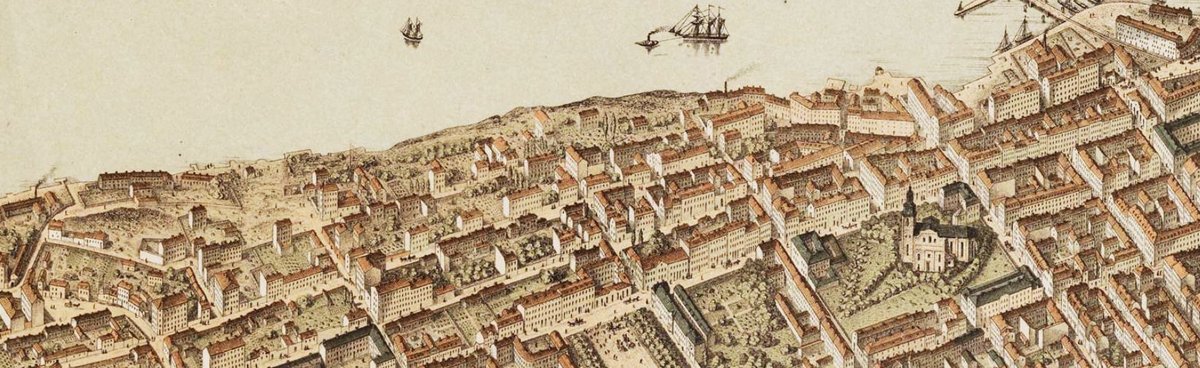
Detailed city map of Liljeholmen district from 2016 highlighting urban layout and road networks

Scenic view of the old wooden flottbron bridge at Liljeholmen in Stockholm. Factories at Stora Katrineberg are visible to the left, with Lövholmen and Gröndal districts in the background.

Winter scene showing the old floating bridge at Liljeholmen, Stockholm with factories at Stora Katrineberg on the left and the main building of Liljeholmsvarvet/Stockholms Båtbyggeri AB (SSB) on the right, a shipyard destroyed by fire in 1904.

Historic photo of the provisional, opening Liljeholmsbron bridge constructed in 1915, showing adjacent factories, the former Brännkyrka municipal building at Stora Katrineberg in Liljeholmen, with Lövholmen and Gröndal visible in the distant background.
Origins and Early History
Kvarteret Stora Katrineberg traces its roots to the late 1700s, named after a grand manor house constructed in the 1770s as a summer retreat for Stockholm’s elite. The manor’s classicist architecture and lakeside setting embodied the prosperity and rural charm of the era (Stockholmskyline). Its location along Lake Mälaren made it a favored destination for the city’s upper class seeking respite from urban life.
Industrialization and Urban Transformation
Throughout the 19th century, Stockholm’s rapid industrialization reshaped Lövholmen and Stora Katrineberg. The area’s strategic position by waterways and railways made it ideal for industrial facilities, including cement production and other factories (World City History; Marie Wild Walk). By the late 1800s, the district had shifted from pastoral landscapes to a bustling industrial zone, laying the groundwork for further urban development.
Architectural and Cultural Significance
The early 20th century saw the construction of significant landmarks, most notably the municipal building at Liljeholmsvägen 8. Completed in 1906 and designed by architects Dorph and Höög, this building is a striking example of classicist architecture and stands as a testament to Stockholm’s urban ambitions at the time (BRF Stora Katrineberg). The district’s architectural fabric features a harmonious mix of manor remnants, industrial structures, and modern residential developments.
Kvarteret Stora Katrineberg’s continued preservation and adaptation reflect Stockholm’s commitment to balancing heritage with contemporary living. The property operates as a housing cooperative (bostadsrättsförening), fostering a strong sense of community and collective ownership (BRF Stora Katrineberg).
Modern Developments and Urban Renewal
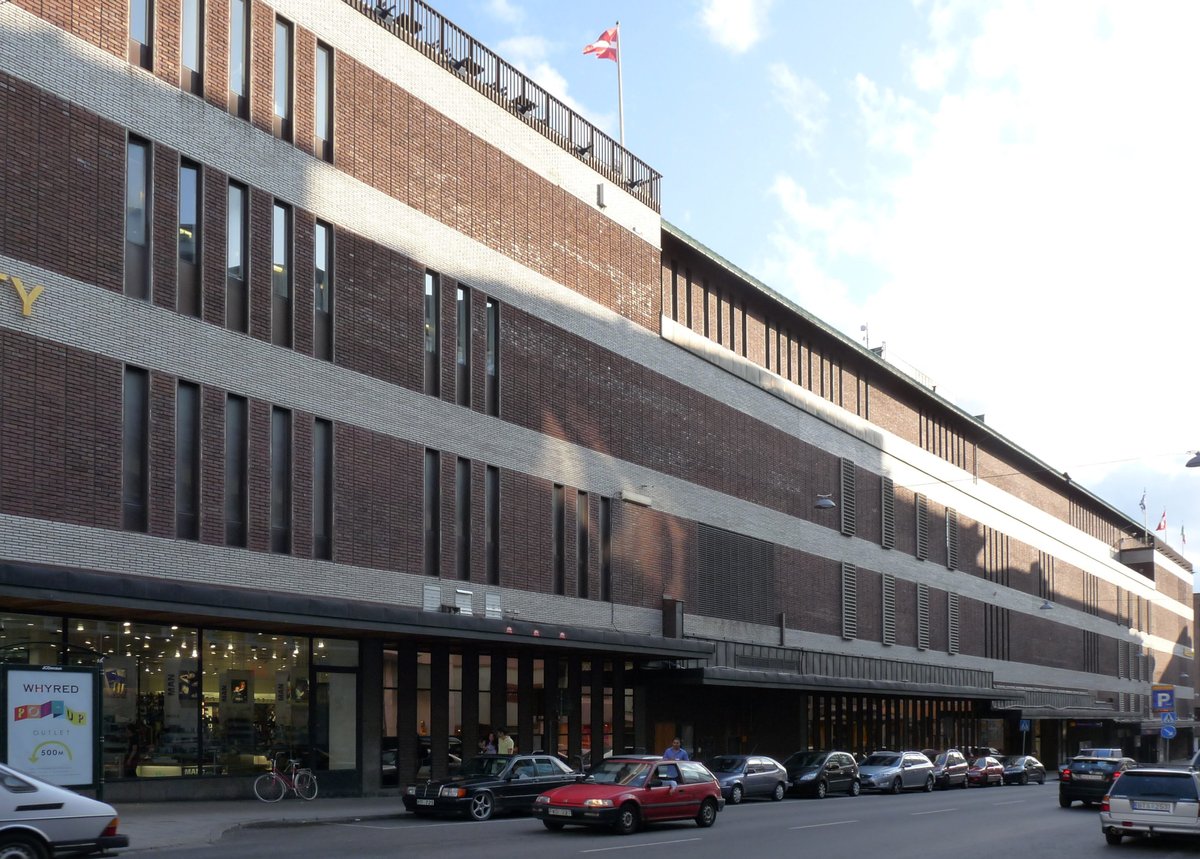
From the 1980s onward, the district experienced a shift from heavy industry to office and residential use. The “kontorisering” movement saw the development of large office complexes such as Stora Katrineberg 16, while modern residential projects like Stora Katrineberg 19 (completed in 2009 by Sjaelsögruppen and designed by Kjellander and Sjöberg) introduced contemporary design elements that respect the area’s industrial heritage (Wikipedia). Urban renewal initiatives throughout the 1990s and 2000s enhanced public spaces, improved lighting, and rejuvenated the neighborhood, making it more appealing for residents and visitors alike.
Present-day debates focus on balancing new developments with heritage preservation, ensuring that the district’s unique character endures as Stockholm continues to grow (Stockholmskyline).
Visitor Information
Visiting Hours
Kvarteret Stora Katrineberg is an open urban district accessible year-round. As a residential area, there are no set visiting hours for the district as a whole. Most public spaces, waterfront promenades, and parks are open throughout the day.
Tickets and Entry
There is no entrance fee for exploring the district or viewing its architectural exteriors. The interiors of buildings such as Liljeholmsvägen 8 are private, with access restricted to residents and their guests.
Guided Tours & Events
Regular guided tours are not offered specifically for Kvarteret Stora Katrineberg due to its residential nature. However, local tour operators occasionally feature the area in walking tours focused on Liljeholmen’s history and architecture. For information on special events or potential historical presentations for residents and guests, contact the housing cooperative board via [email protected].
Accessibility & Facilities
- Streets and Paths: The area is walkable, with paved pathways and waterfront promenades. Wheelchair users can access most public spaces, though some older structures may have limited internal accessibility.
- Public Transport: Liljeholmen metro station and several bus lines provide convenient access (Mapcarta). City bike rentals are also available.
- Restrooms: Public toilets are located in nearby parks, shopping centers, and metro stations.
- Parking: Limited street parking is available; visitors are encouraged to use public transportation or commercial parking facilities at Liljeholmstorget.
Getting There & Parking
- Address: Liljeholmsvägen 8, 117 61 Stockholm
- Metro: Liljeholmen (red line), a short walk from the district
- Bus: Multiple routes serve Liljeholmen and Hornstull
- Car: Limited parking; public transport is strongly recommended
Nearby Attractions and Sites
Hornstull
A trendy neighborhood known for its independent boutiques, cafés, and vibrant street markets (The Blonde Abroad).
Liljeholmstorget
A modern shopping center offering retail, dining, and essential services.
Liljeholmsbadet
A historic floating bathhouse on Lake Mälaren, open in summer for swimming and relaxation (Mapcarta).
Södermalm
Stockholm’s creative heart, home to art galleries, vintage shops, Fotografiska museum, and panoramic viewpoints like Skinnarviksberget (Danny CPH).
Waterfront Promenades
Scenic paths along Liljeholmskanalen and Lake Mälaren are ideal for walking, cycling, and photography.
Essential Visitor Tips
- Respect Privacy: Kvarteret Stora Katrineberg is private; do not attempt to enter residential buildings.
- Photography: The area offers excellent photo opportunities—focus on exteriors and public spaces.
- Seasonal Advice: Late spring to early autumn offers the best weather for exploration. In winter, dress warmly and exercise caution on potentially icy paths.
- Dining: Enjoy Swedish and international cuisine at local cafés and restaurants in nearby districts.
- Payment: Stockholm is largely cashless; credit/debit cards and mobile payments are widely accepted (Travel Notes & Beyond).
Frequently Asked Questions (FAQ)
Q: Can I enter Kvarteret Stora Katrineberg’s buildings?
A: No, access is limited to residents. Visitors can view and photograph exteriors from public areas.
Q: Are there tickets or entrance fees?
A: No, there are no fees to explore the district’s public spaces.
Q: Is the area accessible for mobility-impaired visitors?
A: Most streets and paths are accessible, but some older buildings have limited internal access.
Q: Are guided tours available?
A: Occasional walking tours may include the area. Contact local operators or the cooperative board for event information.
Q: Where can I park?
A: Public parking is limited. Use public transport or commercial parking at Liljeholmstorget.
Listen to the full story in the app
Your Personal Curator, in Your Pocket.
Audio guides for 1,100+ cities across 96 countries. History, stories, and local insight — offline ready.
Audiala App
Available on iOS & Android
Join 50k+ Curators
Sources
- verified
- verified
- verified
Last reviewed: