Introduction
Kvarteret Neptunus is a vivid testament to Stockholm’s layered urban story, blending maritime roots, striking architecture, and a thriving cultural scene. Spanning the elegant districts of Östermalm and the medieval heart of Gamla Stan, this quarter encapsulates centuries of urban evolution—from its 17th-century origins to its status as a modern hub for residents, businesses, and visitors. Named after Neptune, the Roman god of the sea, Kvarteret Neptunus embodies Stockholm’s enduring relationship with maritime trade and innovation (Wikipedia: Kvarteret Neptunus, Östermalm).
Whether you are captivated by medieval cellar vaults, the modernist silhouettes of 20th-century urban planning, or the dynamic cultural life centered around the Musikaliska concert hall, Kvarteret Neptunus offers layers of discovery for every visitor. This guide provides comprehensive historical context, architectural highlights, practical visiting information—such as hours, accessibility, and ticketing—and recommendations for nearby attractions, ensuring you make the most of your visit to this unique Stockholm quarter (Architectural Digest: Stockholm Landmarks, Visit Stockholm, Travel Notes & Beyond).
Photo Gallery
Explore Kvarteret Neptunus in Pictures
Historical Development of Kvarteret Neptunus
Early Origins and Naming
Established as early as 1654, Kvarteret Neptunus derives its name from Neptune, reflecting Stockholm’s maritime heritage. The tradition of naming city blocks after mythological figures is evident across Stockholm, with the Neptunus name also present in both Östermalm and Gamla Stan, each carrying its unique historical narrative (Wikipedia: Kvarteret Neptunus, Östermalm).
Urban Context and Boundaries
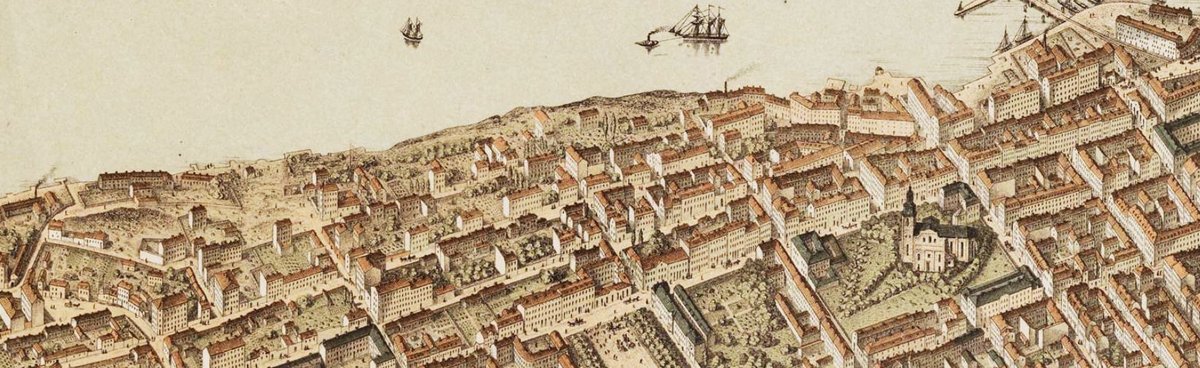
In Östermalm, Kvarteret Neptunus is framed by Storgatan, Styrmansgatan, Linnégatan, and Grevgatan—an area noted for its blend of residential tranquility and vibrant commerce (Visit Stockholm: Östermalm). In Gamla Stan, the block lies among Västerlånggatan, Storkyrkobrinken, Högvaktsterrassen, and Mynttorget, at the intersection of the medieval street grid and ceremonial spaces near the Royal Palace (Wikipedia: Kvarteret Neptunus större).
19th & Early 20th Century Urbanization
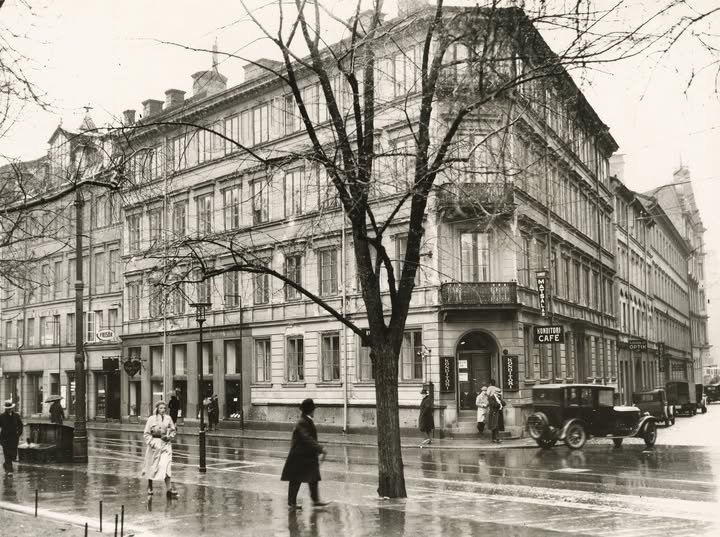
The 19th century marked a period of rapid expansion for Stockholm. Östermalm, with Kvarteret Neptunus at its heart, transformed from semi-rural outskirts to a fashionable district with grand boulevards and modern apartment buildings, attracting the city’s affluent population (World City History).
Architectural Milestones
Modernist Landmarks in Östermalm
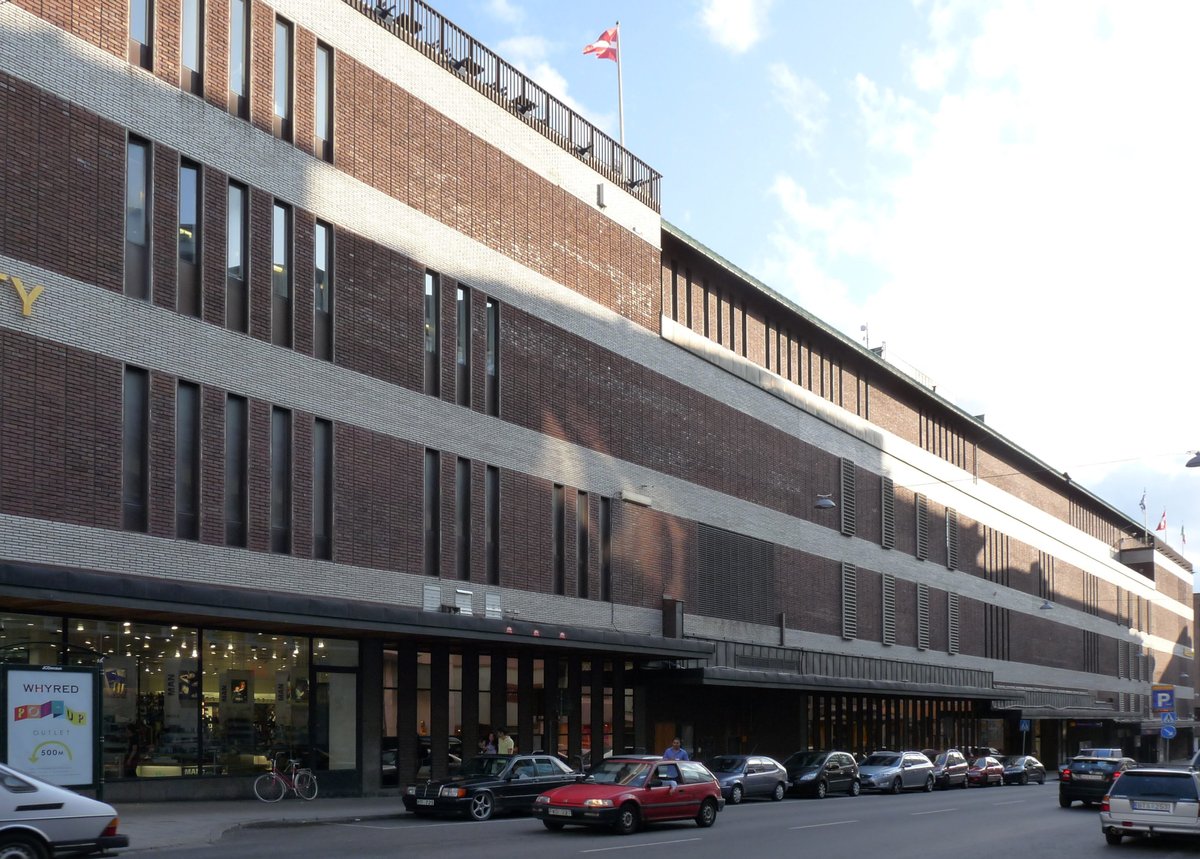
- Neptunus 26: Built in 1935–36 by architect Hjalmar Westerlund, this six-story residential building exemplifies functionalist design with red brick facades, geometric lines, and integrated retail. Its unique setback on Storgatan reflects evolving urban planning priorities (Wikipedia: Kvarteret Neptunus, Östermalm).
- Neptunus 31: Completed in 1957, this commercial office building replaced Stockholm’s oldest private bakery. Commissioned by Allmänna livförsäkringsbolaget Oden and designed by Ernst Grönwall, it highlights post-war commercial development.
These buildings illustrate Stockholm’s 20th-century architectural evolution—blending functionalism, mixed-use planning, and adaptive responses to urban growth (Architectural Digest: Stockholm Landmarks).
Medieval and Baroque Heritage in Gamla Stan
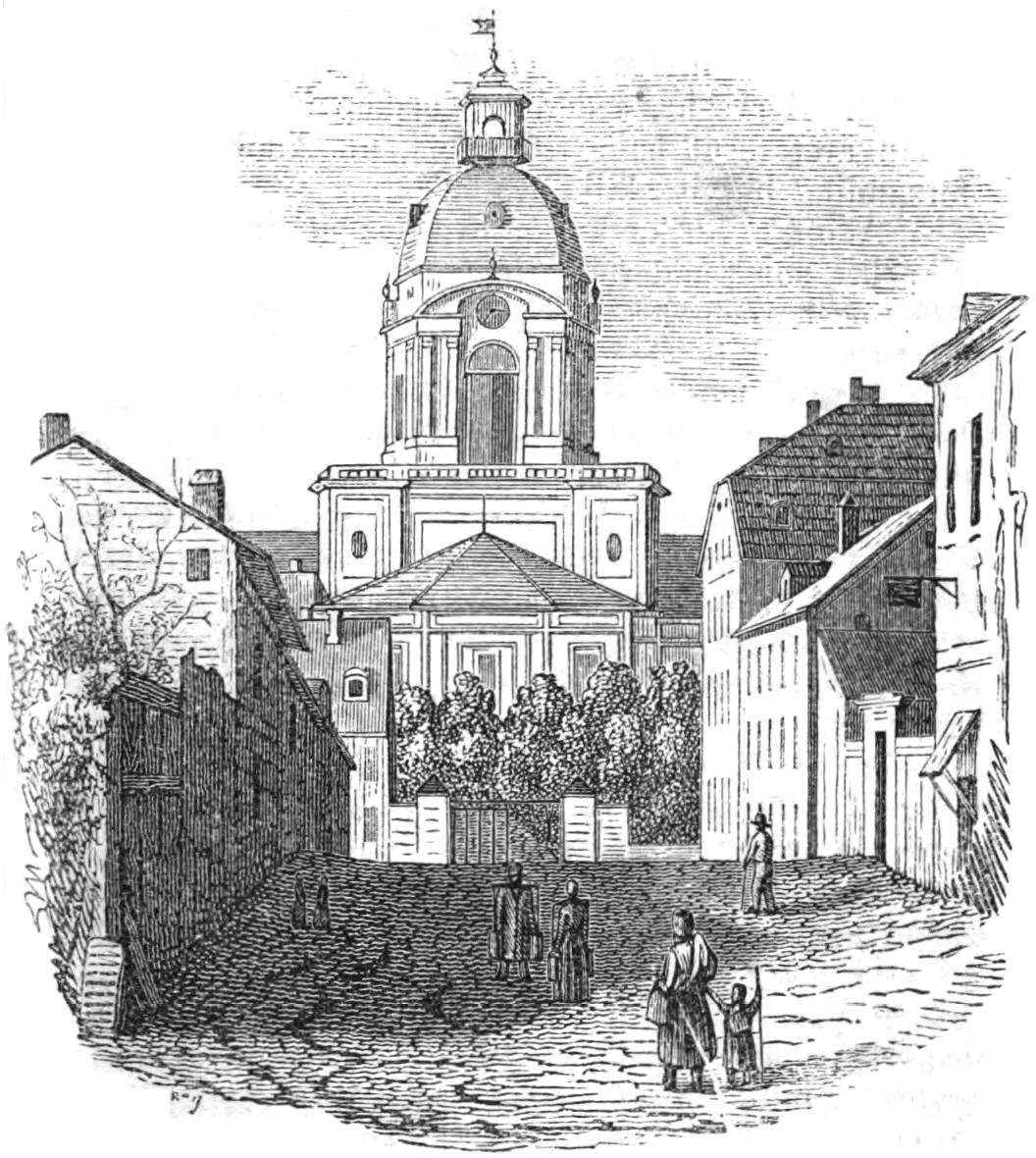
The Neptunus block in Gamla Stan features buildings rooted in the 1600s, many with medieval cellars. Notable heritage sites include:
- Oxenstiernska Palatset: A baroque palace begun in 1653, showcasing symmetry and restrained classical detail.
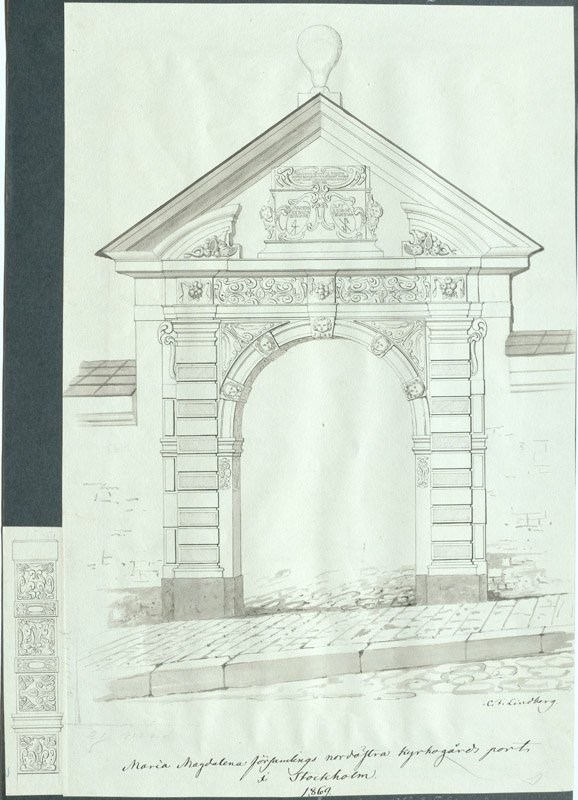
- Beijerska Huset: Built in the 1660s, this house merges medieval foundations with Renaissance and early Baroque features, including arcaded street levels and ornate stonework.
The block’s architecture reflects Stockholm’s commercial and artisanal history, with protected monument status for several key structures (Wikipedia: Kvarteret Neptunus större).
Visiting Kvarteret Neptunus: Practical Information
Visiting Hours & Tickets
- Open Access: Kvarteret Neptunus, in both Östermalm and Gamla Stan, is an open urban area. Visitors can explore streets and facades at any time, with no entrance fees required.
- Venues and Events: Access to specific venues, such as Musikaliska Kvarteret (concert hall), is governed by event schedules. Tickets for concerts and exhibitions can be purchased online or at venue box offices (musikaliska.se).
Accessibility
- Östermalm: Paved sidewalks and modern infrastructure ensure easy access for wheelchairs and strollers. Public transport connections are excellent, with nearby metro, bus, and tram stops.
- Gamla Stan: While mostly pedestrianized, the area features cobblestone streets and some uneven surfaces, posing challenges for visitors with limited mobility.
For detailed accessibility information, consult (Visit Stockholm Accessibility).
Guided Tours & Events
- Walking Tours: Several companies offer guided tours focusing on the architecture and history of Östermalm and Gamla Stan, often including Kvarteret Neptunus. Booking in advance is recommended.
- Cultural Events: Musikaliska Kvarteret hosts a diverse calendar of concerts, festivals, and special events. Check their official calendar for details.
- Seasonal Highlights: Spring and summer bring outdoor festivals and extended daylight, while winter offers festive markets and concerts.
Facilities and Amenities
- Restrooms: Available in venues and local cafés.
- Dining: Numerous restaurants and coffee shops are nearby, especially in Östermalm and along the Nybrokajen waterfront.
- Public WiFi: Free WiFi is widely available (Visit Stockholm Free WiFi).
- Luggage Storage: Provided at Stockholm Centralstation (Tours and Tickets).
Getting There
- Public Transport: Metro stations (e.g., Kungsträdgården, Gamla Stan), bus and tram lines, and bike lanes connect to both quarters. The Stockholm Card offers unlimited transport and discounts (Stockholm Card).
- From Airport: Arlanda Express trains, airport buses, and taxis connect Arlanda Airport to the city center.
Nearby Attractions
- Nybrokajen Waterfront: Scenic promenade and departure point for boat tours to Djurgården (Visit Stockholm).
- Gamla Stan: Stockholm’s medieval old town, with the Royal Palace, Stockholm Cathedral, and Stortorget square (Timeout Stockholm).
- Östermalm: Upscale shopping, dining, and the historic Östermalms Saluhall food market (View Stockholm).
- Djurgården Island: Home to the Vasa Museum, Skansen, ABBA The Museum, and Gröna Lund amusement park.
- Kungsträdgården Park: Events, concerts, and cherry blossoms in spring (AtickettoTakeoff).
- Skeppsholmen: Art museums and tranquil waterfront walks (View Stockholm).
- Royal Swedish Opera and Kulturhuset: Cultural venues for music, exhibitions, and performing arts (AtickettoTakeoff).
Preservation & Contemporary Relevance
Kvarteret Neptunus reflects Stockholm’s approach to urban evolution—balancing preservation with modern life. In Gamla Stan, protected buildings like the Oxenstierna Palace and Beijerska huset anchor the city’s medieval and baroque identity. In Östermalm, well-maintained 20th-century buildings embody modernist ideals and adaptive planning. The quarter remains a dynamic locale for residents and visitors, enriched by its cultural institutions and lively public spaces (Visit Stockholm).
Frequently Asked Questions (FAQ)
Q: What are the visiting hours for Kvarteret Neptunus?
A: The quarter’s streets and facades are accessible 24/7. For concerts or exhibitions, check specific venue hours (musikaliska.se).
Q: Is there an entrance fee or ticket required?
A: No ticket is needed to explore public areas. Event tickets are required for concerts and some exhibitions.
Q: Are guided tours available?
A: Yes, walking tours of Östermalm and Gamla Stan often include Kvarteret Neptunus. Book in advance with local tour providers.
Q: Is the area wheelchair accessible?
A: Östermalm’s streets are highly accessible; Gamla Stan has some cobblestone surfaces—plan accordingly (Visit Stockholm Accessibility).
Q: What are some nearby attractions?
A: Gamla Stan, the Royal Palace, Djurgården, Nybrokajen waterfront, and Östermalms Saluhall are all within easy reach.
Listen to the full story in the app
Your Personal Curator, in Your Pocket.
Audio guides for 1,100+ cities across 96 countries. History, stories, and local insight — offline ready.
Audiala App
Available on iOS & Android
Join 50k+ Curators
Sources
-
verified
Wikipedia: Kvarteret Neptunus, Östermalm
Retrieved from https://sv.wikipedia.org/wiki/Kvarteret_Neptunus,_%C3%96stermalm
-
verified
Wikipedia: Kvarteret Neptunus större
Retrieved from https://sv.wikipedia.org/wiki/Kvarteret_Neptunus_st%C3%B6rre
-
verified
Architectural Digest: Stockholm Landmarks
Retrieved from https://www.architecturaldigest.com/gallery/stockholm-architectural-landmarks
-
verified
Visit Stockholm
Retrieved from https://www.visitstockholm.com/
-
verified
Travel Notes & Beyond: Visiting Stockholm
Retrieved from https://travelnotesandbeyond.com/visit-stockholm/
-
verified
Stockholm Card
Retrieved from https://www.stockholm-card.com/en/
-
verified
musikaliska.se
Retrieved from https://musikaliska.se
-
verified
Visit Stockholm Accessibility
Retrieved from https://www.visitstockholm.com/travel-info/
-
verified
Visit Stockholm Events and Attractions
Retrieved from https://www.visitstockholm.com/see-do/activities/opening-soon-coming-attractions-in-stockholm/
Last reviewed: