Introduction
Kvarteret Neptunus Större, or “Greater Neptune Block,” is an atmospheric historic city quarter in the heart of Stockholm’s Gamla Stan (Old Town). With its centuries-old architecture, cobblestone streets, and proximity to Stockholm’s most iconic landmarks, this unique block offers visitors an immersive journey through the city’s urban and maritime heritage. This guide provides a detailed overview of Kvarteret Neptunus Större’s history, architectural highlights, visitor information, ticketing, accessibility, and insider travel tips to help you plan a memorable visit to one of Stockholm’s most storied neighborhoods (Wikidata; Travel Curator).
Photo Gallery
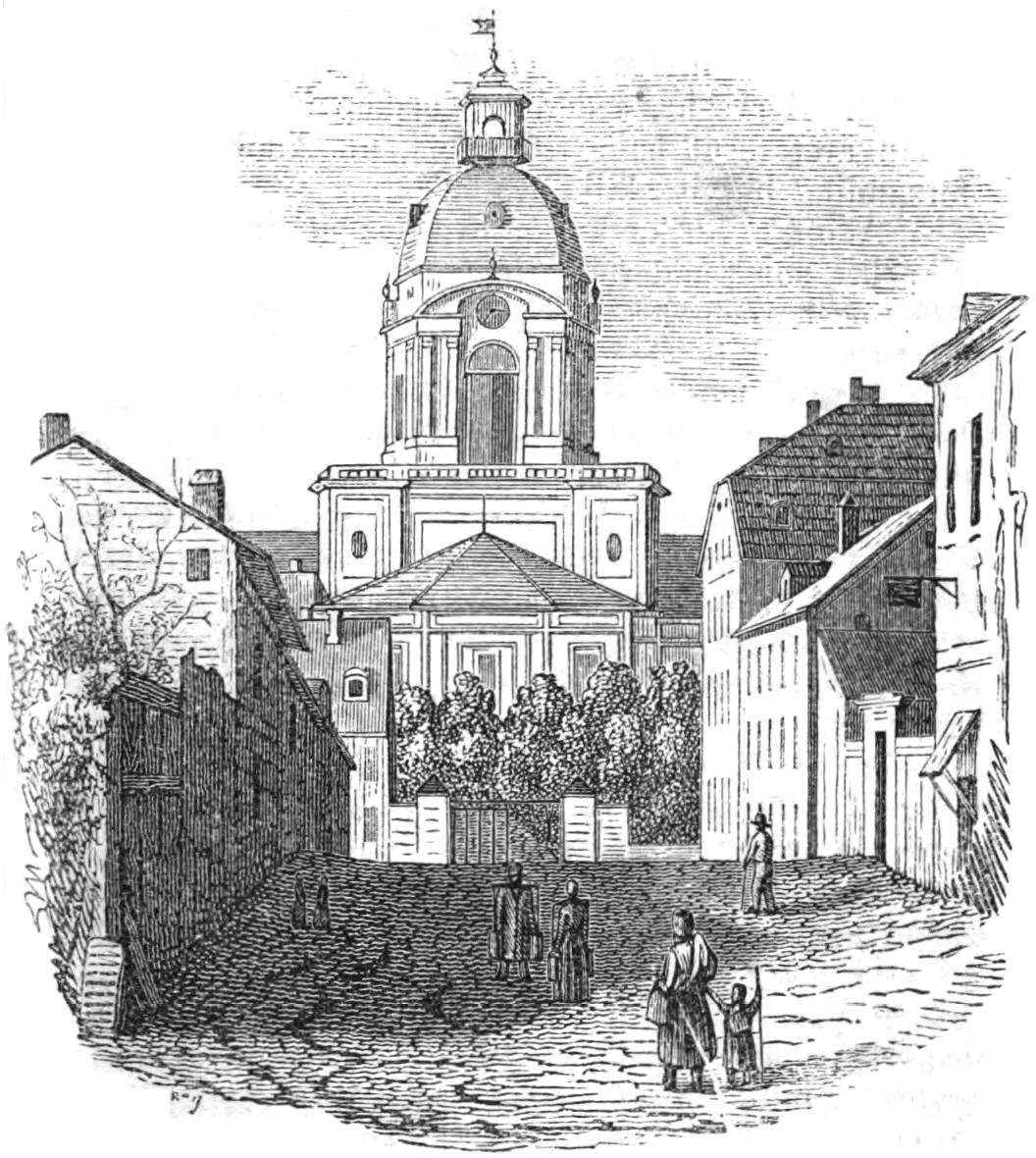
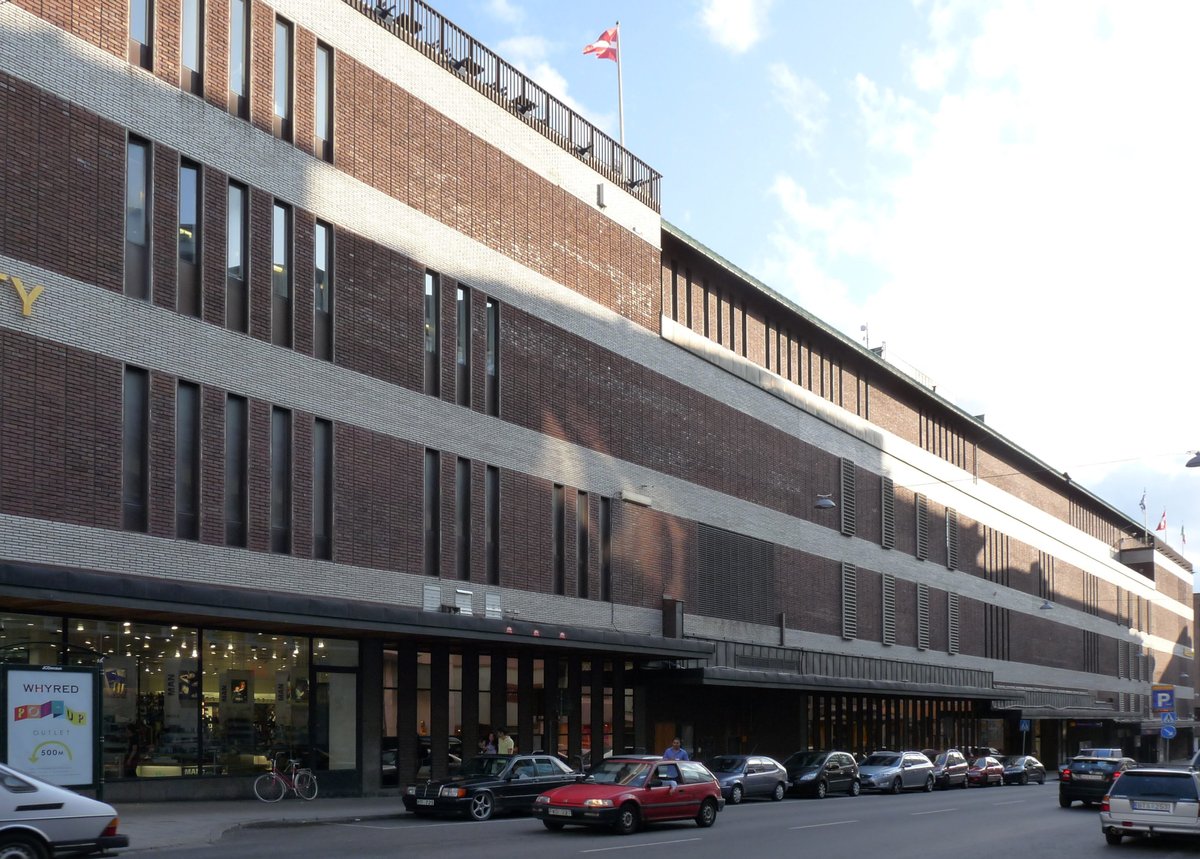
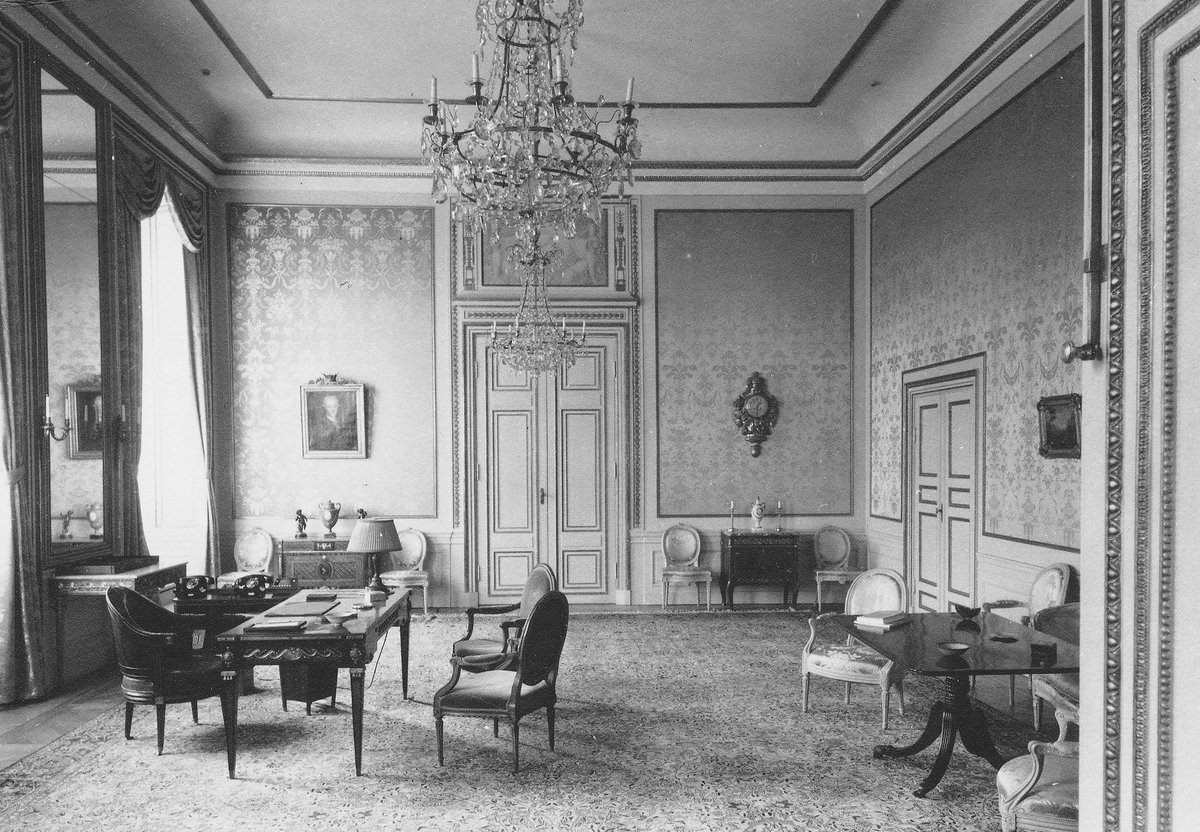
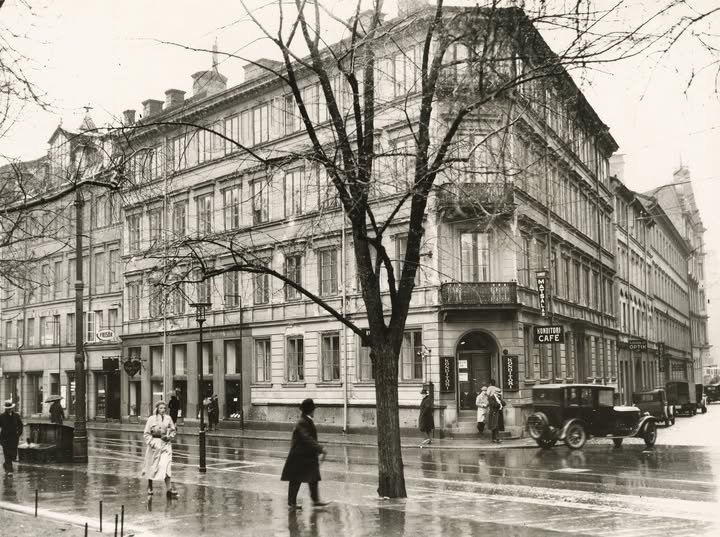
Explore Kvarteret Neptunus Större in Pictures

Historical Background and Urban Development
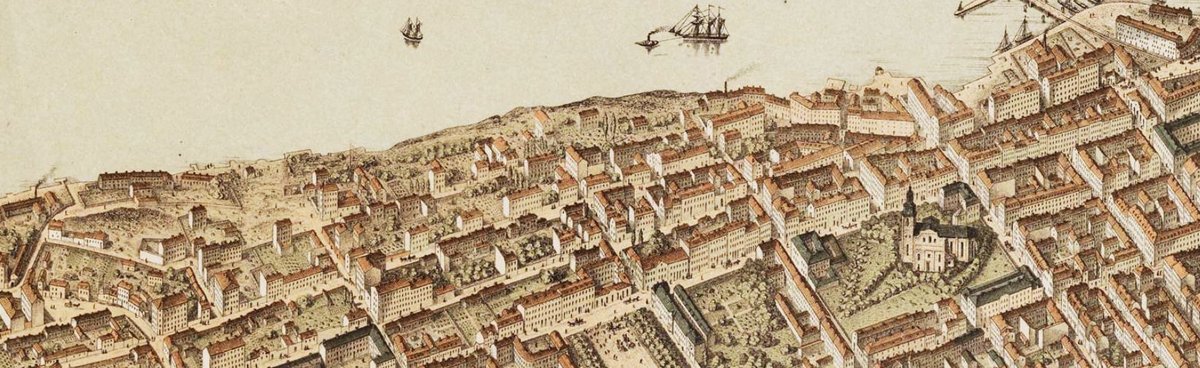
Kvarteret Neptunus Större traces its roots to Stockholm’s post-medieval reconstruction after the great fire of 1625, when the city underwent extensive urban planning and division into “kvarter” (city blocks). The block’s name, referencing Neptune—the Roman god of the sea—highlights Stockholm’s deep maritime legacy as a northern European trading hub (Wikidata). Its location in Gamla Stan placed it at the crossroads of mercantile, administrative, and civic life as Stockholm evolved from a Hanseatic trading town to a modern capital.
The area is defined by a patchwork of historic streets, medieval alleys, and intimate courtyards. Over the centuries, it has been home to influential merchant families, artisans, and civil servants, reflecting the shifting demographics and economic fortunes of Stockholm (Stockholm Tourist Information; Wikipedia).
Architectural Highlights
Medieval Foundations and Baroque Grandeur
Many buildings in Kvarteret Neptunus Större are built atop medieval stone cellars and foundations, some dating back to the 13th and 14th centuries. The visible architecture, however, mainly dates to the 17th and 18th centuries, showcasing Stockholm’s Baroque and Neoclassical styles:
- Stuccoed facades in ochre and yellow, a classic Stockholm palette.
- Symmetrical windows and decorative cornices.
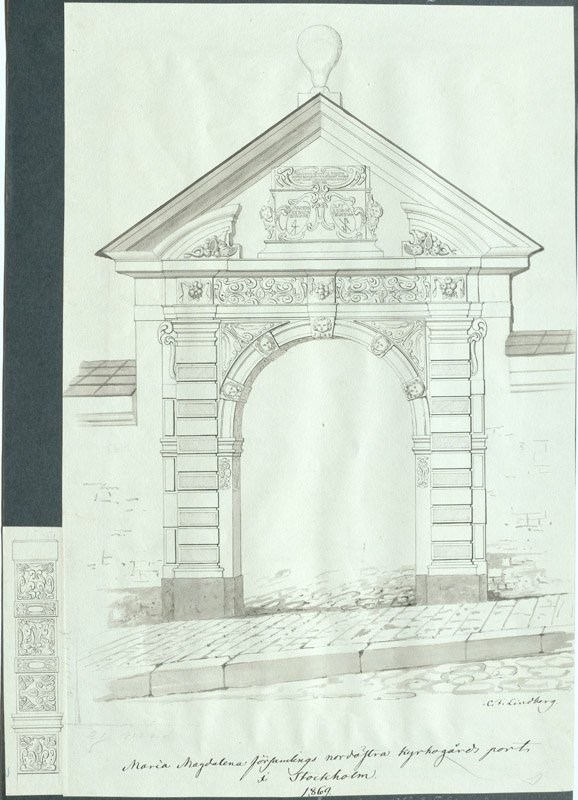
- Ornate stone doorways, some with family crests or merchant marks.
- Steep, tiled or copper-clad roofs designed for Nordic weather.
Adaptive reuse is common: historic exteriors enclose modern apartments, offices, boutique hotels, and restaurants—with original features such as timber beams and vaulted cellars preserved wherever possible (A Day In Stockholm; Travel Curator).
Cultural Significance
Maritime and Mercantile Heritage
The block’s name and location near the waterfront underscore its role in Stockholm’s maritime economy. Historically, its buildings housed shipowners, merchants, and skilled tradespeople whose work fueled the city’s growth. Nautical motifs and merchant marks remain visible on some facades (Wikipedia).
Living Urban Heritage
Kvarteret Neptunus Större is part of a vibrant community, hosting annual festivals, open-house events, and guided historical tours that engage both residents and visitors (My Guide Stockholm). Its streets and courtyards have inspired generations of artists, writers, and filmmakers.
Notable Sites and Landmarks
- Oxenstiernska Palatset: A baroque palace built in 1653, open for guided tours (April–October, Tues–Sat, 10:00–17:00, ticket required).
- Beijerska Huset: A 1660s merchant house, viewable from the street.
- Neptunus Större 14: A protected heritage building facing Västerlånggatan and Mynttorget.
- Prästgatan: One of Stockholm’s oldest streets, running through the quarter and lined with historic facades and ironwork.
- Nearby: The Royal Palace, Storkyrkan (Stockholm Cathedral), and the Nobel Prize Museum are within easy walking distance (Stockholm.com Tourist Map; Hey Explorer).
Visiting Information: Hours, Tickets, and Access
Visiting Hours
The streets and squares of Kvarteret Neptunus Större are open 24/7, year-round. There is no entrance fee to explore public spaces. However, individual buildings, shops, and museums have their own hours—most open 10:00–18:00, with longer hours in summer.
- Oxenstiernska Palatset: Guided tours are from 10:00–17:00 (April–October), tickets approx. 100 SEK (Kringla).
- Other buildings: Primarily private or office spaces; accessible exterior viewing only.
Tickets
- Public areas: Free access.
- Guided tours & exhibitions: 100–200 SEK, book online or at tourist centers (My Guide Stockholm).
Accessibility
- Streets: Cobbled surfaces and narrow alleys may be challenging for wheelchairs and strollers.
- Buildings: Many historic buildings have steps and limited accessibility; some museums and shops offer improved access (Visit Stockholm Accessibility).
- Advice: Contact individual venues or tour operators for details if mobility is a concern.
Travel Tips and Experiences
- Best Time to Visit: Late spring to early autumn for pleasant weather. Early mornings/late evenings for fewer crowds and best photography light.
- What to Wear: Comfortable shoes for uneven streets; dress for changing Nordic weather.
- Fika: Enjoy Swedish coffee breaks at local cafés—try the cinnamon buns in a medieval courtyard.
- Photography: Capture ochre facades, stonework, and hidden courtyards. Golden hour offers dramatic views.
- Local Events: Look out for festivals, historical reenactments, and open-house days (Visit Stockholm Events).
Sustainable Tourism and Preservation
Kvarteret Neptunus Större is part of a protected heritage zone with strict preservation policies. Support conservation by respecting private property, minimizing litter, and patronizing local businesses that embrace sustainability (Visit Stockholm).
Frequently Asked Questions (FAQ)
Q: What are the visiting hours for Kvarteret Neptunus Större?
A: The quarter is open to the public year-round, 24/7. Individual buildings have set hours.
Q: Are tickets required?
A: Access to streets is free; tickets are needed for guided tours or museum entries.
Q: How accessible is the area?
A: Streets can be uneven and narrow; accessibility varies, so check with venues in advance.
Q: How do I get there?
A: Take the Stockholm Metro (Gamla Stan station), bus, or walk from the city center (Visit Stockholm Travel Tips).
Q: What’s the best way to explore?
A: Walking or joining a guided tour for historical and architectural context.
Q: When is the best time to visit?
A: Spring and early autumn for weather; early or late in the day for fewer crowds.
Practical Visitor Information
- Transport: Use public transit; Gamla Stan Metro station is closest.
- Navigation: Download an audio guide (Audiala app) or pick up a free map at tourist centers (Visit Stockholm Contact Center).
- Payments: Most venues are cashless—use card or mobile payment.
- Language: Swedish is official, but English is widely spoken.
- Safety: Stockholm is safe, but be mindful of pickpockets in tourist areas.
- Restrooms: Available at cafés and tourist centers, sometimes for a small fee.
Listen to the full story in the app
Your Personal Curator, in Your Pocket.
Audio guides for 1,100+ cities across 96 countries. History, stories, and local insight — offline ready.
Audiala App
Available on iOS & Android
Join 50k+ Curators
Sources
- verified
- verified
- verified
- verified
- verified
- verified
- verified
- verified
- verified
- verified
- verified
Last reviewed: