Introduction to Hovstallet Royal Stables, Stockholm
Situated in Stockholm’s distinguished Östermalm district, the Royal Stables (Hovstallet) represent nearly five centuries of Swedish royal and equestrian tradition. Established in 1535 by King Gustav Vasa to serve the monarchy’s transport needs, Hovstallet has evolved into a living institution that blends architectural grandeur, history, and ceremonial function. Today, it remains integral to state occasions and is an essential destination for those seeking to explore Sweden’s royal heritage (Lagerlings; Royalpalaces.se).
Visitors to Hovstallet can join guided tours, participate in seasonal events such as the beloved Christmas Market, and view an impressive collection of royal carriages, uniforms, and ceremonial regalia. The stables are accessible and centrally located, making them a highlight for history enthusiasts, families, and anyone interested in royal pageantry (Visit Stockholm; View Stockholm).
Origins and Royal Heritage
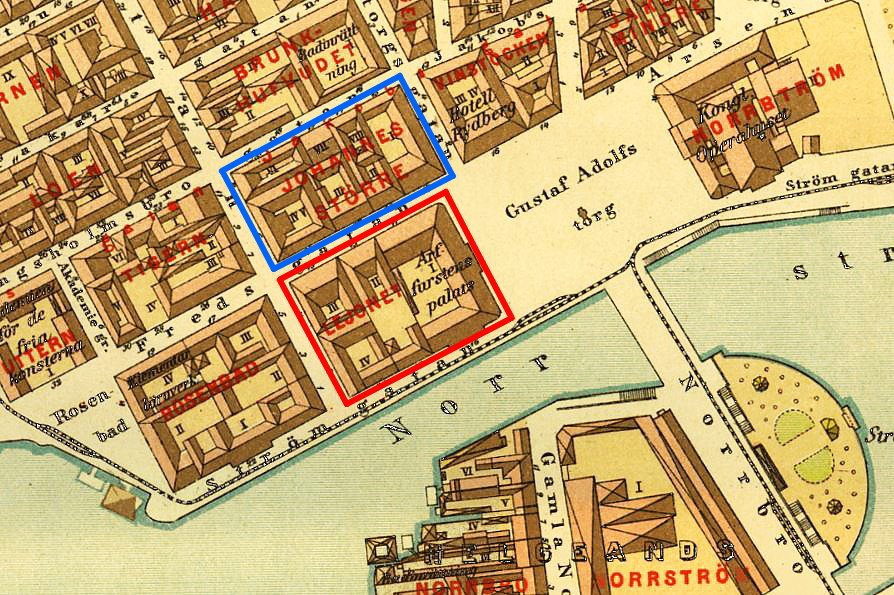
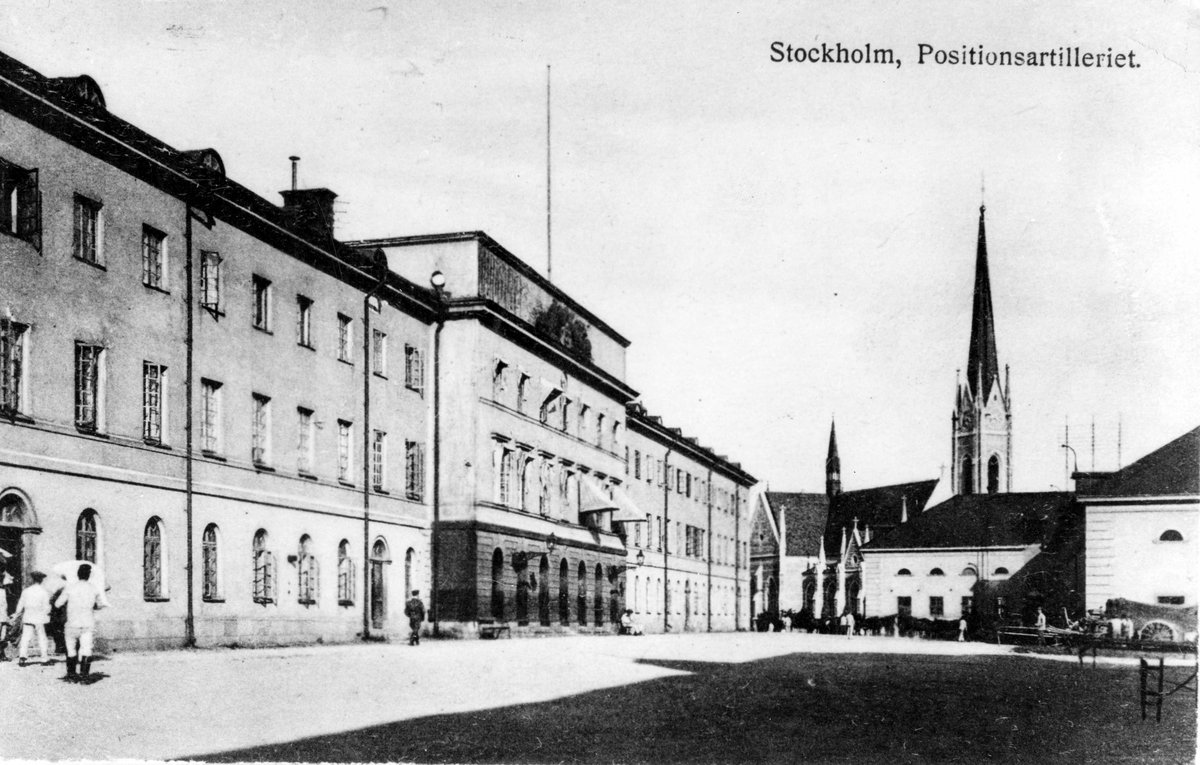
The Royal Stables’ roots trace back to 1535 under King Gustav Vasa, serving as the official center for royal transport and logistics (Lagerlings). Originally located on Helgeandsholmen near the Royal Palace, the stables moved several times before settling in Östermalm in the late 19th century, reflecting the changing needs of the monarchy and city development (Wikipedia).
Architectural Vision and Reception
Commissioned in the 1890s, the current Hovstallet was designed by Fritz Eckert, whose vision drew inspiration from medieval European stables. The fortress-like red brick complex—with its turrets, battlements, and rounded arches—was initially controversial, criticized for its imposing scale and departure from the surrounding cityscape (Lagerlings). Yet, over time, these features became emblematic, contributing to the district’s unique identity.
Evolution and Modern Role
Shortly after its completion in 1892, the stables began to accommodate not only horses but also automobiles, reflecting technological advances. Despite this, horses and carriages continue to play a central role in state functions—such as the State Opening of Parliament, royal weddings, and ambassadorial receptions—maintaining a living link to Sweden’s ceremonial traditions (Visit Stockholm).
Cultural and Cinematic Impact
Hovstallet’s cultural significance extends beyond its official duties. It featured in Ingmar Bergman’s film “Fanny and Alexander” (1982), enhancing its status as a symbol of royal tradition and Stockholm’s cinematic history (Lagerlings). Its preservation and continued use underscore its role in Swedish identity.
Visiting Hovstallet: Practical Information
Location and Getting There
- Address: Väpnargatan 1, Östermalm, Stockholm
- Nearest Metro: Östermalmstorg (5–10 minute walk)
- Public Transport: Multiple bus and tram lines serve the area
- Parking: Limited—public transport recommended (sv.wikipedia.org)
Visiting Hours
- Regular Visits: Generally open to the public during guided tours or special events
- Guided Tours: By reservation; schedules vary by season
- Christmas Market 2025: December 6–8, 10:00–17:00 (View Stockholm)
- Closures: Mondays, public holidays, and during renovations (check official website for updates)
Tickets and Admission
- Guided Tours: Advance booking required; prices vary by tour type and group size
- Christmas Market: Typically free entry
- Discounts: Available for children, seniors, and students
- Purchase: Online or at the entrance (during events)
Accessibility
- Most public areas are wheelchair accessible; some historic sections may have limited access
- Assistance dogs permitted
- Contact staff in advance for specific needs
What to See and Experience
Guided Tours
Guided tours (in Swedish and English) offer access to:
- The working stables and royal horses
- Carriage collection, including the famed Sjuglasvagnen (Seven-Glass Coach)
- Royal motor vehicles, from vintage to modern
- Displays of uniforms, harnesses, and ceremonial regalia
Tours typically last 45–90 minutes and offer insights into royal traditions, equestrian care, and protocol (WhichMuseum).
Exhibitions
- Carriage Museum: Features about 40 historic carriages and sleds
- Uniforms and Harnesses: Displays of parade attire and ornate fittings
- Architectural Highlights: Red brick, medieval-inspired design
The Smithy
During special events, the on-site smithy is open for live demonstrations, showcasing traditional blacksmith skills.
Special Events: Hovstallet Christmas Market
Held annually during the second Advent weekend, this festive market transforms Hovstallet into a hub for Swedish handicrafts, holiday foods, and family activities. Visitors can shop for textiles, jewelry, and traditional Christmas treats, enjoy food stalls, and meet the royal horses in their stalls (View Stockholm; allamassor.se; julmarknad.nu).
Accessibility and Visitor Amenities
- Restrooms: Available during events and tours
- Café/Refreshments: Offered during Christmas Market and select events
- Gift Shop: Pop-up shop during special events
- Photography: Permitted for personal use (no flash/tripods in some areas)
- Cloakroom: Limited; travel light
Visitor Tips & FAQ
Practical Tips
- Dress warmly; interiors are not heated
- Book tours/events in advance, as access is limited
- Suitable for families; children enjoy the horses and festive events
- Combine with nearby attractions: Royal Palace, Swedish Army Museum, Hallwyl House, Strandvägen (Nomadic Matt)
Frequently Asked Questions
Q: Can I visit without a guided tour?
A: Public access is limited to special events (e.g., Christmas Market); otherwise, advance booking for tours is necessary.
Q: Are the stables wheelchair accessible?
A: Most public areas are accessible; contact ahead for details.
Q: Is photography allowed?
A: Yes, for personal use; restrictions apply in some areas.
Q: Can I interact with the horses?
A: Interactions are supervised during tours and events; follow staff guidance.
Q: Are pets allowed?
A: Only assistance animals are permitted.
Q: What languages are tours offered in?
A: Swedish and English; inquire about additional languages.
Listen to the full story in the app
Your Personal Curator, in Your Pocket.
Audio guides for 1,100+ cities across 96 countries. History, stories, and local insight — offline ready.
Audiala App
Available on iOS & Android
Join 50k+ Curators
Sources
- verified
- verified
- verified
- verified
- verified
- verified
- verified
Last reviewed: