Introduction
Nestled within the lush expanse of Hagaparken in Stockholm, the Haga Echo Temple (Ekotemplet) stands as a striking symbol of Swedish neoclassical architecture and royal heritage. Built in 1790 under King Gustav III, this open-air pavilion blends architectural elegance with the park’s natural beauty, enchanting visitors with its famed echo effect. Today, the Echo Temple remains freely accessible, offering a unique experience for those interested in history, architecture, and outdoor recreation. This guide provides comprehensive information on the temple's origins, cultural significance, visiting hours, travel tips, and nearby attractions to help you plan a memorable visit.
For official information on Hagaparken and the Echo Temple, consult Visit Stockholm and Kungliga Slotten.
Photo Gallery
Explore Haga Echo Temple in Pictures

A detailed image of the restored amorin figure originally from the roof of the Echo Temple, displayed in the Park Museum. This artifact represents historical architectural decoration.

View of Ekotemplet and Amor and Psyche Temple located in Hagaparken, showcasing classic architecture beside calm water and lush green trees

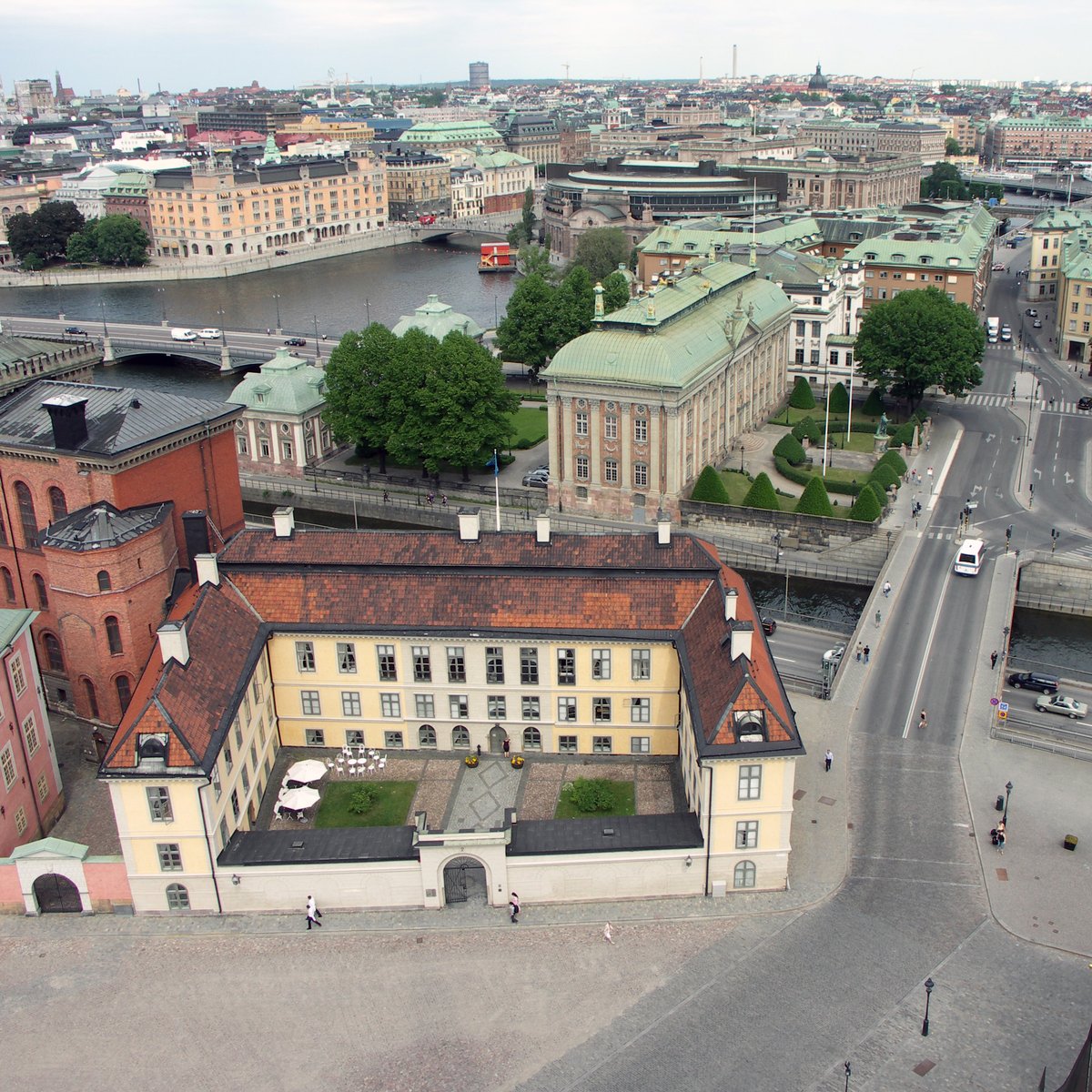
A high-resolution aerial photograph showing the city of Stockholm, Sweden, featuring its waterways, urban landscape, and architectural details under clear skies.

A beautiful panoramic view of Stockholm city showcasing historic architecture along the waterfront with boats and a partly cloudy sky. Ideal for travel and cityscape themes.
Historical Background and Royal Context
Origins and Royal Vision
The Haga Echo Temple is a product of King Gustav III’s ambition to transform the area north of Stockholm into a royal landscape park reflecting Enlightenment ideals. Completed in 1790, the temple was intended as a summer dining pavilion and a gathering place for the king and his guests. Gustav III’s vision drew inspiration from the English landscape garden movement, integrating architecture with nature in a harmonious setting (Hagaparken, Visit Stockholm).
Architectural Patronage
Designed by Carl Christoffer Gjörwell, the Echo Temple forms part of Hagaparken’s eclectic collection of architectural follies, which includes the Turkish Kiosk, Chinese Pavilion, and Copper Tents. The pavilion’s placement on a gentle rise overlooking Brunnsviken Lake maximizes its visual impact and social function within the park (Wikipedia; Kungliga Slotten).
Architectural Features and Design
Neoclassical Style and Structure
The Echo Temple is a circular, open-air pavilion with twelve slender Doric columns supporting a domed roof, showcasing Swedish neoclassical design principles of symmetry and simplicity. The columns’ understated capitals and the absence of walls foster a seamless connection with the surrounding landscape. Originally roofed with copper, now softly patinated green, the temple blends harmoniously with the environment.
Acoustic Phenomenon
The temple’s signature feature is its acoustics: the domed ceiling and colonnade create a unique echo effect, amplifying sounds such as music or speech. This playful design element was intentionally incorporated for royal gatherings and continues to fascinate visitors who enjoy testing the effect by clapping or singing inside (Unofficial Royalty).
Integration with Hagaparken
Hagaparken itself is a 144-hectare English landscape park characterized by rolling lawns, winding paths, and thoughtfully placed architectural follies. The Echo Temple’s open design and elevated location make it a focal point for park-goers, offering panoramic views of Brunnsviken Lake and the surrounding greenery (Visit Stockholm; Kungliga Slotten).
Cultural Significance
Royal and Social Life
The Echo Temple was a favored venue for royal picnics and social events in the late 18th and early 19th centuries, exemplifying Gustav III’s appreciation for arts and outdoor entertaining. After the king’s assassination in 1792, the temple remained cherished by the royal family. Today, Hagaparken retains its royal connection, with Haga Palace serving as the residence of Crown Princess Victoria (Hagaparken, Visit Stockholm).
Artistic Inspiration
The Echo Temple and Hagaparken have inspired artists, writers, and composers throughout Swedish history. The temple’s acoustics make it a popular spot for impromptu performances and events.
Public Access and Preservation
Uniquely, Hagaparken and the Echo Temple have long been open to the public, encouraging recreation and cultural appreciation. The park is legally protected as part of the Royal National City Park, ensuring ongoing preservation (Kungliga Slotten).
Visiting Hours and Tickets
- Admission: Free entry; no tickets or reservations required (intravel.net).
- Visiting Hours: Hagaparken and the Echo Temple are open year-round, 24 hours a day, as they are outdoor sites with no gates or barriers.
Getting There
- Public Transport:
Take the Stockholm metro (Tunnelbana) to Odenplan, then bus 515 (or bus 70 on weekdays) towards Haga Norra. Disembark at Haga Norra, then walk to the temple (sim1.se). - Train:
Local trains stop at Solna, with easy transfer to bus 515. - By Foot:
From St. Eriksplan metro station, a pleasant walk leads through city neighborhoods to the park’s southern entrance. - By Car:
Exit E4 at Haga Norra/Hagaparken. Parking is available but limited, especially during weekends.
Accessibility: Main paths are stroller- and wheelchair-friendly, though the approach to the Echo Temple includes a gentle incline (intravel.net).
Facilities and Amenities
- Restrooms: Located near main entrances and at the Butterfly House (Fjärilshuset).
- Cafés & Restaurants: The historic Stallmästaregården inn and seasonal park kiosks (sim1.se).
- Picnic Areas: Lawns around the temple are ideal for picnics.
- Child-Friendly: Open spaces, playgrounds, and proximity to the Butterfly House make the park family-friendly.
Best Times to Visit
- Season: Late spring to early autumn (May–September) offers mild weather and blooming gardens (globalhighlights.com).
- Events: Summer concerts, festivals, and weddings often use the Echo Temple as a venue (intravel.net).
Key Attractions in Hagaparken
Echo Temple (Ekotemplet)
A must-see centerpiece, the Echo Temple’s open-air design and unique acoustics make it popular with families, musicians, and photographers (Urtrips).
Gustav III’s Pavilion
A neoclassical masterpiece occasionally accessible via guided tours.
Copper Tents (Koppartälten)
Three copper-roofed buildings, now hosting a café and museum.
Haga Palace
Currently the residence of Crown Princess Victoria; not open to the public, but visible from several park vantage points (Schwedentipps).
Haga Ruins
Remains of a 16th-century castle built by Gustav Vasa, preserved as a historical site (The Frontier Post).
Butterfly House (Fjärilshuset)
A tropical greenhouse with butterflies and an aquarium (intravel.net).
Bergianska Trädgården
A nearby botanical garden for plant enthusiasts.
Experiences and Activities
- Walking, Jogging, Cycling: Extensive paths wind throughout the park, ideal for year-round exercise and leisure (Schwedentipps).
- Boating: Canoe and rowboat rentals available on Brunnsviken Lake (Urtrips).
- Family Activities: Playgrounds, open spaces, and a small zoo. The Echo Temple often hosts concerts and outdoor theater.
- Picnicking: Abundant lawns and shaded areas; café options in the Copper Tents.
Practical Tips
- Weather: Dress in layers and bring sun/rain protection (globalhighlights.com).
- Payments: Most cafés and attractions accept cards only (timeout.com).
- Respect: Dispose of litter responsibly and follow conservation signs.
- Accessibility: While most main paths are accessible, assistance may be needed on grassy or sloped areas.
Photography and Drone Use
- Photography: Personal photography is encouraged. The Echo Temple is a popular spot for weddings and events.
- Drone Use: May be restricted; check local regulations before flying.
Safety, Security, and Etiquette
- The park is safe and well-frequented during the day; emergencies, call 112.
- Staff and signage are mostly in Swedish and English.
- Dogs are welcome but must be leashed.
- Please respect others by keeping noise levels moderate, especially at the Echo Temple.
- For private events or photoshoots, permits may be required (intravel.net).
Frequently Asked Questions (FAQ)
Q: What are the Haga Echo Temple visiting hours?
A: Open year-round, 24 hours a day, with free access.
Q: Is there an admission fee?
A: No, entry to the temple and Hagaparken is free.
Q: How do I get there by public transport?
A: Metro to Odenplan, then bus 515 to Haga Norra; or train to Solna and transfer to bus 515.
Q: Are facilities like restrooms and cafés available?
A: Yes, near entrances and main attractions.
Q: Is the site accessible for people with mobility challenges?
A: Main paths are accessible, but some grassy areas may require assistance.
Q: Can I take photos or use drones?
A: Personal photography is allowed; drone use may be restricted.
Useful Contacts
Explore More
- Visit Stockholm’s Official Guide to Hagaparken and the Echo Temple
- Kungliga Slotten: Royal Palaces and Sites
- Sim1: Guide to Hagaparken
- InTravel: Haga Echo Temple
- Urtrips: Haga Park
- Schwedentipps: Hagaparken and Haga Palace
- The Frontier Post: Preservation of Haga Ruins
- Global Highlights: Weather in Stockholm
- Timeout: Stockholm Travel Tips
- Unofficial Royalty: Haga Palace and Park
- Wikipedia: Haga Echo Temple
Audiala2024
Listen to the full story in the app
Your Personal Curator, in Your Pocket.
Audio guides for 1,100+ cities across 96 countries. History, stories, and local insight — offline ready.
Audiala App
Available on iOS & Android
Join 50k+ Curators
Sources
- verified
- verified
- verified
- verified
Last reviewed: