Plan and listen to Finnish Church with Audiala.
Audio guide in your pocket, itinerary in your browser. Built for the way you actually visit.
Introduction
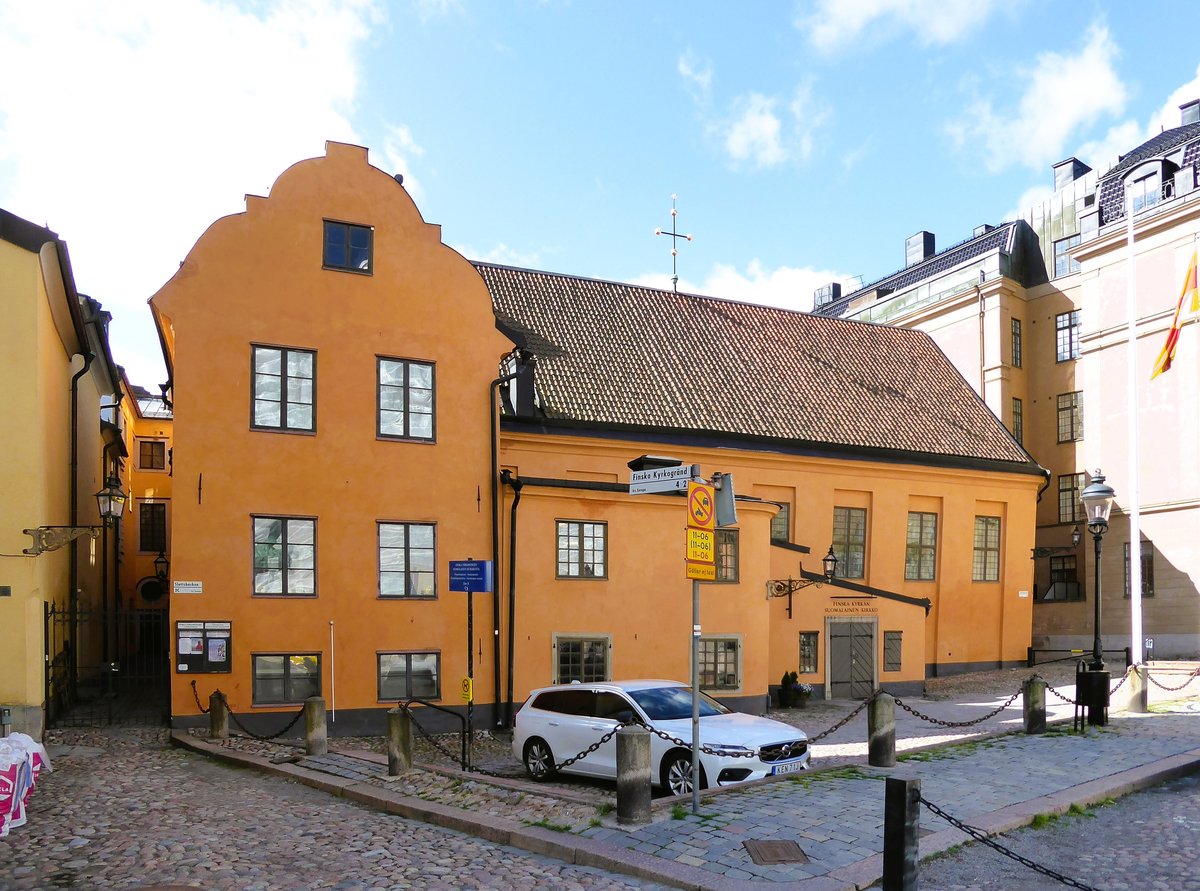
Nestled in Stockholm’s historic Gamla Stan (Old Town), the Finnish Church (Finska kyrkan) is a vibrant testament to the enduring Finnish presence in Sweden’s capital. Originally established in 1533 to serve Finnish-speaking migrants during the centuries-long Sweden–Finland union, the church has evolved into a cultural hub and community center, symbolizing the strong Finnish identity within Stockholm (Finnish Church Official Site; Finland–Sweden relations).
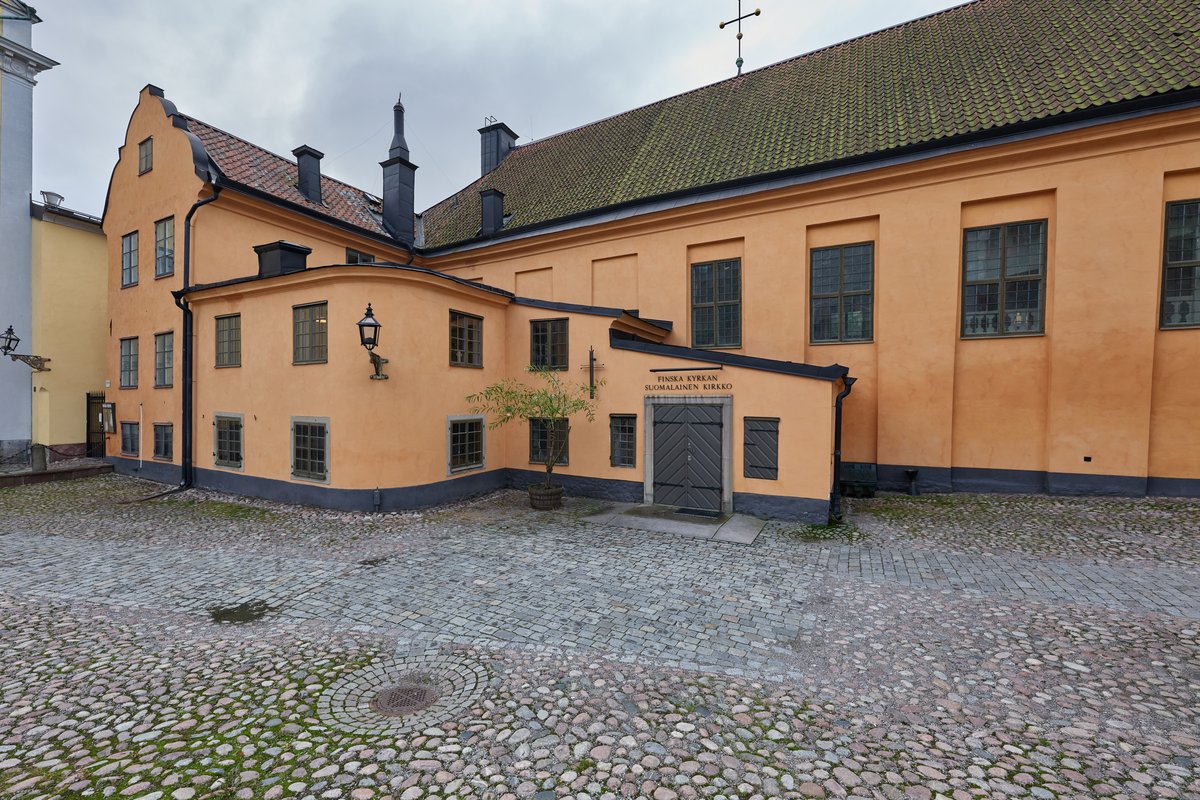
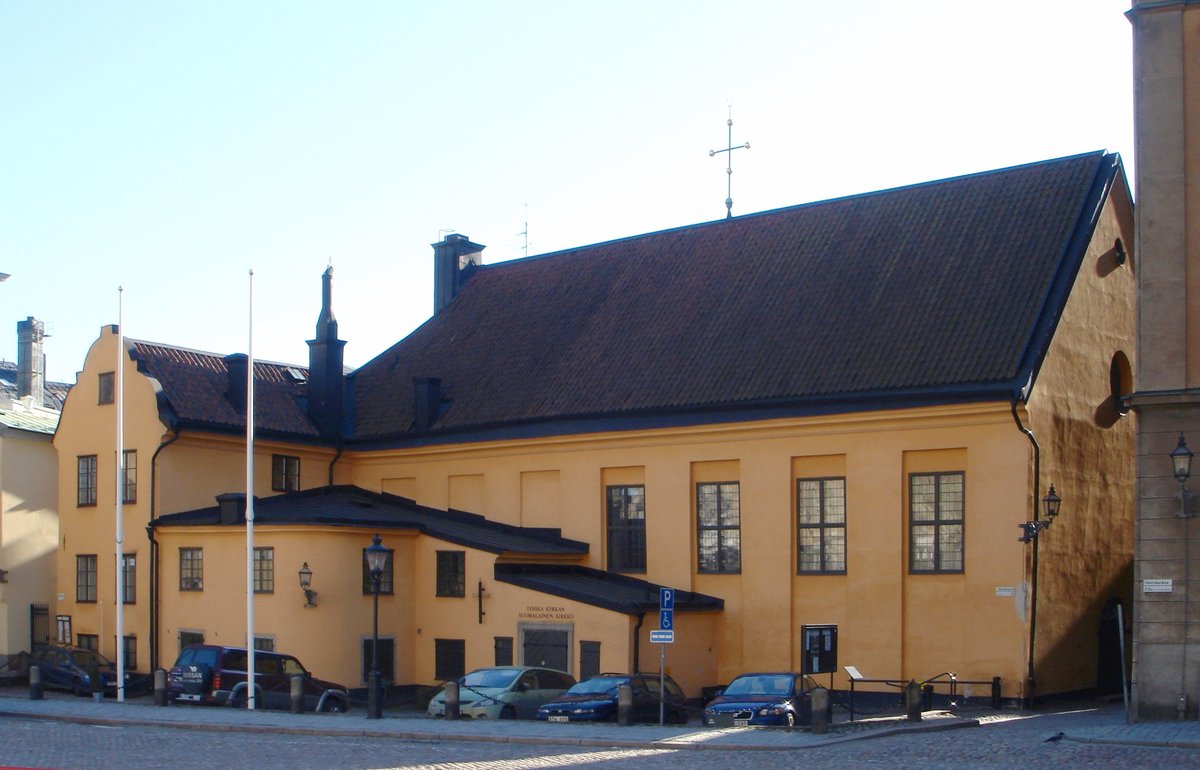
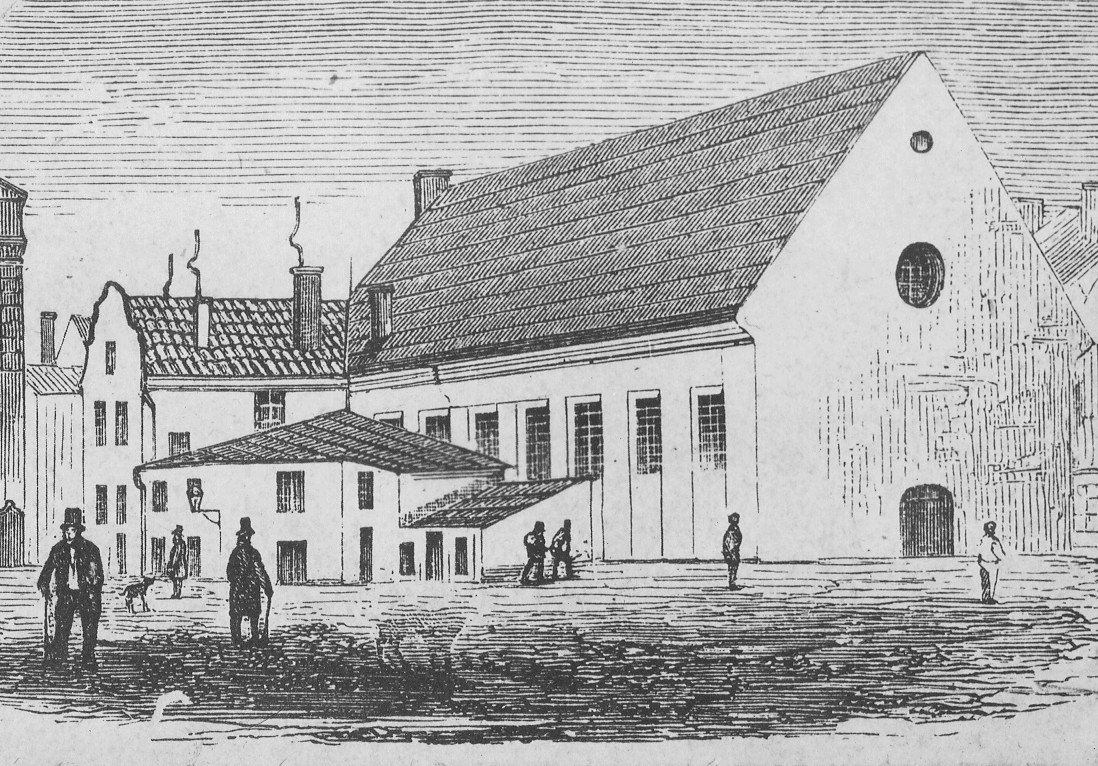
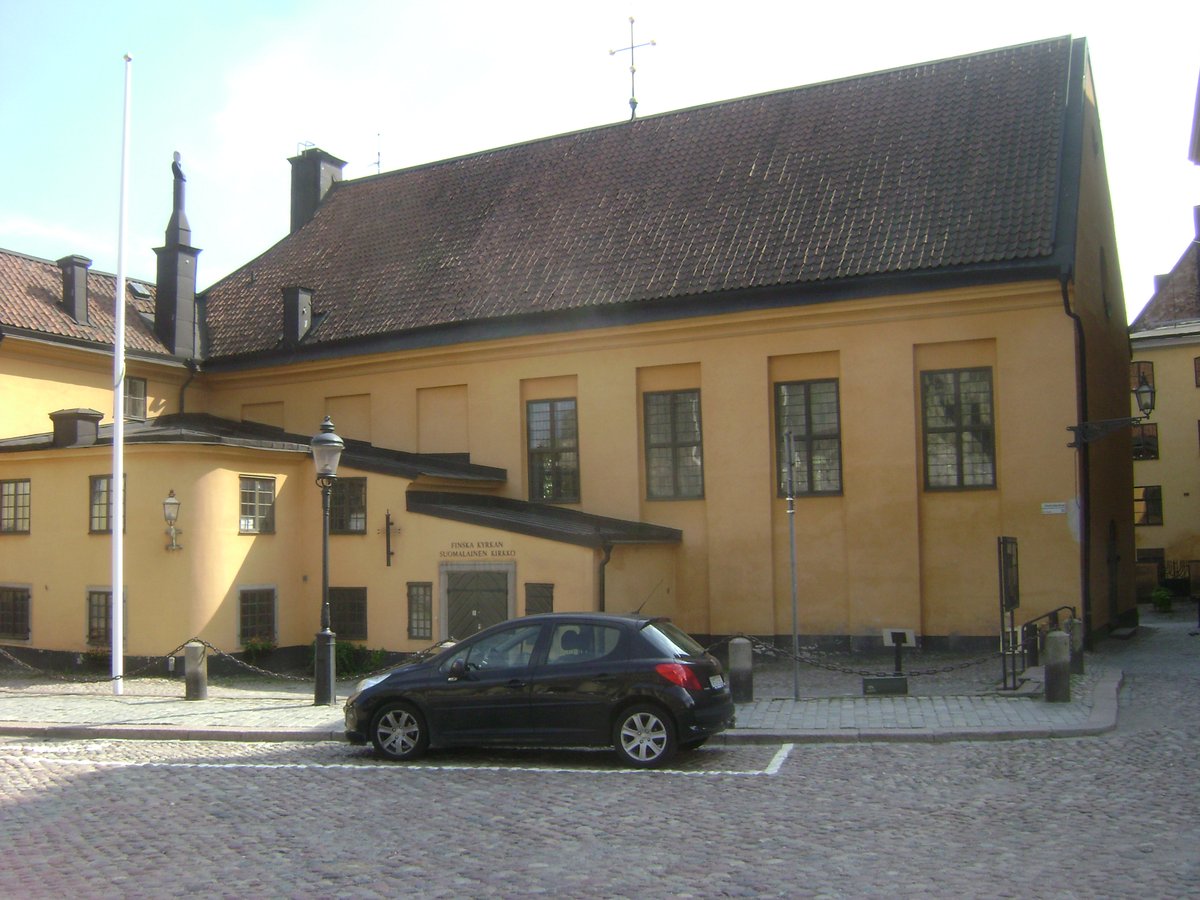
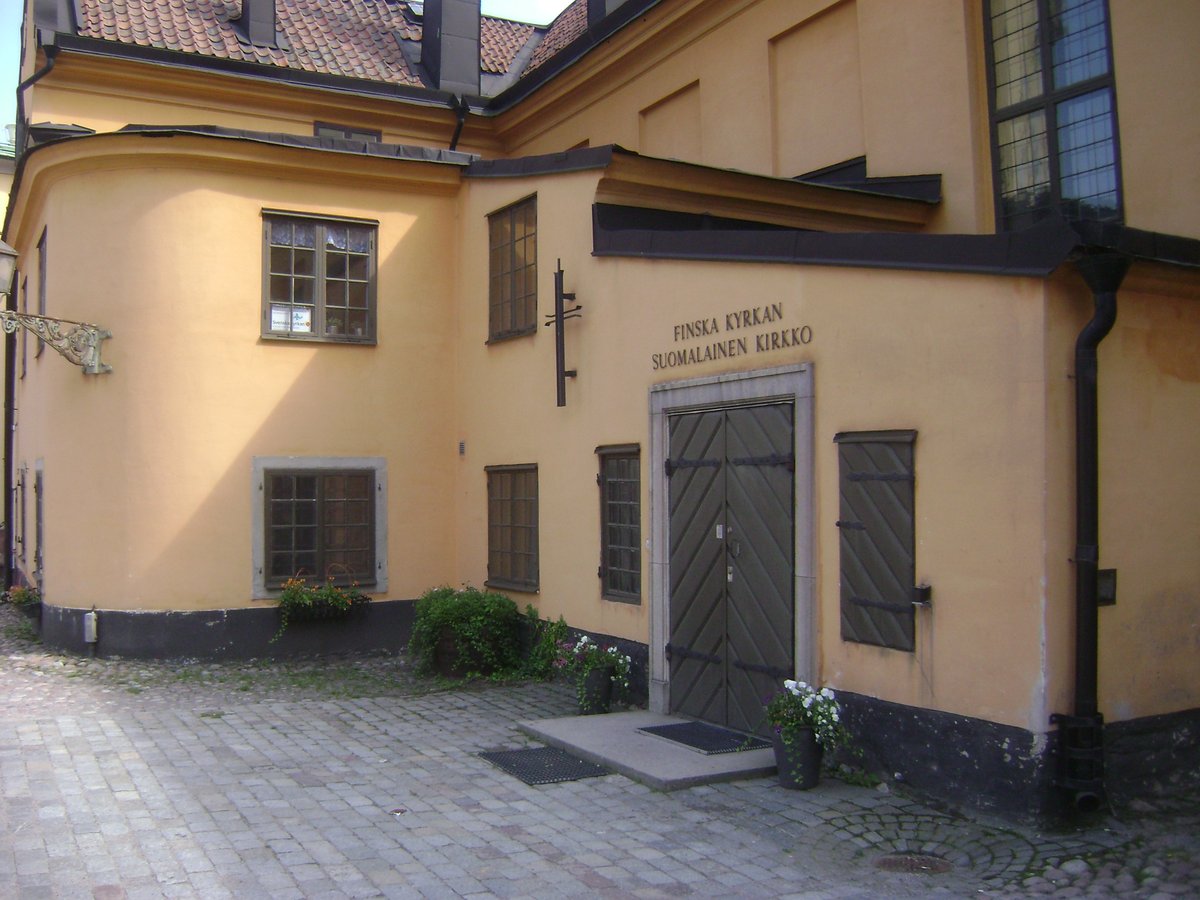
Housed in a building that began as “Lilla Bollhuset” (Small Ball House)—a 17th-century venue for ball games and theatre—the Finnish Church was converted into a sacred space in 1725 under architect Göran Josuae Adelcrantz. Today, its understated façade and location amid medieval streets belie an interior rich with Finnish motifs, an 18th-century Schwan organ, and artworks that honor Finnish heritage (Stockholmskällan; Kyrkokartan).
Serving as both a place of worship and a center for Finnish language, culture, and tradition, the Finnish Church remains a welcoming stop for anyone interested in Finnish-Swedish history, music, and community life. Just behind the church, visitors can also discover the Järnpojken statue—Stockholm’s smallest public monument—further enriching the Old Town experience (Wikipedia; Take Me to Sweden).

Historical Roots and Cultural Significance
Finnish Migration and the Church’s Origins
The Finnish presence in Stockholm is centuries old, rooted in the historic union between Sweden and Finland. By the 1400s, Stockholm’s Finnish-speaking community accounted for a notable segment of the city’s population (Finland–Sweden relations). As Swedish and Finnish societies intertwined—especially after the Reformation brought Lutheranism—the need for Finnish-language religious services became apparent.
The Finnish Church was founded in 1533 to meet these spiritual and communal needs (Finnish Church Official Site). Over time, it became a focal point for maintaining Finnish culture and language, particularly during periods when assimilation and Swedification were policy priorities in Sweden.
Community and Cultural Impact
Today, the Finnish Church continues to play a vital role for Stockholm’s largest ethnic minority. The church regularly holds services in Finnish, hosts concerts, art exhibitions, and celebrates Finnish traditions such as Midsummer and Independence Day (Visit Stockholm; VisitStockholm). It also offers social support, language classes, and activities that help maintain Finnish-Swedish ties.
Architectural Highlights
- Exterior: Modest and harmonious with the surrounding Old Town architecture, the building subtly reflects its origins as a sports hall.
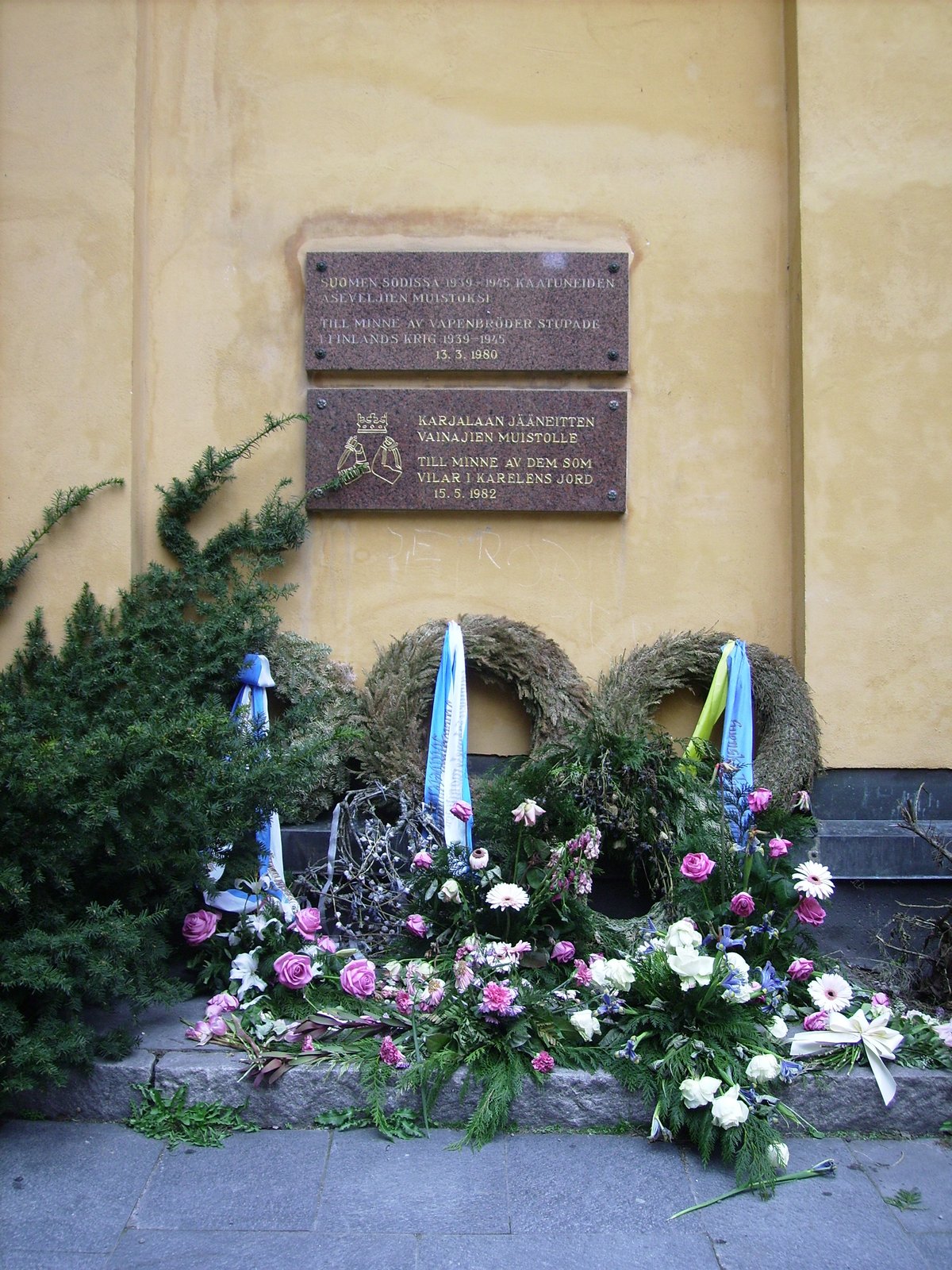
- Interior: Warm and inviting, with traditional wooden pews, a double gallery, and an altarpiece by Lorens Gottman. Finnish national symbols and historic plaques commemorate the community’s legacy (Kyrkokartan).
- Schwan Organ: Built in 1792, it is the oldest organ in Stockholm still in its original location—an important piece of musical heritage.
- Art: The church features stained glass windows and memorials honoring significant figures in Stockholm’s Finnish community.
Practical Visitor Information
Location and Getting There
- Address: Slottsbacken 2, 111 30 Stockholm, Sweden (Google Maps)
- Access: Steps from the Royal Palace and Stockholm Cathedral; a 5-minute walk from Gamla Stan metro station.
Opening Hours (as of June 2025)
- Monday–Friday: 11:00–16:00
- Saturday–Sunday: 12:00–15:00
Note: Hours may change on holidays or during special events. Always confirm on the official website before your visit.
Admission and Tickets
- Entry: Free for all visitors; no tickets required.
- Donations: Welcomed to support church activities.
Events and Guided Tours
- Events: Regular services, concerts, exhibitions, and Finnish holiday celebrations.
- Guided Tours: Occasionally available, especially for groups or during events. Contact the church to arrange a tour (VisitStockholm).
Accessibility
- Wheelchair Access: Main entrance is at street level, but cobblestones in Gamla Stan may pose challenges. Contact the church in advance for specific arrangements.
- Facilities: No restrooms inside, but public facilities are nearby.
- Photography: Non-flash photography is generally allowed; be respectful during services.
The Järnpojken Statue: A Hidden Gem
Behind the Finnish Church lies Järnpojken (“The Iron Boy”), Stockholm’s tiniest public statue. Created by Liss Eriksson in 1954, the 15-centimeter bronze boy gazes at the moon and has become a beloved local symbol. Visitors often rub his head for luck or dress him in hats and scarves during winter (Wikipedia; Take Me to Sweden; Swedentips).
- Location: Courtyard behind the Finnish Church at Slottsbacken.
- Access: On foot; open 24/7; best visited during daylight.
- Admission: Free.
Visitor Tips
- Best Times: Weekday mornings or early afternoons for a quieter visit.
- Dress Code: Modest attire is appreciated, especially during services.
- Language: Services mainly in Finnish; staff can assist in English and Swedish.
- Nearby Attractions: Royal Palace, Stockholm Cathedral, Nobel Prize Museum—perfect for combining with your church visit.
- Dining: Enjoy a traditional Swedish “fika” in local cafés.
Frequently Asked Questions (FAQ)
Q: Do I need tickets to visit the Finnish Church?
A: No, entry is free and ticketless.
Q: Are guided tours available?
A: Sometimes, especially for groups or during special events—check the website or contact the church.
Q: Is the church wheelchair accessible?
A: Partially; contact the church for details.
Q: Can I take photographs?
A: Yes, but please avoid flash and respect services.
Q: What are the opening hours?
A: Typically Monday–Friday 11:00–16:00, Saturday–Sunday 12:00–15:00, but check for updates.
Summary and Key Visitor Tips
The Finnish Church in Stockholm is a living monument to centuries of Finnish-Swedish relations, offering visitors insight into migration, cultural resilience, and community spirit. With free entry, regular cultural events, and the nearby whimsical Järnpojken statue, it’s a must-see for anyone exploring Gamla Stan or seeking authentic cultural experiences in Stockholm. Combine your visit with other historical sites in the area and check the church’s website or trusted tourism platforms for the latest updates (Finnish Church Official Site; Stockholmskällan; Visit Stockholm; VisitStockholm).
Listen to the full story in the app
The whole Finnish Church,
told well.
Audio guides for 1,100+ cities across 96 countries. History, stories, and local insight — offline ready.
Verified, and shown.
Researched and written by the Audiala editorial team from historical records, architectural archives, and local expertise.
Researched from Wikidata, Wikipedia & official sources · fact-checked · How we make our guides →