Introduction
Eldkvarn, once a pioneering steam-powered flour mill and now the site of the renowned Stockholm City Hall, stands as a powerful symbol of Stockholm’s transformation from an industrial hub into a modern European capital. Located on the western tip of Kungsholmen island, Eldkvarn’s legacy lives on in both the city’s cultural memory and its physical landscape. The phrase “sedan Eldkvarn brann” (“since Eldkvarn burned down”) endures in Swedish language, reflecting the site’s deep historical impact.
This detailed guide offers a comprehensive look at Eldkvarn’s rich history, cultural significance, current visiting information, accessibility, nearby attractions, and travel tips. Whether you’re intrigued by industrial heritage, drawn to architectural marvels, or eager to explore Swedish culture, Eldkvarn and its surroundings promise a memorable experience in the heart of Stockholm.
Photo Gallery
Explore Eldkvarn in Pictures
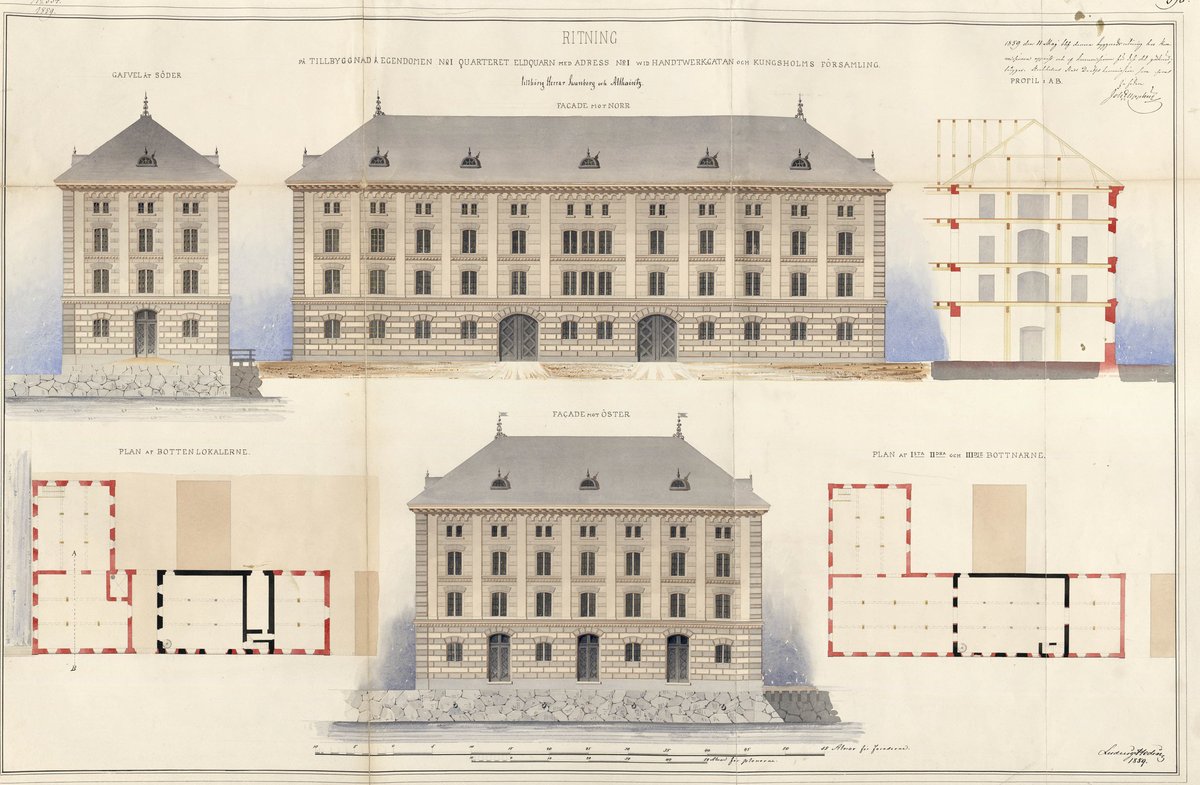
Detailed architectural blueprint of Eldkvarn created in 1859 by Swedish architect Ludvig Hedin, showcasing the design and structure of the historical mill building.
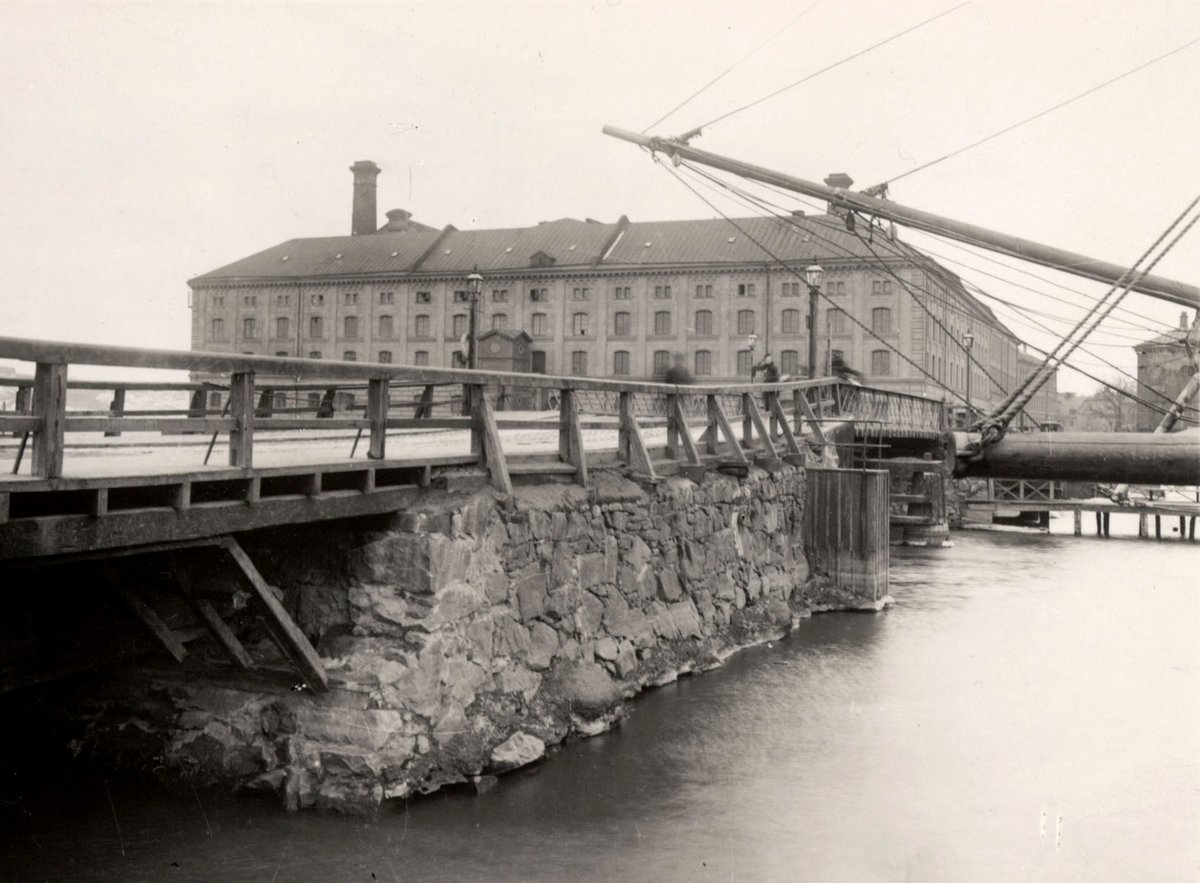
Historic image of Eldkvarn windmill and Kungsholmsbron bridge in Stockholm circa 1860
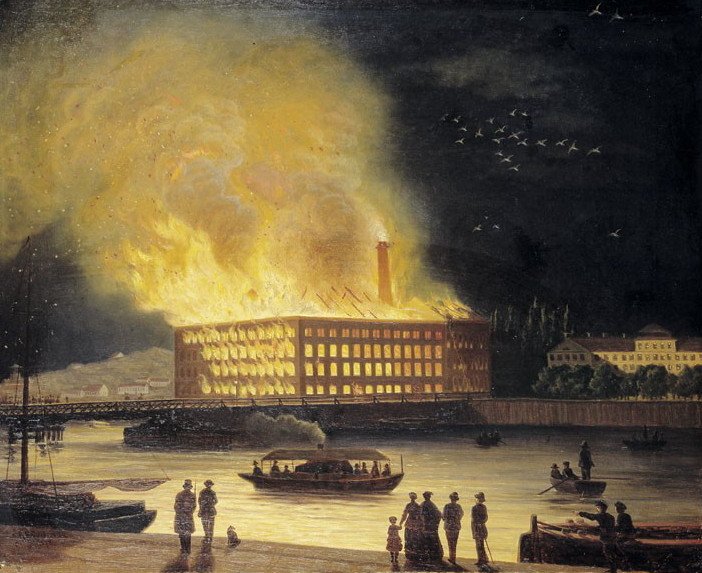
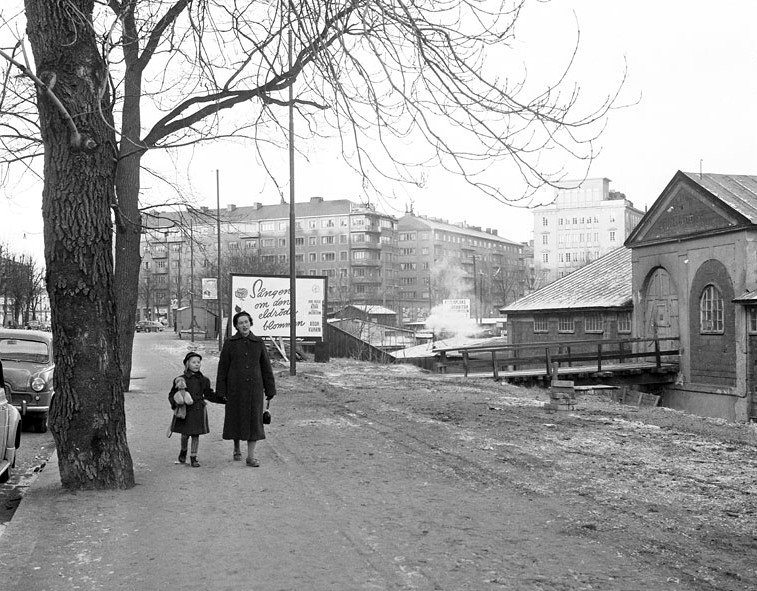
Black and white historical photograph depicting Eldkvarn, a prominent 19th-century Swedish mill, as it appeared in the year 1878.
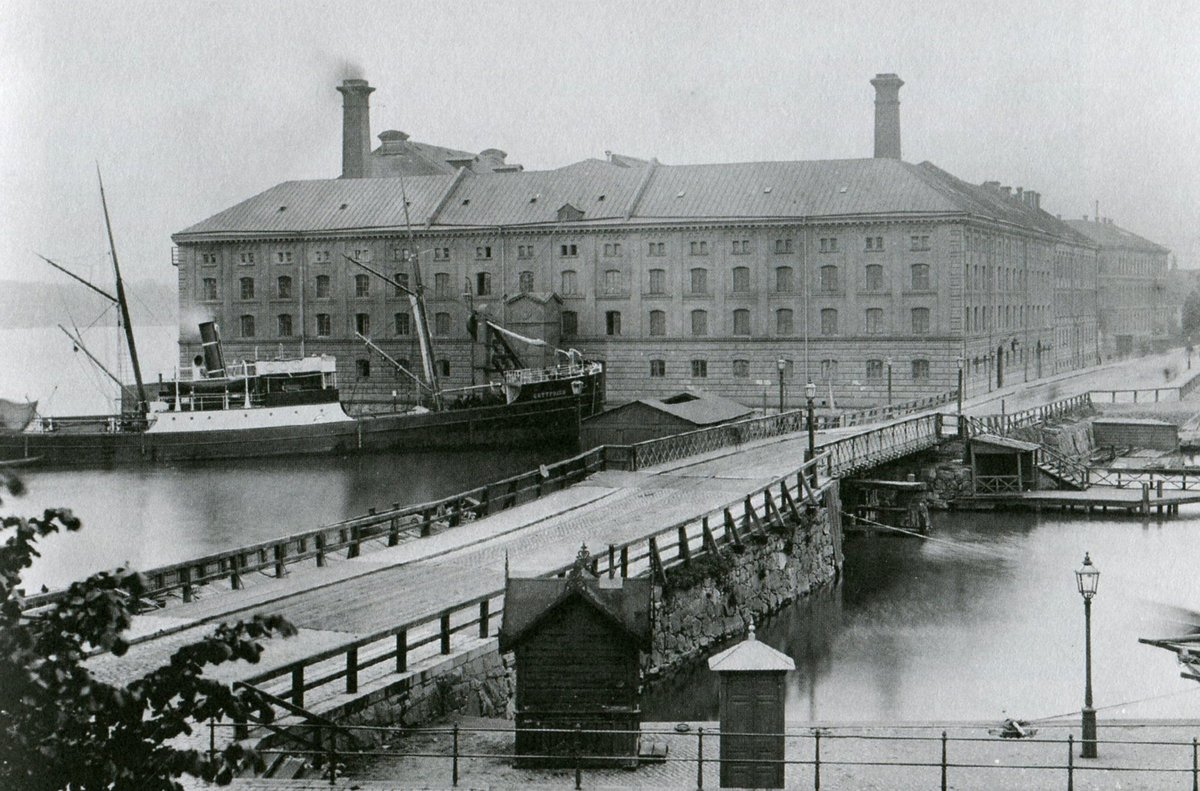
Historic image of Eldkvarn windmill located on Kungsholmen island, Stockholm, with the new Kungsholmsbron bridge visible, dated 1890.
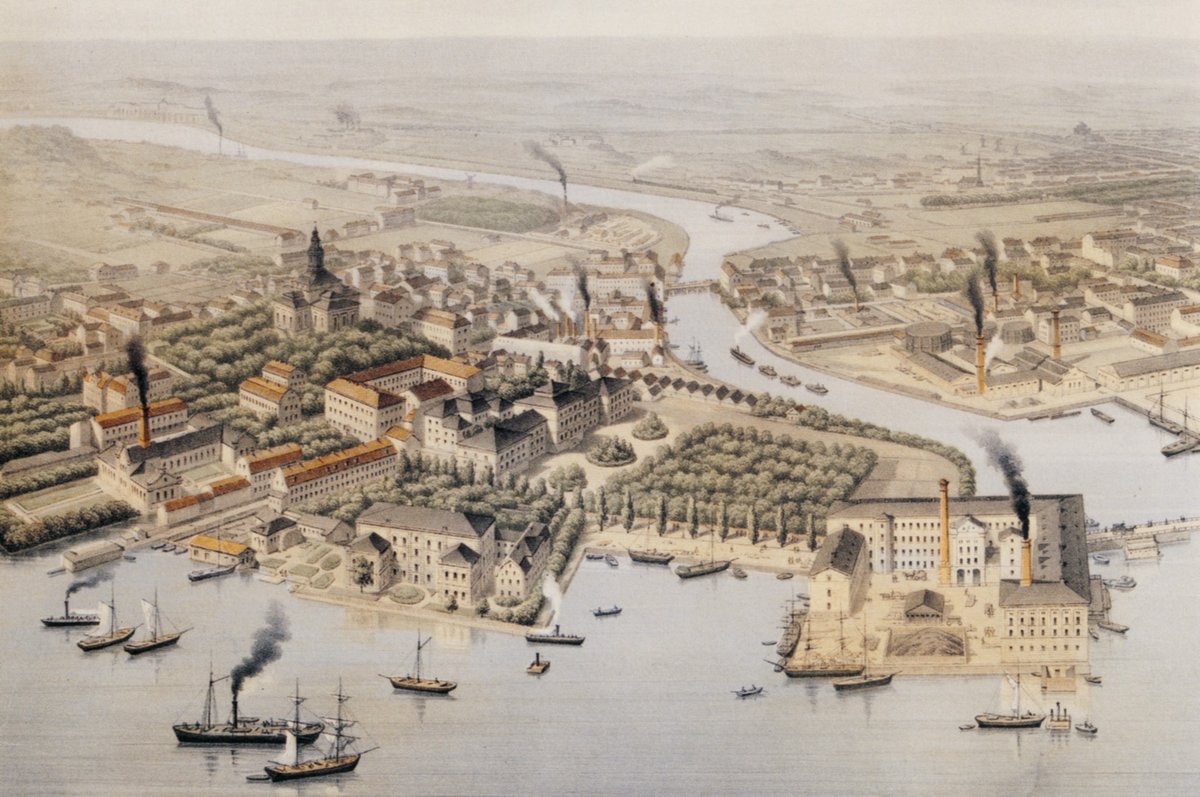
Panoramic view of the eastern parts of Kungsholmen island in Stockholm, Sweden, showcasing urban landscape and waterfront.
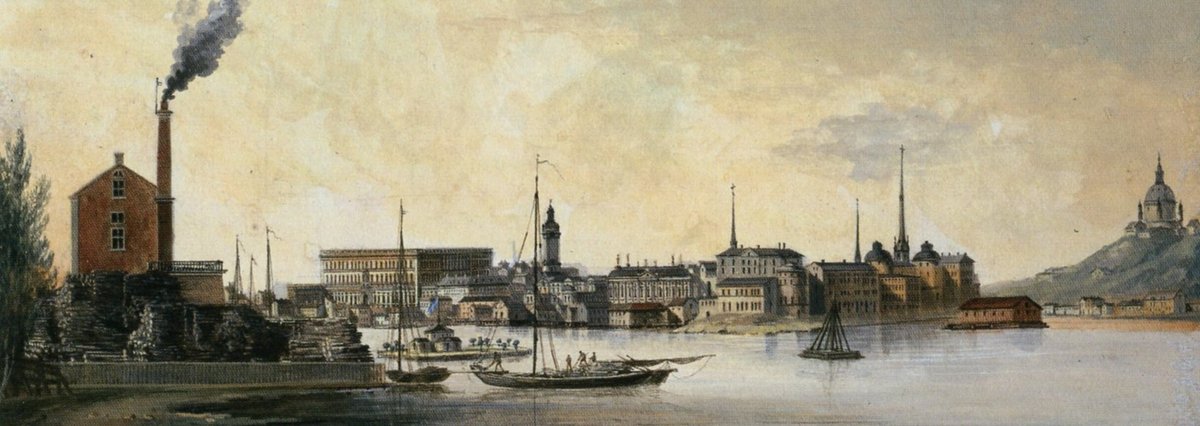
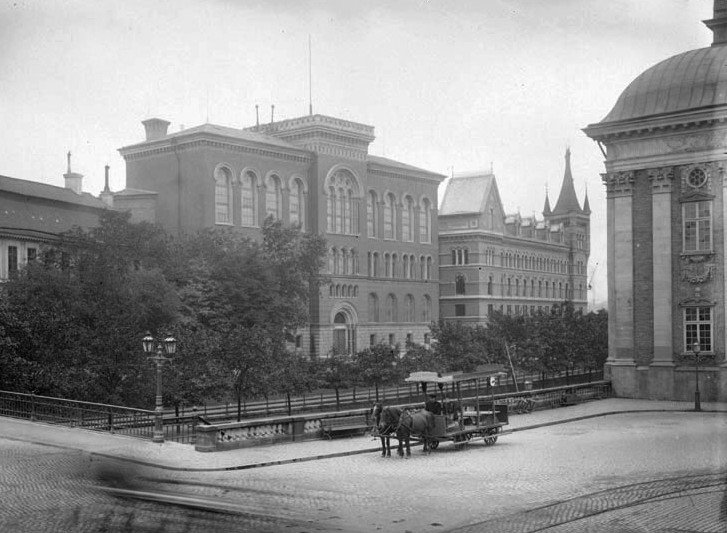
Scenic view of Stockholm city from Kungsholmen island featuring the historic Eldkvarn windmill on the left side of the image
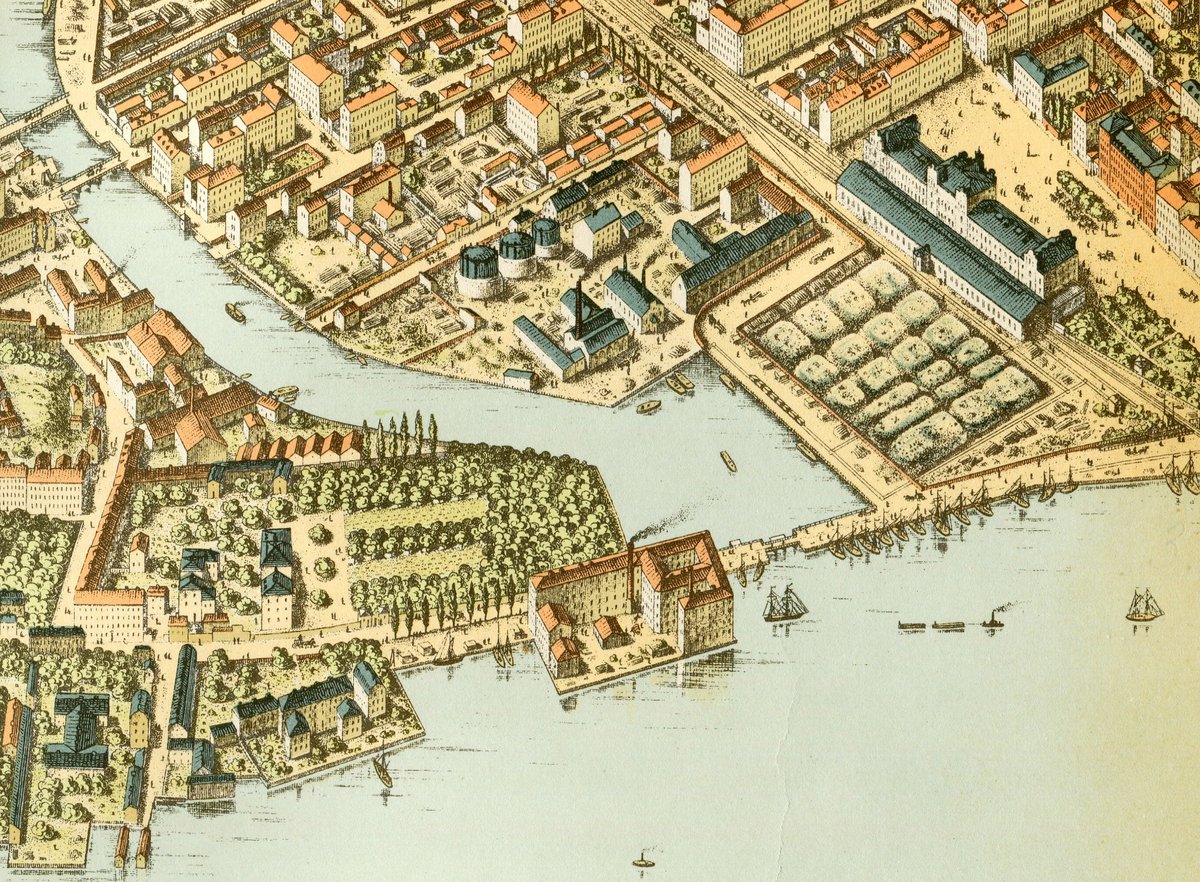
Historical panorama of Stockholm Central Station, Klara Lake, and Eldkvarn Mill captured by Heinrich Neuhaus in 1870 showcasing the urban and natural landscape of Stockholm.
The Origins and Development of Eldkvarn
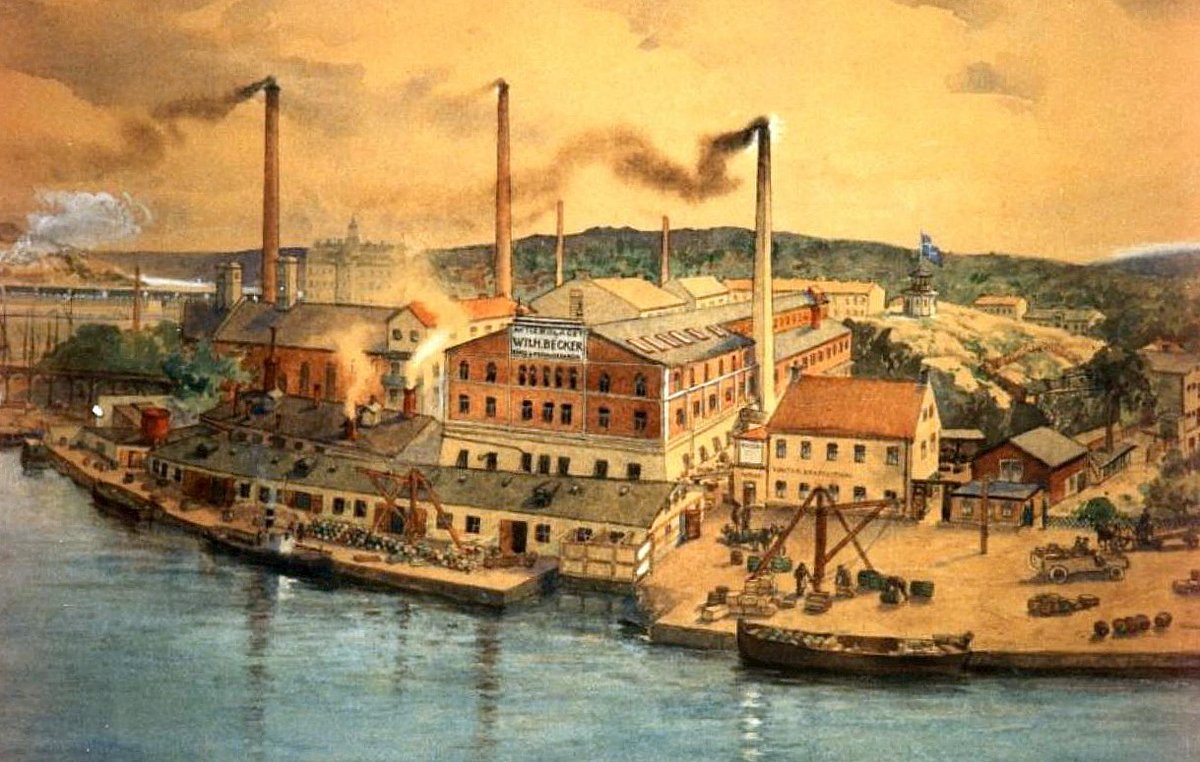
Eldkvarn, meaning “The Fire Mill,” was established in the early 19th century as one of Stockholm’s first major steam-powered flour mills. Its construction marked a significant leap in Swedish industrialization, representing the shift from a medieval trading post to a burgeoning industrial metropolis. The mill was powered by early steam engines—introduced to Stockholm in 1806 and installed with the expertise of British-Swedish engineer Samuel Owen (Isolated Traveller). Eldkvarn played a vital role in feeding the city as Stockholm’s population and neighborhoods expanded rapidly (Wikipedia: History of Stockholm).
The 1878 Fire and Its Legacy
In June 1878, Eldkvarn was devastated by a catastrophic fire visible across Stockholm. The event left a lasting impression on the city, inspiring the idiom “sedan Eldkvarn brann” to denote a time long past (Isolated Traveller). The fire highlighted the vulnerabilities of industrial infrastructure and led to significant reforms in urban fire safety and city planning. For decades, the site remained vacant, a stark reminder of both the risks and the momentum of modernization.
Transformation into Stockholm City Hall
The empty Eldkvarn site was chosen in the early 20th century for the construction of Stockholm City Hall (Stadshuset), an architectural masterpiece completed in 1923 under architect Ragnar Östberg. Constructed with almost eight million red bricks and crowned by the 106-meter tower bearing Sweden’s Three Crowns, the building stands as a monument to civic pride and resilience (Isolated Traveller). Today, City Hall is the seat of municipal government and the venue for the Nobel Prize banquet.
Eldkvarn in Swedish Culture and Urban Memory
Although the original mill no longer stands, Eldkvarn’s influence permeates Swedish culture and language. Its story is commemorated by a stone tablet at City Hall and by local street names such as Samuel Owens gata. The idiom “inte sedan Eldkvarn brann” remains commonly used, capturing the site’s enduring place in public memory (Wikipedia: History of Stockholm). Eldkvarn also inspired the name of a celebrated Swedish rock band formed in 1971 (Kotte Management).
Visiting Eldkvarn Today
Location and How to Get There
The Eldkvarn site is now home to Stockholm City Hall at Hantverkargatan 1, Kungsholmen. It is a 10–15 minute walk from Stockholm Central Station and accessible via metro (Rådhuset station, Blue Line), bus, or on foot from Gamla Stan (TripIndicator).
Visiting Hours and Tickets
- April to October: Daily, 10:00 AM – 5:00 PM
- November to March: Weekdays, 10:00 AM – 4:00 PM
- Admission: Guided tours are around 120 SEK for adults. Discounts are available for students and seniors; children under 18 enter free. Tickets can be purchased online or at the visitor center. There is no ticket required for the outdoor areas of the site.
Accessibility
Stockholm City Hall is fully wheelchair accessible, with ramps and elevators. Visitors needing special accommodations should contact the visitor center in advance.
Guided Tours
Guided tours are available in several languages and include highlights such as the Blue Hall (site of the Nobel banquet) and the Golden Hall with its iconic mosaics. Some tours reference Eldkvarn’s history and the transformation of the site. Guided walking tours of Kungsholmen frequently include Eldkvarn as a key stop.
Travel Tips and Photo Opportunities
- Arrive early to avoid peak crowds, especially in summer.
- Photograph the City Hall’s exterior, the waterfront promenade, and panoramic tower views.
- Combine your visit with a stroll along Norr Mälarstrand or through surrounding parks.
Nearby Attractions
- Kungsholmen Waterfront: Scenic promenades, parks, and lively cafés.
- Gamla Stan (Old Town): Stockholm’s medieval heart, a short walk away.
- Royal Palace and Riddarholmen Church: Historic landmarks nearby (The Crazy Tourist).
- Rålambshovsparken: A local favorite for recreation and picnics (View Stockholm).
Frequently Asked Questions (FAQ)
Q: Is there anything left of the original Eldkvarn mill?
A: No, the mill was demolished after the 1878 fire. A commemorative stone marks its former location at City Hall.
Q: What are Eldkvarn’s visiting hours?
A: The site is open 24/7 as a public area. City Hall’s interiors are accessible during posted hours with a guided tour ticket.
Q: Are tickets required to visit?
A: Outdoor areas are free to visit. Tickets are needed for guided tours inside City Hall.
Q: Is the site accessible for wheelchairs and families?
A: Yes, the area is flat, with accessible paths and facilities.
Q: Are there tours in English?
A: Yes, City Hall offers guided tours in English and other languages daily.
Q: Can I take photos?
A: Photos are permitted in most public areas, but restrictions may apply inside City Hall.
Listen to the full story in the app
Your Personal Curator, in Your Pocket.
Audio guides for 1,100+ cities across 96 countries. History, stories, and local insight — offline ready.
Audiala App
Available on iOS & Android
Join 50k+ Curators
Sources
- verified
- verified
- verified
- verified
- verified
- verified
- verified
Last reviewed: